



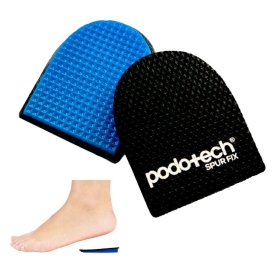
 Podotech Gel Heel Pads for Pressure Relief & Spur Pain£7.20 £6.00
Sold: Sold per Pair
Incl. VAT Exl. VAT
SHOW PRICES WITH OR WITHOUT VAT? MANY BUSINESS CUSTOMERS PREFER TO VIEW PRICES EXCLUDING VAT.
0151 448 1228 (UK)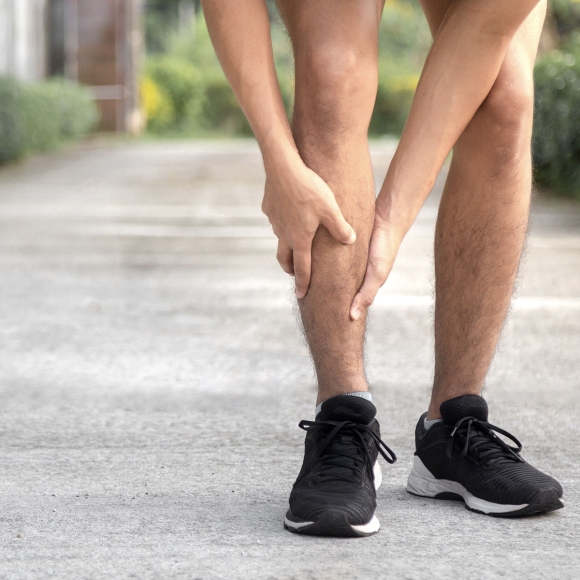


Condition-specific support
Shin splints insoles: support, shock absorption and more confident footwear choice
Shin splints usually describe pain along the tibia linked to repetitive loading, training changes, foot mechanics or a combination of all three. For many people, the most helpful insole is not simply the softest one. It is the one that helps manage impact, supports alignment where needed, fits the shoe properly and suits the activity you actually do. Explore this insole range, compare supportive options in the wider orthotic insoles collection, or browse the full orthotic therapy range for related solutions.
Quick selection summary
What usually matters most with shin splints?
A good starting point is to match the insole to the likely driver of symptoms: overpronation and control needs, high-impact loading, flatter arches, higher arches, training volume, or footwear depth.
Need more control?
See overpronation support and Slimflex Amber.
Need more cushioning?
Compare shock absorbing silicone insoles and gel insole options.
Need a versatile orthotic?
Explore Slimflex orthotic insoles and the Slimflex selection guide.
Need adjustable arch support?
Look at Interpod Modular and Interpod Flex.
What are shin splints insoles?
Shin splints insoles are shoe inserts chosen to help reduce the load that travels through the foot and lower leg during walking, running and repeated impact. In practical terms, they can help by improving comfort underfoot, supporting the arch, guiding the heel and midfoot into a more stable position, and reducing the amount of repeated stress that may irritate tissues along the shin.
They are commonly considered when symptoms appear alongside overpronation, flat feet, reduced shock absorption, tired lower legs, or footwear that offers very little structure. They can also sit within a broader plan that may include activity modification, calf work, footwear review and gradual return to load.
At Algeos, you can compare simple cushioning inserts, structured arch support devices, more controlling orthotic designs and condition-led solutions such as heel pain insoles, high arch insoles and Achilles tendonitis support products when symptoms overlap.
Why people choose insoles for shin splints
People usually arrive at this category with a mix of informational and buying intent. They want to understand why shin pain keeps returning, but they also want a practical next step that feels sensible rather than overcomplicated.
Support foot alignment
- May help when inward rolling of the foot contributes to lower-leg strain
- Useful to compare with arch support insoles
Reduce impact feel
- Extra cushioning can make repetitive activity feel less harsh
- Relevant for harder surfaces, gym work or long shifts on your feet
Improve shoe comfort
- A better in-shoe platform can help the foot feel more settled
- Some users prefer 3/4 length devices for tighter footwear
Support everyday self-selection
- Off-the-shelf options can be a practical first step before more bespoke care
- See the popular NHS insoles guide for useful context
Types of insoles that may suit shin splints
There is no single insole for every case. The right choice depends on whether you need more control, more cushioning, easier shoe fit, or a device that can be adapted as symptoms and footwear change.
Structured arch support insoles
These are a common starting point where foot posture and control are part of the picture. Compare the neutral arch support range with the wider foot arch support guide.
More controlling orthotics
For users needing firmer rearfoot and arch control, products such as Slimflex Amber or the wider Slimflex range may be worth reviewing.
Shock-absorbing and gel options
These can be helpful when impact feel, hard floors or shoe comfort are major concerns. Look at Softzone shock absorbing silicone insoles and silicone gel insoles.
Adjustable or semi-bespoke style devices
When you want a more personalised feel without moving straight to fully custom manufacture, consider Interpod Modular, Interpod Flex or Semiflex Carbon insoles.
Condition and use-case guide
| Concern or presentation | What the insole may help with | Useful Algeos route |
|---|---|---|
| Shin pain with inward rolling feet | More stable heel and arch support may help reduce repeated lower-leg strain | Overpronation guide and Slimflex Amber |
| Shin splints plus flatter arches | Supportive insoles may help distribute pressure and improve everyday comfort | Insoles for flat feet and arch insoles |
| Shin discomfort with heel or arch pain | Combined support and cushioning may be useful when symptoms overlap | Heel pain insoles and plantar fasciitis insoles |
| Higher arches and poor shock absorption | Cushioning and foot-shape support may help soften repeated loading | High arch insoles and gel insoles |
| Running, court sport or active work | A balance of control, resilience and shoe fit often matters more than softness alone | Semiflex Carbon and Slimflex Carbon |
| Shin pain alongside calf or Achilles tightness | Heel lifts or orthotic adjustment may sometimes be part of overall offloading | Heel lifts and Achilles tendonitis support |
How to choose the right shin splints insoles
1
Start with your symptom pattern
If the main issue is shin pain during impact, cushioning may matter. If the main issue is fatigue, collapse or inward rolling, more structure may matter. The pronation, supination and neutral gait guide is a useful place to begin.
2
Check footwear depth and shape
Bulky insoles can fail simply because they do not fit the shoe. If you wear tighter footwear, 3/4 length or slimmer profiles may work better than full-length high-volume devices.
3
Decide between cushioning and control
For some users, softer options improve comfort. For others, firmer control reduces strain more effectively. Comparing cushioning insoles with structured orthotic styles often makes the decision clearer.
4
Think about progression
If symptoms are persistent, recurrent or linked to training goals, look for a modifiable or more clinically informed option. The orthotics vs insoles guide explains when a more supportive route may be more appropriate.
Helpful buying tip
For shin splints, the “best” insole is usually the one that suits your mechanics, footwear and activity rather than the one with the biggest arch or the softest top layer. A balanced, wearable device that you can use consistently tends to be more useful than an aggressive option that stays in the cupboard.
Helpful guides and advice
These Algeos pages are useful for self-selection, comparison and understanding how different insole styles relate to common symptoms and foot types.
Orthotics or insoles?
Understand the differences between simple inserts, orthotic insoles and more clinically directed solutions.
The Slimflex range explained
A practical comparison of densities, use cases and styles across the Slimflex family.
How gait pattern changes support needs
Useful when shin splints sit alongside pronation, supination or a more neutral foot type.
How arch support improves comfort
Helpful for users comparing everyday comfort insoles with more controlling orthotic designs.
Popular brands, ranges and solution types

Slimflex
A widely used range with options from more comfortable everyday support through to more controlling orthotic styles.

Interpod
A good option where adjustability, arch choice or modular support is important.

Shock-absorbing silicone
Often chosen when comfort on hard ground or repeated standing is a major concern.
Condition-led categories
Useful when shin pain overlaps with heel pain, plantar fascia strain, flat feet or Achilles irritation.
Popular insoles for shin splints
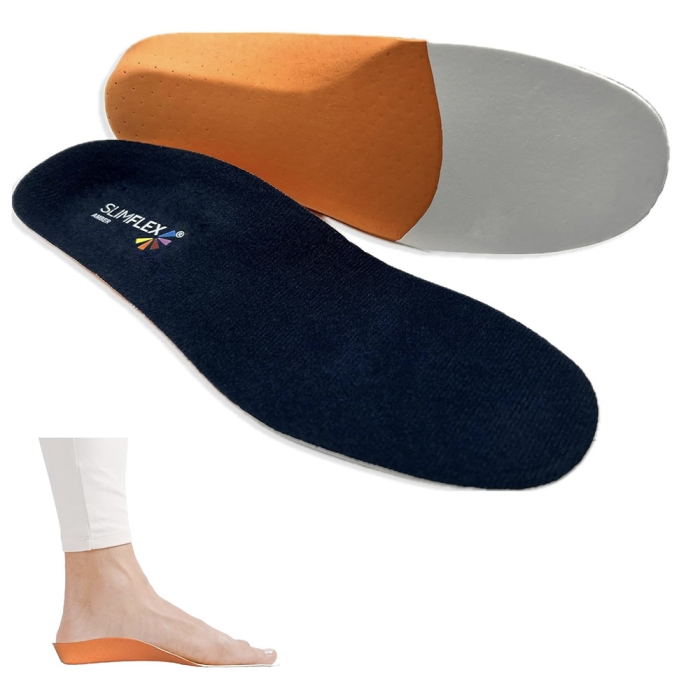
Slimflex Amber
Firmer rearfoot and arch control for users who need more guidance and support.
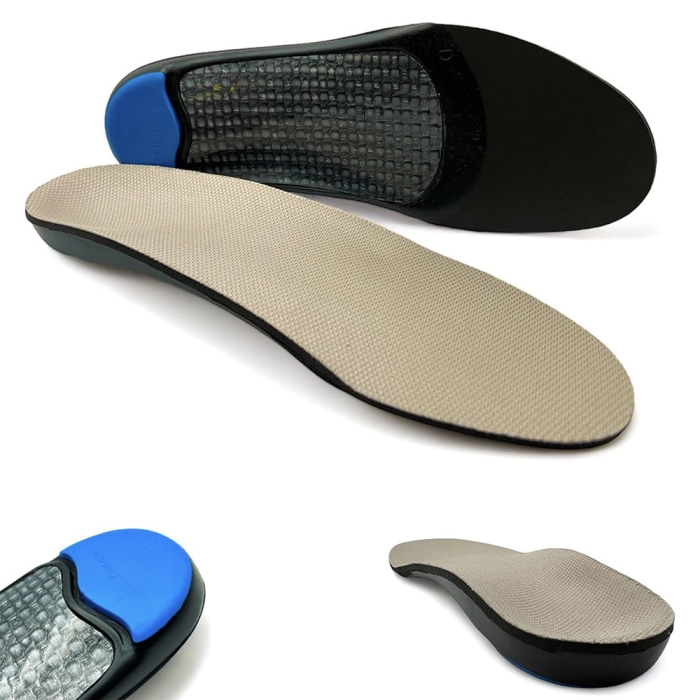
Semiflex Carbon Insoles
Balanced structure and shock absorption for active lifestyles and repeated loading.
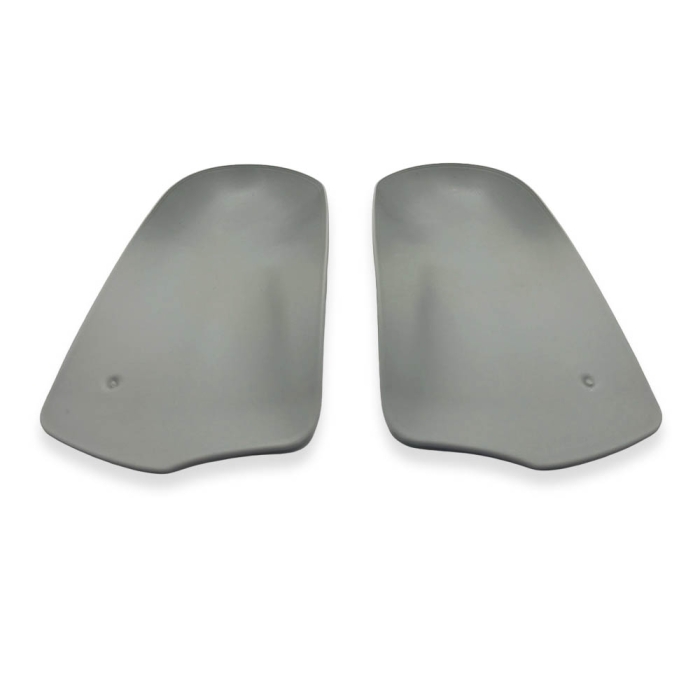
Interpod Flex
Heel cup stability and adaptable orthotic support for broader lower-limb alignment needs.
Frequently asked questions
Can insoles help shin splints?
They can be useful when shin splints are linked to repeated impact, poor shock absorption, overpronation, flatter arches or footwear that is not giving enough support. They are usually most helpful as part of a broader plan rather than as a stand-alone fix.
Are soft insoles better than firm insoles for shin splints?
Not always. Softer insoles may improve comfort, but firmer orthotic support may be more useful when control and alignment are the bigger issue. Comparing cushioning options with structured arch support is often the most practical approach.
What kind of insole is best for shin splints and overpronation?
Look for an option with more reliable rearfoot and arch support. The overpronation section and products like Slimflex Amber are worth reviewing.
Do full-length or 3/4 length insoles work better?
That depends mainly on footwear and comfort preference. Full-length styles can offer more underfoot coverage, while 3/4 length styles are often easier to fit into tighter shoes.
Can shin splints insoles be used for running?
Yes, many people use them for running, gym work and court sports. Fit inside the shoe, comfort under load and stable foot control matter more than marketing terms.
Should I choose OTC insoles or custom orthotics?
Off-the-shelf options are often a sensible first step. If symptoms are persistent, recurring or clearly biomechanical, a more modifiable or clinically selected device may be more appropriate. The orthotics vs insoles guide explains the difference.
What other conditions are commonly linked with shin splints?
Shin pain can sit alongside heel pain, plantar fasciitis, flat feet, high arches or Achilles tendon irritation.
Ready to compare shin splints insoles?
Start with the dedicated category, then branch into pronation support, arch support, cushioning or related condition pages if your symptoms overlap.
Sold: Sold per Pair
Incl. VAT Exl. VAT