



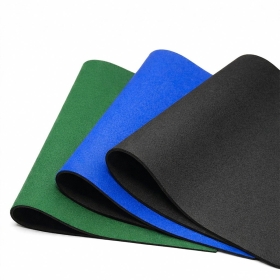
 Neosorb Shock Absorbing Neoprene Fabric Material£81.78 £68.15
SHOW PRICES WITH OR WITHOUT VAT? MANY BUSINESS CUSTOMERS PREFER TO VIEW PRICES EXCLUDING VAT.
0151 448 1228 (UK)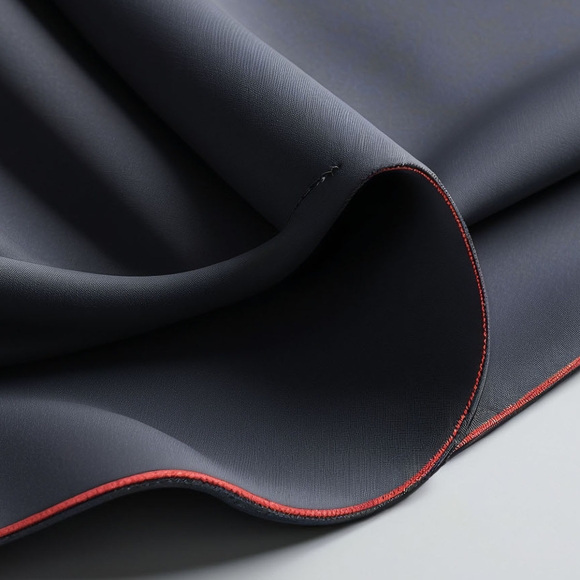

Neoprene Materials for Orthotics & Fabrication
Neoprene textile fabrics: compare, choose and buy with confidence
Algeos neoprene textile fabrics are a dependable route for clinicians, technicians, manufacturers and practical buyers who need cushioning, flexibility and durability in one easy-to-work material.
Whether you are making braces, lining wearable supports, building padded components or sourcing workshop stock, this page helps you compare the main neoprene options and move quickly into the right product route.
- Professional-grade Materials
- Orthotic and Support Applications
- Multiple Thicknesses and Constructions
What are neoprene textile fabrics?
Neoprene textile fabrics are neoprene-based sheet materials used where you want a combination of comfort, resilience, surface protection and practical handling. In orthotic and support work, they are often chosen for braces, appliance padding, wearable components, sensory products and protective linings.
At Algeos, the range includes lined and unlined sheet options, shock-absorbing neoprene formats and composite variants, so buyers can choose according to cushioning, finish, bonding needs and the demands of the finished device.
Why buyers choose neoprene textile fabrics from Algeos
Comfort and cushioning
- Useful where a softer interface or padded feel matters
- Helps create more wearable supports and braces
- Works well in products that benefit from shock reduction
Flexible but durable
- Conforms more easily than rigid materials
- Suitable for repeated use and regular handling
- Lined options give a more finished, robust surface
Easy to specify
- Choice by thickness, lining and intended use
- Simple route for both repeat buyers and first-time specifiers
- Pairs naturally with hook and loop fasteners and webbing and elastic
Neoprene options available from Algeos
Double-lined neoprene
A strong all-round choice where you want fabric on both sides for improved finish, handling and wear resistance. Often a practical route for braces, supports and more polished wearable builds.
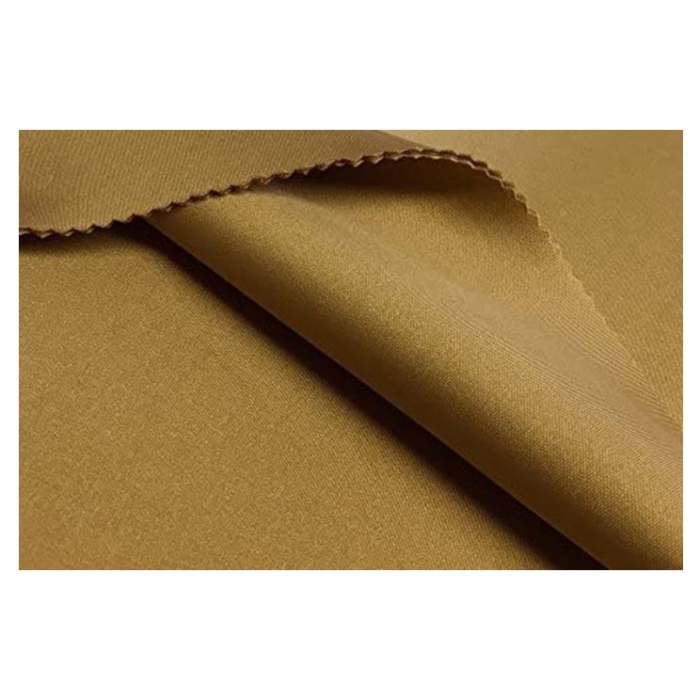
Single-lined neoprene
Helpful when one finished face is enough and the other side needs a different workshop treatment. A good option for builds where bonding approach or surface use differs from side to side.
Black neoprene sheets
A straightforward, general-purpose route for buyers who want flexible neoprene sheet material without a textile laminate. Useful for workshop stock, appliance making and adaptable fabrication.
Neosorb shock-absorbing neoprene
Designed for projects where cushioning and impact absorption are more important selection points. Often worth considering for comfort-led builds and repeated compression environments.
Compare neoprene routes before you buy
| Need or application | Recommended route | Why it is often the better fit |
|---|---|---|
| General brace and support fabrication | Gives a more finished textile surface on both sides and suits repeat-use wearable products. | |
| One finished face with more flexibility in build method | Single-lined neoprene | Useful when one side needs a textile finish but the opposite face serves a different workshop purpose. |
| Simple sheet stock for adaptable workshop use | A practical, versatile route when you want neoprene performance without extra laminated surfaces. | |
| Extra cushioning and impact reduction | Neosorb | Best considered where comfort, load distribution and shock absorption are the top selection factors. |
| Compressible composite sheet with cork characteristics |
|
Useful where you want a different feel, sealing behaviour or vibration-dampening composite option. |
| Alternative cushioning foams for comparison | PORON sheets or EVA foam sheets | Helpful when the decision is really about foam feel, rebound, structure or fabrication style rather than neoprene itself. |
How to choose the right neoprene textile fabric
-
Start with the job, not the material name
Decide whether you are making a brace, padding an appliance, lining a support or stocking workshop material for varied use.
-
Choose your surface finish
If you want a smarter, harder-wearing textile feel, compare lined products first. If surface finish matters less, black sheet neoprene may be enough.
-
Think about cushioning versus structure
For general flexibility and durability, standard neoprene routes are often suitable. For extra comfort and shock absorption, compare Neosorb.
-
Check what else the build needs
Many buyers also need fastening, elastic, lining or adhesive products. That is where hook and loop ,webbing and elastic and top covers and linings become part of the same purchase decision.
-
Use specialist support when required
If the project is more technical, or you need advice on material selection and fabrication routes, start with product support or review the wider product guides and FAQs.
When neoprene is usually the right route
Neoprene is usually a strong option when the project needs flexibility, wearable comfort, a degree of insulation and a material that feels more forgiving than rigid plastics. It is particularly useful where the finished item sits close to the body or needs a softer interface.
If the project depends more on rigid shaping, compare orthotic plastics. If you are choosing between soft sheet materials for cushioning or layering, compare Plastazote, PORON and EVA foam.
Helpful guides and next-step advice
Product support hub
Technical help, documents and practical support for material buyers.
Density and hardness guide
Useful when you are comparing feel, firmness and material behaviour.
Neoprene guide
A broader introduction to neoprene properties and everyday uses.
Hook and loop guide
Helpful if your build also needs fastening choices.
Orthotic plastics guide
A good comparison route when projects need more structure.
Catalogue downloads
A quick route for teams planning larger or repeat orders.
Manufacturing services
Support for custom requirements and specialist material supply.
Popular solution types and linked buying routes
Neoprene sheet materials
Start with the category overview when you want the full neoprene selection in one place.
Fastening systems
Pair neoprene with secure closures for braces and appliance builds.
Elastic loop materials
Useful where adjustability and a softer fastening route matter.
General loop tape
A practical addition for temporary bonds and broader workshop use.
Representative neoprene products
Double-lined neoprene sheets
Best for buyers who want a durable textile finish on both sides and a dependable all-round material for wearable supports.
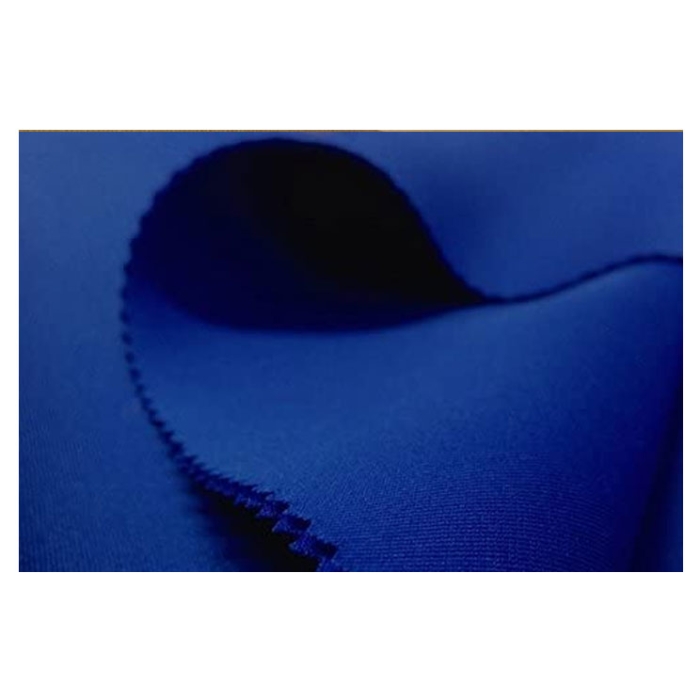
Single-lined neoprene
A sensible route when one finished face is enough and you want a versatile sheet for support and fabrication work.
Black neoprene sheet
A flexible workshop staple for buyers looking for general-purpose neoprene sheet material in multiple thicknesses.
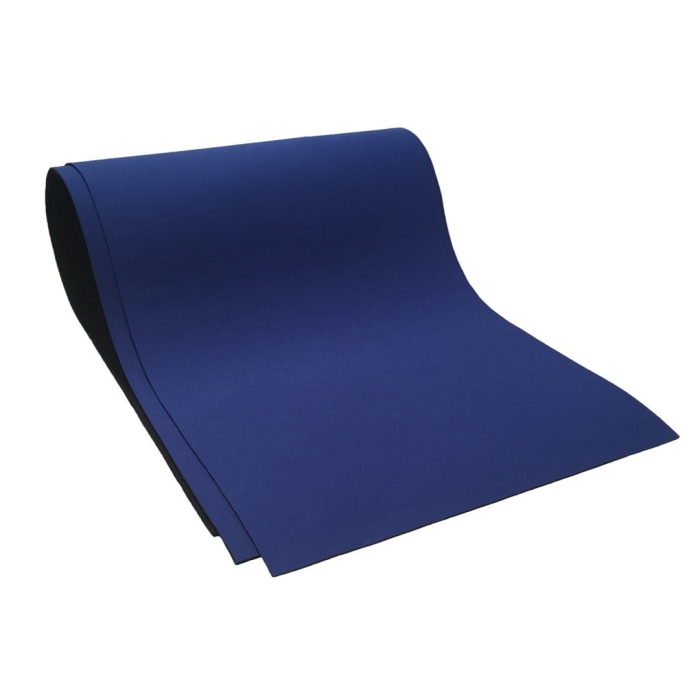
Neosorb shock-absorbing neoprene
Recommended when comfort, resilience and shock absorption are the priority rather than simple general-purpose sheet supply.
Frequently asked questions
Which neoprene material should I choose for braces and supports?
For many brace and support applications, buyers start with **double-lined neoprene** because it offers a more finished textile surface on both sides. If your build only needs one lined face, **single-lined neoprene** may be the more efficient option.
When is Neosorb a better choice than standard neoprene sheet?
**Neosorb** is usually worth comparing when cushioning and shock absorption are central to the brief. If your requirement is more general sheet supply for fabrication, standard neoprene products may be enough.
Is lined neoprene better than unlined neoprene?
Not always better, but often better suited to wearable builds. Lined neoprene gives a more refined surface and may be preferred where appearance, comfort and repeated handling matter. Unlined sheet can be a practical route for more general workshop use.
Should I choose neoprene, EVA, PORON or Plastazote?
Choose neoprene when you want a flexible, durable, wearable material with a padded feel. Compare **EVA**, **PORON** and **Plastazote** when the choice is more about foam density, rebound, layering or shaping characteristics.
What else do I usually need alongside neoprene textile fabrics?
Many buyers also add **hook and loop fasteners**, **webbing and elastic**, **covers and linings** and **adhesives** depending on how the final product will be assembled.
Can Algeos help if my material requirement is more specialist?
Yes. Start with **product support** for guidance, or explore **manufacturing services** if you need a more tailored material route.
Sold: Sold per Sheet
Incl. VAT Exl. VAT