




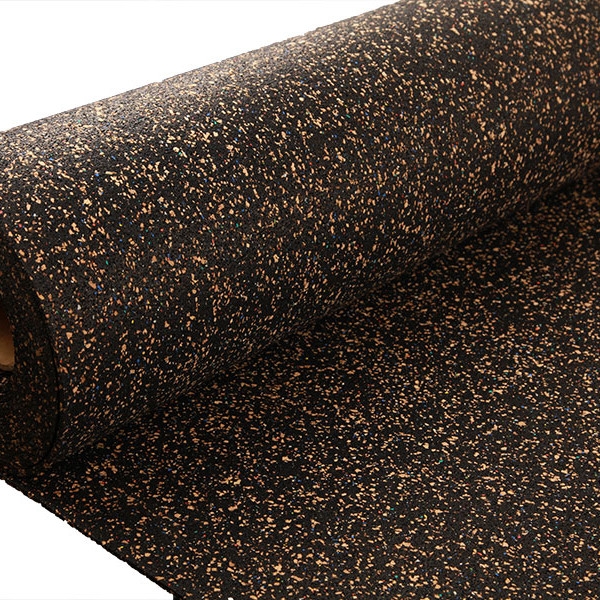
Neoprene Cork Material Sheets
Composite neoprene rubber and cork sheet offering controlled compression, flexibility and durability.
Suitable for sealing, vibration dampening, insulation, footwear components and fabrication work.
Easy to cut, shape, and laminate; compatible with foams and other substrates.
Supplied as 1m x 1m sheets with additional thicknesses and custom services available on request.
Sold: Sold per Sheet
Incl. VAT Exl. VAT
Product Description
Neoprene Flexible Composite Cork Sealing Sheets
A versatile composite sheet material combining neoprene rubber and cork to provide balanced flexibility, compressibility and vibration-dampening performance across clinical, industrial, and fabrication settings.
Best for: sealing, cushioning, vibration control, insulation, footwear components and specialist fabrication.
Not ideal for: high-temperature exposure beyond typical elastomer limits or applications requiring rigid structural support.
- Composite blend for controlled compression and resilience
- Suitable for cutting, shaping, and lamination
- Used across medical, industrial, and specialist making environments
What is it?
Neoprene cork material sheets are manufactured by combining neoprene rubber with finely granulated cork particles into a unified composite structure. This pairing brings together two complementary materials: neoprene rubber, known for its flexibility, resilience, and resistance to environmental exposure, and natural cork, valued for its compressibility, insulation properties, and ability to recover after load.
The resulting sheet material is designed to compress evenly under pressure while maintaining dimensional stability. This makes neoprene cork particularly useful where a balance of sealing performance, cushioning, and vibration reduction is required.
Unlike rigid cork or pure rubber sheets, the composite structure allows controlled deformation without excessive creep in typical working conditions.
Who is it for?
Neoprene cork sheets are used by a wide range of professional and specialist users who require predictable material behaviour and ease of fabrication.
- Orthotists and prosthetists producing foot orthoses or component layers
- Orthotic technicians and in-house hospital workshops
- Podiatry and sports medicine clinics with fabrication capability
- Footwear and insole developers requiring cushioning or lining materials
- Industrial technicians producing gaskets, seals and isolation pads
- Specialist shoe repairers and bespoke footwear makers
- Universities, training centres, and CPD providers
- Advanced DIY users and specialist craft makers
What is it used for?
The composite nature of neoprene cork allows it to perform across a wide variety of applications where sealing, damping, or insulation is required.
Typical applications
- Gaskets and seals for automotive, marine, and industrial use
- Footwear midsoles and internal linings
- Vibration and noise dampening pads for machinery and equipment
- Thermal and acoustic insulation layers
- Flooring underlayment beneath laminate, vinyl, or hardwood systems
- Protective packaging for fragile components
- Craft, display, and specialist DIY fabrication
- Sporting goods grips and handle components
Characteristics
- Controlled compressibility with recovery after load
- Flexible and easy to cut or shape
- Good vibration and noise absorption
- Resistant to moisture exposure in typical indoor and sheltered environments
- Balanced cushioning without excessive softness
How to work with it
The sheets can be cut using sharp knives, rotary cutters, or appropriate die-cutting equipment. For bonded applications, they may be laminated to compatible foams or substrates using suitable adhesives selected for elastomer materials.
The material is commonly supplied flat and can be layered to achieve greater thickness where required.
Expected use timeline
First use
On initial installation or fabrication, the material will compress slightly as it beds into place. This is a normal characteristic of cork-based composites and allows the sheet to conform to mating surfaces.
Ongoing use
Over weeks and months of use, neoprene cork is designed to maintain its functional thickness and sealing performance under typical working loads. Periodic inspection is recommended in mechanical or load-bearing applications to ensure continued suitability.
Problem and solution overview
| Common problem | How the material helps |
|---|---|
| Difficulty achieving a reliable seal on uneven surfaces | Compressible cork content allows the sheet to conform to surface irregularities |
| Excessive vibration or noise transfer | Composite structure absorbs vibration and dampens sound |
| Material tearing or cracking during installation | Neoprene rubber provides flexibility and tear resistance |
| Cold or noisy flooring systems | Acts as a cushioning and insulating underlayment layer |
| Fragile items damaged during transport | Provides shock absorption when used as protective packaging |
Key benefits
- Balanced combination of flexibility and compressibility
- Supports effective sealing without rigid components
- Reduces vibration and noise transmission
- Adaptable for industrial, clinical, and craft applications
- Can be cut, layered, or laminated to suit different uses
- Suitable for short-run prototypes and volume production
Common mistakes to avoid
- Assuming the material is suitable for extreme temperatures without verification
- Over-compressing the sheet beyond its intended working range
- Using incompatible adhesives that may degrade rubber components
- Expecting rigid structural support rather than cushioning or sealing performance
How to work with neoprene cork sheets
- Measure and mark the required dimensions accurately.
- Cut using a sharp blade or appropriate cutting equipment to avoid tearing.
- Dry-fit the piece to check alignment and coverage.
- If bonding, apply a suitable adhesive evenly and allow correct tack time.
- Apply controlled pressure during installation to seat the material evenly.
- Inspect after initial use to confirm compression and fit.
Technical specifications
| Sheet size | 1 m x 1 m |
|---|---|
| Standard thicknesses | 1.5mm, 3mm, 6mm |
| Additional thicknesses | Various thicknesses available on request |
| Material composition | Neoprene rubber and cork composite |
| Colour | Varies by batch |
| Form | Flat sheet |
| Custom services | Shape cutting and sheet lamination available for volume orders |
| Care and handling | Store flat in a dry environment away from direct heat sources |
Frequently asked questions
Can neoprene cork sheets be layered to increase thickness?
Yes. Sheets can be layered and bonded using suitable adhesives to achieve greater overall thickness where required.
Is this material suitable for footwear applications?
It is commonly used for midsoling and lining applications where controlled cushioning and durability are required.
Does the material provide waterproof sealing?
The neoprene component supports resistance to moisture, and when correctly installed, the material may help reduce ingress of water and air.
Can it be used for vibration isolation?
Yes. The composite structure is designed to absorb vibration and dampen noise in machinery and equipment applications.
Is it easy to cut for custom shapes?
The sheets can be cut using hand tools or cutting equipment, making them suitable for bespoke fabrication.
Are custom cut shapes available?
Shape cutting and lamination services can be provided for volume orders.
Complementary and pairing suggestions
- Compatible elastomer adhesives for rubber-based materials
- EVA or polyurethane foams for laminated cushioning systems
- Covering materials for footwear or orthotic assemblies
- Protective top layers for flooring or packaging systems
Written by: Algeos Product & Clinical Content Team
Last reviewed: February 2026
This content is intended to support informed product selection and material understanding. It does not provide diagnosis or medical advice.
Sold: 1 Litre
Incl. VAT Exl. VAT
Sold: Sold per Sheet
Incl. VAT Exl. VAT
Sold: Sold per Sheet
Incl. VAT Exl. VAT
Sold: Sold per Mini Sheet
Incl. VAT Exl. VAT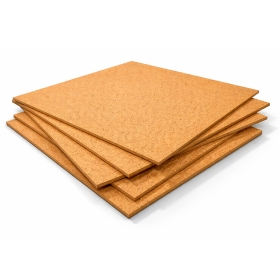
Sold: Sold per Sheet
Incl. VAT Exl. VAT
Sold: Sold per Sheet
Incl. VAT Exl. VAT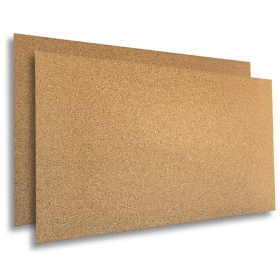
Sold: Sold per Sheet
Incl. VAT Exl. VAT
Sold: Each
Incl. VAT Exl. VAT
Sold: Pair
Incl. VAT Exl. VAT
Sold: Sold per Sheet
Incl. VAT Exl. VAT
Sold: Each
Incl. VAT Exl. VAT
Sold: Each
Incl. VAT Exl. VAT
Sold: Sold per Sheet
Incl. VAT Exl. VAT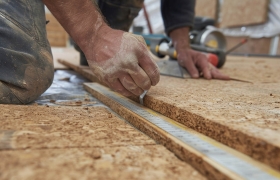
Sold: Sold per Sheet
Incl. VAT Exl. VAT