





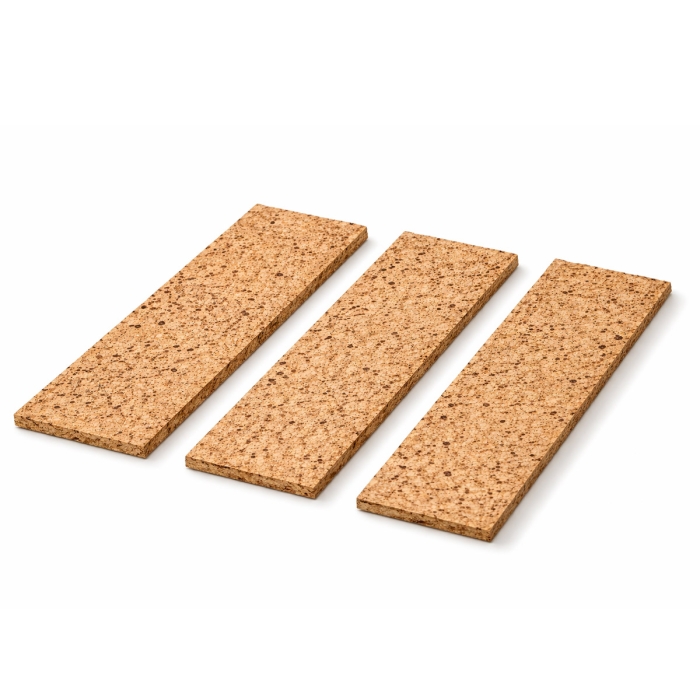
Natural Cork Material Slabs | Multiple Uses
Natural Portuguese Cork Material Slabs - versatile and sustainable material that opens up a world of possibilities.
Sourced from the bark of cork oak trees, our cork boasts an array of remarkable properties that make it the ideal choice for a multitude of applications.
Sold: Each
Incl. VAT Exl. VAT
Product Description
Natural Cork Slabs for Fabrication
Premium-grade natural cork slabs designed for footwear manufacturing, orthotic fabrication, insulation, and sustainable product development.
Best for: Footwear components, orthotic builds, insulation panels, sound control applications, craft and prototyping work.
Not ideal for: High-impact structural load-bearing applications or prolonged exposure to standing water.
- Harvested from renewable cork oak bark
- Excellent thermal and acoustic properties
- Easy to cut, shape, and bond
What is it?
Natural Portuguese Cork Material Slabs are solid cork sheets produced from sustainably harvested cork oak bark. The bark is carefully removed without damaging the tree, allowing it to regenerate over time. This renewable harvesting process makes cork one of the most environmentally responsible natural materials available.
Cork’s unique cellular structure contains millions of microscopic air-filled cells. These cells provide natural insulation, cushioning, flexibility, and sound absorption. The material is lightweight yet resilient, making it particularly valuable in orthotic labs, footwear production, and specialist fabrication environments.
Each slab measures approximately 30cm x 10cm and is available in various thicknesses to suit different applications. The natural texture and density provide a balance between firmness and compressibility, making it suitable for both structural and comfort-focused components.
Who is it for?
Natural cork slabs are used by a wide range of professionals and specialist makers who require a reliable, workable, and sustainable material.
- Orthotists and prosthetists producing custom orthotic devices
- Orthotic technicians and fabrication labs
- Footwear manufacturers and insole developers
- Sports podiatrists and MSK clinics producing custom modifications
- Specialist shoe repairers and bespoke footwear makers
- Universities and training institutions teaching fabrication techniques
- Product designers developing sustainable product lines
- Advanced DIY makers and model builders
What is it used for?
Applications
- Orthotic insoles and arch supports
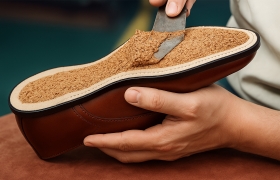
- Footbeds and midsoles in footwear manufacturing
- Heel lifts and wedging components
- Outsole reinforcement layers
- Cork board and bulletin board fabrication
- Wall tiles and decorative panels
- Thermal insulation panels
- Sound-reducing lining material
- Craft, prototyping, and model construction
Characteristics
- Excellent heat management properties
- Natural sound absorption due to cellular structure
- Lightweight yet dimensionally stable
- Resistant to mould and mildew under normal conditions
- Inherently discourages insect infestation
- Compressible with recovery under moderate loads
- Easy to cut, sand, and bond with appropriate adhesives
Typical Users
Common users include clinical orthotic services, private podiatry clinics producing in-house devices, footwear R&D teams, sustainable product designers, and teaching hospitals delivering fabrication training.
How to work with it
Cork slabs can be cut using sharp knives, band saws, or precision cutting tools. They can be sanded to refine contours and bonded using appropriate contact adhesives. When used in orthotic or footwear builds, cork is often combined with EVA, rubber, or top cover materials to create layered constructions.
Due to its natural composition, slight variations in colour and texture may occur between slabs. These variations do not affect functional performance.
Expected Use Timeline
First use
When incorporated into insoles or footwear components, cork provides immediate cushioning and thermal comfort. In insulation or sound-control applications, benefits are noticeable upon installation.
Ongoing use (weeks and beyond)
Over time, cork may gradually conform to applied pressure patterns in footwear applications, contributing to personalised comfort. In structural or insulation uses, cork maintains dimensional stability when protected from excessive moisture and mechanical overload.
Longevity depends on load conditions, environmental exposure, and integration method.
Common Problems and How This Material Helps
| Common problem | How the product helps |
|---|---|
| Cold flooring or heat loss through surfaces | Cork’s cellular structure helps manage heat transfer and supports thermal insulation. |
| Noise transmission between rooms | The natural air-filled cells absorb sound energy and reduce vibration transfer. |
| Uncomfortable footwear components | Cork provides natural cushioning and moderate shock absorption in insoles and footbeds. |
| Need for sustainable materials in manufacturing | Harvested without harming trees, cork supports environmentally responsible production. |
| Requirement for lightweight structural filler | Cork offers low density with useful compressive resilience for moderate-load applications. |
Key Benefits
- Renewable and responsibly harvested natural material
- Excellent thermal insulation and heat management properties
- Effective sound absorption for quieter environments
- Lightweight with natural shock-absorbing characteristics
- Resistant to mould and insect degradation under normal conditions
- Versatile across footwear, orthotic, and construction applications
Common Mistakes to Avoid
- Using cork as a primary load-bearing structural component where high compressive strength is required
- Exposing untreated cork to prolonged water saturation
- Assuming all thicknesses provide identical support characteristics
- Failing to select appropriate adhesives for bonding layered constructions
How to Work With Natural Cork Slabs
- Measure and mark the required dimensions accurately before cutting.
- Cut using a sharp blade or suitable workshop cutting tool.
- Sand edges and surfaces lightly to refine contours if required.
- Dry-fit components before bonding to confirm alignment.
- Apply a suitable adhesive evenly and allow appropriate curing time.
- If used in footwear or orthotic builds, apply a compatible top cover or reinforcement layer as needed.
Always assess suitability for the intended application, particularly where weight-bearing or environmental exposure is involved.
Technical specifications
| Specification | Detail |
|---|---|
| Material | Natural Portuguese cork |
| Dimensions | Approximately 30cm x 10cm |
| Thickness options | Various thicknesses available |
| Colour | Natural cork tone (may vary slightly) |
| Density | Varies by thickness and batch |
| Water resistance | Resistant to occasional moisture; not designed for prolonged saturation |
| Fit orientation | Universal sheet format |
| Pack contents | Individual cork slab |
Frequently Asked Questions
Can cork slabs be used for custom orthotic insoles?
Yes. Cork is commonly used as a base or structural layer in custom orthotic devices. It may help provide natural cushioning and moderate support when combined with other materials.
Is cork suitable for footwear midsoles?
Cork can be used in midsoles and footbeds where lightweight cushioning and thermal comfort are desired. It is typically combined with other materials for durability and performance balance.
Does cork resist mould and insects?
Cork naturally resists mould growth and is generally unattractive to insects under normal indoor conditions. Proper storage and installation further reduce risk.
Can it be used for soundproofing?
Cork supports sound absorption and vibration reduction. It may help reduce noise transmission but should be part of a considered acoustic design for optimal results.
How long does cork last in footwear applications?
Durability depends on load, activity level, and construction method. When properly integrated into layered designs, cork can provide sustained performance over time.
Is cork environmentally sustainable?
Yes. Cork is harvested from the bark of cork oak trees without cutting the tree down. The bark regenerates, making it a renewable and environmentally responsible material.
Complementary and Pairing Suggestions
- EVA sheets for layered orthotic constructions
- Top cover materials for insoles and footbeds
- Contact adhesives suitable for cork bonding
- Heel lift and wedging materials
- Protective surface coatings for decorative applications
Written by: Algeos Product & Clinical Content Team
Last reviewed: May 2026
This content is provided for buyer guidance and general product understanding. It is not a substitute for professional assessment, diagnosis, or medical advice.
Sold: Sheet
Incl. VAT Exl. VAT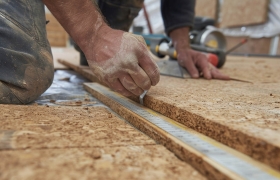

Sold: Each
Incl. VAT Exl. VAT