



The Remarkable Story of a Fastener That Changed Everyday Life
By Marc Cameron, Algeos
Most people barely notice hook and loop fastening until it saves them time. It closes a child’s shoe in seconds, secures a blood pressure cuff without fuss, keeps tools in place during flight and lets a brace be tightened with one hand. It is so familiar that its brilliance can disappear into the background.
Yet this unassuming fastening system has one of the most elegant origin stories in industrial history. What began with burrs stuck to a dog after a walk in the Alps became a global lesson in biomimicry, engineering persistence and the quiet power of good design.
Definition box
Hook and loop fastening
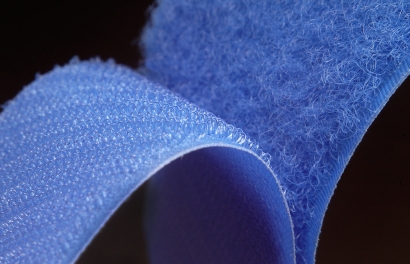
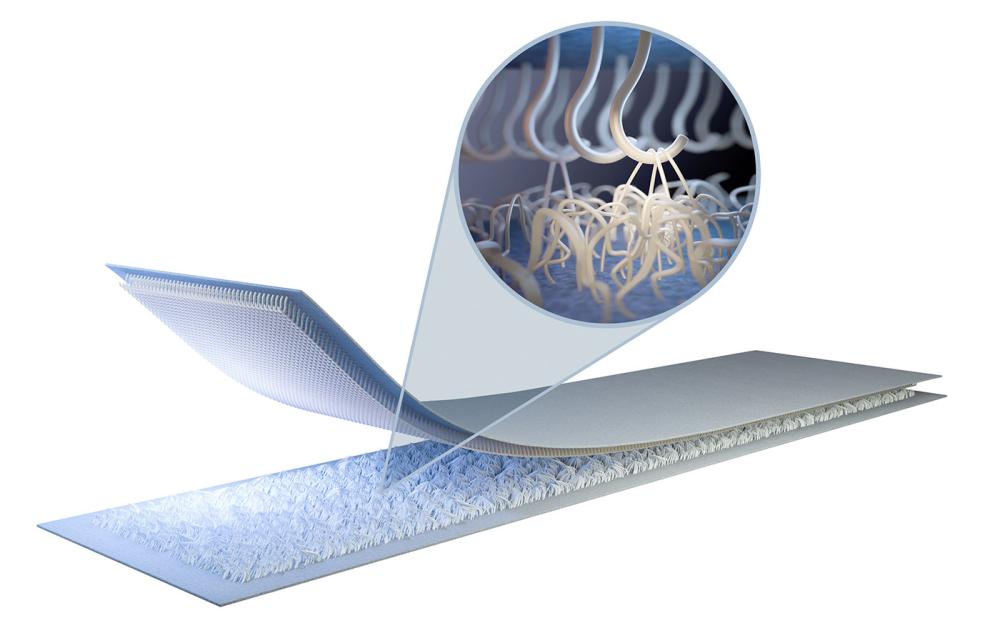
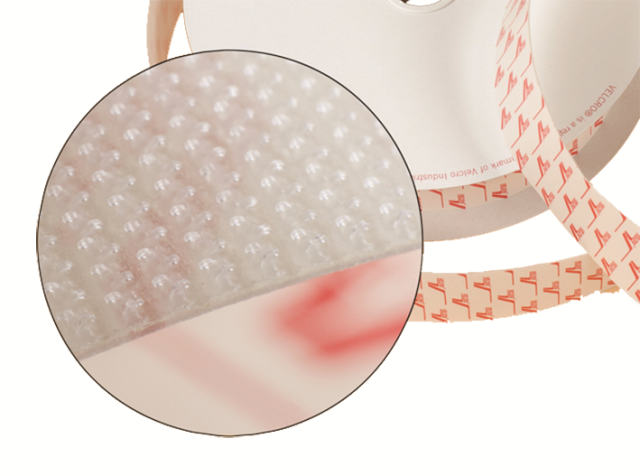
A reclosable fastening system made from two surfaces - one covered in tiny hooks and the other in soft loops. When pressed together the hooks catch the loops to create a secure but adjustable closure that can be opened and reused repeatedly.
The moment that changed fastening forever
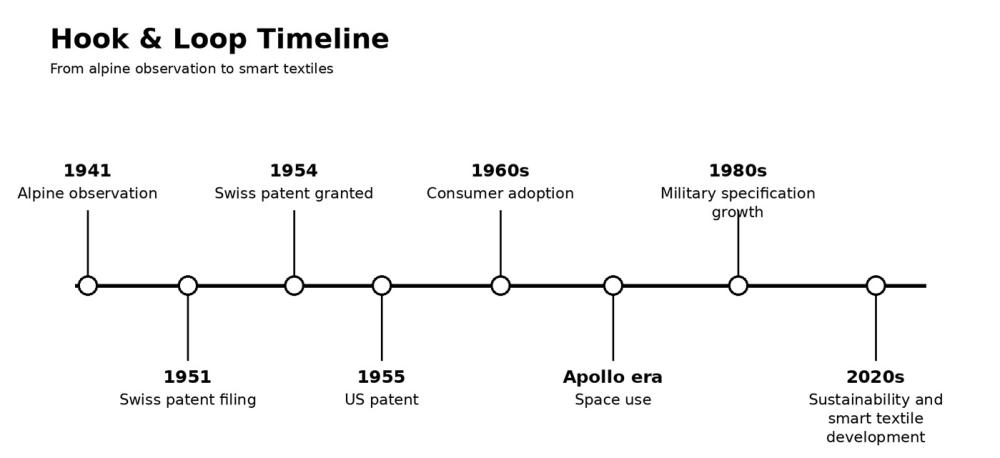
The now-famous origin story belongs to Swiss engineer George de Mestral. In 1941, after returning from a walk in the Alps with his dog, he noticed burdock burrs stubbornly attached to fabric and fur. Instead of treating them as a nuisance, he examined them under magnification and saw something extraordinary: tiny hooks gripping onto loops in cloth and hair.
That single observation led to a simple but transformative idea. What if the same principle could be reproduced artificially? One side could carry hooks, the other loops, and the two could be joined and separated again and again. It was not just a clever thought. It was a practical translation of a natural mechanism into an everyday tool.
This is why the story still resonates. Long before “biomimicry” became a fashionable term, de Mestral had already shown what it could mean in practice. Nature had solved a fastening problem without glue, zips or knots. The answer was shape. His genius was recognising that the burr’s design was not accidental but functional - and then finding a way to reproduce it at industrial scale.
Why this small invention matters so much
Hook and loop fastening matters because it solved a universal problem with unusual elegance. Traditional fasteners often require dexterity, alignment or permanent force. Buttons must be threaded, buckles adjusted, laces tied, and zips positioned carefully. Hook and loop offered something different: speed, repeatability and flexibility.
That made it valuable not only in clothing but in any situation where users needed to fasten, unfasten and re-fasten quickly. It was useful for children learning independence, older adults who found laces difficult, clinicians fitting braces, engineers organising equipment and astronauts securing objects in zero gravity. Few inventions scale so smoothly from domestic convenience to specialist performance.
Its deeper importance lies in how it changed expectations. People began to expect products to be easier to use, quicker to adjust and more forgiving in real-life settings. In that sense, hook and loop was not merely a new fastener. It was part of a broader shift towards user-centred design.
Hook & Loop Illustrated
How it works - and why it took years to perfect
The principle behind hook and loop is easy to explain. The challenge was making it durable enough to manufacture and reuse. Early experiments with cotton failed because the material wore out too quickly. Synthetic fibres, particularly nylon, proved much more suitable because they could be heat-treated and shaped with consistency.
That development process took years. De Mestral’s breakthrough was not a single flash of inspiration but a long period of testing, redesign and refinement. Historical accounts from Velcro Companies and the Smithsonian’s Lemelson Center describe nearly a decade of work before the concept became commercially viable. This matters because invention is often romanticised as instant genius. In reality, even brilliant ideas need patience, material science and manufacturing discipline.
The brand name Velcro itself came from the French words velours and crochet - velvet and hook. That neat piece of naming captured the logic of the system while also helping establish one of the most recognisable product identities of the twentieth century. Over time, that very success created a branding problem: many people began using “Velcro” as a generic term for all hook and loop fasteners, even though it is a trademark rather than the category name.
From slow adoption to everyday use
Like many functional innovations, hook and loop was not embraced overnight. Established fasteners already dominated clothing, footwear and equipment. To gain traction, the new system had to prove that it solved real problems better than buttons, buckles, snaps and laces.
Once manufacturers recognised its advantages, adoption accelerated. By the late 1960s it was appearing on shoes, gloves and jackets. For children, it made dressing easier. For sportswear, it enabled rapid adjustment. For workwear and utility garments, it improved practicality. It fitted perfectly with a post-war culture increasingly shaped by convenience and usability.
How space and industry turned it into serious technology
Its role in space exploration gave hook and loop a powerful cultural boost. NASA records show it was used during the Apollo era to secure checklists, equipment and pocketed items in spacecraft and on the lunar surface. In weightlessness, loose objects become hazards. A fastening that could quickly secure items to suits, walls or panels was not merely convenient - it was essential.
That association with space mattered because it reframed public perception. Hook and loop was no longer just a helpful consumer shortcut. It had become a trusted engineering solution used in one of the most demanding environments imaginable.
Military and industrial sectors reinforced that status. In uniforms, packs, transport interiors, protective equipment and cable management, hook and loop delivered fast access and modular organisation. Industrial users valued what good designers always value: less friction, fewer tools and faster repeatable tasks.
A fastening family rather than a single product
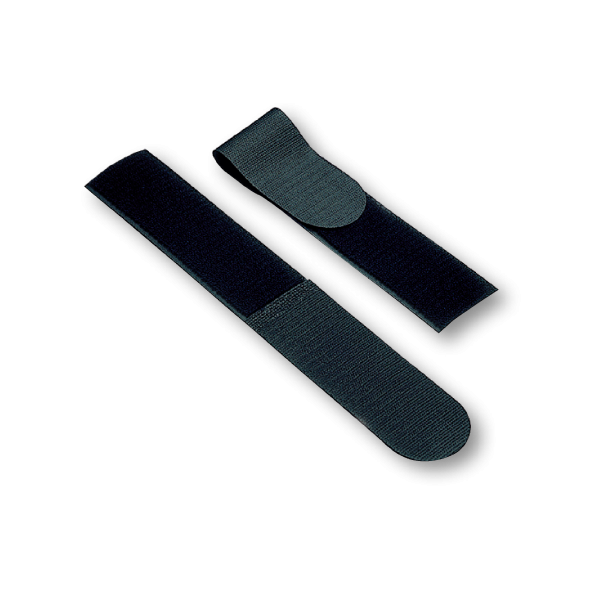
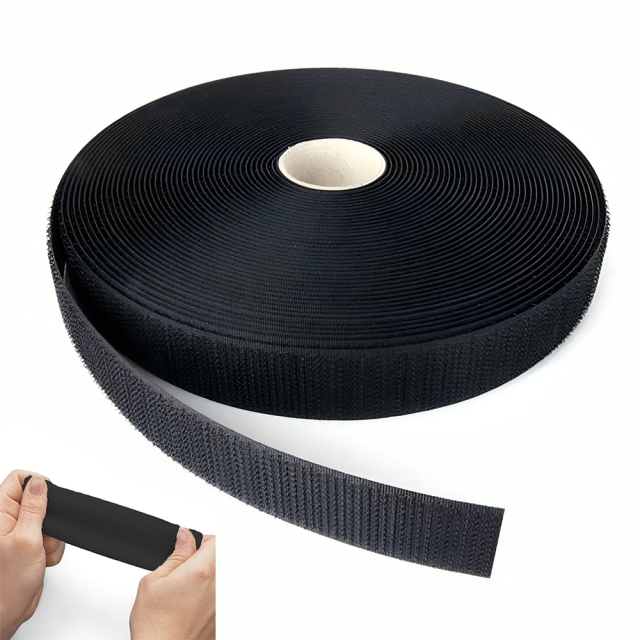
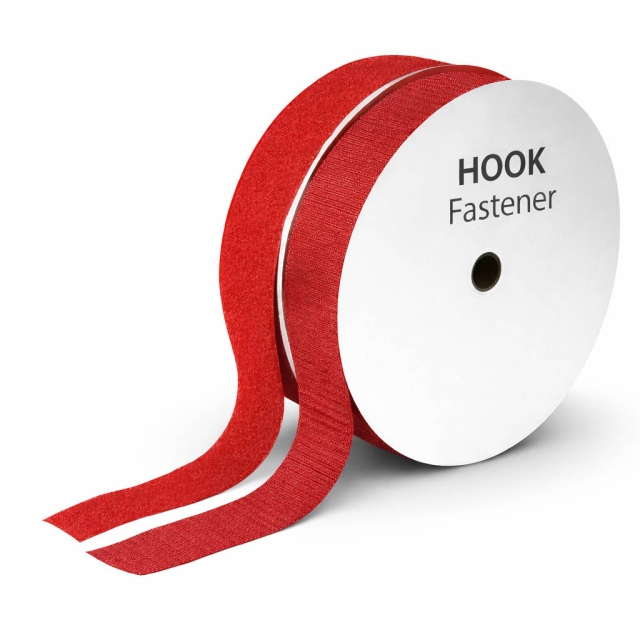
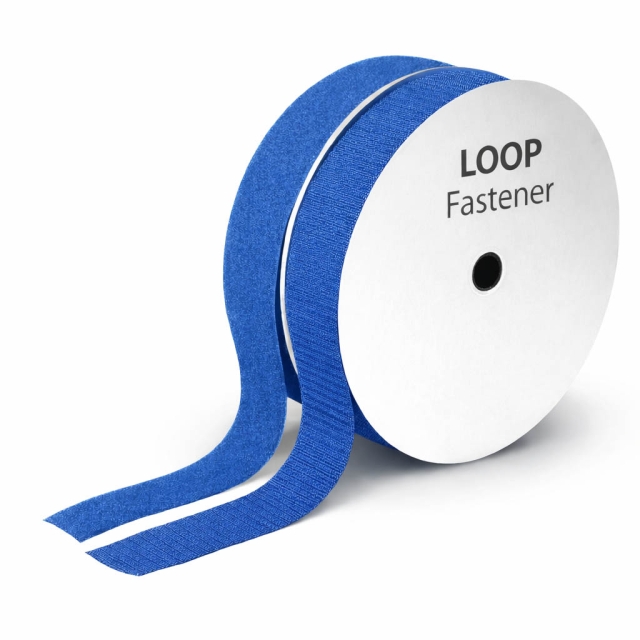
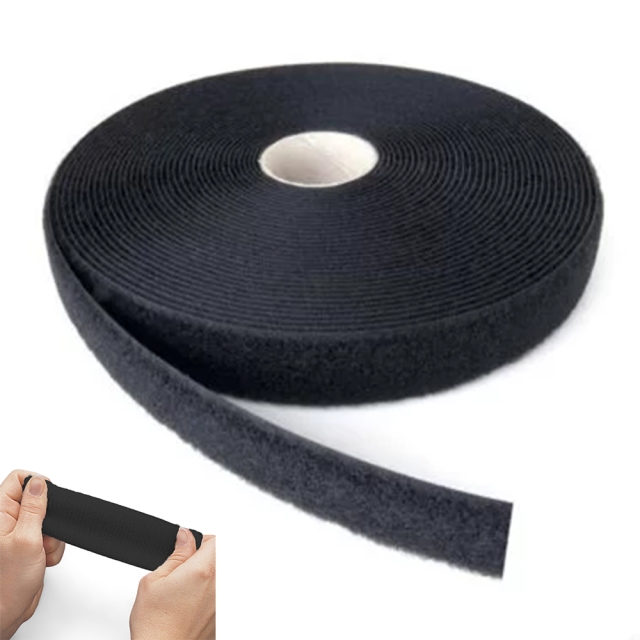
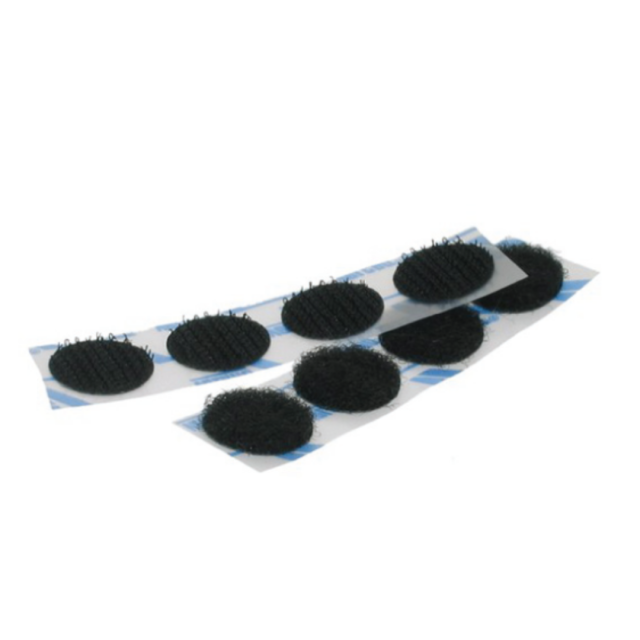
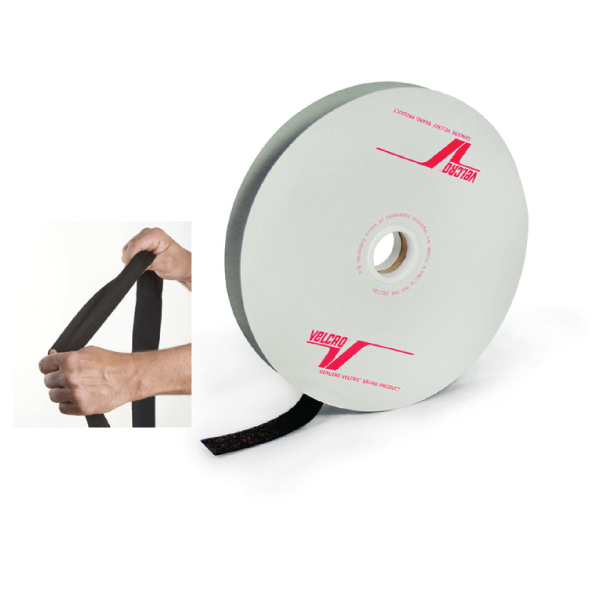
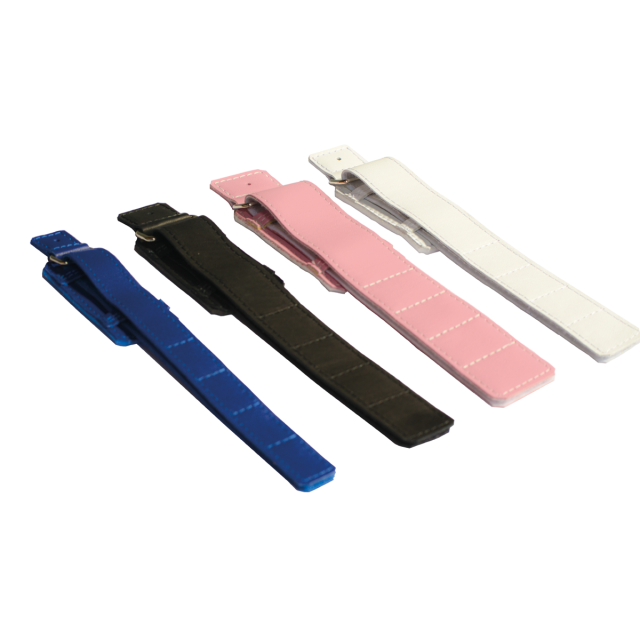
Today, hook and loop is not one standard strip but a broad family of solutions. There are sew-on versions for textiles, adhesive-backed formats for smooth surfaces, moulded hooks for durability, reusable cable wraps, heavy-duty grades for industrial use and medical-grade variants designed for comfort and repeated adjustment.
That diversity explains why the product has endured. It evolved. Manufacturers changed hook density, backing materials, adhesives, wash performance and profile height to meet the needs of different sectors. What began as a textile-inspired fastener gradually became a platform technology.
| Application area | Main benefit | Typical use |
|---|---|---|
| Footwear and apparel | Quick fastening and adjustment | Children’s shoes, jackets, gloves |
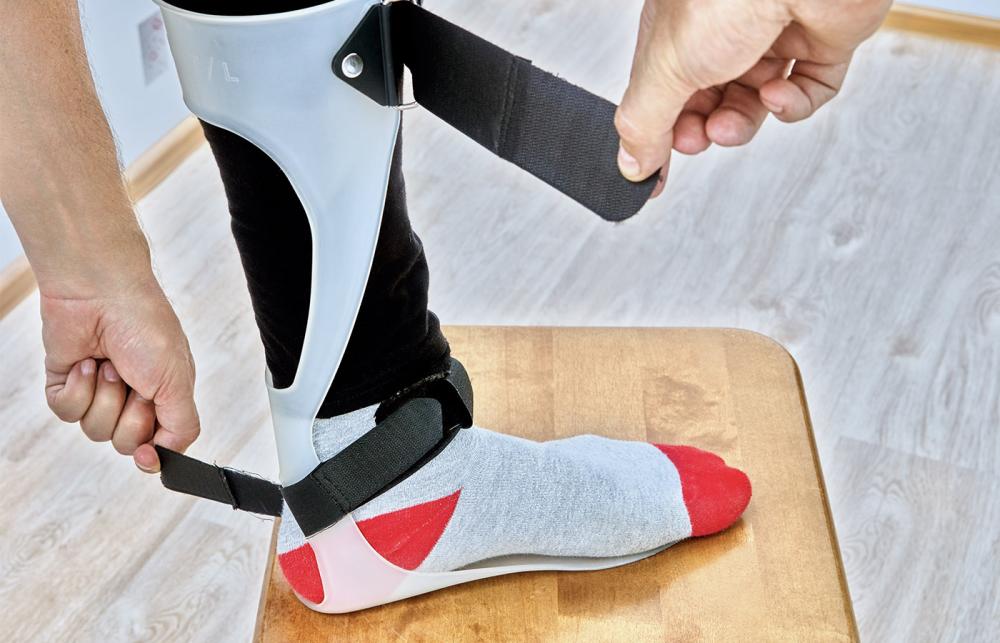
| Healthcare | Easy re-fitting and comfort | Braces, cuffs, wearable supports |
| Military and tactical | Modularity and fast access | Uniforms, pouches, packs |
| Industrial and transport | Temporary fixing and organisation | Panels, cable management, interiors |
| Aerospace | Secure placement in low gravity | Tools, checklists, onboard equipment |
Why healthcare has become one of its most important homes
Among modern applications, healthcare stands out. Medical and orthopaedic products often need something rigid fasteners cannot offer: controlled adjustability. Swelling changes. Compression levels vary. Braces need re-fitting. Devices must stay secure while remaining easy to remove.
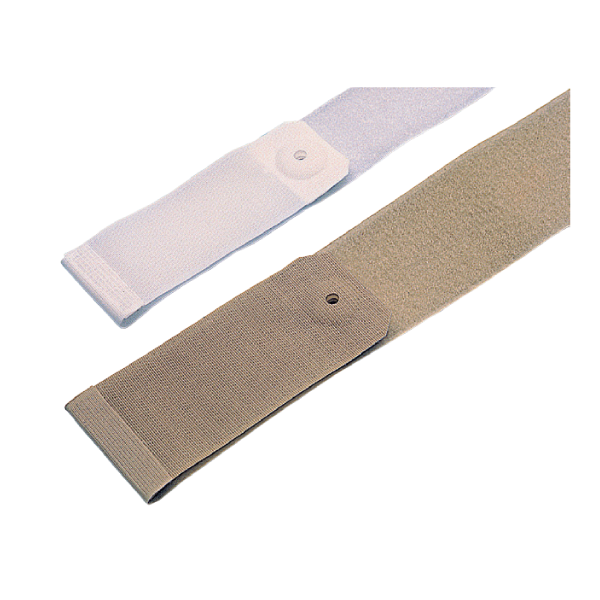
Hook and loop is ideal in these situations because it allows repeated micro-adjustment without complicated instruction. It can be tightened, loosened and repositioned by clinicians, carers or patients themselves. That makes it especially useful in orthopaedics, rehabilitation, blood pressure cuffs, protective garments and wearable medical devices.
Its continued relevance in healthcare also reflects a wider shift towards accessibility and patient-centred design. A fastening is not successful simply because it holds. It must also be manageable under stress, suitable for changing bodies and intuitive for real-world users. Hook and loop excels because it supports those needs with very little training.
The limits designers still have to respect
No fastening system is perfect and hook and loop is no exception. The hooks can clog with lint and debris. Repeated use can reduce performance. The opening sound is distinctive and sometimes unwelcome. In fashion contexts, some users find it visually less refined than concealed zips or buttons.
These limitations have not diminished its value. Instead, they have clarified where it performs best. Mature design depends on knowing not just what a material can do but where it should and should not be used. Hook and loop thrives when adjustability, speed and access matter more than silence or formality.
The future - sustainability, repairability and smart textiles
The next phase of hook and loop is likely to be shaped by two big forces: sustainability and intelligence. Traditional versions rely heavily on synthetic polymers such as nylon and polyester. That creates familiar questions about petrochemical inputs, recyclability and end-of-life waste. In response, manufacturers are exploring recycled content, design-for-recycling approaches and improved material recovery.
At the same time, smart textile research points towards a future in which fabrics do more than cover and support. Textile systems are increasingly being designed to sense movement, monitor health, deliver therapy and collect data. In those products, fastening becomes more important rather than less. Sensors and therapeutic elements work only when garments and soft devices stay correctly positioned on the body.
That gives hook and loop a strong future in healthcare and rehabilitation. It is easy to imagine braces, remote-monitoring garments and home therapy systems that combine flexible electronics with softer, quieter and more sustainable hook and loop closures. The fastener itself may not look futuristic, but it could become a critical enabling layer inside much smarter products.
There is also a broader cultural shift working in its favour. As consumers and designers place more value on repairability and modularity, reversible fastening becomes newly attractive. A connection that can be opened without damage supports maintenance, cleaning, customisation and longer product life. What once looked like simple convenience now aligns closely with circular design.
What users say
Users rarely praise hook and loop in poetic language, but their feedback is remarkably consistent. Parents value independence. Clinicians value quick adjustment. Industrial teams value speed and organisation. People with limited dexterity value simplicity. Engineers value modularity. The common theme is not novelty but friction reduction. It makes tasks easier.
That may be the strongest argument for its staying power. The most durable technologies are often the ones that solve everyday problems so effectively that we stop noticing them.
Step-by-step: how hook and loop became a global standard
- Observation: George de Mestral notices burrs clinging to clothing and fur.
- Analysis: He studies the burr structure and identifies the hook-and-loop mechanism.
- Experimentation: Early materials fail, prompting years of development.
- Material breakthrough: Nylon proves durable and manufacturable.
- Patent protection: Formal patents establish the invention commercially.
- Consumer adoption: Footwear and apparel bring the system into daily life.
- Technical validation: Aerospace, military and industry demonstrate serious performance value.
- Specialisation: Medical, industrial and heavy-duty variants expand the category.
- Future transition: Sustainability and smart textiles drive the next wave of innovation.
FAQ
Who invented hook and loop fastening?
Swiss engineer George de Mestral is credited with inventing it after observing burdock burrs attached to clothing and animal fur in 1941.
Is Velcro the same as hook and loop?
No. Hook and loop is the generic fastening type. VELCRO is a trademarked brand name associated with products made by Velcro Companies.
Why was hook and loop considered innovative?
It offered a reusable, adjustable and easy-to-use fastening method inspired directly by nature. It replaced more fiddly closures in many settings.
Why is it widely used in healthcare?
Because it allows repeated adjustment, accommodates changes in fit and can be used easily by clinicians, carers and patients.
Was hook and loop really used in space?
Yes. NASA used hook and loop fasteners during the Apollo era to secure equipment, checklists and suit-mounted items in spacecraft and on missions.
What are its main disadvantages?
It can collect lint, lose performance over time, create noise when opened and look less refined in some fashion applications.
What is next for hook and loop technology?
Likely developments include more sustainable materials, lower-profile designs, improved recyclability and integration into wearable medical and smart textile systems.
References and research sources
- Velcro Companies - The history of VELCRO Brand hook and loop fasteners
- Smithsonian Lemelson Center - George de Mestral and Velcro
- NASA Apollo Lunar Surface Journal - Equipment and fastening references
- Velcro Companies - News and innovation updates
- Textile Exchange - Recycled Claim Standard
- Chemical Engineering Journal - Smart textile research archive
- Nature Reviews Materials - Wearable materials and textile systems
- Communications Materials - Advanced materials research


Sold: Pack of 25
Incl. VAT Exl. VAT