




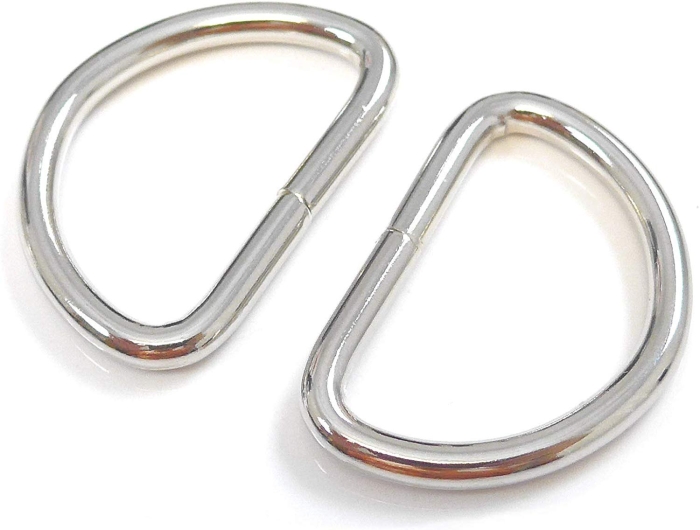
D Ring Strap Connectors - 1000 Pieces
Durable D-shaped connector for strap, webbing, and fastening systems.
Designed to maintain strap alignment and distribute load evenly.
Suitable for medical, orthotic, industrial, and general hardware use.
Supplied in bulk packs of 1000 for workshops and production environment.
Sold: 1000 Rings
Incl. VAT Exl. VAT
Product Description
D Ring Durable Strap Connectors
A simple, strong D-shaped connector designed to provide a reliable attachment or anchor point for straps, fastenings, and adjustment systems across a wide range of professional and practical applications.
Best for: Strap-based systems where alignment, load distribution, and repeatable adjustment are required.
Not ideal for: Applications requiring locking mechanisms or quick-release functions.
- Simple, time-tested hardware design
- Compatible with webbing, straps, and elastic systems
- Supplied in bulk packs for workshop and production use
What is it?
A D-ring is a small piece of hardware shaped like the letter “D”. It is typically manufactured from metal or high-strength plastic and used as a connector or anchor point within strap and fastening systems.
The flat side of the “D” provides a stable surface for load-bearing, while the curved side allows straps or bands to move smoothly during use.
This shape has been widely adopted across medical, orthotic, industrial, and consumer products because it offers a balance of strength, simplicity, and reliability without introducing unnecessary complexity.
Who is it for?
D-rings are used by a broad range of professionals and technical users who require dependable fastening components as part of larger systems.
- Orthotists and prosthetists
- Orthotic technicians and fabrication labs
- NHS and hospital in-house workshops
- Podiatry and MSK clinics with in-house modification capability
- Medical device and orthotic product manufacturers
- Footwear, brace, and insole developers
- Universities, teaching hospitals, and training centres
- Specialist footwear makers and repairers
- Advanced DIY users and specialist makers
What is it used for?
D-rings act as fixed or semi-mobile connection points within a system. They are commonly integrated into products where straps need to be threaded, tensioned, adjusted, or secured without twisting or uneven loading.
Common applications
- Straps and fastenings on orthoses, braces, and supports
- Medical and rehabilitation products for attaching tension bands or adjustment straps
- Belts, harnesses, and positioning systems
- Clothing and PPE for fit adjustment or accessory attachment
- Animal collars, leads, and harnesses
- Sports and outdoor equipment such as backpacks, resistance bands, and yoga straps
Characteristics
- D-shaped profile for improved load distribution
- Straight edge helps keep straps aligned
- Curved edge allows controlled movement under load
- Minimal bulk with good strength-to-size ratio
Typical users
- Clinical and technical teams assembling custom devices
- Manufacturers producing strap-based products at scale
- Workshops carrying out repairs or modifications
How to work with it
D-rings are usually sewn, riveted, or otherwise fixed into place as part of a strap assembly. Once installed, webbing or elastic can be threaded through the ring to create adjustable loops, anchors, or tension points.
Expected use timeline
First use: Once installed into a strap or fastening system, the D-ring provides immediate structural support and alignment. No conditioning or preparation period is required beyond correct installation.
Ongoing use (weeks and months): Over time, D-rings are expected to maintain their shape and function under normal working loads. Regular inspection is recommended in clinical or safety-critical environments to ensure continued integrity of both the ring and the surrounding strap material.
Problem → solution
| Common problem | How the D-ring helps |
|---|---|
| Straps twisting or sitting unevenly under load | The straight side of the D helps keep straps aligned and flat |
| Uneven stress on strap edges | The curved side allows smooth movement without sharp bends |
| Limited adjustment range in fastening systems | D-rings allow easy re-threading and incremental adjustment |
| Need for a simple, durable connector | The one-piece design offers reliability with minimal components |
Key benefits
- Simple, proven design suitable for a wide range of products
- Supports even load distribution across straps and webbing
- Compatible with many strap widths and materials
- Easy to integrate into new designs or existing products
- Low-profile hardware that does not add unnecessary bulk
- Supplied in bulk packs to support production and workshop efficiency
Common mistakes to avoid
- Using a D-ring size or material that is not matched to the strap load
- Assuming the ring provides locking or security on its own
- Incorrect installation that places stress on the ring edges
- Failing to inspect hardware regularly in high-use or clinical settings
How to work with
- Select a D-ring size and material appropriate for the intended load and strap width.
- Fix the straight side of the D-ring securely into the strap using stitching, riveting, or approved fastening methods.
- Thread the working strap or band through the curved side to allow adjustment.
- Check alignment to ensure the strap lies flat and moves smoothly.
- Inspect periodically for wear to both the ring and surrounding materials.
Technical specifications
| Product type | D-shaped connector ring |
|---|---|
| Materials | Steel / stainless steel or strong plastic (varies by option) |
| Finish | Varies by material option |
| Sizes | Varies by option |
| Colour | Varies by material option |
| Orientation | Universal |
| Pack size | Supplied in packs of 1000 |
| Care and maintenance | Inspect regularly; clean as appropriate for material |
Frequently asked questions
Is a D-ring suitable for medical and rehabilitation products?
Yes. D-rings are commonly used in medical and rehab devices as attachment points for straps and adjustment systems when selected in appropriate materials and sizes.
Does the D-ring lock the strap in place?
No. A D-ring provides an anchor or guide point but does not lock the strap. Locking depends on the overall strap design or additional hardware.
Can D-rings be used with elastic as well as webbing?
They can be used with both, provided the material and size are suitable for the forces involved.
How long do D-rings typically last?
Service life depends on load, frequency of use, and environment. Regular inspection is recommended, especially in professional or clinical settings.
Are these suitable for outdoor or high-moisture environments?
Material choice is important. Stainless steel or suitable plastics may be preferred where moisture exposure is expected.
Can they be reused in repairs or modifications?
In many cases yes, provided the ring shows no signs of deformation, corrosion, or damage.
Complementary and pairing suggestions
- Webbing straps and elastic bands
- Hook-and-loop fastening systems
- Buckles and adjusters
- Padding and strap covers for comfort
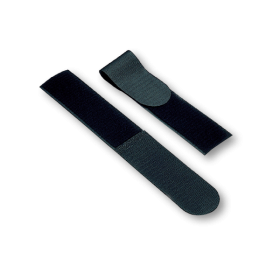
Sold: Pack of 25
Incl. VAT Exl. VAT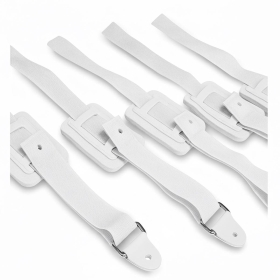
Sold: Pack of 5 Straps
Incl. VAT Exl. VAT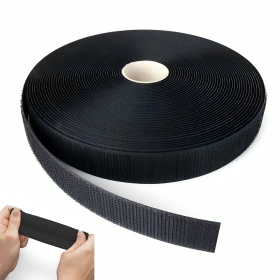
Sold: Sold per Metre - Increments: 25
Incl. VAT Exl. VAT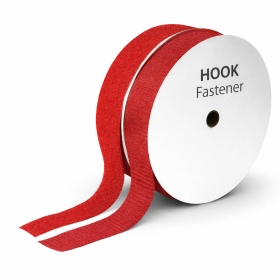
Sold: Sold per Metre - Increments: 25
Incl. VAT Exl. VAT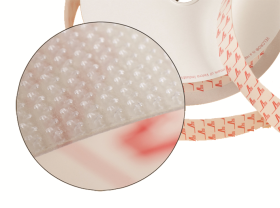
Sold: Roll 25m
Incl. VAT Exl. VAT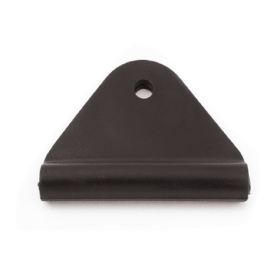
Sold: 1000
Incl. VAT Exl. VAT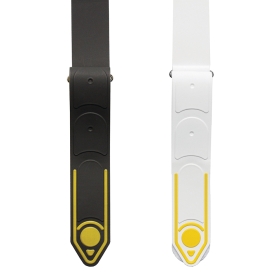
Sold: Pack of 10
Incl. VAT Exl. VAT
Sold: Min Order: 50 Metres
Incl. VAT Exl. VAT
Sold: Pack of 1000
Incl. VAT Exl. VAT
Sold: Sold Individually
Incl. VAT Exl. VAT
Sold: 1000 Rings
Incl. VAT Exl. VAT