




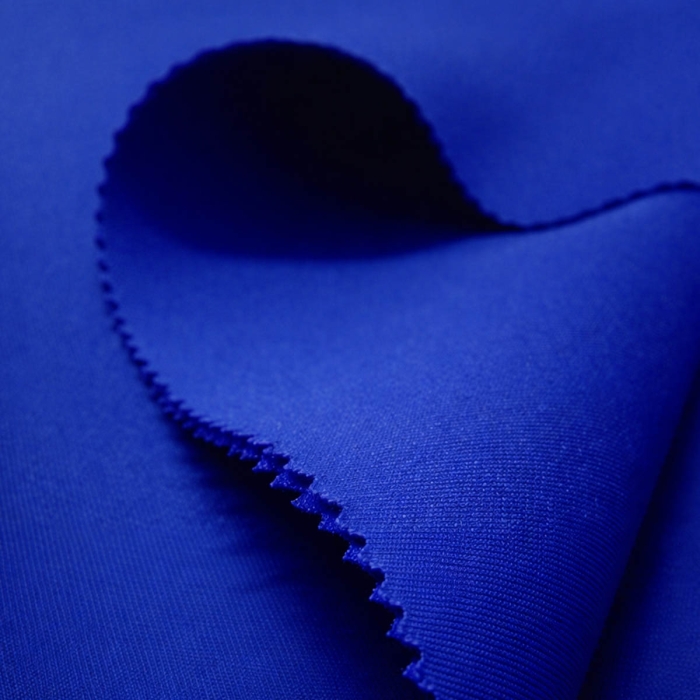
Neoprene Textile Material - Single Lined - Various Colours
Neoprene is a strong, flexible textile known for its tensile strength, impact resistance and durability.
It is widely used for padding, support and waterproofing in products such as orthotic insoles, joint supports, wetsuits and protective covers.
Its popularity comes from its ability to resist water, heat and everyday wear while still remaining stretchy and comfortable.
Neoprene is also easy to cut and shape, making it a practical choice for healthcare, sports and DIY applications.
It offers a useful balance of comfort, shock absorption and flexibility.
Sold: 1.8m x 1m
Incl. VAT Exl. VAT
Product Description
Neoprene Material - Single Lined - Various Colours
This single-lined neoprene is a closed-cell synthetic rubber material designed for projects that need cushioning, insulation, flexibility and water resistance in one workable sheet.
It is commonly chosen for orthotic fabrication, support products, protective covers, sports applications and general workshop use.
The lined finish adds comfort and usability in finished products, while the neoprene core helps with shock absorption, thermal retention and durability. It is easy to cut and shape, making it a practical option for both clinical fabrication and broader industrial or DIY applications.
Key selling points
- Closed-cell neoprene helps provide insulation and resistance to water absorption.
- Single-lined construction adds a practical textile finish for comfort and handling.
- Useful for padding, support, waterproofing and protective applications.
- Flexible and easy to cut for custom fabrication work.
- Durable material with resistance to wear, weathering and ageing.
- Latex-free construction for sensitive-use environments.
At a glance
- Material type: Single-lined closed-cell neoprene
- Colour options: Various colours
- Typical size shown: 1.8m x 1m
- Use cases: Orthotics, supports, padding, wetsuit-style applications, covers and workshop fabrication
- Key properties: Flexible, insulating, cushioning, water resistant and durable
- Ordering: Bulk ordering available
What it does and how it works
Single-lined neoprene combines a closed-cell rubber base with a textile lining on one side. In practical use, that means the material can help cushion impact, reduce friction, retain warmth and provide a more comfortable interface in wearable or padded products.
The closed-cell structure helps resist water and air absorption, which supports durability in damp or humid settings. At the same time, the material stays flexible enough to be cut, shaped and adapted for bespoke fabrication, making it useful across healthcare, sports and industrial settings.
Common problems it may help with
Padding and pressure reduction
Useful where a softer contact layer is needed to improve comfort in supports, braces, liners and protective products. The cushioning properties help reduce harsh contact and improve wearability.
Thermal retention
Helpful in products where warmth and insulation are beneficial. This makes it suitable for supportive garments, braces and water-related applications where heat retention matters.
Shock absorption
Suitable for applications where repeated loading, minor impact or general protective cushioning is required. It can help improve comfort and material performance in finished builds.
Water-resistant fabrication
Useful in projects that need a more moisture-resistant material than standard open-cell foams or textile-only layers. This makes it a practical choice for covers, supports and demanding everyday use.
Applications and suitability
- Orthotic linings, bracing and padding.
- Joint supports and wearable protective products.
- Wetsuit and water-exposure applications where insulation is needed.
- Protective covers and custom workshop fabrication.
- Sports products needing flexibility, cushioning and warmth.
- Industrial uses involving insulation, impact protection or damp environments.
- DIY and specialist fabrication where a workable lined neoprene sheet is preferred.
Who it may not suit
This material may be less suitable where a rigid structural sheet is needed rather than a soft, flexible cushioning layer. It may also be the wrong choice for projects that require a very thin non-padded finish, high breathability, or a surface specifically designed for prolonged outdoor UV exposure without protection.
For wearable products, finished designs should always be assessed for fit, pressure, heat build-up and skin tolerance. For production work, it is sensible to check the compatibility of adhesives, fastenings and adjoining materials before committing to full-scale manufacture.
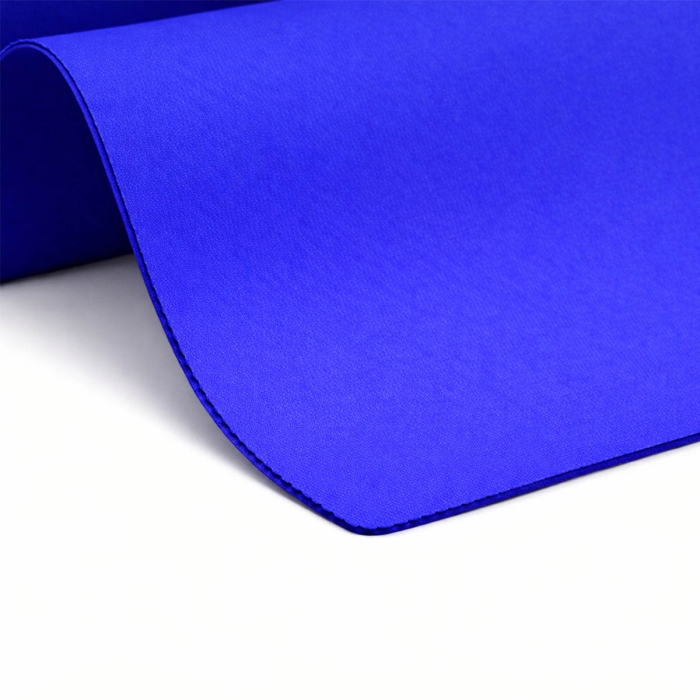
Product specifications
| Specification | Detail |
|---|---|
| Material | Single-lined closed-cell neoprene |
| Structure | Closed-cell |
| Lining | Single textile-lined finish |
| Colour options | Various colours |
| Typical size shown | 1.8m x 1m |
| Thickness | Available in varying thicknesses |
| Latex content | Latex-free |
| Temperature performance | Designed to maintain flexibility across a wide temperature range |
| Water absorption | Closed-cell structure helps prevent water and air absorption |
| Ordering | Bulk ordering available |
Usage instructions
- Select the colour, thickness and quantity that best match the intended end use.
- Mark out the shape before cutting to improve consistency and reduce waste.
- Cut using suitable tools for lined neoprene and trial fit before final assembly.
- Where bonding is required, check adhesive compatibility with neoprene and the adjoining surface.
- For supports, liners or wearable items, assess comfort, flexibility and finish before completing production.
- Store flat, clean and dry, away from excessive heat and prolonged direct sunlight.
Benefits
Comfortable cushioning
Helps create a softer, more forgiving contact surface in supports, linings and protective products.
Thermal insulation
Useful where warmth retention or temperature control supports product performance.
Flexible fabrication
Easy to cut and shape for custom builds, workshop processes and tailored clinical applications.
Durability in use
Resists wear, weathering and general ageing better than many softer fabrication materials.
Contraindications & warnings
- Not intended for applications requiring rigid support or structural stiffness.
- Always assess finished wearable products for heat retention, pressure and skin comfort.
- Adhesive choice, bonding method and surface preparation should be checked before production use.
- When cutting or bonding materials, follow normal workshop safety procedures and use appropriate ventilation.
- Suitability should be confirmed for any specialist industrial or chemical environment.
FAQs
What is single-lined neoprene used for?
It is used for padding, support, insulation and waterproofing across healthcare, sports and industrial applications. Common examples include orthotic linings, braces, protective covers, wetsuit-style products and general fabrication work.
What does single-lined mean?
Single-lined means the neoprene has a textile finish on one side and neoprene on the other. This can improve handling, comfort and application flexibility depending on how the material is being used in the finished product.
Is this suitable for orthotic and support products?
Yes, it is a strong option for orthotic and support fabrication where cushioning, comfort and insulation are needed. It can be useful in linings, braces, padded interfaces and other custom support applications.
Is the material water resistant?
Yes, the closed-cell structure helps resist water absorption, which supports performance in damp or humid environments. That is one reason neoprene is widely used in protective, wearable and water-related applications.
Can it be cut and shaped for custom jobs?
Yes, this material is easy to cut and shape, making it suitable for bespoke fabrication. It is well suited to workshop use where projects need accurate trimming, fitting and assembly.
Is it latex-free?
Yes, this single-lined neoprene is latex-free. That can make it a more suitable choice in environments where latex avoidance is important.
What size is the material supplied in?
The product listing shows a size of 1.8m x 1m. Bulk ordering is also available, which may help for larger fabrication runs or repeat production needs.
Is this suitable for sports and water-use products?
Yes, neoprene is widely used in sports and water-exposure applications because it combines cushioning, flexibility and insulation. It is a practical choice where comfort, movement and moisture resistance all matter.
Related Links
Product Summary
Single-lined neoprene is a flexible closed-cell rubber material used for cushioning, insulation, support and water-resistant fabrication. It is suitable for orthotic linings, braces, sports products, protective covers and workshop builds where comfort, durability and easy handling are all important.
Frequently bought together
Sold: 1.2m × 1.5m Sheet from roll
Incl. VAT Exl. VAT
Sold: Sold per Sheet
Incl. VAT Exl. VAT
Sold: Sold per Sheet
Incl. VAT Exl. VAT
Sold: Sold per Sheet
Incl. VAT Exl. VAT
Sold: 1.8m x 1m
Incl. VAT Exl. VAT