




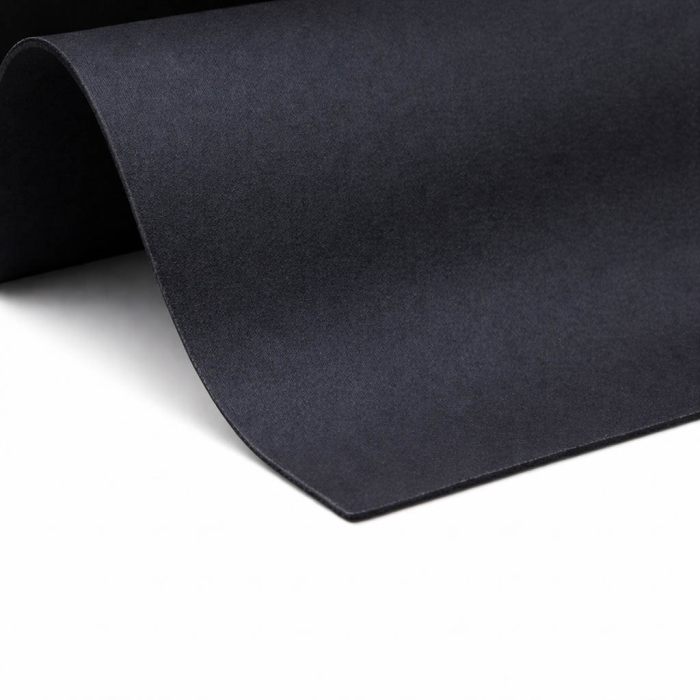
Black Neoprene Textile Fabrics - Perforated & Non-Perforated - 1.2m x 1.5m
Neoprene textile fabrics are an extremely versatile synthetic rubbers.
Neoprene is famous for its unique combination of properties, which has led to its use in thousands of applications in many diverse environments.
Our neoprene is very high quality and used daily in production of medical appliances.
Sold: Sold per Sheet
Incl. VAT Exl. VAT
Product Description
Neoprene Materials: For Flexibility, Insulation and Durability
These black neoprene textile sheets are designed for fabrication work where cushioning, flexibility, insulation and durability all matter. Supplied in sheet format and available in both standard and perforated styles, they are well suited to orthotic manufacture, appliance padding, specialist textile work and a wide range of workshop applications.
For clinicians, technicians and fabricators, neoprene remains a practical choice because it combines shock absorption with resistance to water, oils, weathering and temperature changes. It is also easy to cut, shape and incorporate into custom builds.
Key selling points
- Reliable cushioning for padding, lining and protective applications.
- Flexible sheet material that cuts and shapes easily for custom fabrication.
- Good resistance to water, oils, chemicals and general wear.
- Suitable for workshop, orthotic, textile and general industrial use.
- Available in standard and perforated sheet options.
- Large 1.2m x 1.5m sheet size for efficient material yield.
At a glance
- Material: Neoprene (chloroprene rubber)
- Format: Sheet
- Sheet size: 1.2m x 1.5m
- Styles: Standard and perforated
- Colour: Black
- Use cases: Orthoses, padding, insulation, supports, fabrication and lining work
What it does and how it works
Neoprene is a synthetic rubber used where a balance of softness, resilience and environmental resistance is needed. In practical terms, it acts as a cushioning and insulating layer while still remaining robust enough for repeated use and handling.
Because the material flexes under load and then recovers, it helps absorb impact, reduce pressure concentration and improve comfort in finished devices or fabricated parts.
Its resistance to water, temperature variation and many oils and chemicals also makes it useful in demanding workshop and everyday-use environments.
Common problems it may help with
In orthotic and appliance manufacture
Useful where a device needs more comfort, soft interface contact or added flexibility. It can help reduce harsh contact points, improve wearer comfort and provide a more forgiving finish in custom builds.
In padding and protective builds
Helpful where impact reduction, surface cushioning or thermal insulation is required. This can include supports, braces, protective inserts and specialist textile constructions.
In workshop fabrication
Useful when a material needs to be cut and adapted for bespoke jobs. It supports fast prototyping, custom shaping and a wide variety of practical fabrication tasks.
In damp or variable environments
Suitable where water resistance and durability are important. This makes it a practical option for applications exposed to moisture, repeated handling or changing temperatures.
Applications and suitability
- Custom orthosis and appliance manufacture.
- Medical supports, braces and padded interfaces.
- Protective padding and shock-absorbing inserts.
- Specialist clothing and textile fabrication.
- Marine, workshop and outdoor applications where water resistance matters.
- General fabrication where a durable, flexible rubber sheet is required.
- Construction or automotive applications involving vibration dampening and noise reduction.
Who it may not suit
This material may be less suitable where prolonged UV exposure is expected without protection, or where the finished application involves chemical conditions beyond normal workshop or general-use environments. It may also be the wrong choice if a project needs a rigid structural material rather than a flexible cushioning layer.
For production work, it is sensible to assess the intended adhesive, substrate compatibility, ventilation requirements and end-use environment before committing to full-scale fabrication.
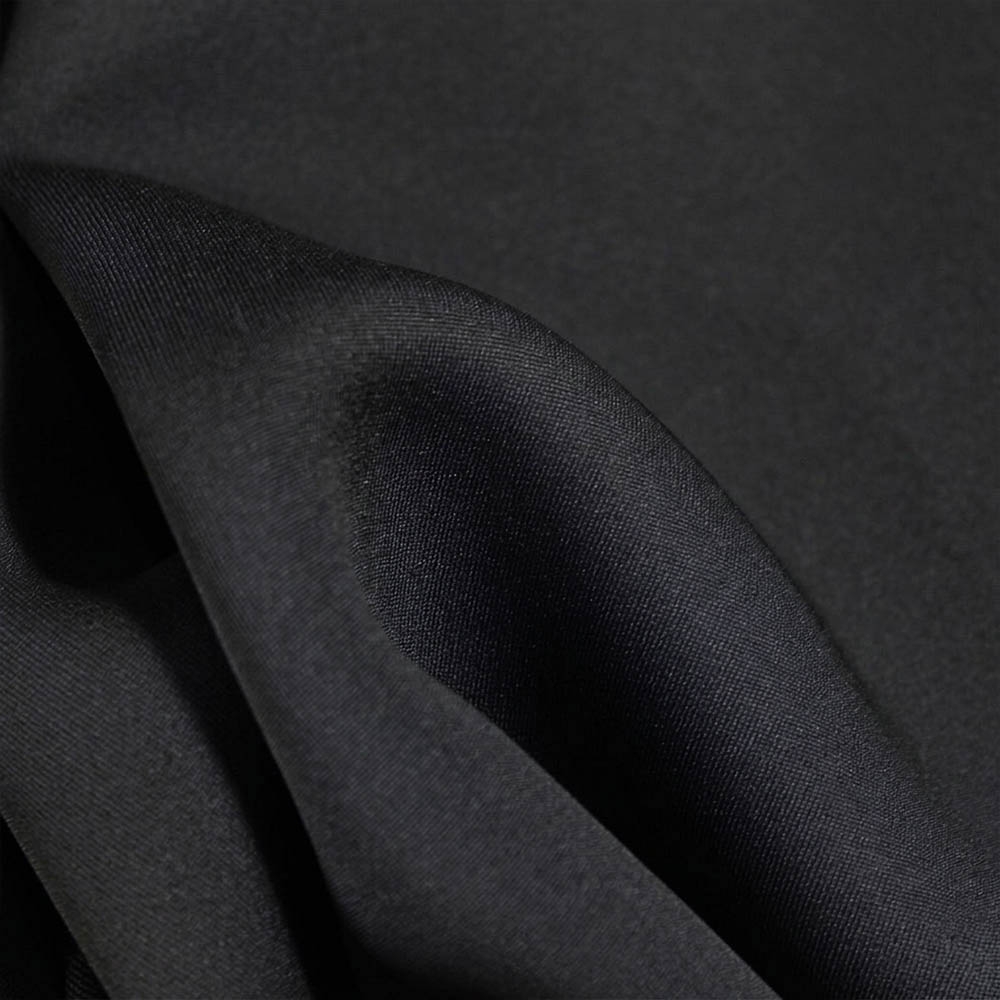
Black neoprene sheet material supplied in large-format sheet size for orthotic, textile and workshop fabrication.
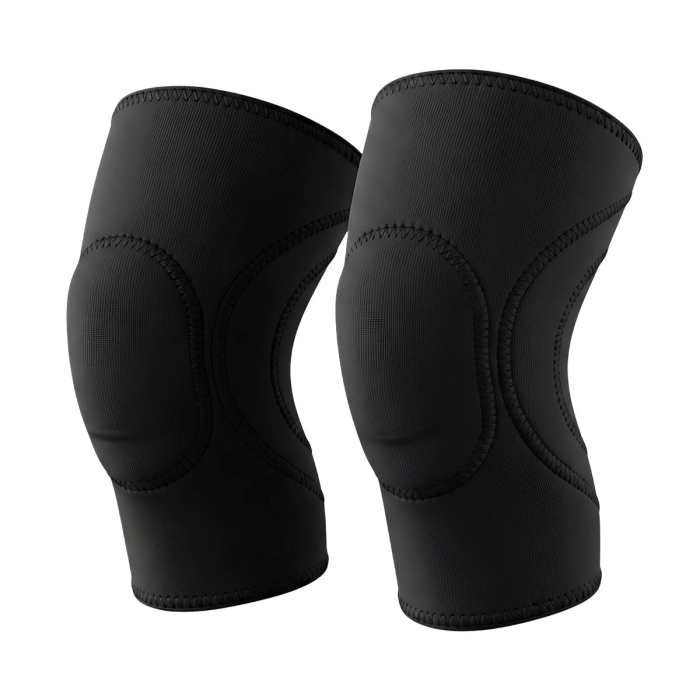
Neoprene used for making custom knee braces
Product specifications
| Specification | Detail |
|---|---|
| Material | Neoprene (chloroprene rubber) |
| Colour | Black |
| Sheet size | 1.2m x 1.5m |
| Styles available | Standard and perforated |
| Thickness | Available in various thicknesses |
| Elongation at break | 300% ±10% |
| Tensile strength | 7 kg/cm² ±10% |
| Tear strength | 2 kg/cm ±10% |
| Hardness (Type A) | 12 ±2° |
| Hardness (Durometer 00) | 22 ±5 |
| Density | 0.20 ± 0.02 g/cm³ |
| Temperature resistance | -40°C to 120°C |
Usage instructions
- Confirm the required thickness, finish and whether standard or perforated sheet is most appropriate for the application.
- Mark out the shape or pattern before cutting to reduce waste and improve consistency.
- Cut carefully using appropriate workshop tools suited to synthetic rubber sheet materials.
- Trial fit before final bonding or assembly, especially for orthotic, padded or wearable applications.
- Where adhesives are used, check compatibility with both the neoprene and the adjoining materials.
- Store clean and dry, away from excessive heat and prolonged direct sunlight.
Benefits
Comfort and cushioning
Helps soften contact areas and add shock absorption to finished products.
Flexible fabrication
Can be cut and shaped for bespoke jobs, prototypes and custom appliance work.
Practical durability
Designed to perform in environments where wear, moisture and repeated handling are part of daily use.
Thermal and moisture resistance
Useful where insulation and water resistance are important to function and longevity.
Contraindications & warnings
- Not intended as a rigid structural material where firm support or mechanical stiffness is required.
- May not be suitable for every chemical environment, so compatibility should be checked before production use.
- Prolonged exposure to direct sunlight and UV can contribute to material degradation over time.
- When cutting, bonding or heat-processing materials, follow normal workshop safety procedures and use suitable ventilation where required.
- For wearable or skin-contact applications, the finished design should always be assessed for fit, heat build-up, pressure and comfort.
FAQs
What is this neoprene sheet used for?
It is used for a wide range of fabrication tasks where cushioning, flexibility and durability are needed. Common uses include custom orthoses, padded appliance parts, protective inserts, textile applications and general workshop fabrication.
Is this suitable for orthotic or medical fabrication?
Yes, it is well suited to orthotic and appliance manufacture where a softer, more flexible interface is needed. It can be used to add comfort, cushioning and functional padding in custom-made products.
Can the sheet be cut and shaped easily?
Yes, one of the main advantages of neoprene sheet material is that it is easy to fabricate. That makes it practical for bespoke work, whether you are creating a single custom item or a repeatable workshop process.
What is the difference between standard and perforated neoprene?
Standard neoprene offers a continuous surface and is often chosen where a more enclosed cushioning layer is preferred. Perforated neoprene may be useful where increased breathability, drainage or a different handling characteristic is required in the finished product.
Is neoprene resistant to water and oils?
Yes, neoprene is valued for its resistance to water and many oils and chemicals. This makes it a dependable option for workshop, outdoor, marine and general-use applications where everyday exposure can affect less durable materials.
What size is each sheet?
Each sheet is supplied in a 1.2m x 1.5m format. This large sheet size is useful for efficient cutting plans, larger builds and reducing joins in finished products.
Can it cope with temperature changes?
Yes, neoprene performs across a wide working temperature range from -40°C to 120°C. That helps it remain useful in applications where the material may be exposed to cold, heat or changing environmental conditions.
Is this a good option for padding and shock absorption?
Yes, it is a strong choice where comfort, impact reduction and surface protection are required. Its cushioning and recovery characteristics make it useful for supports, inserts, protective layers and specialist fabricated products.
Related Links
Product Summary
Black neoprene sheet is a versatile synthetic rubber material used for cushioning, insulation, padding and custom fabrication. Supplied in 1.2m x 1.5m sheets and available in standard or perforated styles, it is a practical choice for orthotic manufacture, specialist textile work, protective applications and general workshop use where flexibility, durability and water resistance are important.
Frequently bought together
Sold: 1.2m × 1.5m Sheet from roll
Incl. VAT Exl. VAT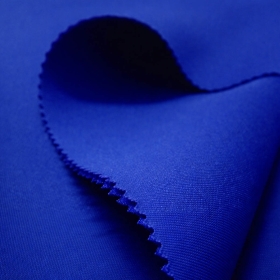
Sold: 1.8m x 1m
Incl. VAT Exl. VAT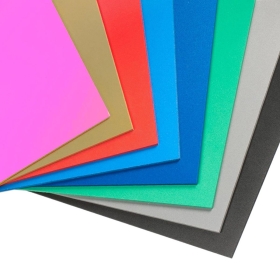
Sold: Sheet
Incl. VAT Exl. VAT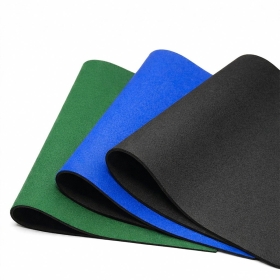
Sold: Sold per Sheet
Incl. VAT Exl. VAT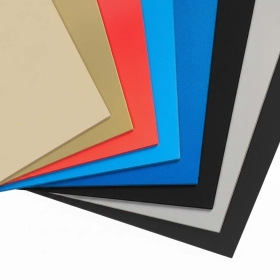
Sold: Sheet
Incl. VAT Exl. VAT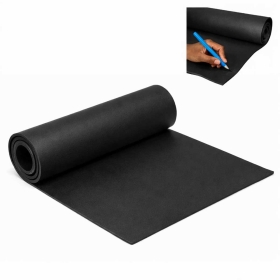
Sold: Sheet
Incl. VAT Exl. VAT
Sold: Sheet Size: 1000 x 1000mm
Incl. VAT Exl. VAT
Sold: Sheet size: 1000 x 1000mm
Incl. VAT Exl. VAT
Sold: Sold per Sheet
Incl. VAT Exl. VAT