




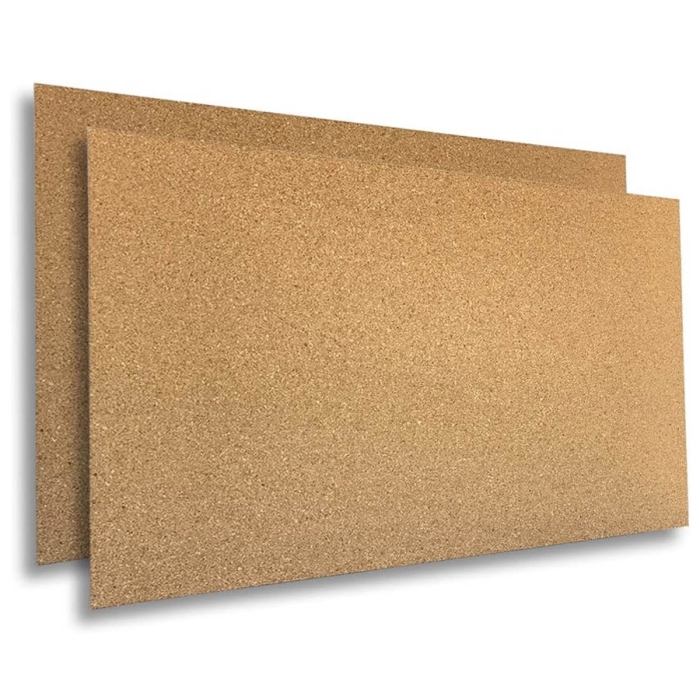
Composition Cork Material Sheets
Lightweight, easy-to-cut cork material sheets for orthotic, footwear and workshop use.
Provides natural cushioning, insulation, and mild shock absorption.
Versatile material suitable for build-ups, linings, crafts, and fabrication.
Available in multiple thicknesses for custom shaping and layering.
Renewable cork composition offering a practical, adaptable material solution.
Sold: Sold per Sheet
Incl. VAT Exl. VAT
Product Description
Composition Cork Sheets: Hugely Versatile Material for 100's Uses
Composition cork is a versatile sheet material used where lightweight build-up, cushioning, insulation and easy shaping are important. It suits orthotic and footwear work, workshop fabrication, display applications and general craft use.
Its natural cork structure makes it compressible, practical to cut and straightforward to bond in many workshop settings.
For users who need a sheet material that is easier to adapt than many harder boards, composition cork offers a reliable balance of comfort, workability and everyday usefulness.
Key Selling Points
Easy to work with
Can be cut, shaped, layered and finished for custom builds, repairs and small-batch fabrication.
Natural cushioning
Helps add underfoot comfort, light shock absorption and a more forgiving feel in suitable applications.
Versatile across sectors
Useful for orthotic work, footwear modification, lining, model making, insulation and workshop projects.
Renewable cork material
Made from natural cork, making it a practical option for users looking for a more sustainable sheet material.
What It Does and How It Works
Composition cork is made from cork particles bonded into a sheet format. This gives it the familiar qualities of cork in a more usable workshop form: light weight, mild compressibility, insulation and a surface that can be trimmed or built up for different tasks.
Its structure includes naturally occurring suberin, which helps reduce water penetration, together with lignin and plant-based structural compounds that contribute to shape, resilience and durability.
In practice, this means the material can be used where you want a sheet that feels less harsh than rigid boards while still being practical to bond, cut and finish.
Common Problems It May Help With
Need for cushioning layers
Useful when a project needs a lighter, slightly compressible layer for comfort, build-up or spacing.
Difficult-to-shape materials
A good option when a user wants something easier to trim and adapt for custom shapes or one-off jobs.
Noise and temperature transfer
Can be used in suitable applications where sound absorption or thermal insulation is helpful.
General workshop fabrication
Helpful for lining, packing, display work, protective layers, custom footwear components and mixed-material builds.
Applications and Suitability
This material is suitable for a wide range of fabrication and workshop uses, including:
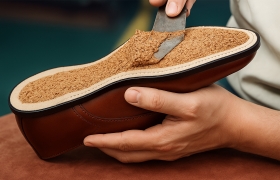
- Orthotic and footwear build-ups, including footbeds, insoles, heel lifts and wedges
- Last work and custom shoe making
- Midsoles, outsoles and cushioning components in selected footwear projects
- Wall coverings, notice boards and decorative or functional panels
- Crafts, model building and DIY projects
- Gaskets, seals and packing pieces in suitable non-clinical applications
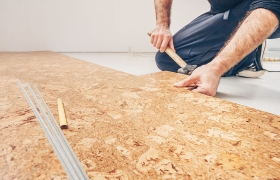
- Flooring underlayment and general insulation uses
- Protective packaging and shock-absorbing inserts
It is especially useful for orthotic technicians, footwear repairers, shoemakers, workshop teams, model makers and practical DIY users who need a cork sheet that can be adapted without complex tooling.
Who It May Not Suit
- Not ideal where full waterproof performance is required
- Not suitable for direct flame exposure or high-heat environments
- May not be the best choice where a very rigid structural board is needed
- Should be selected carefully for heavy-duty or highly abrasive end uses
- Users needing a sealed or hygienic wipe-clean surface may need an additional finish or alternative material
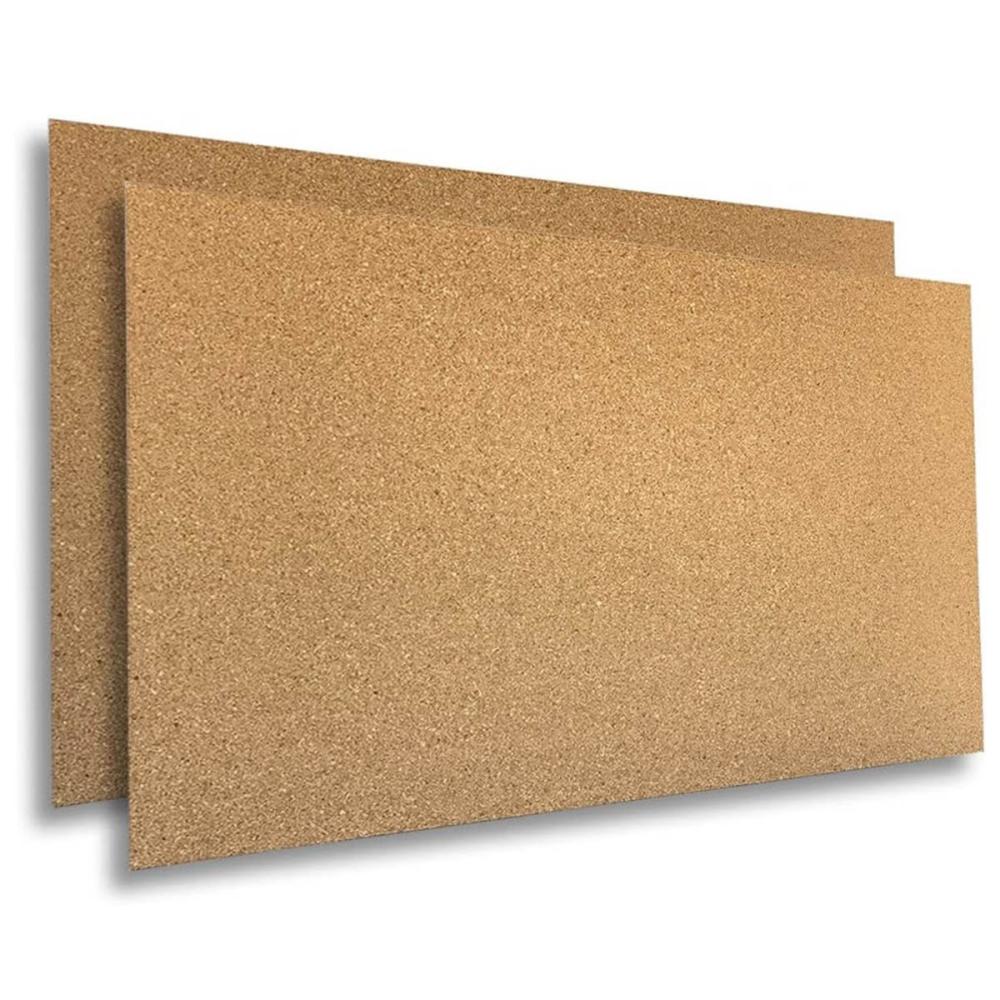
Composition cork supplied in sheet format for cutting, shaping and workshop use.
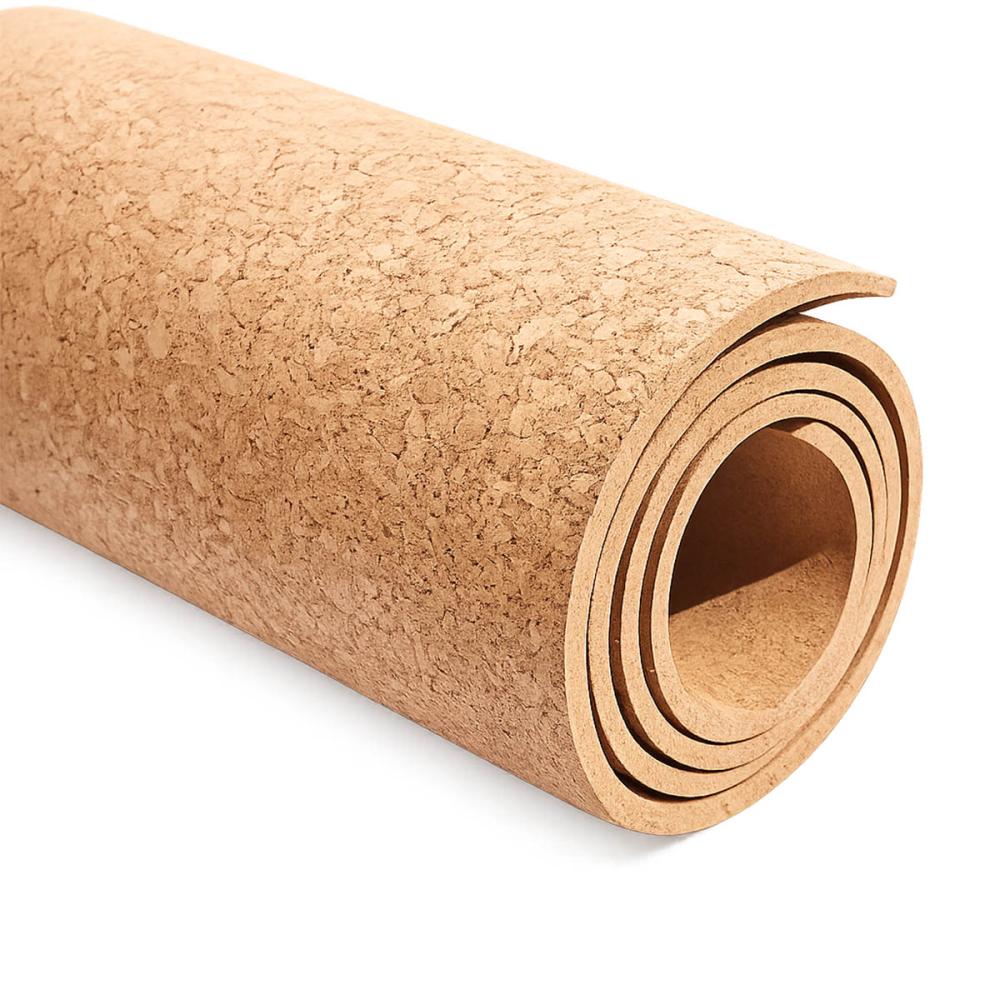
Composition cork can be cut and adapted for custom fabrication and practical workshop applications.
Product Specifications
| Product type | Composition cork sheet material |
|---|---|
| Sold as | Sold per sheet |
| Sheet size | 91.5cm x 61cm |
| Thickness options | 3mm, 6mm, 12mm and 20mm |
| Material profile | Natural cork-based composition sheet with lightweight, compressible and insulating properties |
| Constituents | Approx. 40% suberin, 22% lignin, 18% polysaccharides and 15% extractables |
| Services | Shape cutting and sheet lamination services may be available for volume orders |
Usage Instructions
- Choose the sheet thickness that best matches the required build-up, flexibility and end use.
- Mark the material clearly before cutting. For thin sheets, use a sharp utility or craft knife with several controlled passes. For thicker material, a fine-toothed saw may be more suitable.
- Work on a stable surface and keep blades sharp for cleaner edges and better control.
- Before bonding, make sure both surfaces are clean and dry. A strong waterproof adhesive such as a polyurethane or rubber adhesive is commonly used for suitable applications.
- Apply adhesive in line with the adhesive instructions, join carefully and allow full cure time before further shaping or use.
- If colouring or finishing the cork, test first on a small area and seal afterwards if additional surface protection is needed.
Benefits of Cork Materials
Lightweight handling
Easier to manage in fabrication than many denser sheet materials.
Good workshop adaptability
Suitable for trimming, layering, shaping and custom modifications.
Comfort-focused performance
Useful where mild cushioning and pressure-spreading qualities are needed.
Insulating properties
Can help with sound reduction and thermal insulation in suitable applications.
Broad application range
Works across orthotics, footwear, workshop tasks, interiors, crafts and repairs.
Natural material appeal
A practical choice for users seeking a cork-based material for everyday fabrication work.
Contraindications & Warnings
- Cork is water-resistant rather than fully waterproof. In higher-moisture environments, a suitable sealant may be needed.
- Keep away from open flames and intense heat. Cork is flammable and can scorch or degrade with excessive heat exposure.
- Use appropriate tools and safety precautions when cutting, sanding or shaping.
- Always check adhesive compatibility before bonding to other materials.
- Where end use is safety-critical, test suitability before production or full installation.
FAQs
What is composition cork used for?
Composition cork is used for a wide variety of workshop, footwear, orthotic, insulation and craft applications. Common uses include footbeds, insoles, heel lifts, wedges, lining, underlayment, gaskets, display work and custom fabrication where a lightweight, workable sheet is needed.
Is composition cork easy to cut and shape?
Yes, it is generally straightforward to cut and adapt with standard workshop tools. Thin sheets can often be trimmed with a sharp knife, while thicker sections may need a fine-toothed saw for cleaner, more controlled results.
Can composition cork be bonded to other surfaces?
Yes, it can be bonded to suitable surfaces such as wood, metal or concrete when the correct adhesive is chosen. Good surface preparation matters, so both sides should be clean and dry and the adhesive should be used exactly as directed.
Is cork waterproof?
No, cork is not fully waterproof. It naturally resists some water penetration because of its suberin content, but in wet or high-moisture settings it may still need sealing to help protect the material over time.
Can this material be used in footwear and orthotic work?
Yes, composition cork is commonly chosen for footwear and orthotic fabrication where cushioning, build-up and practical shaping are important. It can be useful for footbeds, insoles, heel lifts, wedges and other custom components in suitable designs.
Is composition cork suitable for direct heat exposure?
No, it should not be used where direct flame or significant heat exposure is expected. Cork has insulating properties, but excessive heat can scorch, damage or ignite the material.
Can cork be painted or coloured?
Yes, cork can be coloured with water-based stains, dyes or paints. It is best to test first on a small area because cork can absorb finishes unevenly, and a clear seal can help protect the final surface.
Who typically uses composition cork sheets?
Typical users include orthotic technicians, shoemakers, footwear repairers, workshop teams, model makers and DIY users. It is especially helpful where custom shaping, layering and small-batch fabrication are part of the job.
Related Links
Product Summary
Composition Cork Material Sheets are natural cork-based sheets designed for cutting, shaping, bonding and custom fabrication. They are widely used in orthotic and footwear work, insulation, lining, craft projects and general workshop applications where lightweight cushioning, mild compressibility and practical workability are required.
Frequently bought together
Sold: Box of 100
Incl. VAT Exl. VAT
Sold: 500ml
Incl. VAT Exl. VATSold: 500ml
Incl. VAT Exl. VAT
Sold: 1 Litre
Incl. VAT Exl. VAT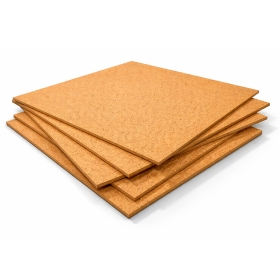
Sold: Sold per Sheet
Incl. VAT Exl. VAT
Sold: Sold per Sheet
Incl. VAT Exl. VAT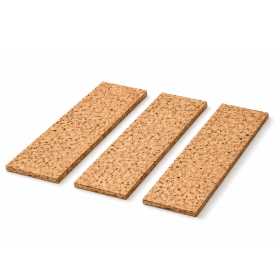
Sold: Each
Incl. VAT Exl. VAT
Sold: Pair
Incl. VAT Exl. VAT
Sold: Sold per Sheet
Incl. VAT Exl. VAT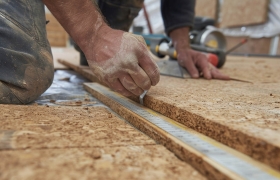

Sold: Sold per Sheet
Incl. VAT Exl. VAT