



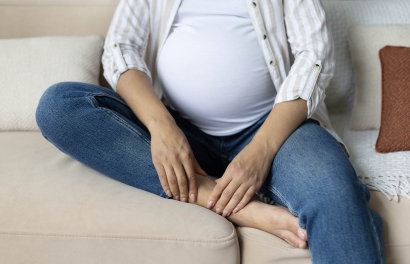
Swollen feet and ankles are common in primary care. Sometimes it is ordinary venous pooling after a long day. Sometimes it is a signal of heart, liver or kidney stress. This guide helps you decide what matters now and what can wait for routine review.
Definition
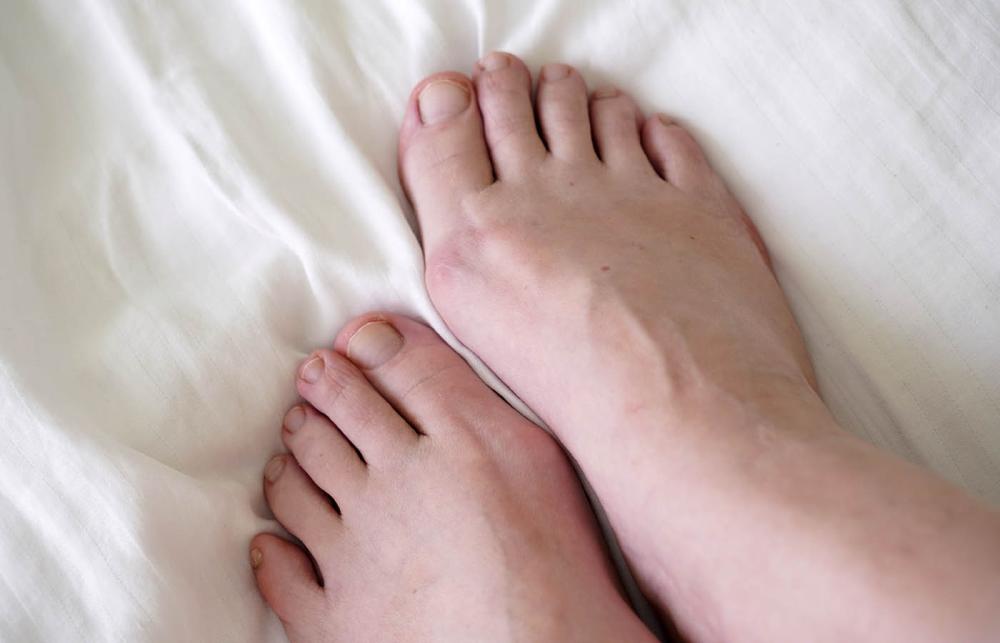
Peripheral oedema is the accumulation of excess fluid in the tissues of the lower limbs that causes puffiness, skin tightness and sometimes pitting when pressed. Swelling may be unilateral or bilateral and may fluctuate with posture and salt intake. See NHS overview of oedema for basics and self care advice: nhs.uk/conditions/oedema.
How it works and why it matters
Fluid balance depends on capillary filtration, lymphatic drainage, venous return and renal handling of salt and water. If filtration exceeds drainage or if return paths are blocked fluid collects in dependent tissues. The feet and ankles are gravity dependent which makes them a common reservoir for extra fluid.
Pattern is the clue. Unilateral swelling with pain points to a local problem like injury or thrombosis. Bilateral swelling that worsens through the day suggests venous insufficiency or systemic fluid overload. Red flags sit apart and deserve urgent assessment. Patient.info provides a practical triage approach used widely in UK primary care: patient.info.
- Sudden one-sided swelling with calf pain or tenderness
- Swelling with chest pain, breathlessness or cough with blood
- Hot red painful leg with fever
- Pregnancy with new swelling and headache or visual change
- Oedema with rapid weight gain or reduced urine output
For red flags use local urgent care pathways or NHS 111: 111.nhs.uk.
What users say
People rarely speak in pathophysiology. They say things like:
- My ankles are puffy every evening after standing at work
- My socks leave dents and it gets worse in warm weather
- Only my right foot is swollen and it is sore to touch
Those lines point you to timing, triggers and distribution which narrow the field quickly.
Step-by-step guide
- Check for red flags first using the list above. If present seek urgent assessment
- Map the pattern unilateral vs bilateral. acute vs gradual. constant vs diurnal
- Scan for triggers recent long travel. heat. high salt meals. new footwear. menstrual cycle. pregnancy
- Review medicines especially calcium channel blockers like amlodipine. NSAIDs. steroids. hormones. certain antidepressants. See NHS list and advice: NHS oedema
- Look at the skin colour change. varicose veins. eczema or lipodermatosclerosis. ulcers
- Try first-line measures if no red flags: leg elevation above heart. calf pumps every hour. reduce salt. ensure hydration. consider class I compression if suitable and if no arterial disease is suspected
- Escalate appropriately persistent bilateral oedema with breathlessness or orthopnoea needs cardiac and renal review. unilateral painful swelling needs DVT rule out. chronic skin change with heaviness suggests venous disease or lymphoedema which benefits from specialist input
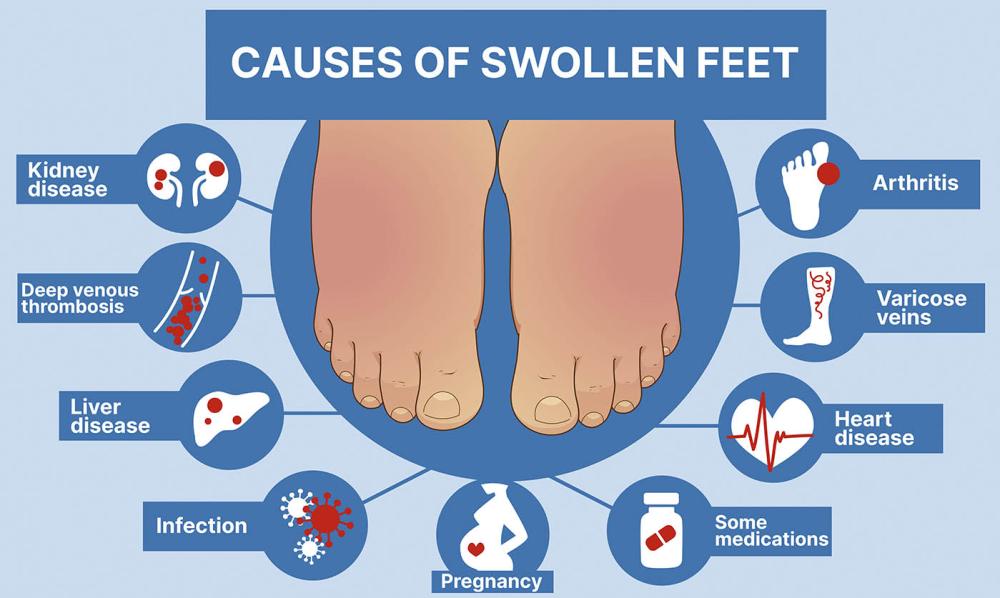
10 common causes of swollen feet
| # | Cause | Mechanism and clinical clues | Useful sources |
|---|---|---|---|
| 1 | Prolonged standing or immobility | Venous pooling in dependent limbs with end-of-day swelling that improves with elevation and walking breaks | Patient.info |
| 2 | High salt intake | Sodium driven fluid retention with generalised puffiness and ankle oedema after salty meals | NHS |
| 3 | Injury or infection | Local inflammation after sprain fracture cellulitis. usually unilateral with warmth or tenderness | NHS cellulitis |
| 4 | Pregnancy | Physiological fluid retention and venous compression. watch for pre-eclampsia symptoms if swelling is sudden or severe | NHS pregnancy swelling |
| 5 | Medication side effects | Calcium channel blockers NSAIDs steroids hormones some antidepressants can cause peripheral oedema | NHS |
| 6 | Chronic venous insufficiency | Valve failure with heaviness aching varicose veins and skin changes. swelling worse after standing | NHS varicose veins |
| 7 | Lymphoedema | Failed lymph drainage with non pitting or woody swelling and skin thickening | NHS lymphoedema |
| 8 | Heart liver or kidney disease | Systemic fluid overload or reduced protein synthesis causing bilateral oedema and other systemic symptoms | British Heart Foundation |
| 9 | Deep vein thrombosis | Acute unilateral swelling with pain warmth and calf tenderness. urgent rule out required | NHS DVT |
| 10 | Heat related venous dilation | Warm weather dilates superficial veins which reduces venous return and increases ankle swelling | NHS heat advice |
Self care vs clinical care
| Scenario | Try this first | When to seek care | Evidence or guidance |
|---|---|---|---|
| Mild bilateral end-of-day swelling with prolonged standing | Leg elevation. hourly calf pumps. walking breaks. reduce salt. consider light compression if suitable | If persistent beyond 2 to 4 weeks. if skin changes or ulceration develop | NHS |
| Suspected venous insufficiency | Graduated compression after arterial disease is excluded. skin care and moisturiser. activity | Refer for vascular assessment if ulcers lipodermatosclerosis or severe symptoms | NICE CG168 |
| Lymphoedema features | Compression. exercise. skin care. weight management | Specialist lymphoedema service if progressive or complicated | NHS treatment |
| Medication related swelling | Discuss alternatives or dose adjustment. never stop critical medicines without advice | If swelling is troublesome or accompanied by dizziness breathlessness or rash | NHS |
| Travel related swelling | Move frequently. ankle circles. hydration. consider below knee compression for long flights if appropriate | Seek care for unilateral painful swelling after travel | NICE CKS DVT |
FAQ
- When should I see a clinician urgently
- Sudden one sided swelling. red hot painful calf. swelling with chest pain or breathlessness. pregnancy with new swelling and headache. or fever with leg redness. Use emergency services if severe. Guidance here: NHS DVT and NHS 111
- Is pitting a useful sign
- Yes. Pitting oedema suggests increased interstitial fluid from venous or renal causes. Non pitting or woody texture suggests lymphoedema. See overview: Patient.info
- Do compression socks really help
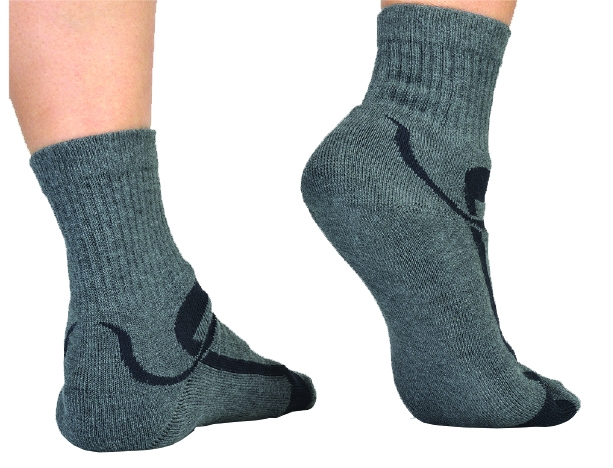
- Graduated compression improves symptoms of venous insufficiency and prevents ulcer recurrence when arterial disease is excluded. See NICE varicose veins guideline: NICE CG168
- Can diet changes reduce swelling
- Reducing added salt and maintaining a healthy weight lowers fluid retention and venous pressure. See NHS advice: NHS oedema
- Could swollen feet be heart failure
- Possibly if oedema is persistent and accompanied by breathlessness orthopnoea or rapid weight gain. British Heart Foundation has a clear guide: bhf.org.uk
- Does hot weather make swelling worse
- Yes. Heat dilates superficial veins which slows venous return. Cooling strategies elevation and movement usually help. See heat health advice: NHS heat
References and research sources
- NHS. Swollen ankles feet and legs. Available at: https://www.nhs.uk/conditions/oedema/
- Patient.info. Swollen legs. clinical assessment and causes. Available at: https://patient.info/doctor/history-examination/swollen-legs
- NICE Guideline CG168. Varicose veins in the legs. diagnosis and management. Available at: https://www.nice.org.uk/guidance/cg168
- NICE CKS. Deep vein thrombosis. Available at: https://cks.nice.org.uk/topics/deep-vein-thrombosis/
- NHS. Lymphoedema. Overview and treatment. Available at: https://www.nhs.uk/conditions/lymphoedema/
- NHS. Pregnancy swelling. Available at: https://www.nhs.uk/pregnancy/related-conditions/common-symptoms/swollen-ankles-feet-and-fingers/
- NHS. Deep vein thrombosis. Available at: https://www.nhs.uk/conditions/deep-vein-thrombosis-dvt/
- British Heart Foundation. Oedema. Available at: https://www.bhf.org.uk/informationsupport/conditions/oedema
Author bio: Marc Cameron, Product Specialist at Algeos develops evidence informed guides for clinicians and informed consumers with an emphasis on practical triage and conservative care.

Sold: Each
Incl. VAT Exl. VAT