



Clinell wipes are a staple in many clinics because they make day-to-day decontamination simpler. This FAQ answers the practical questions clinicians and informed consumers ask most often, with a quick Clinell range overview you can buy online.
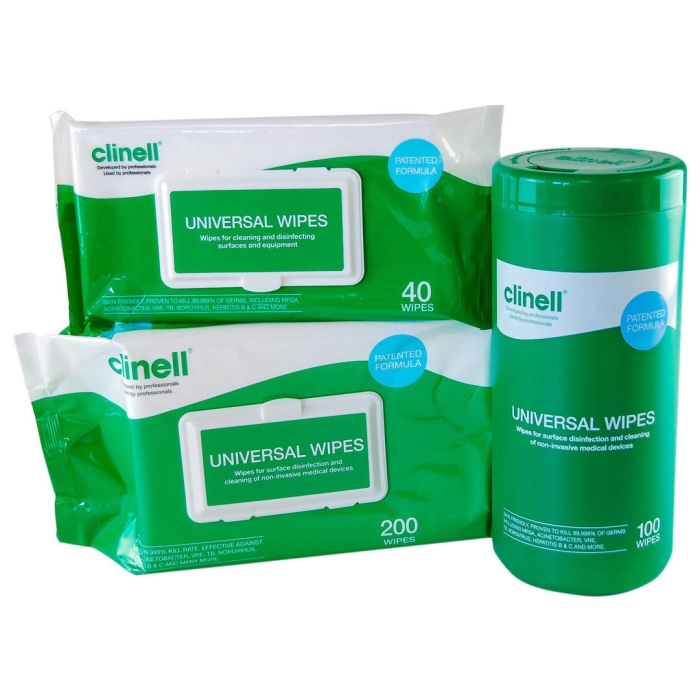
Clinell wipes are pre-moistened detergent and disinfectant wipes designed to support infection prevention and control by cleaning and disinfecting hard surfaces and non-invasive medical equipment. Different Clinell products target different needs such as routine cleaning, larger surface areas, spores or device hubs.
Always follow your local IPC policy and the product instructions, including the required contact time (how long the surface must stay wet).
How Clinell wipes work and why it matters
Environmental contamination is a recognised contributor to healthcare-associated infection risk, especially on high-touch surfaces and shared equipment. UK guidance emphasises clear cleaning responsibilities, suitable products and consistent monitoring so that cleaning is reliable, timely and measurable.
Clinell’s convenience is that many options combine detergent (to lift soil) with disinfectant action in one wipe. In busy clinical workflows, that can improve compliance because the “right product at the right moment” is easier to achieve, particularly between patients or when turning rooms around.
Practical tip: if the wipe dries out before the stated contact time, the disinfection step may be compromised. Use a fresh wipe and re-wet the area so it remains wet for the full time.
What users say
In product feedback, users commonly highlight speed and practicality. For example, a verified buyer review on the Algeos Clinell Universal Wipes page describes them as “quick drying and kind to equipment”. If you are cleaning multiple device types across the day, that combination often matters as much as kill-claims.
For clinic governance, pair user experience with policy: your cleaning standard should specify which products are approved for which surfaces and how staff confirm contact time.
Clinell best sellers
Below is a practical snapshot of common Clinell options available to buy online from Algeos, including wipes, refills, dispensers and a compatible disinfectant spray. Use it as a starting point for stocking your treatment rooms, reception and mobile kit.
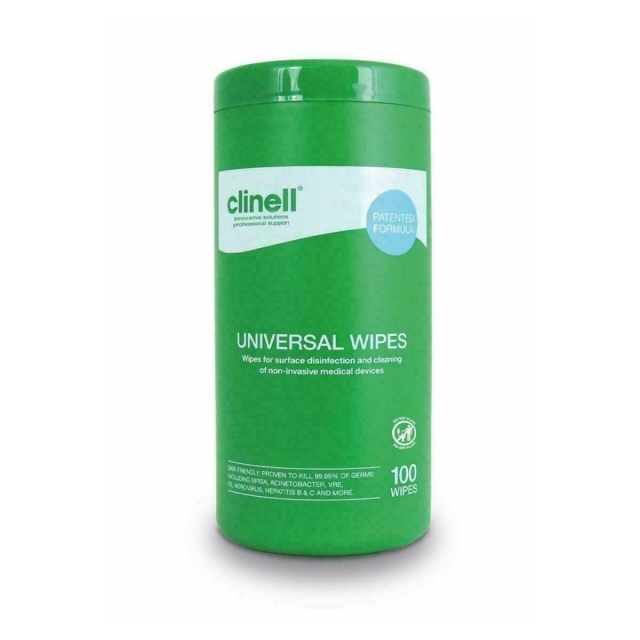
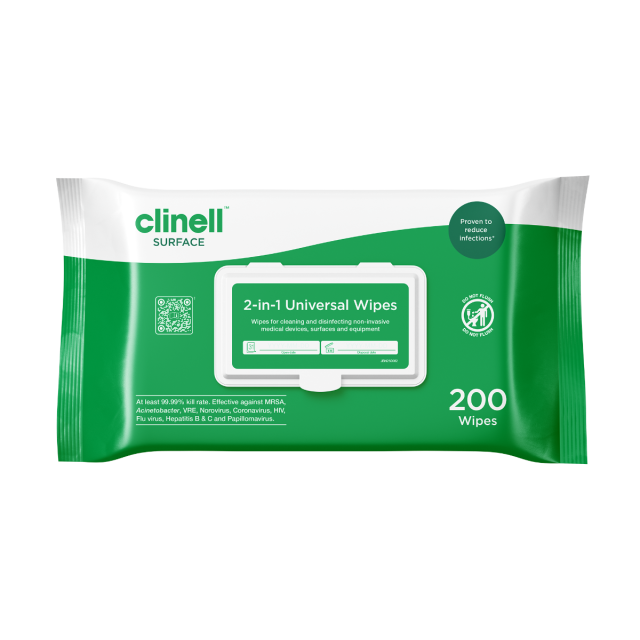
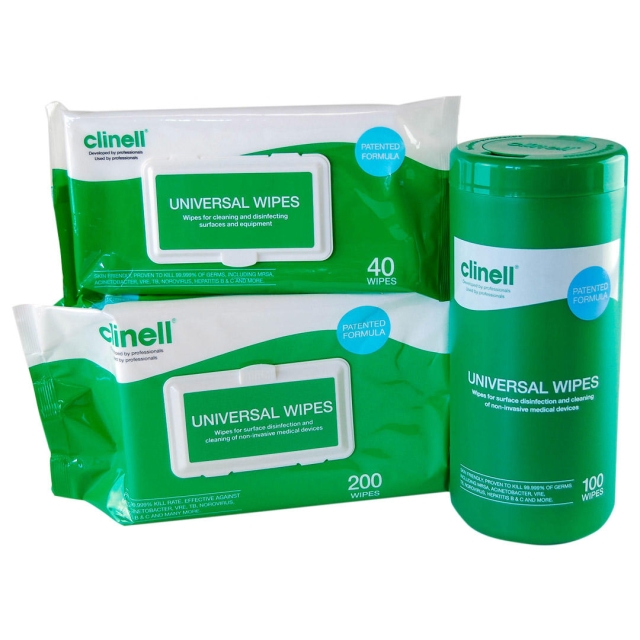
Clinell Universal Wipes
Everyday wipe for cleaning and disinfection of hands, surfaces and equipment (follow label instructions).
View product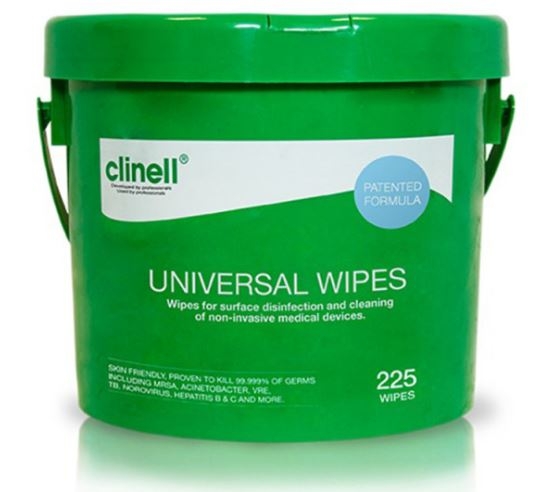
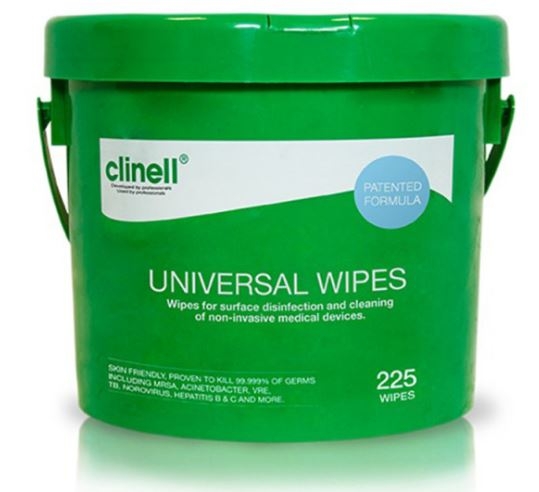
Clinell Universal Wipes Bucket (225)
High-throughput option for rooms that need frequent wipes close to hand.
View product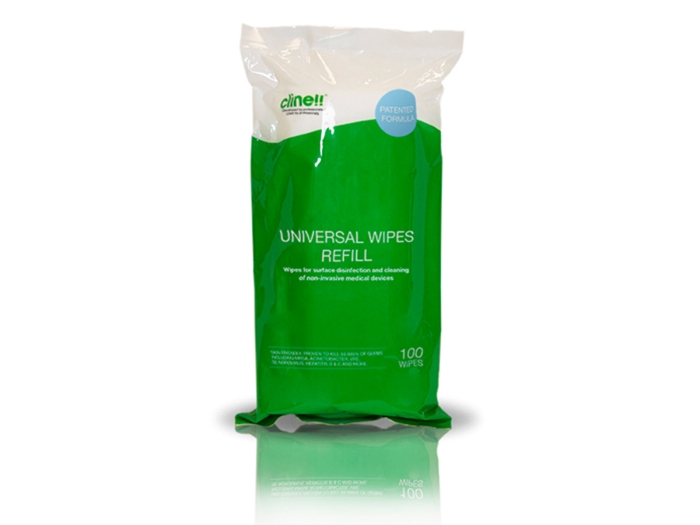
Refill for tubs (Pack of 100)
Resealable soft pack refill for tubs, useful for keeping costs down and reducing packaging.
View product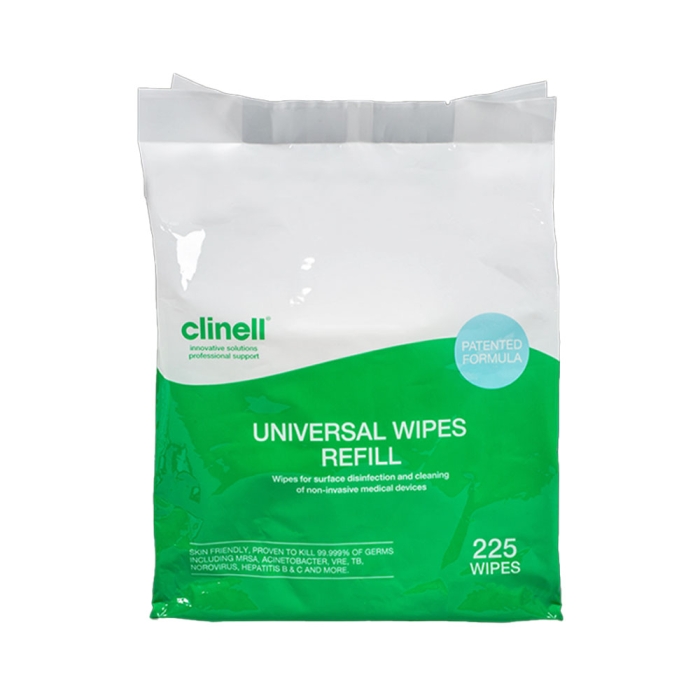
Bucket refill (225)
Refill pack for the 225 bucket format, designed for rapid wipe access in treatment areas.
View product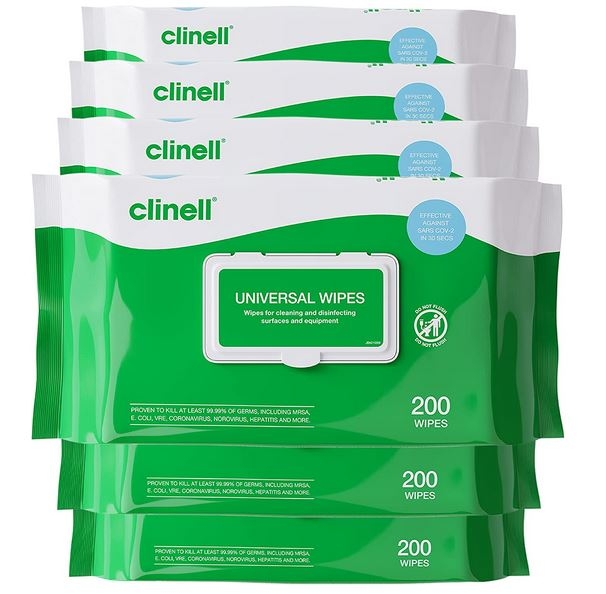
Bulk discount - 10 packs x 200
Bulk option for higher volume clinics, education settings or multi-room sites.
View product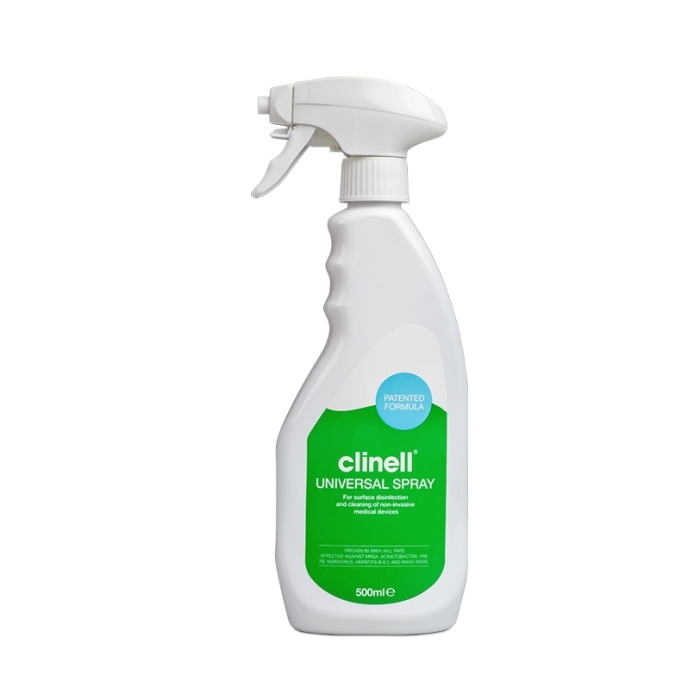
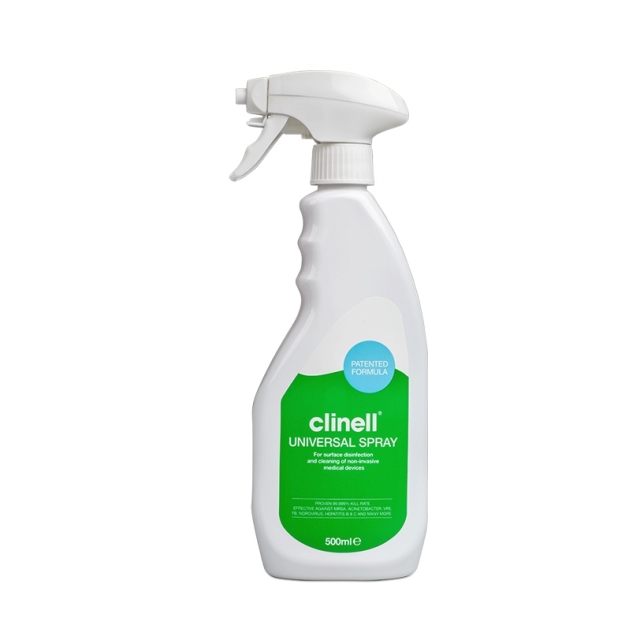
Clinell Universal Disinfectant Surface Spray (500ml)
Trigger spray option for hard-to-reach areas or where a spray-and-wipe workflow suits.
View product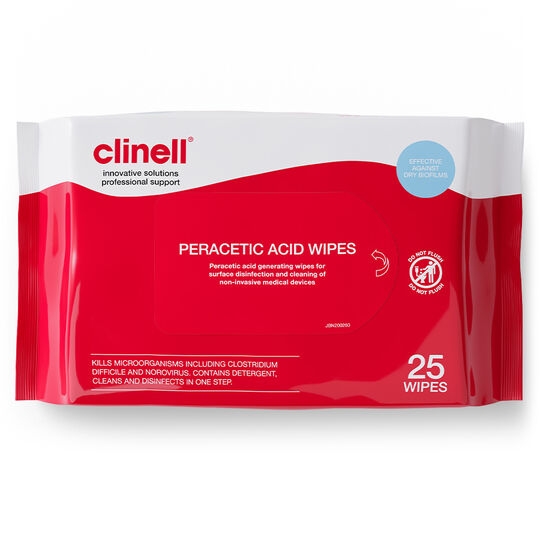
Clinell Peracetic Acid (Sporicidal) Wipes
Higher-level disinfection option intended for harder-to-kill organisms including spores (use per policy).
View product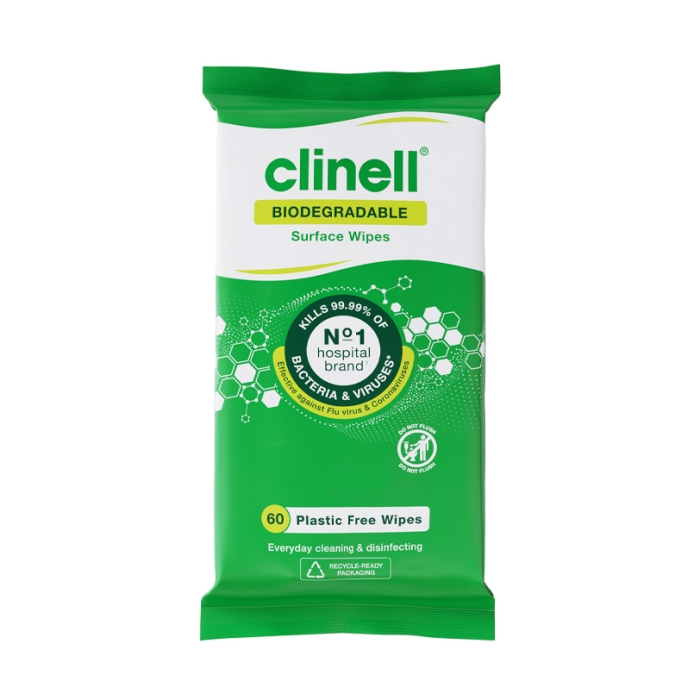
Clinell Biodegradable Surface Wipes - No plastic (60)
Plastic-free wipe format aimed at balancing sustainability with infection prevention needs.
View product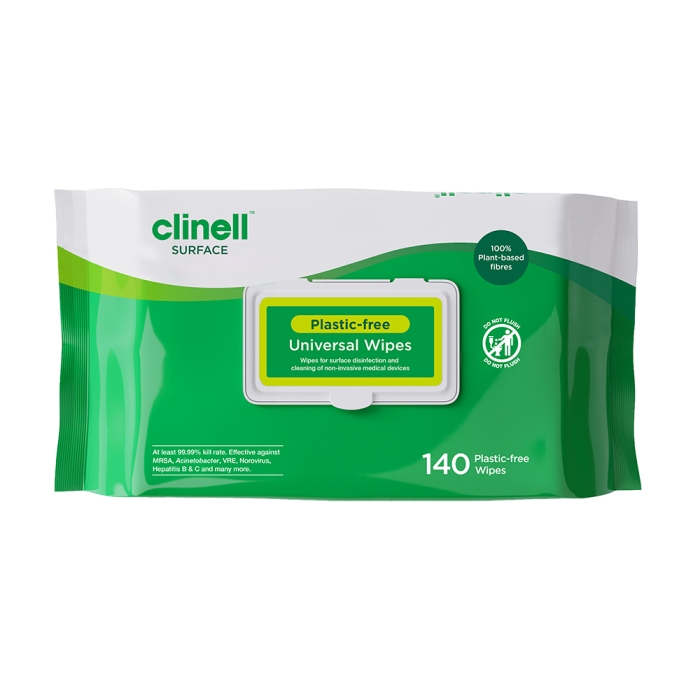
Clinell Universal Surface Wipes - Plastic-free (140)
Larger format plastic-free wipe pack for covering bigger areas efficiently.
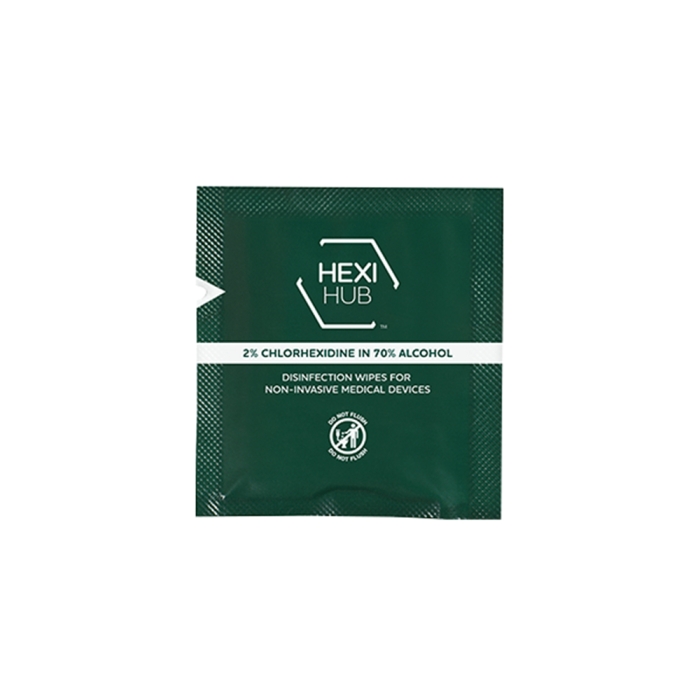
HEXI HUB Disinfection Wipes (Clinell)
Alcohol and chlorhexidine wipes designed for hubs, ports and device interfaces.
View product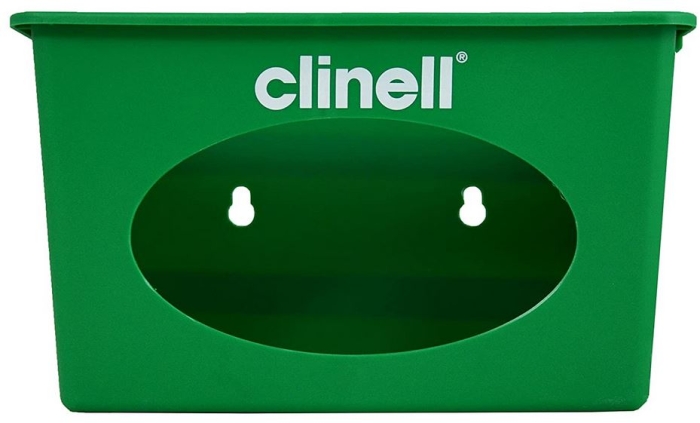
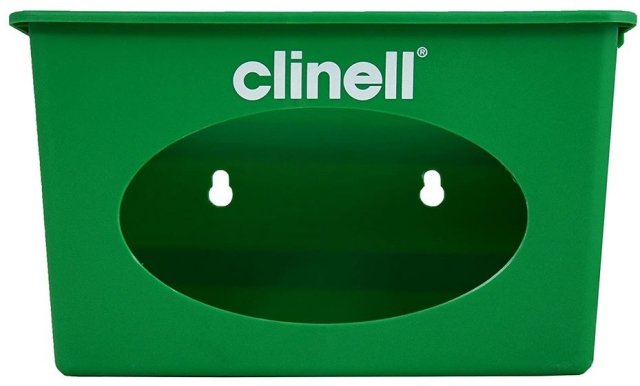
Wall mounted dispenser for wipes (Green)
Helps keep wipes visible, accessible and used at the right moment.
View product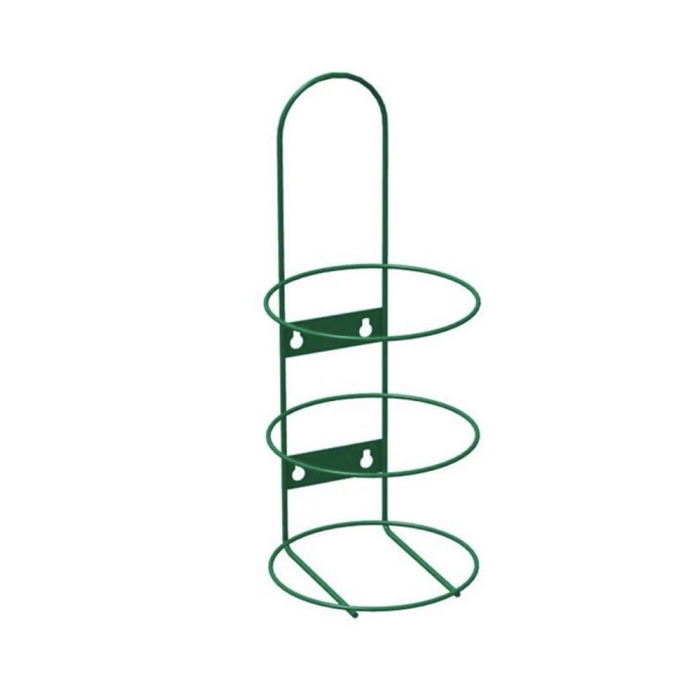
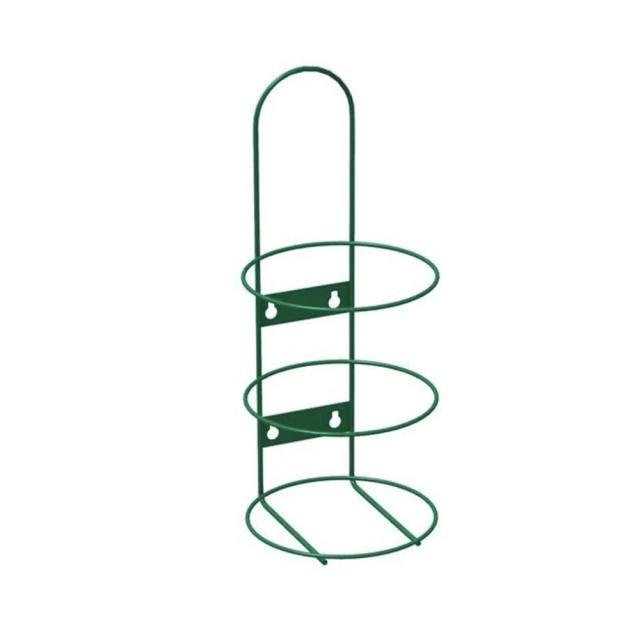
Wall mounted dispenser for tubs (Green)
Wire frame dispenser to hold tubs and keep wipe dispensing consistent.
View productYou can also browse Algeos’ wider surface cleaning range to build a complete cleaning and hygiene station.
Step-by-step: How to use Clinell wipes well (clinic-ready)
- Start with the right product: match the wipe to the task - routine daily cleaning, higher-risk areas or specialist device interfaces.
- Check the surface and device IFU: confirm material compatibility, especially for upholstery, plastics and device ports.
- Remove visible soil first: if the surface is visibly dirty, use a wipe to remove contamination then discard it.
- Disinfect with a fresh wipe: wipe methodically from clean to dirty areas, using overlapping strokes.
- Maintain contact time: keep the surface visibly wet for the full contact time stated on the product instructions. Re-wipe if it dries early.
- Let it dry as required: allow drying before patient contact or device use if your policy or IFU requires it.
- Dispose correctly and perform hand hygiene: discard wipes as clinical or domestic waste per local rules then complete hand hygiene.
- Document and monitor: for regulated environments, align with your audit method (visual checks, ATP monitoring or local IPC toolkits).
Quick comparison: Which Clinell option fits which scenario?
| Clinell option (Algeos link) | Best for | Notes to consider |
|---|---|---|
| Clinell Universal Wipes | Routine between-patient wipes for common touchpoints and shared equipment | Follow label contact time and ensure surface stays wet long enough |
| Bucket (225) | Busy rooms where wipes must be immediately accessible | Keep the lid closed to prevent drying out |
| Tub refill (100) | Cost-effective refilling and portability | Reseal packs promptly to maintain moisture |
| Peracetic Acid (Sporicidal) | Higher-level disinfection where spores are a concern | Use based on risk assessment and IPC policy, check compatibility and contact time |
| HEXI HUB wipes | Hubs, ports and device interfaces | Designed for specific device-related tasks, always follow IFU guidance |
| Biodegradable (60) | Larger surface coverage with sustainability-led purchasing | Check wipe size, coverage claims and local waste streams |
| Universal disinfectant spray | Spray-and-wipe workflows and awkward corners | Apply evenly and maintain wet contact time, avoid overspray near electrics |
FAQ
1) What are Clinell wipes used for?
Clinell wipes are used to decontaminate hard surfaces, shared equipment and non-invasive medical devices. Many clinics use them between patients for treatment couches, chair arms, worktops, device housings and door handles. Choose the product based on your local IPC policy and the surface or device IFU.
2) Do Clinell wipes replace separate detergent and disinfectant steps?
Often yes, for routine workflows. Many Clinell options combine detergent and disinfectant in one wipe which can simplify processes. However, if contamination is heavy, do an initial wipe to remove visible soil then use a fresh wipe to achieve the stated contact time.
3) What does contact time mean and why should I care?
Contact time is the time the surface must stay wet with the product to achieve the intended disinfectant effect. If a wipe dries quickly on warm vinyl or porous edges, use another wipe to keep the surface wet for the full time stated in the product instructions.
4) Which Clinell product is best for everyday clinic rooms?
For day-to-day use, many clinics stock Clinell Universal Wipes plus a higher volume option such as the 225 wipe bucket. Add refills for cost control, dispensers for accessibility and a sporicidal option if your risk assessment requires it.
5) Are Clinell wipes safe on upholstery and plastics?
They are commonly used on clinical surfaces but compatibility varies. Check your couch or device manufacturer’s cleaning instructions, especially for seams, adhesives, soft-touch plastics and screens. Where uncertainty exists, test in a small inconspicuous area and document the outcome for governance.
6) What is the difference between Universal wipes and Sporicidal wipes?
Universal wipes are intended for broad everyday cleaning and disinfection. Sporicidal wipes are designed for harder-to-kill organisms such as spores and may be used in higher-risk circumstances, following local IPC policy and product instructions.
7) How do dispensers help, beyond convenience?
Dispensers make correct behaviour easier. Wall-mounted options keep wipes visible, reduce “I could not find them” moments and can improve cleaning compliance by placing wipes exactly where they are needed, such as by the treatment couch or near shared devices.
Sold: Pack of 100
Incl. VAT Exl. VAT