




Balance Therapy: What It Is and When It's Recommended by Medical Professionals
Balance therapy, also called balance rehabilitation or vestibular rehabilitation therapy (VRT), is a type of physical therapy. It helps people improve their stability, coordination, and confidence in movement.
It is very important for treating people who feel unsteady, dizzy, or who often fall. These symptoms can come from different health issues that affect the senses and muscles.
The Vestibular System
When we talk about balance, we mean the body's ability to stay steady. This applies when standing still or moving. Good balance relies on three key systems working together. These are the vestibular system in the inner ear, vision, and proprioception. The vestibular system detects motion. Vision helps us understand where we are in space. Proprioception is our body’s sense of position, supported by muscles and joints.
If one or more of these systems is impaired, it can result in poor balance, leading to falls, injuries, and reduced independence.
Medical professionals may recommend balance therapy following a full clinical assessment. Therapy is not a “one-size-fits-all” treatment. It is customised based on the cause and severity of each person’s symptoms.
Some common reasons for balance therapy include vestibular disorders. These disorders are benign paroxysmal positional vertigo (BPPV), labyrinthitis, and Ménière’s disease. Neurological conditions like stroke, multiple sclerosis, and Parkinson’s disease also lead to balance therapy. Older adults may need therapy due to general deconditioning. Long COVID can cause fatigue and dizziness, which may require balance therapy too.
It’s also widely used in sports medicine to aid recovery from injuries that affect proprioception and joint stability.
Balance therapy includes physical exercises that safely challenge the body’s balance systems. These exercises might include head and eye movement coordination drills, static and dynamic balance training, strength and flexibility exercises, and gait re-education.
Over time, this helps the brain adapt and compensate for any deficits—an ability known as neuroplasticity.
A key principle in balance therapy is gradual exposure. Movements that initially provoke symptoms (such as turning the head quickly or standing on one leg) are practised in a structured, progressive manner. The aim is to retrain the body and brain to respond appropriately to changes in position and environment.

Use of Balance Exercise Aids
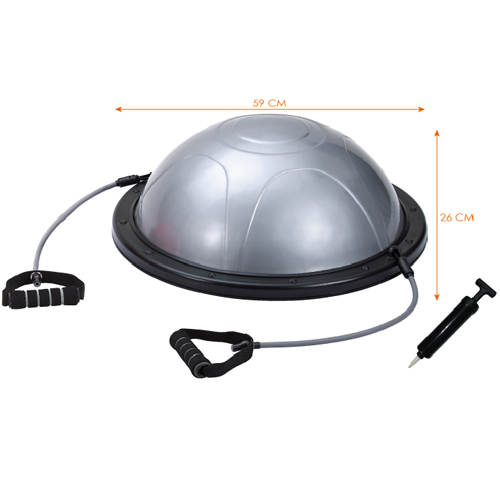
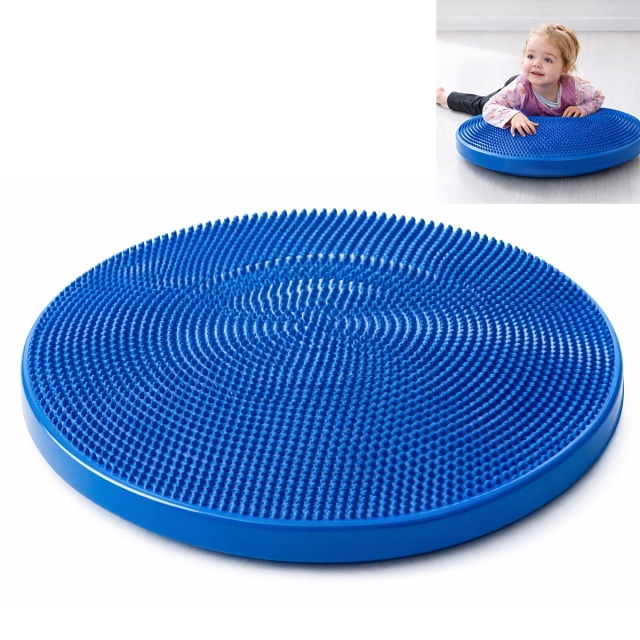
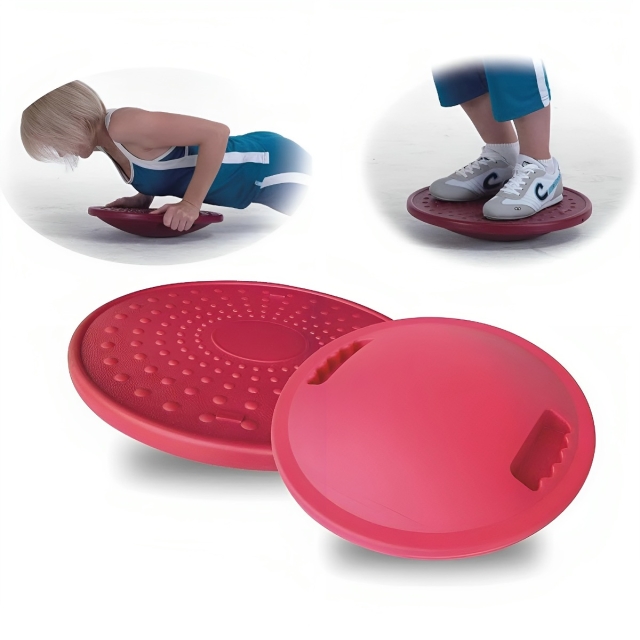
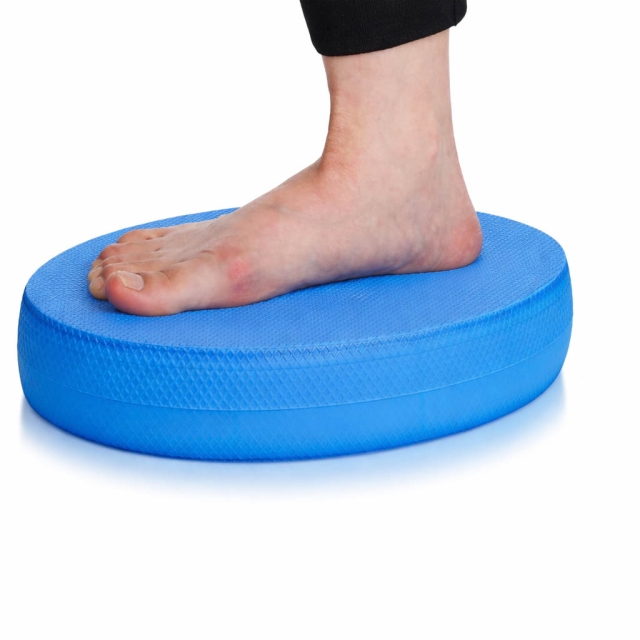
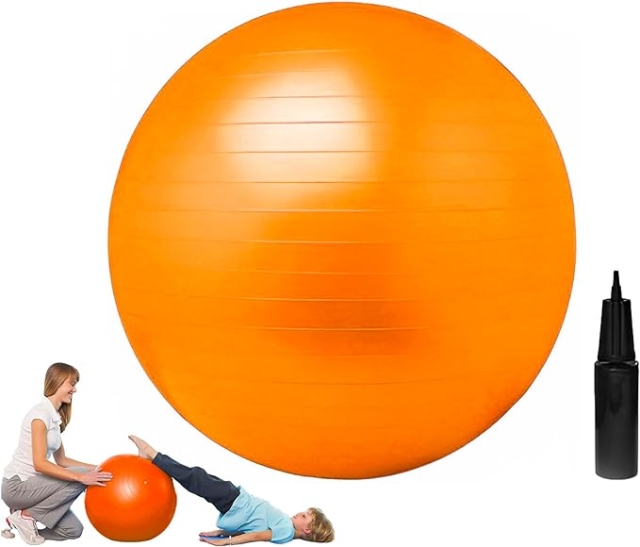
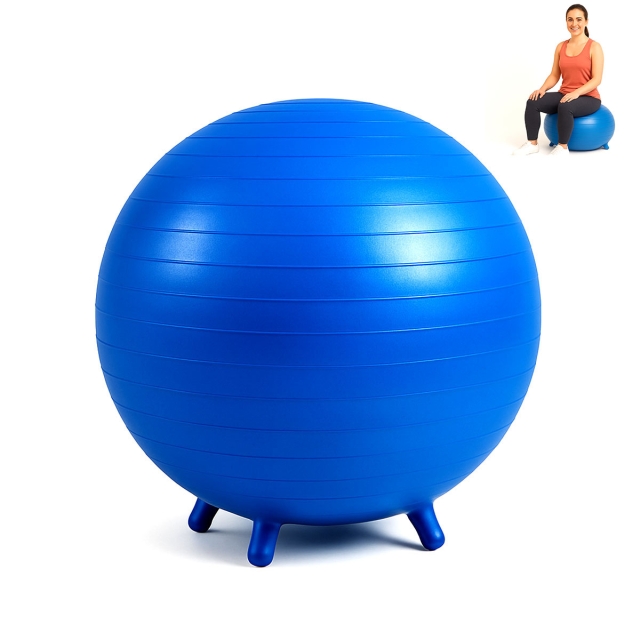
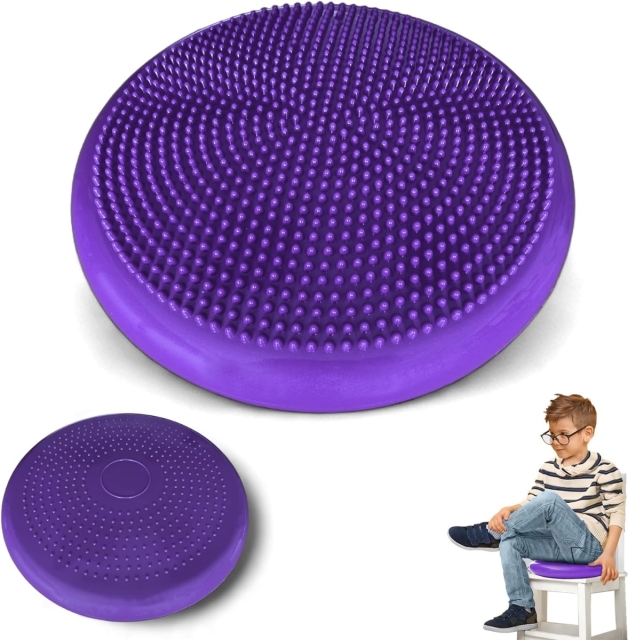
Simple equipment like balance pads, wobble boards, foam pads and handrails are often used. For people at risk of falling, exercises are often done with close supervision in a clinic. Many patients also receive personalised home exercise programmes to help them improve between appointments.
Professionals such as physiotherapists and occupational therapists are commonly involved in delivering balance therapy, and they often work alongside ENT consultants, audiologists, neurologists, and geriatricians depending on the underlying diagnosis.
In some cases, podiatrists may also play a role, particularly if foot posture or gait abnormalities are contributing to instability.
Importantly, balance therapy isn’t just for older adults, though they certainly make up a large proportion of patients due to the increased fall risk associated with ageing.
People of all ages can benefit - young adults recovering from concussion, dancers retraining post-injury, or individuals with anxiety-related dizziness. It’s also an important part of rehabilitation following orthopaedic surgery, such as hip or knee replacements.
So when should someone consider balance therapy? If a person feels unsteady while walking, has recently had a fall, or avoids certain movements out of fear of dizziness, it’s worth seeking advice.
Similarly, if dizziness is interfering with daily life - causing nausea, fatigue, or difficulty concentrating—a medical assessment is warranted. Many people assume that dizziness is simply part of getting older or something they have to “live with”, but that’s rarely true. Balance therapy can significantly improve quality of life by restoring confidence and reducing the risk of future accidents.
In summary, balance therapy is a practical, proven approach to improving stability, reducing fall risk and helping people feel safer on their feet. It works by retraining the body’s balance systems through specific, progressive exercises - often under the guidance of a skilled therapist.
Whether it’s due to an ear issue, a neurological condition, a musculoskeletal injury, or simply age-related decline, balance therapy can offer real, measurable benefits. If you or someone you know is feeling off-balance - literally - it might be time to take a steady step towards professional help.









Sold: Each
Incl. VAT Exl. VAT