



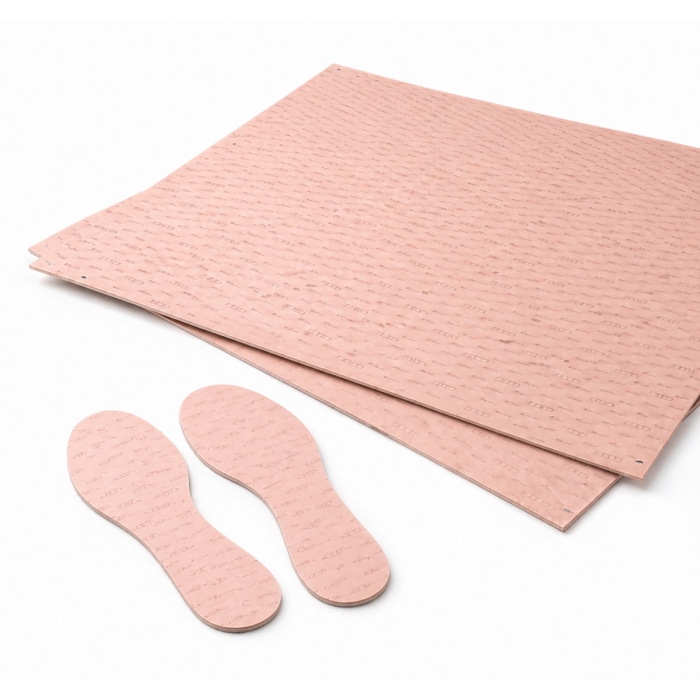
Texon Cellulose Board
Cellulose Board can be used either as a stiff insole or to reinforce when additional rigidity is required.
Sold: 1 x 1.5m Sheet
Incl. VAT Exl. VAT
Product Description
Texon Cellulose Board - moisture-absorbing shoe board
Texon Cellulose Board is a practical shoemaking material designed to add structure, rigidity and moisture absorption within footwear construction where dependable support is needed.
Best for: stiff insole builds, waist reinforcement, footwear manufacturing, repair work and structured shoe construction.
Not ideal for: applications that require soft cushioning, stretch, or flexible shock-absorbing comfort on its own.
- Cellulose construction with good shoemaking and wear properties
- Can be used as a stiff insole or reinforcement layer
- Absorbs high levels of moisture, which may support foot comfort

What is Cellulose Board?
Texon Cellulose Board is a firm cellulose-based board used in footwear manufacture and repair. It is intended for structural use rather than soft underfoot cushioning. In practice, it can function as a stiff insole or be positioned between the outsole and insole at the waist of the shoe to reinforce the construction where extra rigidity is needed.
This type of board is widely used in shoemaking because it offers a useful balance of handling, shaping and wear characteristics. It is also valued for its moisture absorption, which is often considered helpful in supporting a drier in-shoe environment during wear. For many makers and repairers, that combination of structure and moisture management makes cellulose board a dependable material choice.
Who is it for?
This product is intended for shoemakers, footwear repair professionals, orthotic workshop users, and technically minded buyers who need a firm board material for shoe construction. It is especially relevant where the aim is to strengthen or stabilise a section of footwear rather than add softness.
It may suit projects where the shoe requires a more supportive waist area, where a stiff insole is preferred, or where a material with good moisture absorption is desirable. It can also be useful for those working on traditional or structured footwear builds where maintaining shape and internal support is important to the finished result.
Cellulose Board Uses
Texon Cellulose Board is designed to support the structure of the shoe and contribute to a more controlled, stable build. It is not a medical treatment product, but it may help improve the practical performance of footwear construction in several ways.
- Need for a stiffer insole: helps create a firmer base inside the shoe
- Lack of waist support: can reinforce the waist area where additional rigidity is required
- Shape retention concerns: supports a more structured footwear build
- Moisture build-up inside footwear: cellulose construction may help absorb higher levels of moisture
- Wear demands in everyday footwear use: offers generally good shoemaking and wear properties
- Repair or rebuild work: provides a practical sheet material for cutting and fitting to application
How does it work?
The board works by adding firmness and reinforcement where it is placed in the shoe. When used as a stiff insole, it creates a more rigid platform under the foot compared with softer materials. When inserted between the outsole and insole at the waist, it helps strengthen that section of the shoe, which may improve the overall feeling of structure through the midfoot area.
Its cellulose composition also allows it to absorb moisture more readily than
Expected use timeline
First use: once fitted into the intended footwear construction, the board should feel firm and supportive rather than soft. Any benefit comes from structure and reinforcement, not from plush cushioning.
Short-term use over days: as the shoe is worn, the board can contribute to a more stable and controlled feel through the insole or waist area. Moisture absorption may also support a more comfortable in-shoe environment depending on the footwear design and wear pattern.
Ongoing use over weeks: in a suitable build, users may continue to notice the value of consistent rigidity and support. Expectations should remain realistic: this material is intended to reinforce and stabilise footwear components, not to replace cushioning systems or correct all fit issues by itself.
Problem to solution guide
| Common problem | How the product helps |
|---|---|
| The shoe needs a firmer base underfoot | Can be used as a stiff insole to create a more rigid internal platform. |
| The waist area feels too flexible in the build | Can be inserted between the outsole and insole at the waist to reinforce that section. |
| A structured shoe loses the feel of support too easily | Helps maintain a more supportive, controlled construction when correctly fitted. |
| Moisture inside footwear affects comfort | Cellulose material is known for absorbing higher levels of moisture, which may support comfort. |
| A repair requires a dependable board material | Offers generally good shoemaking and wear properties for practical workshop use. |
| A soft material is not giving enough reinforcement | Provides a firmer alternative where rigidity is the main requirement. |
Key benefits
- Provides firm structural support where extra rigidity is needed
- Suitable for use as a stiff insole in footwear construction
- Can reinforce the waist area between outsole and insole
- Absorbs moisture well, which may contribute to day-to-day comfort
- Useful for both shoemaking and footwear repair applications
- Supplied in sheet form for cutting to the required shape and size
Because this is a firm material, it should be chosen and fitted with care. Too much rigidity in the wrong place can make a shoe feel harsh, while too little support may not deliver the intended structural benefit.
Check that the finished build still allows the shoe to function as intended. If using the board as an insole component, ensure the thickness is appropriate for the available space inside the shoe. If using it as a waist reinforcement, make sure it integrates cleanly without creating unwanted pressure points or altering fit more than expected.
A careful fit check can reduce misuse, improve comfort expectations and help avoid unnecessary returns or rebuilds.
Common mistakes to avoid
- Expecting the board to feel cushioned or soft underfoot when it is designed for rigidity and reinforcement
- Using more thickness or stiffness than the shoe can comfortably accommodate
- Ignoring footwear compatibility, especially in styles that need flexibility rather than structure
- Assuming a structural material alone will solve wider fitting, comfort or gait-related issues
How to use board materials
- Assess the shoe build or repair requirement and decide whether the board will be used as a stiff insole or as a reinforcement layer at the waist.
- Measure the area carefully before cutting, allowing for accurate placement and a neat edge finish.
- Cut the board to the required pattern using suitable workshop tools and safe handling methods.
- Test fit the piece before final assembly to confirm that it sits correctly and does not crowd the shoe.
- Install the board in the intended position within the footwear construction.
- Check the finished shoe for structure, internal fit and comfort expectations before regular wear.
Use guidance should remain conservative. This material is best fitted by users familiar with footwear construction or repair methods.
Technical specifications
| Specification | Details |
|---|---|
| Product name | Texon Cellulose Board |
| Material | Cellulose |
| Primary use | Stiff insole material or reinforcement layer between outsole and insole at the waist |
| Shoemaking properties | Generally good shoemaking and wear properties |
| Moisture handling | Absorbs high levels of moisture |
| Sheet size |
100cm x 75cm
150cm x 100cm
|
| Thickness |
|
| Colours | Varies by option |
| Weight | Varies by sheet size and option |
| Left / right fit | Universal material, cut to application |
| Care and cleaning | Store flat or appropriately supported in a clean, dry workshop environment |
| Pack contents | Varies by selected sheet option |
Frequently asked questions
Is Texon Cellulose Board soft or cushioned?
No. This is a firm board material intended for structure and reinforcement. It is better thought of as a construction component than a comfort insole on its own.
Can it be used as an insole?
Yes. It can be used as a stiff insole where a firmer base is required. The finished feel will depend on the overall shoe design and any additional layers used above or below it.
What part of the shoe is the waist?
The waist is the narrower midfoot section of the shoe. Reinforcing this area can help create a more structured feel through the middle of the footwear.
Does moisture absorption mean it will improve comfort?
It may help support comfort by absorbing higher levels of moisture, but comfort also depends on fit, upper materials, lining, socks and overall footwear design.
Is it suitable for everyday footwear manufacture?
It is widely used because of its generally good shoemaking and wear properties, making it a practical choice for many structured footwear applications.
Can it be used in very flexible shoes?
Not always. Because the material is designed to add rigidity, it may be less suitable where a highly flexible result is the main goal.
Can it solve all support issues in a shoe?
No. It can support the structure of the build, but it does not replace good pattern design, correct fitting, suitable footwear components or specialist assessment where needed.
Complementary / pairing suggestions
Texon Cellulose Board can be paired with other footwear construction materials depending on the intended result. For example, it may be combined with top covers or lining materials where a softer contact layer is needed above a firm structural base. It may also sit alongside outsole materials, adhesives, repair components or shaping materials in workshop use.
Where the aim is balanced comfort and structure, buyers often consider pairing a rigid board component with a separate cushioning or finishing layer rather than expecting one material to do every job. This approach can help create a more practical finished shoe while keeping the structural benefits of the board.
Content credibility
Written by: Algeos Product & Clinical Content Team
Last reviewed: March 2026
This content is provided for buyer guidance to help explain product purpose, typical use and practical selection considerations. It is not a diagnosis and it is not medical advice.
Frequently bought together
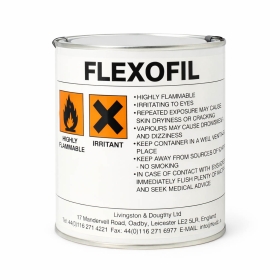
Sold: 1 Litre
Incl. VAT Exl. VAT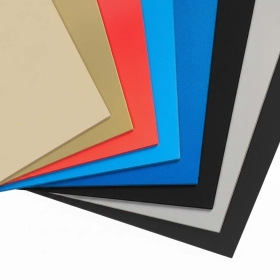
Sold: Sheet
Incl. VAT Exl. VAT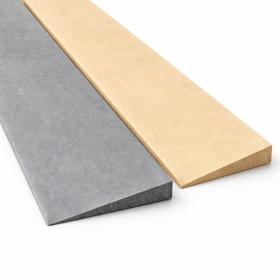
Sold: Each
Incl. VAT Exl. VAT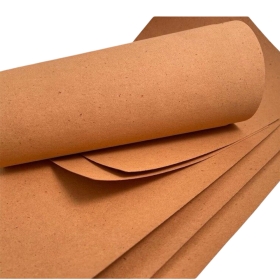
Sold: Sheet
Incl. VAT Exl. VAT
Sold: 1000 x 1500mm Sheet
Incl. VAT Exl. VAT
Sold: Pair
Incl. VAT Exl. VAT
Sold: 1 x 1.5m Sheet
Incl. VAT Exl. VAT