




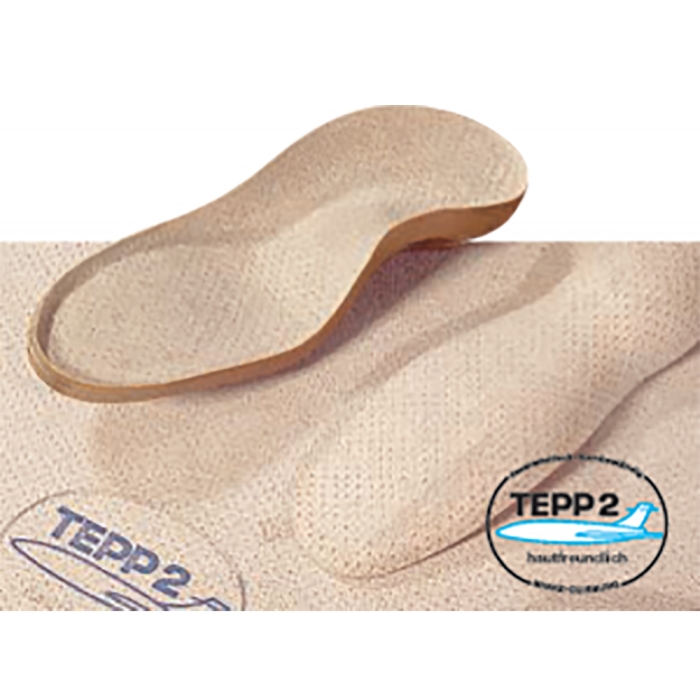
Tepp 2 Thermoplastic Shoe Reinforcement Sheet
Thermoplastic fibre construction softens when heated.
Perforated surface reduces weight and improves flexibility.
Integrated adhesive layer supports bonding during assembly.
Suitable for shaping over lasts or moulding surfaces.
Sold: 1000 x 1500mm Sheet
Incl. VAT Exl. VAT
Product Description
Perforated Thermoplastic Shoe Reinforcement Sheet - TEPP 2
TEPP 2 perforatedTepp 2 Thermoplastic Shoe Reinforcement Sheet
- Best for: shoe stiffening, toe reinforcement and orthopaedic footwear fabrication
- Not ideal for: direct skin-contact applications or cushioning layers
- Thermoplastic fibre construction for mouldable reinforcement
- Integrated hot-melt adhesive for secure bonding
- Perforated structure to improve flexibility and breathability
What is it?
TEPP 2 perforated is a thermoplastic reinforcement sheet used during the manufacture of footwear, orthopaedic shoes and certain prosthetic or orthotic components. The sheet combines plastic fibres with a thermoplastic matrix that softens when heated, allowing technicians to mould and shape the material into the desired structure.
One surface of the sheet is coated with a hot-melt adhesive layer. When the material is heated to processing temperature, this adhesive activates and allows the sheet to bond securely to upper materials or other structural components. This simplifies assembly during footwear construction and helps maintain consistent positioning once cooled.
The sheet is manufactured with small perforations distributed across the surface. These perforations help reduce overall material weight, increase flexibility and allow limited airflow through the reinforcement area once installed. This can be particularly beneficial in footwear applications where moisture management and comfort remain important considerations.
During fabrication, the sheet is heated until it becomes pliable. It can then be moulded over a shoe last or shaped to match the structural requirement of the device. As the material cools, it returns to a rigid or semi-rigid state, helping to stabilise and reinforce the surrounding construction.
Who is it for?
TEPP 2 perforated sheets are typically used by professionals involved in footwear manufacturing, orthotic device fabrication and technical footwear modification. The material is intended for workshop and production environments where controlled heating and shaping processes are available.
Typical users include orthotic technicians, bespoke footwear makers and specialists who need a reliable thermoplastic reinforcement that can be integrated into custom builds or small-scale production workflows.
- Orthotists and prosthetists
- Orthopaedic footwear manufacturers
- Bespoke shoemakers
- Orthotic and prosthetic fabrication labs
- Hospital and NHS orthotic workshops
- Footwear repairers performing structural modifications
- Educational institutions teaching orthotic fabrication techniques
What is it used for?
The main purpose of TEPP 2 perforated thermoplastic sheet is to create structural reinforcement inside footwear components. By adding controlled stiffness to targeted areas of a shoe, technicians can shape and stabilise the upper while maintaining a relatively lightweight design.
The material is commonly incorporated during the construction or modification of orthopaedic footwear where controlled support and durability are required.
Common applications
- Toe puff or toe cap reinforcement in footwear
- Flexible stiffeners within shoe uppers
- Stabilising structural zones in orthopaedic shoes
- Reinforcement of modified footwear components
- Support elements in orthotic or prosthetic devices
- Lightweight internal reinforcement layers
- Footwear repairs requiring structural stiffening
Characteristics
- Thermoplastic fibre construction softens when heated
- Perforated surface reduces weight and improves flexibility
- Integrated adhesive layer supports bonding during assembly
- Suitable for shaping over lasts or moulding surfaces
- Stable once cooled, helping maintain footwear structure
Typical users
- Orthopaedic footwear technicians
- Footwear development teams
- Custom orthotic laboratories
- Shoe repair specialists working on structural repairs
- Training programmes teaching footwear construction
How to work with it
The material is processed using heat to activate its moulding properties. Once heated to the appropriate temperature, the sheet becomes flexible enough to shape over a last or form within a shoe component. After shaping, the material cools and retains the formed structure.
The hot-melt adhesive layer activates during heating and helps bond the reinforcement to surrounding materials. This can reduce the need for additional adhesives during the assembly process.
Expected use timeline
During fabrication
The sheet is typically heated to approximately 160 °C to achieve moulding flexibility. At this stage the material can be shaped over a last, inserted into a shoe upper or positioned within a reinforcement zone. Once cooled, the material stiffens and becomes part of the finished structure.
Long-term performance
Once incorporated into footwear or orthopaedic devices, the reinforcement layer remains hidden within the structure. It is intended to maintain the shape and stability of the component during normal use. Longevity will depend on footwear construction, materials used and the intensity of wear.
Problem → Solution
| Common problem | How the product helps |
|---|---|
| Shoe toe area loses shape over time | The thermoplastic sheet provides internal reinforcement to maintain toe box structure. |
| Orthopaedic footwear requires additional structural stability | The mouldable reinforcement layer can be shaped and integrated to stabilise specific areas. |
| Footwear stiffeners add excessive weight | The perforated design reduces material weight while maintaining structural support. |
| Difficulty bonding reinforcement materials | The integrated hot-melt adhesive activates during heating to assist with bonding. |
| Need for controlled flexibility rather than rigid plates | The perforated thermoplastic structure allows moderate flexibility compared with solid reinforcement sheets. |
Key benefits
- Thermoplastic construction allows shaping and moulding during fabrication
- Perforated surface improves flexibility and reduces material weight
- Integrated adhesive layer supports secure bonding within footwear structures
- Suitable for a wide range of footwear reinforcement applications
- Compatible with standard orthopaedic footwear manufacturing processes
- Provides structural support without significantly increasing bulk
Common mistakes to avoid
- Overheating the material beyond recommended processing temperatures
- Attempting to mould the sheet without adequate heat activation
- Using the material as a cushioning layer rather than structural reinforcement
- Applying the sheet directly against skin-contact surfaces
How to work with
- Cut the sheet to the required size based on the reinforcement area.
- Heat the material to approximately 160 °C until it becomes pliable.
- Position the sheet over the last or inside the footwear component.
- Mould and shape the material to match the required structure.
- Allow the sheet to cool so it returns to a firm, supportive state.
- Continue with the remaining stages of footwear assembly.
Technical specifications
| Specification | Details |
|---|---|
| Material type | Thermoplastic plastic-fibre reinforcement sheet |
| Surface structure | Perforated |
| Adhesive layer | One side coated with hot-melt adhesive |
| Processing temperature | Approximately 160 °C |
| Thickness options | Typically around 1.0–1.7 mm |
| Typical sheet size | Approximately 1.5 m² plates |
| Colour | Varies by batch or option |
| Application type | Footwear reinforcement and structural stabilisation |
| Pack contents | Sheet material supplied in plate format |
| Care and storage | Store flat in a dry environment away from excessive heat |
Frequently asked questions
Does the material need special equipment to use?
The sheet requires controlled heating to reach its moulding temperature. Workshops typically use heating ovens or similar equipment used in footwear manufacturing.
Can the sheet be cut before heating?
Yes. It is common practice to cut the sheet to approximate shape before heating so it fits the intended reinforcement area.
Is the perforated version more flexible than solid sheets?
The perforations can increase flexibility slightly and reduce weight, which may make the material easier to integrate into footwear where moderate stiffness is required.
Can this material be used for insoles?
It is generally intended as a structural reinforcement rather than a comfort layer. Other materials are usually selected for cushioning or direct foot contact.
Will the adhesive bond automatically?
The adhesive layer activates during heating and helps bond the reinforcement to surrounding materials, although additional adhesives may still be used depending on the manufacturing process.
Can it be reheated and reshaped?
Thermoplastic materials may be reheated and adjusted during fabrication if necessary, provided the material is not overheated or damaged.
Does the perforation affect durability?
The perforations primarily reduce weight and improve flexibility. When properly integrated into footwear construction, the material remains suitable for structural reinforcement.
Complementary and pairing suggestions
This thermoplastic reinforcement sheet is often used alongside other footwear construction and orthotic fabrication materials. Typical complementary materials include:
- Orthopaedic footwear upper materials
- Thermoplastic orthotic shells
- Heel counters and stiffening materials
- Footwear adhesives and bonding agents
- Insole base materials and cushioning foams
- Lasting boards and reinforcement textiles
Combining reinforcement sheets with appropriate cushioning layers and structural footwear components allows technicians to create footwear that balances stability, durability and wearer comfort.
Written by: Algeos Product & Clinical Content Team
Last reviewed: March 2026
This content is provided for product guidance and purchasing support. It is not intended as medical advice, diagnosis or treatment guidance.
Frequently bought together
Sold: Sold per Metre - Cut from 50m Roll
Incl. VAT Exl. VAT
Sold: Sold per Metre
Incl. VAT Exl. VAT
Sold: 1 x 1.5m Sheet
Incl. VAT Exl. VAT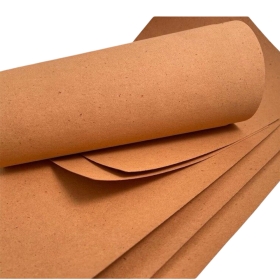
Sold: Sheet
Incl. VAT Exl. VAT
Sold: Per Sheet
Incl. VAT Exl. VAT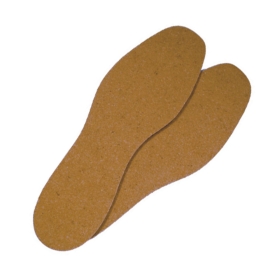
Sold: Pair
Incl. VAT Exl. VAT
Sold: 1000 x 1500mm Sheet
Incl. VAT Exl. VAT