




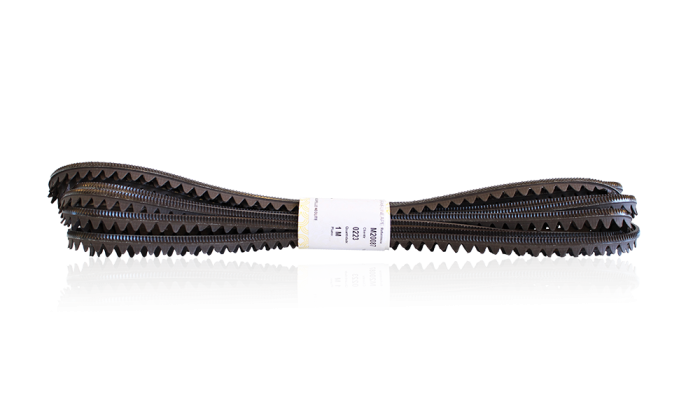
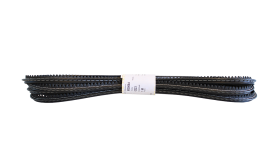
Lucca Resin Rand for Shoe Production or Repair
Rubber welting or Blake construction, is used in footwear to create sleek, flexible, and comfortable shoes, typically found in dress shoes.
While it may not offer the same level of durability as Goodyear welting, it is a popular choice for specific types of footwear.
Sold: Sold per Metre - Cut from 50m Roll
Incl. VAT Exl. VAT
Product Description
Flexible Rubber Shoe Rand for Shoe Production or Repair
A flexible rubber rand designed for footwear manufacturing and repair, helping create a streamlined finish in Blake-style and similar shoe constructions.
What is it?
The Lucca Resin Rand is a flexible rubber edging material used in shoe manufacturing and repair. It is commonly applied around the junction between the upper and the sole, helping provide a clean visual transition and contributing to the finished appearance of the footwear.
In modern footwear construction, materials such as rubber rands are often used as part of Blake-style or similar constructions. In these designs, the upper is stitched directly to the sole rather than being attached through a traditional welt. The resin rand helps support the finishing of this joint while maintaining flexibility and a neat edge.
Because the material is rubber-based, it offers a balance between flexibility and durability. This makes it particularly suitable for footwear styles where a sleek silhouette is important, such as dress shoes or refined casual footwear.
The Lucca Resin Rand is supplied by the metre and cut from a larger 50 metre roll. This allows workshops and manufacturers to purchase only the length required for a particular project, whether repairing a single pair of shoes or producing multiple pairs during manufacturing.
Who is it for?
This material is designed primarily for professionals working in footwear production or repair. It may be used by shoemakers, cobblers, orthopaedic footwear technicians, footwear manufacturers and repair specialists who require flexible edging materials as part of their construction process.
In shoe production environments, the resin rand can help create a smooth transition between the upper and the outsole while maintaining the overall shape and finish of the shoe. It is often selected for designs where a slim and elegant profile is important.
For repair specialists, the rand can be used when refurbishing shoes where the edge between the upper and the sole needs replacement or reinforcement. It can also assist when rebuilding the structure around the sole area during restoration work.
Because it is available in commonly used colours such as black and brown, it can be matched to a wide variety of footwear styles without compromising the visual appearance of the finished shoe.
What does it help with?
- Shoe edge finishing – helps create a clean transition between upper and sole.
- Blake-style construction – supports streamlined footwear construction methods.
- Flexible shoe design – maintains flexibility where the upper and sole meet.
- Footwear repair – useful when restoring worn edges or replacing damaged rand sections.
- Lightweight footwear production – contributes to designs where bulkier welting is not required.
- Visual finishing – helps maintain a refined and professional appearance.
How does it work?
In Blake-style shoe construction, the upper is stitched directly to the sole using a specialised sewing method. Unlike traditional welted construction, which uses a separate leather welt stitched around the perimeter of the shoe, this approach results in a slimmer and more flexible profile.
The resin rand is applied along the edge of the sole and upper area to help create a finished boundary between the components. It may be attached using adhesives or integrated during assembly depending on the construction method used by the manufacturer or repair technician.
The rubber composition allows the rand to flex with the natural movement of the shoe during walking. This helps maintain comfort and reduces the likelihood of stiffness around the sole edge.
Because the material is relatively lightweight compared with traditional leather welts, it is commonly used in footwear styles where a sleek aesthetic and comfort are priorities rather than heavy-duty durability.
Expected Comfort / Use Timeline
Initial installation
When first installed during shoe production or repair, the rand provides a neat edge between the upper and sole. Proper bonding and finishing are important to ensure a consistent appearance and long-lasting attachment.
Short-term use
During early wear, the flexibility of the rubber material allows the shoe to move naturally with the foot. This can contribute to the comfortable feel often associated with Blake-style footwear construction.
Ongoing wear
Over time, the rand continues to provide edge protection and visual finishing. Depending on use conditions, footwear may eventually require repair or resoling, at which point the rand can be replaced if needed.
| Common problem | How the product helps |
|---|---|
| Edge between upper and sole looks unfinished | The resin rand creates a clean and consistent edge around the shoe. |
| Shoes require flexible construction | The rubber material supports movement without excessive stiffness. |
| Traditional welting adds unwanted bulk | The rand supports slimmer Blake-style construction. |
| Repair work requires edge replacement | The material can be cut and applied during refurbishment. |
| Lightweight footwear design required | The rubber rand helps reduce overall shoe weight compared to thicker welts. |
| Matching shoe colour during repair | Available in black and brown for easier colour coordination. |
Key benefits
- Flexible rubber rand suitable for streamlined footwear construction.
- Supports Blake-style and similar shoe assembly methods.
- Helps create a refined edge between the upper and sole.
- Lightweight material suitable for dress and casual footwear styles.
- Available in common footwear colours for easy matching.
- Supplied per metre, allowing workshops to purchase only the required length.
Fit & comfort check
For the best results, the rand should sit neatly along the edge of the shoe without stretching or distortion.
- Ensure the material follows the natural shape of the sole edge.
- Apply evenly using suitable adhesives or construction methods.
- The finished edge should appear smooth and consistent.
- A properly installed rand should look secure and natural rather than tight or uneven.
Common mistakes to avoid
- Cutting the material too short, which can create tension around the shoe edge.
- Applying uneven adhesive that may lead to lifting or gaps.
- Using the rand on footwear designs that require heavier structural welting.
- Failing to colour match the rand to the shoe during repair work.
How to use
- Measure the perimeter of the shoe edge where the rand will be installed.
- Cut the required length from the supplied roll.
- Prepare the shoe edge by cleaning and ensuring the surface is dry.
- Apply suitable adhesive if required according to workshop practice.
- Position the rand carefully along the edge of the sole and upper.
- Press evenly to ensure consistent adhesion and alignment.
- Trim and finish the edges for a clean, professional appearance.
Technical specifications
| Specification | Details |
|---|---|
| Product name | Lucca Resin Rand |
| Product type | Footwear rand / welting material |
| Primary use | Shoe manufacturing and repair |
| Construction compatibility | Blake-style and similar footwear construction |
| Material | Rubber resin compound |
| Available colours | Black, Brown |
| Supply format | Sold per metre |
| Roll length | Cut from 50 metre roll |
| Application | Edge finishing between shoe upper and sole |
| Intended users | Shoemakers, cobblers, footwear technicians and repair workshops |
Frequently asked questions
What is a shoe rand used for?
A shoe rand is used to create a finished edge between the upper and the sole of footwear. It can improve the visual appearance of the shoe and support certain construction methods.
Is this the same as traditional leather welting?
No. Traditional welting uses a leather strip stitched around the shoe. Resin rand materials are typically used in slimmer constructions such as Blake-style shoes.
Can it be used during shoe repair?
Yes. The material can be used by repair professionals when restoring or rebuilding the edge between the upper and the sole.
What colours are available?
The rand is available in black and brown to match common footwear colours.
How is it supplied?
The material is sold per metre and cut from a 50 metre roll, allowing flexible ordering depending on workshop requirements.
Is it suitable for heavy-duty footwear?
It is generally used in footwear where flexibility and appearance are priorities. Heavy-duty work footwear may require alternative construction methods.
Does it affect shoe comfort?
Because rubber rands are flexible and lightweight, they can support comfortable movement in footwear designed with streamlined construction.
Complementary / pairing suggestions
The Lucca Resin Rand may be used alongside other footwear production materials commonly used in manufacturing and repair workshops. These may include outsole sheets, adhesives, edge finishing compounds, heel blocks and stitching threads designed for footwear construction.
When used as part of a wider shoe repair process, it may also be paired with replacement soles, protective top pieces or finishing tools that help restore the appearance and structure of worn footwear.
Content credibility
Written by: Algeos Product & Clinical Content Team
Last reviewed: March 2026
This content is provided for buyer guidance and product understanding. It is not intended as manufacturing instruction or professional footwear engineering advice.
Frequently bought together
Sold: Sold per Metre - Cut from 50m Roll
Incl. VAT Exl. VAT
Sold: Each
Incl. VAT Exl. VAT
Sold: 1320 x 830mm Sheet
Incl. VAT Exl. VAT
Sold: Each (sheet)
Incl. VAT Exl. VAT
Sold: Sold per Sheet
Incl. VAT Exl. VAT
Sold: Sheet
Incl. VAT Exl. VAT
Sold: Sold per Sheet
Incl. VAT Exl. VAT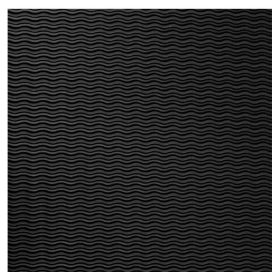
Sold: Sold per Sheet
Incl. VAT Exl. VAT
Sold: Sold per Metre - Cut from 50m Roll
Incl. VAT Exl. VAT