




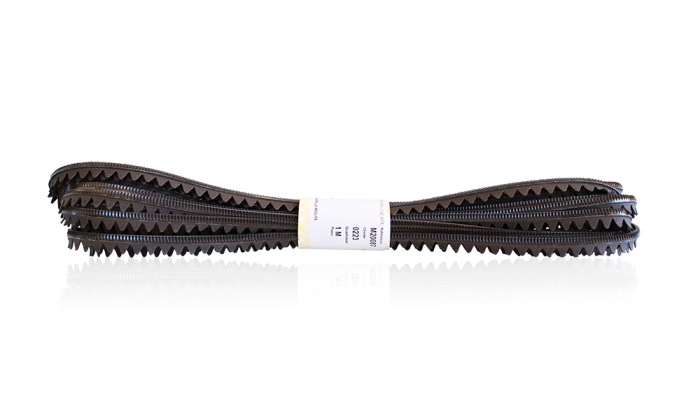
Torino EVA Randing Welt for Shoe Repairs and Footwear Making
EVA Welting is used in footwear to create sleek, flexible and comfortable shoes, typically found in dress shoes and other styles where a refined appearance and comfort are primary considerations.
While it may not offer the same level of durability as Goodyear welting, it is a popular choice for specific types of footwear and situations where style and comfort are paramount.
Sold: Sold per Metre - Cut from 50m Roll
Incl. VAT Exl. VAT
Product Description
Flexible EVA Randing Welt Strip for Shoe Repairs
Lightweight EVA randing welt used in footwear construction and repair to create a clean edge finish while supporting flexible and streamlined shoe designs.
- Best for: footwear manufacture, shoe repair, and lightweight flexible shoe construction
- Not ideal for: heavy-duty welt construction requiring thick leather welting
- Flexible EVA material supports lightweight footwear designs
- Creates a clean, streamlined edge finish around the shoe
- Suitable for repair work and new footwear manufacture
What is it?
The Torino EVA Randing Welt is a flexible strip of EVA material used in footwear manufacture and shoe repair to create a clean and functional rand around the edge of a shoe. The rand is the strip that runs along the join between the upper and the sole, helping protect the shoe while creating a finished appearance.
In many footwear designs, randing material is used to cover the junction between the upper and the sole unit. This provides both visual finishing and a level of protection to the shoe’s structure. EVA randing is commonly used where flexibility, lightweight construction, and a sleek appearance are important.
EVA (ethylene-vinyl acetate) is a synthetic material known for its flexibility, durability, and lightweight properties. Because of these characteristics, it is frequently used in footwear components such as midsoles, padding layers, and randing materials.
The Torino EVA Randing Welt provides a practical solution for shoemakers and repair specialists who need a flexible edge material that can adapt to different footwear designs. It can be cut and applied as needed, making it suitable for both production work and individual shoe repairs.
This material is sold per metre and cut from a 50 metre roll, allowing users to purchase the length required for their specific project or repair task.
Who is it for?
This product is intended for professionals and specialists involved in footwear manufacture, repair, and modification. It is commonly used by shoemakers, cobblers, orthopaedic footwear technicians, and repair workshops.
Because the material can be cut and shaped easily, it is suitable for a wide range of footwear styles and construction methods.
- Shoemakers producing flexible or lightweight footwear
- Cobblers performing shoe repairs or sole replacements
- Orthopaedic footwear technicians modifying footwear
- Footwear manufacturers producing dress or casual shoes
- Repair workshops restoring worn shoe edges
The adaptability of the material makes it useful in both small-scale repair work and larger production environments.
What does it help with?
Randing materials play an important role in finishing and protecting the edge of a shoe. They help create a smooth transition between the upper and the sole while also improving durability at this junction.
- Shoe edge finishing: helps create a clean and professional edge appearance
- Upper-to-sole protection: helps protect the join between shoe components
- Flexible footwear construction: EVA material supports natural shoe flexibility
- Lightweight footwear design: helps reduce overall shoe weight
- Shoe repair work: useful for replacing worn randing sections
By reinforcing the edge of the shoe, randing material can help improve the longevity and appearance of footwear.
How does it work?
The randing welt is applied around the perimeter of the shoe where the upper meets the sole. Depending on the footwear construction method, it may be attached using adhesives, stitching, or a combination of both.
In many modern footwear designs, EVA randing is used alongside construction methods that prioritise flexibility and a streamlined appearance. Unlike traditional leather welting used in Goodyear welt construction, EVA randing focuses on lightweight performance and a clean finish.
When applied correctly, the rand acts as a protective strip that helps shield the upper-to-sole join from wear and environmental exposure. It can also help provide a visually refined edge to the finished shoe.
Because EVA is flexible and easy to shape, it adapts well to curves and contours along the edge of the shoe. This allows shoemakers and repair professionals to achieve a neat finish even on complex shoe designs.
Expected comfort / use timeline
Initial installation
When installed during footwear manufacture or repair, the EVA rand integrates with the shoe structure and forms a protective edge between the upper and sole.
Short-term use
During early wear, the flexible nature of EVA allows the rand to move with the shoe without adding stiffness or unnecessary bulk.
Ongoing use
Over time, the material continues to provide protection and maintain the visual finish of the shoe edge. Durability will depend on the footwear type, usage conditions, and installation quality.
Problem → Solution
| Common problem | How the product helps |
|---|---|
| Exposed join between the upper and sole | Randing covers the edge and creates a clean finish |
| Edge wear on footwear | Protective strip helps shield the join area |
| Bulky traditional welt construction | EVA randing supports slimmer shoe designs |
| Need for flexible footwear components | EVA material allows natural shoe movement |
| Repairing worn shoe edges | Material can replace damaged or missing randing |
Key benefits
- Flexible EVA material supports lightweight shoe construction
- Provides a neat and professional edge finish
- Suitable for footwear manufacture and repair work
- Easily cut to the required length
- Adaptable to different shoe shapes and designs
- Supplied per metre for practical workshop use
Fit & application check
For the best results during footwear manufacture or repair:
- Ensure the randing strip follows the shoe edge evenly
- The material should sit flush against the upper and sole
- Avoid stretching the strip excessively during installation
- Check alignment along the entire perimeter of the shoe
Careful positioning helps achieve a clean finish and reliable edge protection.
Common mistakes to avoid
- Cutting the material too short for the shoe perimeter
- Applying the rand unevenly along curved shoe edges
- Using insufficient adhesive during installation
- Expecting EVA randing to replace structural welting systems
How to use
- Measure the perimeter of the shoe where the rand will be applied.
- Cut the required length of EVA randing from the roll.
- Prepare the shoe edge by cleaning and smoothing the surface.
- Apply adhesive or stitching depending on the construction method.
- Position the randing evenly along the upper-to-sole junction.
- Press firmly and allow the adhesive to set according to manufacturer instructions.
Technical specifications
| Specification | Details |
|---|---|
| Product name | Torino EVA Randing Welt |
| Material | EVA (ethylene-vinyl acetate) |
| Product type | Footwear randing / welt strip |
| Typical use | Shoe manufacture and repair |
| Construction compatibility | Flexible footwear construction methods |
| Supply format | Sold per metre |
| Roll length | Cut from 50 metre roll |
| Colour | Varies by option |
| Care | Store in a clean, dry workshop environment |
Frequently asked questions
What is EVA randing used for?
EVA randing is used to finish and protect the edge where the upper meets the sole in many types of footwear.
Is this suitable for shoe repairs?
Yes. It is commonly used by cobblers and repair professionals to replace worn randing or improve edge finishing.
How is the material supplied?
The randing is sold per metre and cut from a 50 metre roll.
Can the material be cut easily?
Yes. EVA randing can typically be cut to length using standard workshop tools used in footwear repair.
Is EVA randing flexible?
Yes. EVA material is known for its flexibility, which allows it to adapt to the shape of the shoe.
Is this the same as traditional leather welting?
No. EVA randing provides a flexible edge finish, whereas traditional welting systems such as Goodyear welting are structural construction methods.
Complementary product suggestions
- Shoe repair adhesives for bonding randing materials
- Replacement outsoles for footwear repair projects
- Sanding and finishing tools used in shoe repair workshops
- Orthopaedic footwear materials for custom shoe modifications
- Protective edge finishing materials for footwear construction
Content credibility
Written by: Algeos Product & Clinical Content Team
Last reviewed: March 2026
This content is intended to provide product guidance for buyers and footwear professionals. It does not replace professional training or manufacturing expertise.
Frequently bought together
Sold: Pack of 100
Incl. VAT Exl. VAT
Sold: Sheet
Incl. VAT Exl. VAT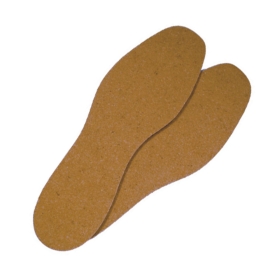
Sold: Pair
Incl. VAT Exl. VAT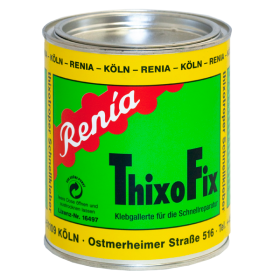
Sold: 650g
Incl. VAT Exl. VAT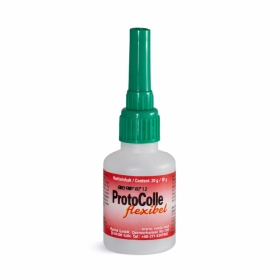
Sold: 20g
Incl. VAT Exl. VAT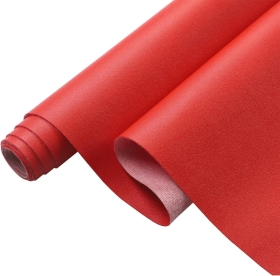
Sold: Sold per Sheet
Incl. VAT Exl. VAT
Sold: 100g
Incl. VAT Exl. VAT
Sold: Each
Incl. VAT Exl. VAT
Sold: Sheet 1m x 1m
Incl. VAT Exl. VAT
Sold: Bulk Packs - 1000
Incl. VAT Exl. VAT
Sold: 10m Roll
Incl. VAT Exl. VAT
Sold: Sold per Sheet
Incl. VAT Exl. VAT
Sold: Skin
Incl. VAT Exl. VAT
Sold: Skin
Incl. VAT Exl. VAT
Sold: Each
Incl. VAT Exl. VAT
Sold: Sold per Metre - Cut form 50m Roll
Incl. VAT Exl. VAT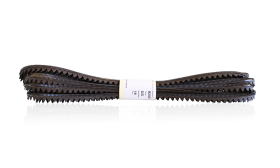
Sold: Sold per Metre - Cut from 50m Roll
Incl. VAT Exl. VAT
Sold: Sold per Metre - Cut from 50m Roll
Incl. VAT Exl. VAT