



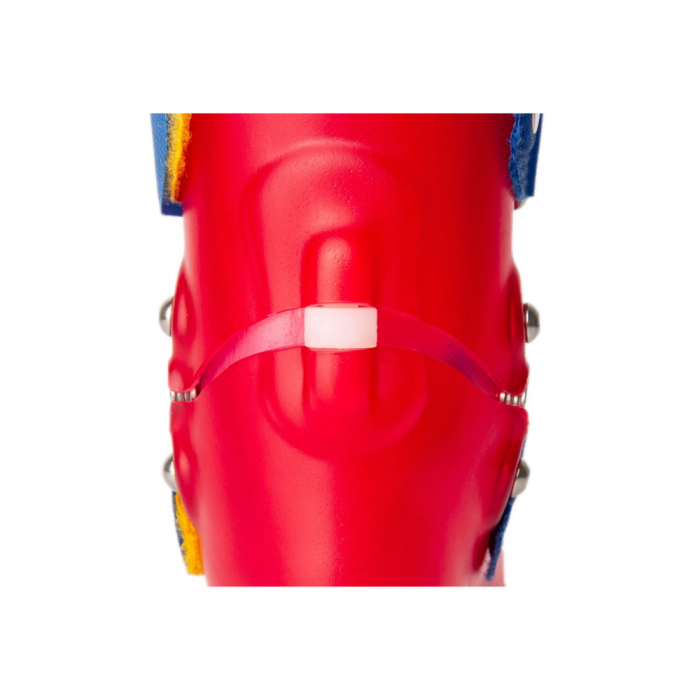
Snapstop Adult Plantar Flexion AFO Bumper
Tool-free adjustability helps simplify fitting and follow-up appointments.
Large impact surface supports controlled stop engagement.
Angled bumper heads maintain surface contact through the adjustment range.

Product Description
Adjustable AFO Plantar-Flexion Stop
Snapstop is an adjustable plantar-flexion stop system designed to let clinicians and fabricators make quick, practical sagittal alignment changes without glues, screws, or tools.
Best for: Orthotic fabrication and post-fabrication adjustment where controlled plantar-flexion stopping and fine-tuning of shank angle are important.
Not ideal for: Situations where a non-adjustable, fixed build is specifically preferred or where the user is seeking a soft compressible bumper effect.
- Low-profile adjustable design intended to limit shoe interference
- Tool-free bumper changes from either the top or bottom
- Designed for straightforward encapsulation during vacuum forming
What is it?
Snapstop Adult Plantar Flexion Bumper and Molding Blank is a component system used in ankle-foot orthosis fabrication to create an adjustable posterior stop. It is designed to give the practitioner control over plantar-flexion stopping and sagittal alignment, while keeping the finished orthosis practical, compact, and easy to modify after fabrication.
At its core, the system allows the required stop to be snapped into place rather than fixed with adhesives, screws, or tools. This makes it easier to refine alignment on the spot when patient presentation, gait pattern, tolerance, or footwear requirements change. For clinics and fabrication teams, that can make day-to-day adjustment more efficient and more predictable.
The molding blank is used during fabrication and is intended to be cut through as part of the process. It is not reusable. Once vacuum forming is complete, the finished arrangement supports later bumper selection and replacement, making the orthosis easier to optimise without remaking the entire device.
This product is particularly relevant where adjustability matters, where durable alignment is needed over time, and where keeping a low profile inside footwear is a practical priority.
Who is it for?
Snapstop is aimed primarily at orthotists, prosthetists, technicians, and other clinicians involved in the fabrication and fitting of ankle-foot orthoses. It is also relevant in rehabilitation settings where brace performance may need to be reviewed over time as walking pattern, muscle tone, strength, or functional goals change.
It is suitable for adult AFO applications where controlled plantar-flexion limitation is clinically useful and where simple post-fabrication optimisation can improve final performance. Because orthotic management often involves some degree of trial, review, and refinement, a component that allows quick adjustment can support a more responsive fitting process.
Typical use cases may include AFO designs for patients with gait deviations that benefit from plantar-flexion control, alignment refinement, or carefully managed shank angle. It may also appeal to clinicians who want a practical system that helps them demonstrate attention to detail when working collaboratively with referrers, therapists, and wider care teams.
In practical terms, this product is for professionals who want adjustment without unnecessary complexity and who value a durable stop that is designed to preserve alignment rather than gradually compress over time.
What does it help with?
Snapstop is designed to help solve several common challenges in orthotic fabrication and follow-up fitting. Rather than relying on a fixed stop that may need more involved modification later, it allows controlled changes that can be made quickly in clinic or workshop settings.
- Need for alignment changes: may help clinicians fine-tune sagittal alignment without rebuilding the orthosis.
- Post-fabrication optimisation: supports simple adjustment of shank angle after the device has already been made.
- Durability concerns: designed not to wear or compress in the way softer components sometimes can.
- Shoe interference: low-profile construction can reduce bulk and improve practical wear in footwear.
- Workflow efficiency: tool-free adjustment can reduce disruption during fitting and review appointments.
- Functional flexibility: bumper removal may allow plantar-flexion when needed, such as for driving in selected cases.
- Night-time positioning options: additional bumpers can be added to increase dorsiflexion during sleep to support a gastrocnemius and soleus stretch strategy where clinically appropriate.
The overall benefit is not simply that the stop is adjustable, but that the adjustment is quick, practical, and durable enough to support ongoing brace performance over time.
How does it work?
Snapstop works by allowing the practitioner to select and snap in the bumper that delivers the desired plantar-flexion stop and sagittal alignment. Because the system can be accessed from the top or bottom, adjustment is more convenient than many traditional methods that depend on fixings, adhesives, or more involved workshop changes.
The angled bumper heads are designed to maintain full surface contact throughout the adjustable range. This matters because contact consistency can influence how reliably the stop behaves under load. A larger impact surface also helps the stop function in a stable and controlled manner.
During fabrication, the molding blank is encapsulated as part of the vacuum-forming process. It is designed to be cut through and is not reusable. A practical fabrication note is that grinding down or cutting the head of the brad nail can make it easier to remove after vacuum forming. Once the orthosis is complete, the bumper configuration can then be changed as required.
Because the stop is designed not to wear or compress, it helps preserve the intended sagittal alignment over time. This can reduce the risk of gradual functional regression caused by component compression and can help the orthosis continue to perform as intended between reviews.
Expected use timeline
First use
At the first fitting, the main benefit is usually clinical convenience rather than patient sensation. The orthosis can be reviewed and the bumper changed quickly to establish a more appropriate sagittal set-up without tools or complex rework. This can support a smoother fitting session and more immediate adjustment decisions.
Short-term use (days)
Over the first few days of wear, the adjustable stop allows the clinician to review whether the chosen alignment is delivering the intended functional effect in day-to-day use. If footwear interaction, gait pattern, or tolerance suggests a change is needed, the bumper can be swapped without a major fabrication step.
Ongoing use (weeks)
Over longer wear periods, the non-compressing design may help maintain the selected sagittal alignment more consistently than softer stop materials. That can support stable orthotic function and reduce the need for repeat correction caused by component breakdown. As with any orthotic intervention, ongoing review remains important and outcomes depend on overall device design, patient presentation, and clinical follow-up.
Problem → solution
| Common problem | How the product helps |
|---|---|
| Fixed plantar-flexion stop no longer suits the patient after fitting | Allows quick bumper changes so sagittal alignment can be adjusted without glues, screws, or tools. |
| Orthosis needs fine-tuning after fabrication | Supports simple post-fabrication optimisation of shank angle in a practical clinical setting. |
| Bulky stop design interferes with footwear | Low-profile construction is designed to limit shoe interference. |
| Concern that a softer stop may wear down over time | Designed not to wear or compress, helping preserve alignment and reduce functional drift. |
| Adjustment process is slow or workshop-dependent | Snap-in configuration makes on-the-spot changes easier during fitting or review. |
| Need for additional dorsiflexion positioning during sleep | Additional bumpers can be added to increase dorsiflexion where that approach is clinically appropriate. |
Key benefits
- Tool-free adjustability helps simplify fitting and follow-up appointments
- Large impact surface supports controlled stop engagement
- Angled bumper heads maintain surface contact through the adjustment range
- Low-profile design can improve practicality inside footwear
- Durable construction is designed to preserve sagittal alignment over time
- Supports a more responsive, detail-focused orthotic workflow
Fit & comfort check
A well-adjusted Snapstop set-up should feel snug, not painful in overall orthosis use. The stop selection should support the intended function without creating unnecessary bulk, excessive restriction, or avoidable shoe conflict.
When reviewing fit, check that the selected bumper is providing the intended plantar-flexion limit, that footwear closes comfortably, and that the orthosis is not being forced into an unsuitable alignment. If the patient reports discomfort, poor shoe fit, or a change in walking pattern, review the bumper choice and the overall brace set-up rather than assuming the current setting is correct.
This section is especially important for reducing misuse and unnecessary remakes. Adjustment should feel purposeful and controlled, not improvised or excessive.
Common mistakes to avoid
- Expecting the component on its own to resolve broader fit or gait issues without reviewing the full orthosis design
- Over-adjusting too quickly instead of assessing the effect of each change in a controlled way
- Ignoring footwear compatibility when selecting the final bumper set-up
- Reusing the molding blank after fabrication, even though it is designed to be cut through and is not reusable
How to use
- In fabrication, encapsulate the molding blank during vacuum forming in line with your normal orthotic workflow.
- Prepare for removal after forming; grinding down or cutting the head of the brad nail may make removal easier.
- Complete the orthosis and confirm that the stop area is ready to accept the bumper configuration.
- Select the bumper that gives the sagittal alignment and plantar-flexion stop appropriate to the intended function.
- Snap the bumper into place from the top or bottom as required, without using glues, screws, or tools.
- Assess standing, walking, shoe fit, and overall orthosis behaviour before finalising the setting.
- At follow-up, change or add bumpers conservatively if clinical review indicates that refinement is needed.
Technical specifications
| Specification | Details |
|---|---|
| Product type | Adjustable plantar-flexion stop and molding blank for AFO fabrication |
| Size range | Adult size; pediatric and adult sizes are available within the Snapstop range |
| Adjustment method | Snap-in bumper adjustment from top or bottom |
| Tools required | No tools required for adjustment |
| Fixing method | No glues or screws required for normal adjustment |
| Profile | Low-profile design |
| Impact surface | Large impact surface designed for consistent stop engagement |
| Bumper head design | Angled heads designed to maintain full surface contact through the adjustment range |
| Fabrication method | Simple encapsulation during vacuum forming |
| Molding blank reuse | Not reusable; designed to be cut through |
| Compatibility | Designed to work with X-tension |
| Care and maintenance | Inspect as part of routine orthosis review; replacement needs vary by use and set-up |
| Pack contents | Varies by option |
| Weight | Varies by option |
| Dimensions | Varies by option |
| Colours | Varies by option |
Frequently asked questions
Is Snapstop intended for adult orthoses only?
This version is the adult plantar-flexion bumper and molding blank. The broader Snapstop range also includes pediatric and adult sizes.
Do I need tools to make adjustments?
No. The system is designed for tool-free adjustment, with the stop snapped into place from either the top or bottom.
Can it be changed after the orthosis has been fabricated?
Yes. One of the main advantages is simple post-fabrication optimisation, allowing the clinician to refine shank angle and stop behaviour without a full remake.
Will the stop compress over time like some softer materials?
It is designed not to wear or compress in normal use, helping preserve sagittal alignment over time.
Does the low-profile design help with footwear?
Yes. The low-profile construction is intended to limit shoe interference, which can be important in everyday brace wear.
Can the bumper be removed for driving?
In suitable cases, it can be removed to allow plantar-flexion for driving. This should always be considered within the wider clinical and safety context of the user’s orthosis and functional ability.
Is the molding blank reusable?
No. The molding blank is designed to be cut through during fabrication and is not reusable.
Complementary / pairing suggestions
Snapstop can be paired logically with other AFO fabrication and optimisation components, including alignment-focused joint systems, compatible extension components such as X-tension, padding and strap materials, and footwear interface solutions intended to reduce bulk or improve brace accommodation.
It may also sit well within a broader orthotic review process that includes liner selection, strap refinement, and gait reassessment after delivery. For practitioners who prioritise fine adjustment, pairing with other modular AFO components can help create a more adaptable final device.
Content credibility
Written by: Algeos Product & Clinical Content Team
Last reviewed: March 2026
This content is intended as buyer guidance to support product understanding and selection. It is not a diagnosis and does not replace individual clinical judgment or medical advice.
Sold: Sold Individually
Incl. VAT Exl. VAT
Sold: Each PLUS Moulding Dummy
Incl. VAT Exl. VAT
Sold: Pack of 25
Incl. VAT Exl. VAT
Sold: Pair
Incl. VAT Exl. VAT
Sold: Each
Incl. VAT Exl. VAT
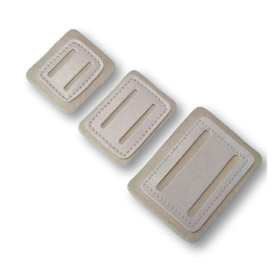
Sold: Sold Individually
Incl. VAT Exl. VAT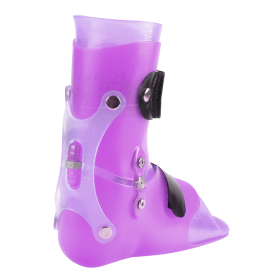
Sold: Sold Individually
Incl. VAT Exl. VAT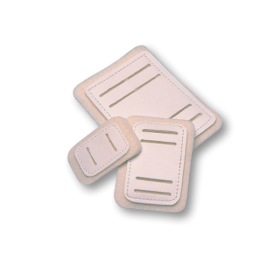
Sold: Sold Individually
Incl. VAT Exl. VAT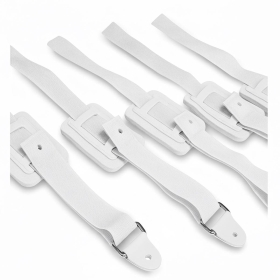
Sold: Pack of 5 Straps
Incl. VAT Exl. VAT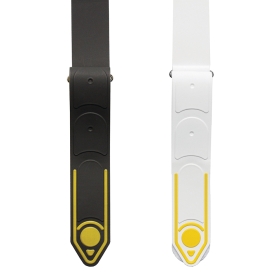
Sold: Pack of 10
Incl. VAT Exl. VAT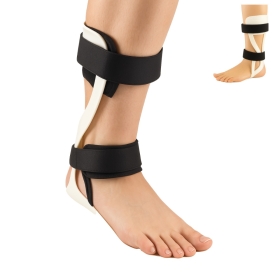
Sold: Each
Incl. VAT Exl. VAT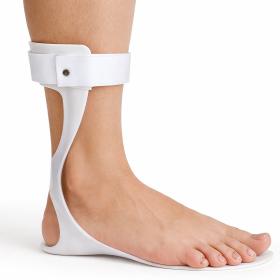
Sold: Each
Incl. VAT Exl. VAT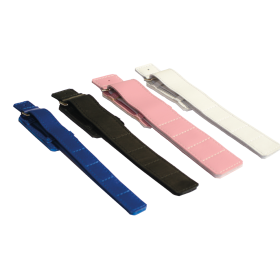
Sold: Sold Individually
Incl. VAT Exl. VAT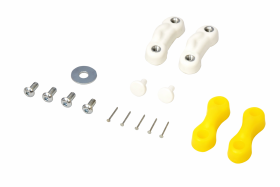
Sold: Kit
Incl. VAT Exl. VAT

Sold: Each PLUS Moulding Dummy
Incl. VAT Exl. VAT