



Shoe Size Chart
| UK Size | EU Size | USA Size (Men) | USA Size (Women) | Foot Length (cm) |
|---|---|---|---|---|
| 5 | 38 | 6 | 7.5 | 24.5 |
| 6 | 39 | 7 | 8.5 | 25.4 |
| 7 | 40 | 8 | 9.5 | 26.0 |
| 8 | 42 | 9 | 10.5 | 27.0 |
| 9 | 43 | 10 | 11.5 | 27.9 |
| 10 | 44 | 11 | 12.5 | 28.6 |
| 11 | 45 | 12 | 13.5 | 29.4 |
| 12 | 46 | 13 | 14.5 | 30.2 |
| 13 | 47 | 14 | 15.5 | 31.0 |
International Shoe Sizes Explained: UK, US, EU & Mondopoint
Let’s make international shoe size conversion simple. UK, US, EU and Mondopoint systems all measure differently, and brands add their own quirks. This quick, no-nonsense guide helps podiatrists, physiotherapists, shoe fitters and everyday shoppers find the right size, first time.
Main Sizing Systems (Plain-English)
- UK sizes: Increase in one-third-inch steps. Adult ranges commonly Men 3–13, Women 2–9.
- US sizes: Rule of thumb: Men: UK + 1; Women: UK + 2.
- EU sizes: Paris points (1 point ≈ 6.67 mm). Approx. Men: UK + 34; Women: UK + 33.
- Mondopoint: Foot length (and sometimes width) in millimetres (e.g., 270 mm = 270). Common in safety, military and ski boots.
Fast Conversion (At-a-Glance Tables)
Conversions are approximate. Last shape, toe allowance and brand policy vary. If in doubt, measure and try on.
Men’s Shoe Size Conversion
| UK | US | EU | Mondopoint (mm, approx.) |
|---|---|---|---|
| 3 | 4 | 37 | 247 |
| 4 | 5 | 38 | 253 |
| 5 | 6 | 39 | 260 |
| 6 | 7 | 40 | 267 |
| 7 | 8 | 41 | 273 |
| 8 | 9 | 42 | 280 |
| 9 | 10 | 43 | 287 |
| 10 | 11 | 44 | 293 |
| 11 | 12 | 45 | 300 |
| 12 | 13 | 46 | 307 |
Women’s Shoe Size Conversion
| UK | US | EU | Mondopoint (mm, approx.) |
|---|---|---|---|
| 2 | 4 | 35 | 233 |
| 3 | 5 | 36 | 240 |
| 4 | 6 | 37 | 247 |
| 5 | 7 | 38 | 253 |
| 6 | 8 | 39 | 260 |
| 7 | 9 | 40 | 267 |
| 8 | 10 | 41 | 273 |
| 9 | 11 | 42 | 280 |
How to Measure Your Feet (Clinic & Home)
- Measure length in mm: Stand on paper, heel to wall. Mark the longest toe; measure heel-to-toe. Repeat both feet and use the larger.
- Measure width: Wrap a tape around the widest forefoot. Note brands with width fittings (e.g., D/E/EE or EU width codes).
- Match to a chart: Start with Mondopoint or the brand’s own guide; then cross-reference to UK/US/EU.
- Allow for the job: Runners may need up to a thumb’s width; dress shoes usually less. Orthotics reduce internal volume - plan accordingly.
Professional Tips (for Podiatrists, Physios, Orthotists & Fitters)
- Think function, not just length: Forefoot width, heel grip, instep height and orthotic volume all matter.
- Account for socks & swelling: Diabetics, oedema and long-shift wearers may need extra room.
- Beware brand drift: Some labels “vanity size” or cut narrow/short. Check internal length if published.
- Devices change fit: AFOs, heel lifts and cushioned insoles eat space—consider half-size up or wider lasts.
Common Pitfalls (With Quick Fixes)
- All EU 42s are equal. They’re not. Last shape and toe spring change feel. Measure internal length or try on.
- Ignoring width. Right length, wrong squeeze. Choose width fittings or a broader last.
- Wrong allowance for activity. More room for mileage, less for formal wear.
Quick Reference: Simple Rules of Thumb
- Men: US = UK + 1; EU = UK + 34.
- Women: US = UK + 2 - EU = UK + 33.
- Mondopoint (mm): EU size × 6.67 (approx)
FAQ
Are these conversions exact?
No - treat them as guides. Brand lasts and allowances vary. Always check the brand’s chart and, where possible try on.
What if my feet are different sizes?
Buy for the larger foot. Use an insole, pad or lacing technique to secure the smaller foot.
How does width sizing work?
Systems vary (e.g. D/E/EE or numeric). Tingling, numbness or pressure across the forefoot usually means you need a wider fit.
Do orthotics change my size?
Often, yes. Orthotics reduce internal volume. Consider a half-size up or a wider last and ensure removable insoles.
What’s the safest way to convert sizes online?
Start with the brand’s own chart, cross-check general tables, and read user fit feedback. When in doubt, measure in millimetres (Mondopoint).
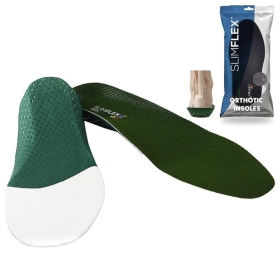

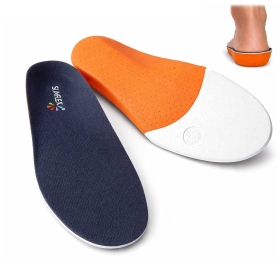
Sold: Sold per Pair
Incl. VAT Exl. VAT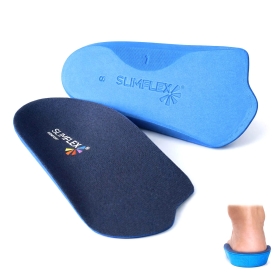
Sold: Sold per Pair
Incl. VAT Exl. VAT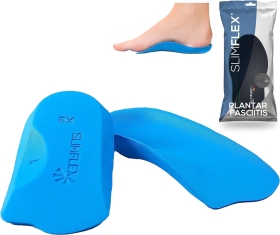
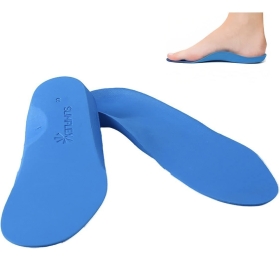
Sold: Sold per Pair
Incl. VAT Exl. VAT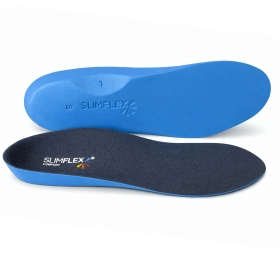
Sold: Sold per Pair
Incl. VAT Exl. VAT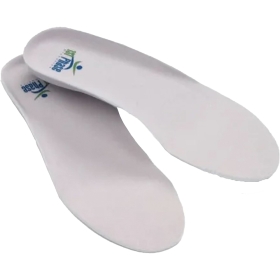
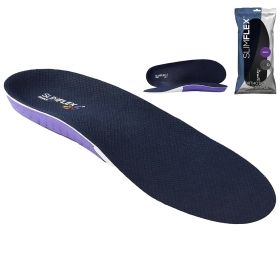
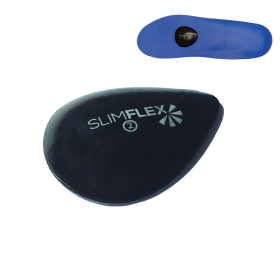
Sold: Pack of 10
Incl. VAT Exl. VAT
Sold: Sold per Pair
Incl. VAT Exl. VAT