



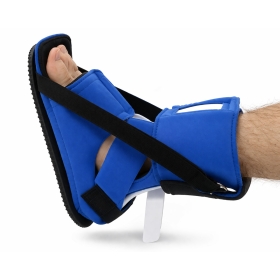
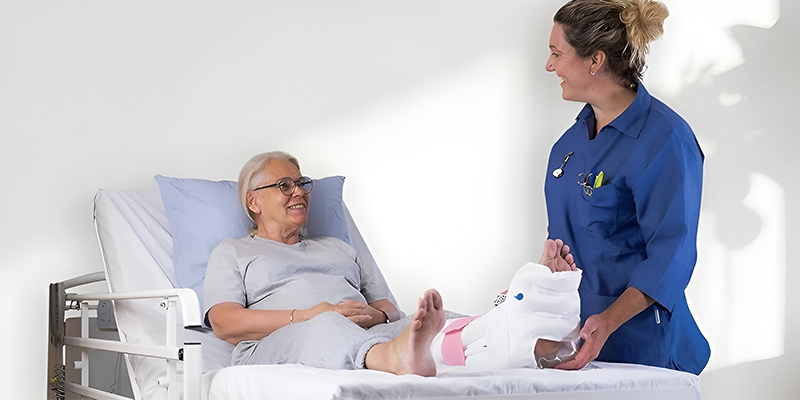
A post-op shoe (post-operative shoe) is a medical footwear device used after foot surgery, fractures, ulcer care or soft-tissue procedures to protect the foot and reduce stress during walking.
SHOW PRICES WITH OR WITHOUT VAT? MANY BUSINESS CUSTOMERS PREFER TO VIEW PRICES EXCLUDING VAT.
0151 448 1228 (UK)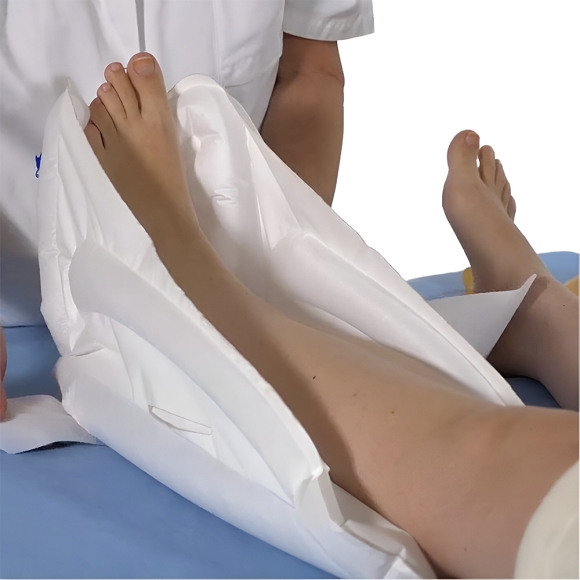
Pressure care, diabetic foot support and heel offloading
Heel Protection for Pressure Sores
Prolonged pressure, friction and shear at the heel can quickly lead to skin breakdown, particularly in bedbound, immobile and high-risk patients. Heel offloading solutions help reduce these stresses and support safer, more practical pressure care for clinicians and carers.
Our heel pressure relief range offers a simple, effective way to support pressure ulcer prevention, improve comfort and protect delicate skin in both clinical and home care settings.
Heel offloading Pressure redistribution Bed sore prevention support Diabetic foot risk reduction
What are heel protectors for pressure sores?
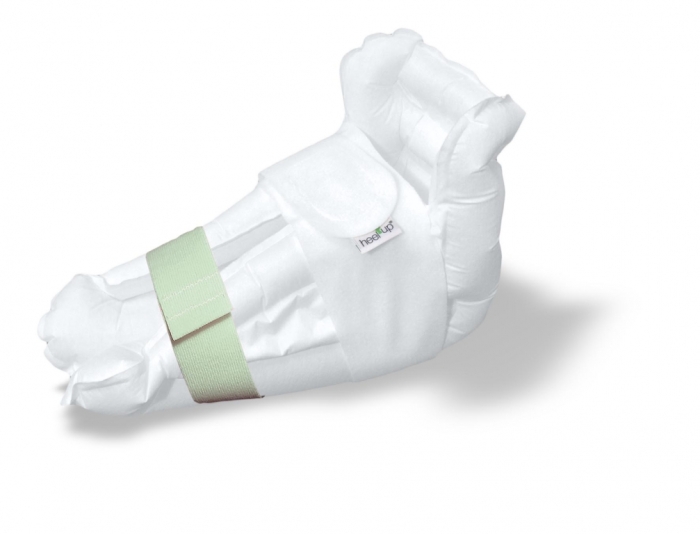
Heel protectors are supportive offloading devices designed to lift or cushion the heel so it is less exposed to sustained contact with the mattress or other surfaces. Their job is not simply to add softness. A well-chosen device helps reduce direct heel loading, lowers friction and shear, and supports a more stable resting position.
For patients with fragile skin, reduced mobility or impaired sensation, the heel is often one of the first places clinicians monitor closely. That is why heel-specific support is commonly considered alongside repositioning, skin checks and risk assessment.
Quick summary
Heel protectors are most commonly chosen for people who:
- Spend long periods in bed or in one position
- Have fragile skin or a history of pressure damage
- Need heel offloading after illness, surgery or injury
- Live with diabetes, neuropathy or reduced tissue tolerance
- Need a practical single-patient solution in care settings
Where there is open skin, infection, severe pain, vascular concern or an existing ulcer, product choice should sit within a clinical care plan.
Why people choose heel protectors
Pressure redistribution
Designed to reduce loading on the heel by changing how weight is supported during rest, especially when lying supine for long periods.
Shear and friction reduction
Structured heel protectors can help minimise rubbing and dragging forces that contribute to skin breakdown in vulnerable patients.
Practical for bed care
They are useful in hospitals, care homes and home settings where offloading needs to be simple, repeatable and comfortable.
Support for diabetic foot risk
For people with diabetes or reduced sensation, keeping pressure away from at-risk areas can support a safer pressure-management routine.
Size and fit options
Some systems are available in multiple lengths and profiles to match different leg sizes, positioning needs and support requirements.
Helpful within wider care plans
They work best when combined with repositioning, skin inspection, suitable surfaces and the broader tools in pressure sore support.
Types of heel protector and related options
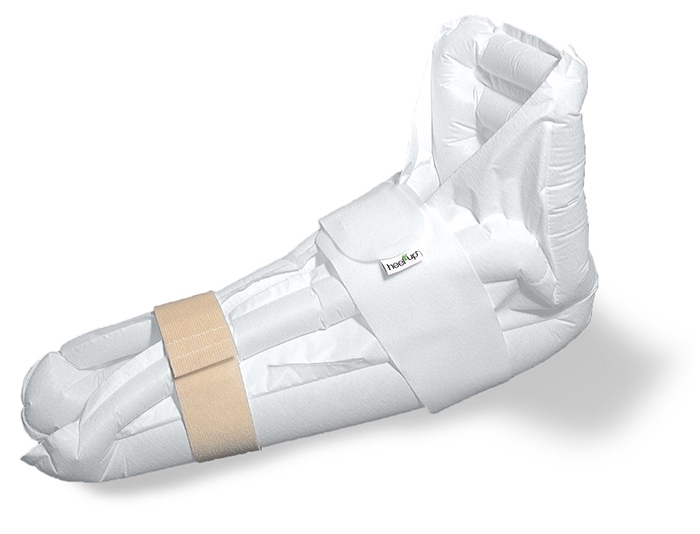
Medium to max sizing
Useful when you need more length or a different fit. Compare Heel Up Medium, Heel Up Long and Heel Up Max.
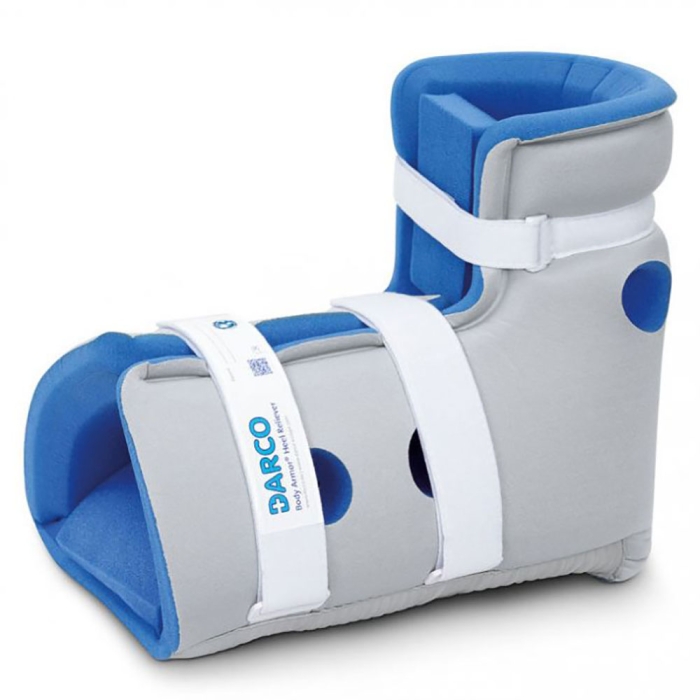
Foam-based heel relief
For structured cushioning and heel protection, see the DARCO Heel Pressure Relief Cushion.
Related pressure care tools
Heel devices often sit alongside pressure care cushions, bed sore cushions and wider offloading footwear.
OTC versus clinical selection: some heel protectors can be purchased directly, but they are usually chosen within a pressure-care context rather than as a general comfort product. Existing wounds, severe oedema, compromised circulation, neuropathy or unusual limb shape may call for clinician-led selection.
When heel protectors are commonly considered
| Concern or use case | How heel protection may help |
|---|---|
| Bedbound or very low mobility patient | Supports heel offloading and reduces contact pressure during prolonged time in bed. |
| High pressure ulcer risk pathway | Can sit within a broader prevention plan including positioning, cushions and skin monitoring. |
| Diabetes or reduced sensation | Helps reduce localised heel loading where tissue tolerance may already be reduced. |
| Need for broader foot pressure redistribution | Some patients need underfoot offloading as well as heel-specific support. |
| Established pressure sore risk at multiple body sites | Heel protection may need to be combined with seat, sacral or positioning solutions. |
| Home care or care-home support | Simple single-patient devices can help carers maintain a consistent offloading routine. |
How to choose the right heel protector
- Start with risk and setting. Is the user in hospital, a care home or at home? Are you preventing risk, supporting a healing pathway, or managing an already vulnerable heel?
- Look at the whole lower limb. Heel shape, calf length, oedema, stability and limb alignment all matter. The heel is only one part of the positioning picture.
- Choose the right format. A shorter option may suit one patient, while a longer or max-length device may provide better support for another. Compare Short, Medium, Long and Max.
- Consider hygiene and workflow. Single-patient options can be helpful in clinical and high-turnover care environments. Accessories such as the Heel Up manual pump may also matter.
- Think beyond the heel. If there is forefoot, ankle or plantar pressure to manage as well, add in foot offloading devices or supportive insoles where appropriate.
- Review regularly. Offloading only works when the device is fitted correctly, tolerated well, and checked routinely alongside skin inspection and repositioning.
Selection tips for mixed audiences
- Clinicians: focus on offloading goals, skin condition, infection control and pathway fit.
- Caregivers: prioritise ease of application, stability in bed and regular skin checks.
- Consumers and families: seek advice early if there is redness, tissue damage, diabetes, numbness or circulation concerns.
For a wider overview, browse diabetic foot protection products and the main pressure care hub.
Helpful guides
How Levabo relieves heel pressure in bed
A useful starting point for understanding heel offloading and why heel-specific devices matter.
Preventing pressure sores
Practical overview of pressure sore prevention using pressure-relief cushions and care routines.
10 things that help prevent pressure ulcers
A broader educational piece covering repositioning, skin care and pressure redistribution.
Pressure off-loading devices for diabetic foot ulcer prevention
Useful when heel risk sits alongside diabetic foot pressure management.
Pressure care product guides
Browse more educational content across pressure care, diabetic foot support and related products.
Pressure sore support category
Explore adjacent products for multi-site pressure management, not just heel protection.
Bed sore cushions and treatments
Helpful for carers looking for wider support across heels, hips, elbows or sacral areas.
Diabetic footcare products
Explore products that support pressure reduction, monitoring and foot protection.
Popular brands, product families and solution routes
Levabo Heel Up range
Purpose-designed heel pressure relief cushions for heel offloading in bed. Start with the full heel protector category or compare Short, Medium, Long and Max.
DARCO protective offloading
For structured heel cushioning and protection, the DARCO Heel Pressure Relief Cushion provides an alternative route.
Diaped and diabetic prevention support
Where pressure sore risk overlaps with diabetes management, explore Diaped, diabetic insoles and the wider diabetic foot care range.
Heel protector FAQs
Are heel protectors the same as ordinary heel cushions?
No. A heel protector for pressure sore support is usually selected to offload or reduce direct pressure on the heel in bed, rather than simply add comfort inside footwear.
Who may benefit from a heel protector?
They are commonly considered for people with limited mobility, frail skin, diabetes, reduced sensation, post-operative immobility, or a history of heel pressure damage.
Can heel protectors be used for people with diabetes?
They may be helpful where diabetic foot risk includes heel pressure exposure, but people with diabetes and any sign of skin damage, numbness, swelling or poor circulation should follow clinical advice. Related options include diabetic footcare products and diabetic insoles.
How do I choose between short, medium, long and max?
Choose according to limb size, the amount of support required, and how much of the lower leg you want the device to accommodate. Algeos offers Short, Medium, Long and Max options.
Can a heel protector be used on an existing pressure sore?
That depends on the wound, surrounding skin, circulation and the wider care plan. Existing ulcers or suspected infection should be clinically assessed. A heel protector may form part of offloading, but it is not a substitute for wound care review.
Do heel protectors replace repositioning?
No. They are most useful as part of a broader pressure-management strategy that may include regular repositioning, skin checks, support surfaces and other pressure care products.
What else might I need alongside a heel protector?
Representative options to compare
DARCO Heel Pressure Relief Cushion
Foam-based protective option for cushioning and heel offloading support.
References
Further Reading
-
February 12, 2026
-
November 04, 2025
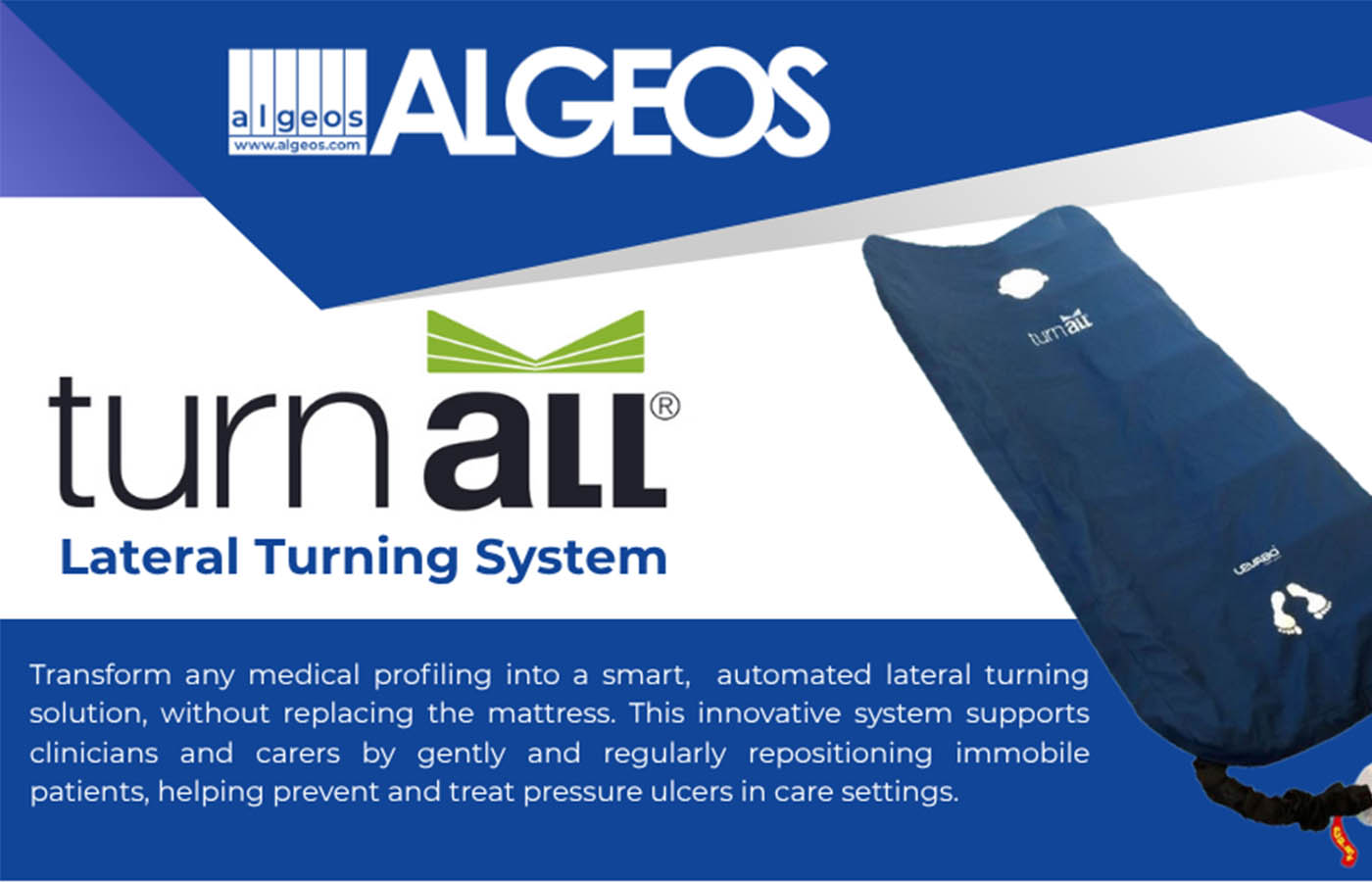
In the challenging world of pressure care, ensuring immobile or high-risk patients receive consistent repositioning is one of the most effective ways to prevent and treat pressure ulcers. In this blog post we explore how an automated lateral turning system.
-
August 13, 2025
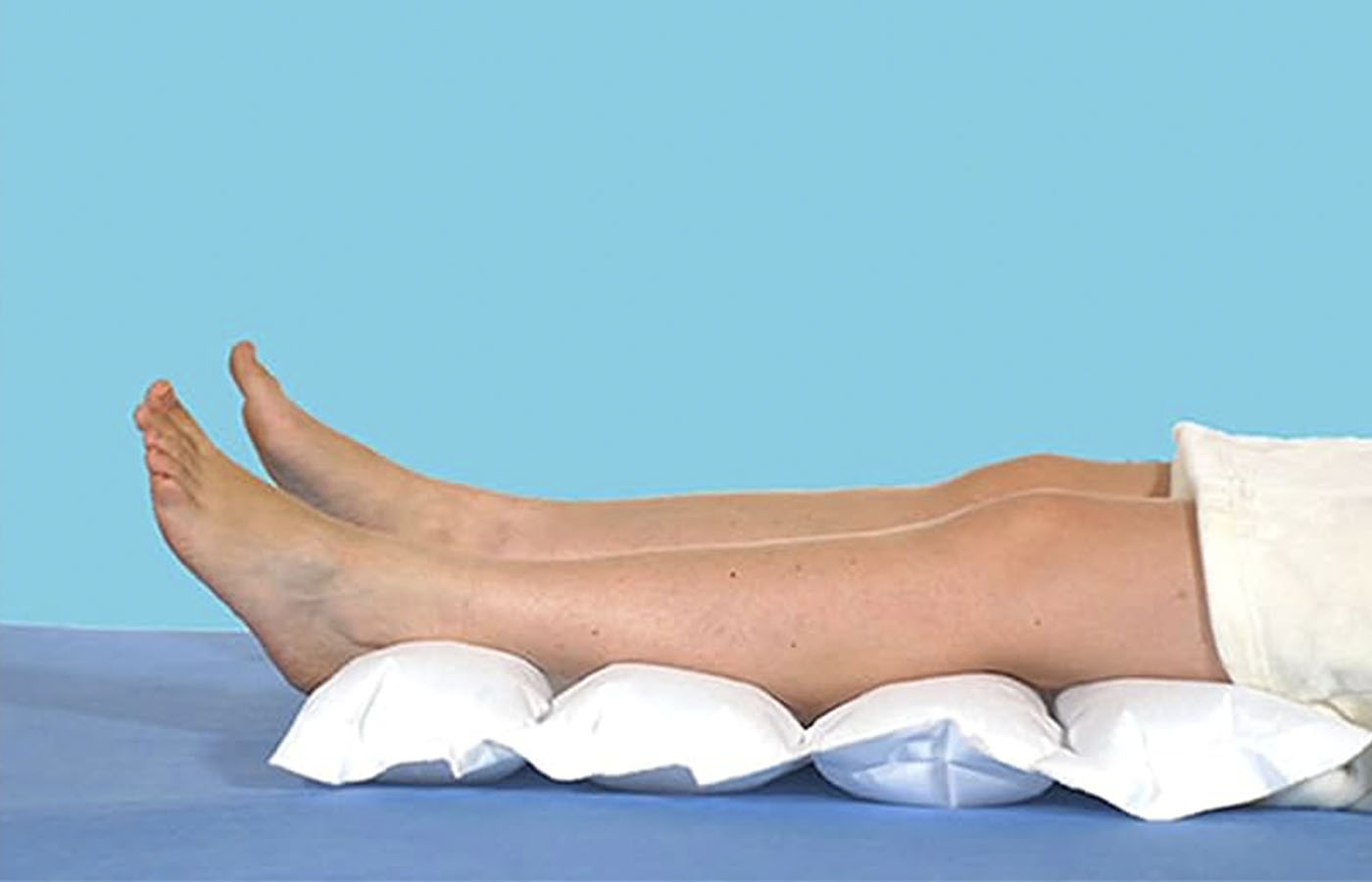
Demand for single-use pressure care cushions - especially disposable pressure-relief cushions - exists across UK hospitals, care homes and community services. The drivers are simple: infection prevention and control (IPC), speed and simplicity in high-turnover pathways, and the ongoing need to prevent pressure ulcers.
-
July 31, 2025
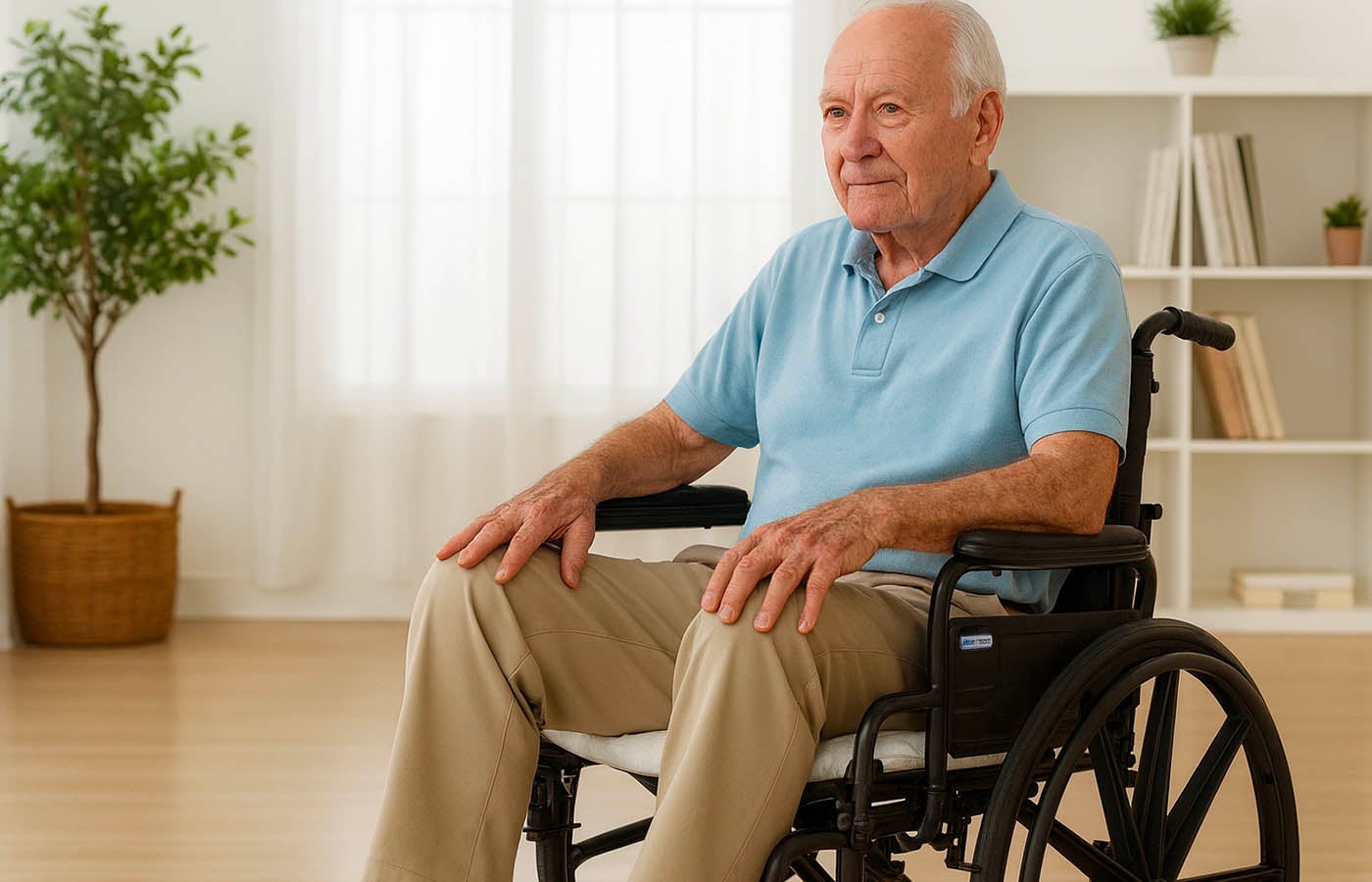
Pressure sores (also called pressure ulcers or pressure injuries) are largely preventable. The buttocks - especially the sacrum and ischial tuberosities - are high-risk areas for anyone who sits or lies for prolonged periods, has reduced mobility or experiences incontinence.
-
June 30, 2025
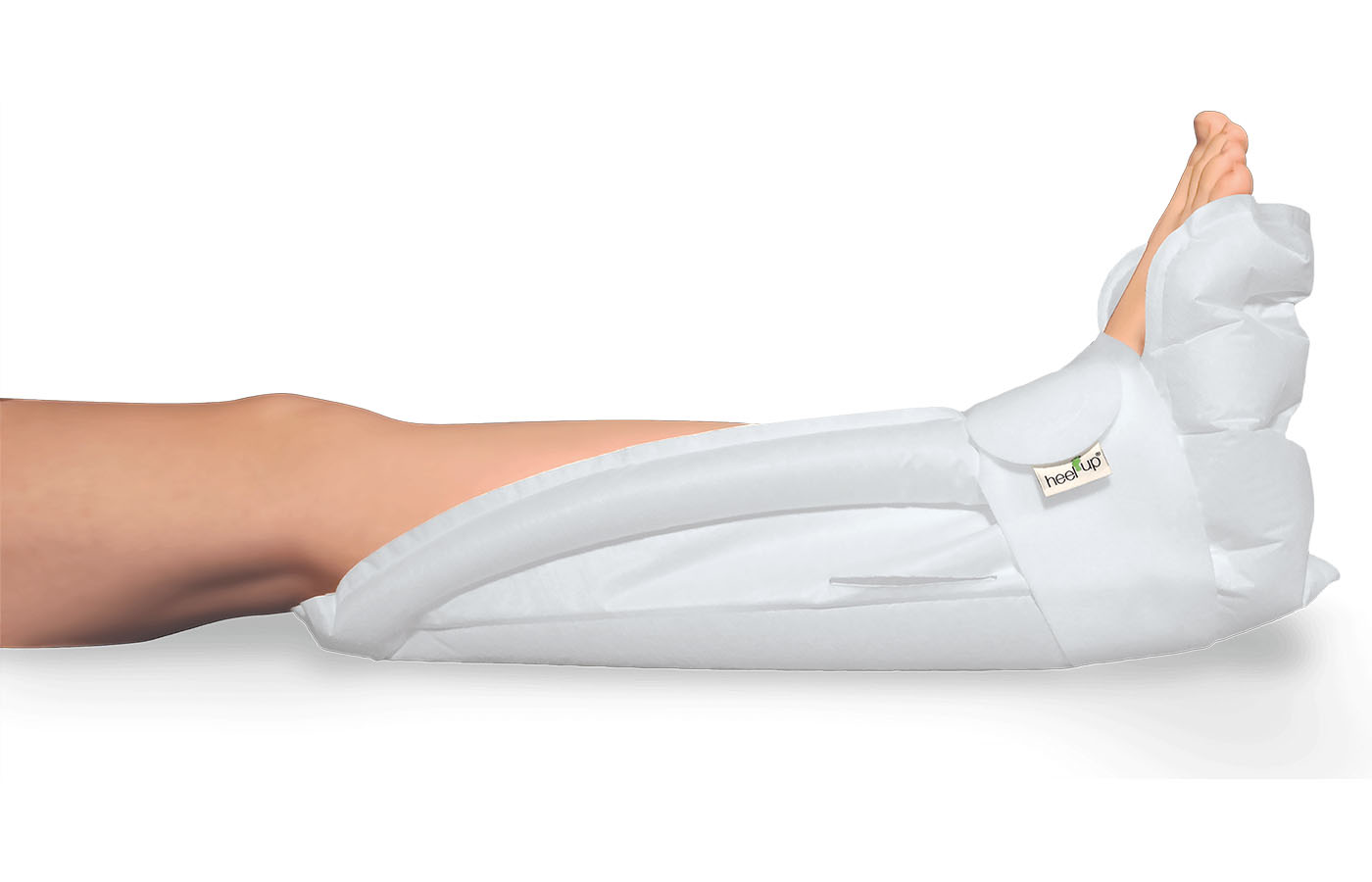
Pressure ulcers, also known as pressure sores, are a significant concern in hospitals and care homes, particularly among immobile or vulnerable patients. The heel is especially prone to ulceration due to its minimal soft tissue padding and frequent contact with bed surfaces. Heel Up pressure relief cushions offer a targeted solution by completely offloading the heel, redistributing pressure, and protecting the skin from injury.
-
April 06, 2025
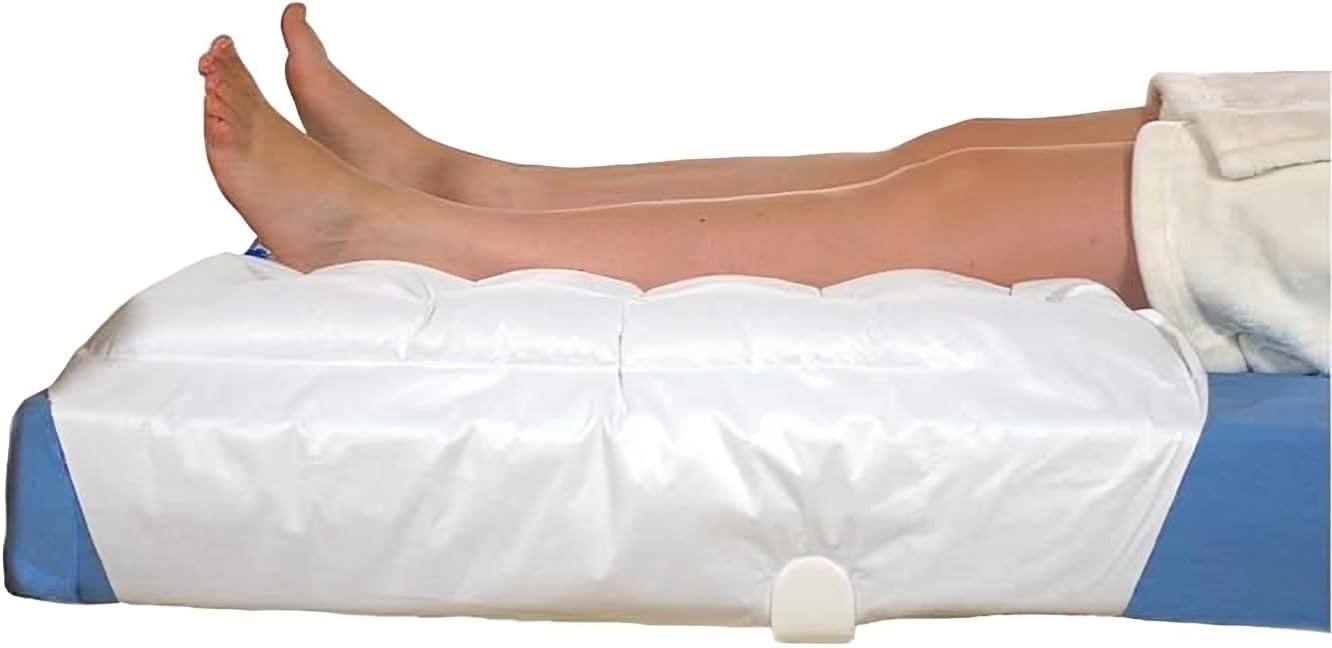
In this article, we explore how Levabo products support the effective management of pressure ulcers, examine the best cushions for pressure sores on buttocks, highlight the importance of heel cushions for pressure sores, and provide actionable insights into preventing pressure sores before they begin.
-
November 21, 2024
Across the UK, over 700,000 people are affected by pressure ulcers each year, at a cost of £3.8 million every day to the NHS1. With an ageing population – as well as increasing prevalence of conditions such as diabetes, heart and kidney diseases, peripheral vascular disease, Alzheimer’s and lower limb oedema – prevention has been more important than ever to reduce waiting lists and improve the lives of those affected.
-
October 29, 2024
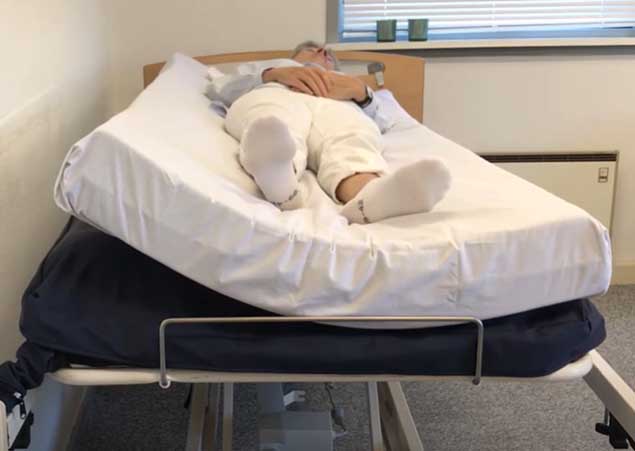
A White Paper commissioned by Care England has suggested that an innovative mattress-turning system has the potential to prevent pressure ulcers occurring for people in adult social care, while improving their comfort and promoting healing – all while delivering significant cost and resource savings to care providers and the NHS. -
September 10, 2024
Diabetic patients face a higher risk of sepsis due to slow-healing wounds and infections. Early detection through neuropathy testing and using off-loading cushions or advanced insoles like Levabo Heel Up can prevent ulcers from turning into severe infections. Proper foot care, daily inspections, and hygiene are crucial.
On World Sepsis Day, let’s focus on protecting diabetic patients through proactive care and education to reduce the risk of life-threatening sepsis.
Sold: Each
Incl. VAT Exl. VAT