



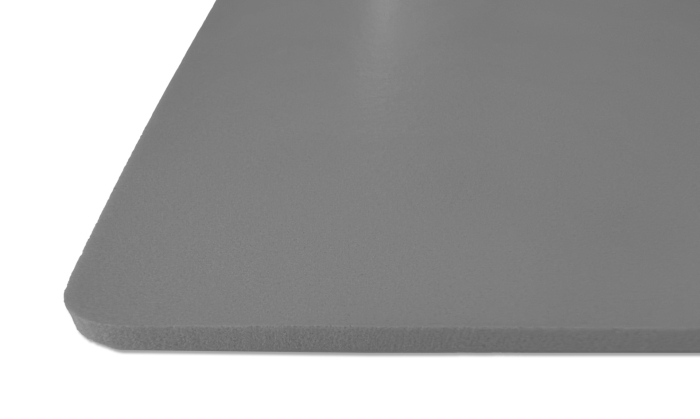
Poron 4000 Perforated - Performance Grade
Open-cell performance urethane designed for long-term cushioning and energy absorption.
Perforated structure supports airflow and improved in-shoe breathability.
Maintains dimensional stability under repeated impact and compression.
Suitable for footbeds, orthotics, sockliners, padding, and footwear components.
Sold: Sold per Sheet
Incl. VAT Exl. VAT
Product Description
Breathable Shock-absorbing Poron 4000 - Perforated
A high-performance open-cell urethane cushioning material with integrated perforation, designed to support comfort, impact attenuation and breathability across demanding footwear and orthotic applications.
Best for: Professional footwear fabrication, orthotic top covers, and high-wear cushioning zones where long-term energy absorption and airflow are required.
Not ideal for: Structural load-bearing components or applications requiring rigid support.
- Performance-grade open-cell urethane
- Consistent cushioning over extended use
- Perforated for enhanced breathability
What is it?
Poron 4000 Perforated – Performance Grade is an advanced open-cell performance urethane sheet material developed for use in footwear and orthotic systems where comfort, shock absorption, and durability are critical. The material belongs to the Poron Performance Urethane family, recognised for its ability to absorb impact energy while maintaining its original shape and thickness over time.
This variant incorporates precision perforation throughout the sheet. These perforations are designed to encourage airflow and moisture movement within footwear systems, helping to improve overall foot climate when used in enclosed environments such as shoes, boots, and sports footwear.
Unlike traditional foams that may compress and fatigue quickly, this performance urethane is engineered to provide reliable cushioning for the functional life of the shoe or orthotic device. Its open-cell structure allows repeated compression and recovery, making it suitable for areas exposed to ongoing impact and pressure.
Who is it for?
This material is intended for professional and specialist users involved in the design, manufacture, modification, or repair of footwear and orthotic products. It is commonly selected where predictable performance, material consistency, and ease of integration into existing workflows are required.
Typical users include orthotists and prosthetists, podiatrists with in-house fabrication capability, orthotic technicians, footwear developers, and specialist repairers. It is also appropriate for educational and training environments where students are learning material selection and footwear construction techniques.
What is it used for?
Poron 4000 Perforated is used as a cushioning and comfort layer within footwear systems. Its balance of impact attenuation and breathability makes it particularly suitable for components that sit close to the foot and are subject to repetitive loading.
Applications
- Footbeds and in-shoe cushioning layers
- Covered foot orthotics and orthotic top covers
- Sockliners and removable insoles
- Tongue padding in footwear
- Collar cushions and ankle padding
- Cushion counters and rearfoot comfort zones
- Shock-absorbing footpads
Characteristics
- Open-cell performance urethane construction
- High energy absorption under repeated impact
- Dimensional stability during long-term use
- Perforated structure to support airflow
- Soft, compliant feel without excessive bottoming-out
Typical users
- Orthotic and prosthetic clinics
- Hospital and NHS workshops
- Podiatry and MSK clinics
- Footwear and insole manufacturers
- Sports footwear developers
- Universities and training institutions
How to work with it
The material is supplied in flat sheet form and can be cut, laminated, or layered with other orthotic and footwear materials. It is commonly used as a top or intermediate layer rather than as a standalone structural element. The perforations should be oriented consistently to maintain uniform breathability across the finished component.
Expected use timeline
First use: When initially fitted or installed, the material provides immediate cushioning and a soft interface between the foot and the underlying structure. Users may notice improved comfort straight away due to its energy-absorbing properties.
Ongoing use (weeks and months): Over time, the material is designed to maintain its thickness and cushioning response with minimal compression set. Breathability remains consistent provided the perforations are not blocked by adhesives or impermeable top layers.
Problem and solution overview
| Common problem | How the product helps |
|---|---|
| Footwear feels harsh under repeated impact | Absorbs and disperses impact energy to reduce peak pressure |
| Loss of cushioning over time | Maintains dimensional stability through repeated compression cycles |
| Heat and moisture build-up inside shoes | Perforations allow airflow to support a more breathable foot environment |
| Discomfort in high-pressure zones | Provides compliant cushioning in targeted areas such as heel and forefoot |
Key benefits
- Designed for consistent performance throughout the life of the shoe
- Open-cell structure supports comfort without excessive softness
- Perforated format enhances breathability compared to solid sheets
- Suitable for a wide range of orthotic and footwear components
- Easy to integrate with common fabrication methods
- Trusted material choice in professional footwear environments
Common mistakes to avoid
- Using the material as a structural support rather than a cushioning layer
- Sealing perforations with non-breathable adhesives or coverings
- Assuming it will replace the need for biomechanical correction
- Over-thinning the material in high-impact zones
How to work with
- Identify the area of the footwear or orthotic requiring cushioning or comfort enhancement.
- Measure and mark the required section on the sheet.
- Cut cleanly using appropriate hand or bench cutting tools.
- Laminate or bond to compatible materials using suitable adhesives.
- Ensure perforations remain unobstructed where breathability is required.
Technical specifications
| Material type | Open-cell performance urethane |
|---|---|
| Grade | Performance Grade |
| Format | Perforated sheet |
| Colour | Grey |
| Sheet size | 1370 x 1000 mm |
| Thickness | Varies by option |
| Left / right | Universal |
| Care and handling | Store flat, away from excessive heat and direct sunlight |
| Pack contents | Single perforated sheet |
Frequently asked questions
Is this material suitable for full-length insoles?
Yes, it is commonly used as a cushioning layer in full-length insoles and sockliners, particularly where comfort and breathability are priorities.
Does the perforation affect durability?
The perforation is designed to improve airflow while maintaining the core performance characteristics of the material when used as intended.
Can it be combined with other orthotic materials?
Yes, it is often layered with firmer base materials or top covers as part of a composite orthotic or insole system.
Is it suitable for sports footwear?
It is frequently selected for sports and performance footwear applications where repeated impact and comfort are considerations.
Will it lose thickness quickly?
The material is designed to resist compression set, but longevity will depend on usage conditions, thickness selection, and overall footwear design.
Is this a medical device?
The material is a component used in footwear and orthotic products and is not intended as a standalone medical device.
Complementary and pairing suggestions
- Orthotic base materials for structural support
- Top cover fabrics for moisture management
- Adhesives compatible with urethane foams
- Heel cups or forefoot pads for targeted cushioning
Written by: Algeos Product & Clinical Content Team
Last reviewed: February 2026
Purpose: This content is provided for buyer guidance and product understanding only and does not constitute diagnosis or medical advice.
Frequently bought together
Sold: Per Sheet
Incl. VAT Exl. VAT
Sold: Sold per Sheet
Incl. VAT Exl. VAT
Sold: Pair
Incl. VAT Exl. VAT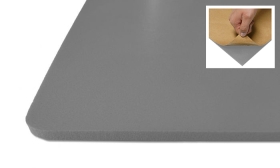
Sold: Sold per Sheet
Incl. VAT Exl. VAT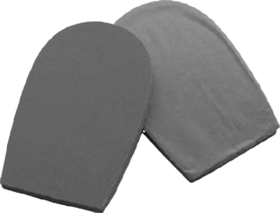
Sold: Pair
Incl. VAT Exl. VAT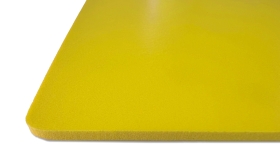
Sold: Sold per Sheet
Incl. VAT Exl. VAT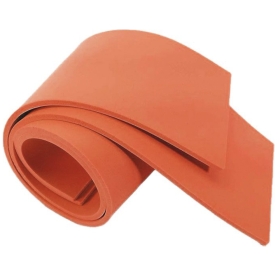
Sold: Sold per Mini Sheet
Incl. VAT Exl. VATSold: Sold per Mini Sheet
Incl. VAT Exl. VAT
Sold: Sold per Mini Sheet
Incl. VAT Exl. VAT
Sold: 420 x 250mm x 4 Sheets
Incl. VAT Exl. VAT
Sold: Sold per Sheet
Incl. VAT Exl. VAT
Sold: Sold per Pair
Incl. VAT Exl. VAT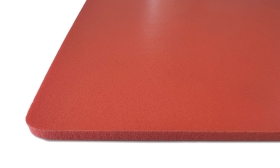
Sold: Sold per Sheet
Incl. VAT Exl. VAT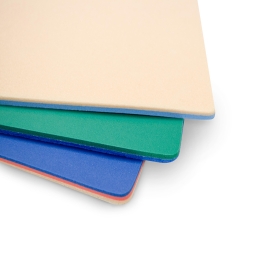
Sold: Sheet
Incl. VAT Exl. VAT
Sold: Sheet
Incl. VAT Exl. VAT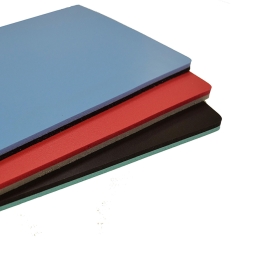
Sold: Per Sheet
Incl. VAT Exl. VAT
Sold: Pack of 5 Pairs
Incl. VAT Exl. VAT
Sold: Sold per Sheet
Incl. VAT Exl. VAT