



This guide explains how to cut, bond, shape, paint, fix together, die cut, smooth and maintain cork sheet materials in a way that is practical for workshops, clinics and home users.
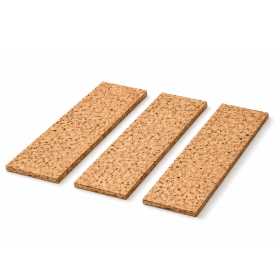
 Natural Cork Material Slabs | Multiple Uses£2.70 £2.25
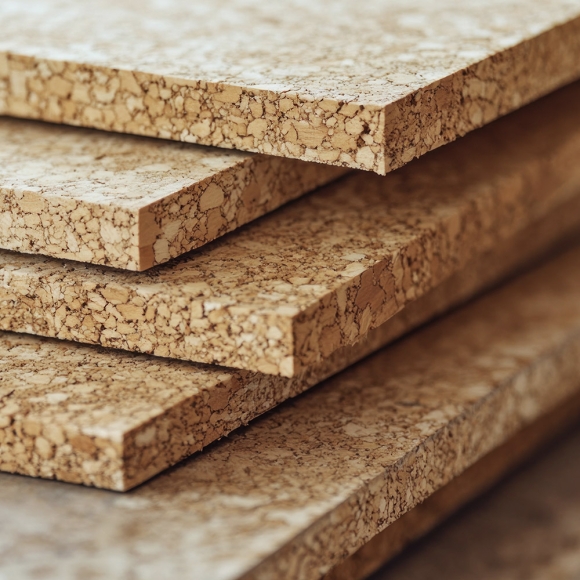

If you are comparing cork materials for orthotic fabrication, footwear work, insulation, repair or general workshop use, this page is built to help you choose the right route faster.
Algeos supplies composition cork, cork EVA blends, neoprene cork and natural cork slabs in formats that suit both one-off jobs and repeat professional use.
Cork sheet materials are lightweight, workable sheet or slab products used where you want a balance of structure, compressibility, easy shaping and dependable handling.
On Algeos, the range is especially relevant for orthotic and prosthetic workshops, footwear manufacture and repair, as well as buyers sourcing adaptable materials for insulation, linings, prototyping and general fabrication.
This quick guide is designed cork users who want to compare material options before ordering.
Cork is widely chosen because it can be cut, shaped, adapted and layered without making the selection process overcomplicated.
The range covers sheet and slab formats, helping buyers source for quick repairs, repeat workshop use or larger build requirements in one place.
From simple composition cork to more structured cork EVA blends, there is a practical route for different build priorities rather than a one-material-fits-all approach.

A sensible starting point for general fabrication, workshop tasks, orthotic building and footwear applications where predictable handling matters.
Better suited where buyers want more resilience, durability and a more engineered feel than standard cork alone.
Useful where flexibility, compression control and vibration dampening are more important than a classic rigid cork feel.
Best for larger-format work, cut-down jobs, custom shapes and buyers who prefer maximum freedom over how the material is sized and used.
For softer cushioning, laminated top covers or specialist pressure-management builds, it can be worth comparing cork against foam sheet materials such as EVA, PORON and Plastazote.
| Need or application | Recommended route | Why it usually fits |
|---|---|---|
| General orthotic building, straightforward workshop tasks, everyday fabrication | Composition Cork Material Sheets | A dependable all-round option where easy handling, trimming and classic cork performance matter most. |
| More demanding builds needing firmness, resilience and shape stability | Algecork High Density Cork-EVA Sheets | Better where the build needs a firmer, more structured cork blend that can stand up to repeat use. |
| Balanced feel for everyday orthotic or footwear work | Algecork Medium Density Cork-EVA Mix Sheets | A useful middle ground if you want support with a little more forgiveness than the firmer high-density route. |
| Flexibility, controlled compression, sealing or vibration dampening | Neoprene Cork Material Sheets | Often the better choice where standard cork feels too rigid or the end use needs more elasticity. |
| Larger jobs, cut-to-size work, bulk fabrication and custom shapes | Natural Cork Material Slabs | Gives more material depth and more freedom to machine, shape or cut down for custom requirements. |
Ask whether the end result needs structure, cushioning, flexibility, cut-down depth or vibration control. That usually narrows the choice quickly.
For straightforward builds, composition cork is often enough. For more resilient or engineered performance, cork EVA can be the better route.
High density options suit firmer builds. Medium density options are often easier for buyers who want support without going too hard.
Sheets suit faster selection and repeatable ordering.
If your real need is softer cushioning, specialist top covers or foam lamination, compare against EVA, Rubber, PORON or Plastazote before you buy.
For straightforward levelling, quick workshop adaptation or uncomplicated fabrication, an off-the-shelf cork sheet is often the fastest and most economical option.
If the build is clinically sensitive, heavily load-bearing, highly cushioned or dependent on advanced foam properties, compare the broader foam sheet category and related support resources before committing.
For shoe making, cavity filling and levelling tasks, buyers often pair cork materials with cork filler paste rather than trying to force a sheet material into a job it is not meant to do.
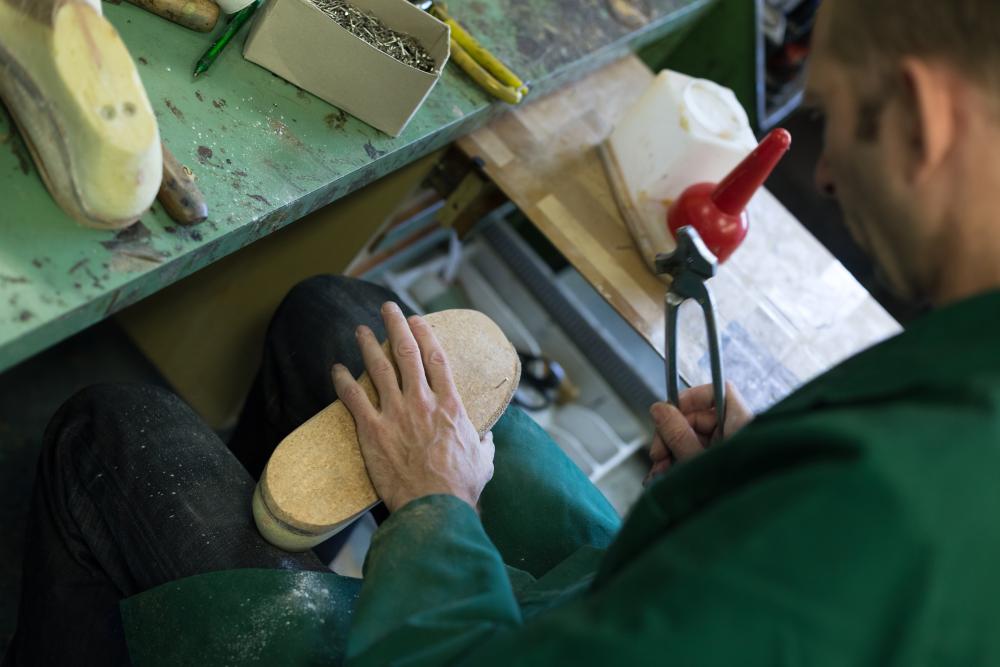
A practical guide to cutting, bonding, shaping and finishing cork for workshop and fabrication use.
Useful if you are still comparing applications and want to see where cork is likely to work well in real-world jobs.
Clarifies when filler is a better match than sheet material for levelling, smoothing and internal shoe work.
Helpful when you are weighing cork against EVA for density, shaping and broader application flexibility.
A practical comparison point for closed-cell foam applications in orthotics, footwear and medical manufacture.
For many buyers, composition cork is the easiest starting point for general fabrication. Move toward high density cork EVA if you need more firmness, medium density cork EVA for a more balanced feel, and neoprene cork if flexibility is important.
Standard cork sheets are commonly chosen for straightforward shaping, build-up and general workshop use. Cork EVA sheets blend cork with EVA to give a different balance of resilience, durability and support.
Yes. Cork remains a trusted material for selected orthotic fabrication, footwear manufacture, repair and adaptation because it is easy to shape and practical for layered constructions.
Choose slabs when you need larger formats, deeper stock, or more freedom to cut custom shapes in-house. For faster, simpler ordering, sheets are often the more convenient route.
Not always. If premium cushioning, soft comfort layers or specialist shock attenuation are the main aim, compare cork against PORON or other foam routes before you buy.
Yes. The most useful comparison pages are the broader foam sheets range and the dedicated pages for EVA, Plastazote and PORON.
Yes. Use the material guides and product support area to compare routes, check intended uses and reduce hesitation before ordering
These external resources are included where they help support broader material, sustainability and orthotic-context claims.
Category Manager
Materials and product development specialist with over 25 years of experience in health-related materials, orthotic therapy, and medical product innovation. Deep knowledge of foams, polymers, composites, adhesives and functional materials used across orthotic, rehabilitation, and healthcare applications. Writes for clinicians, techs and educated consumers seeking clear, evidence-informed guidance without the marketing fluff.
April 06, 2026
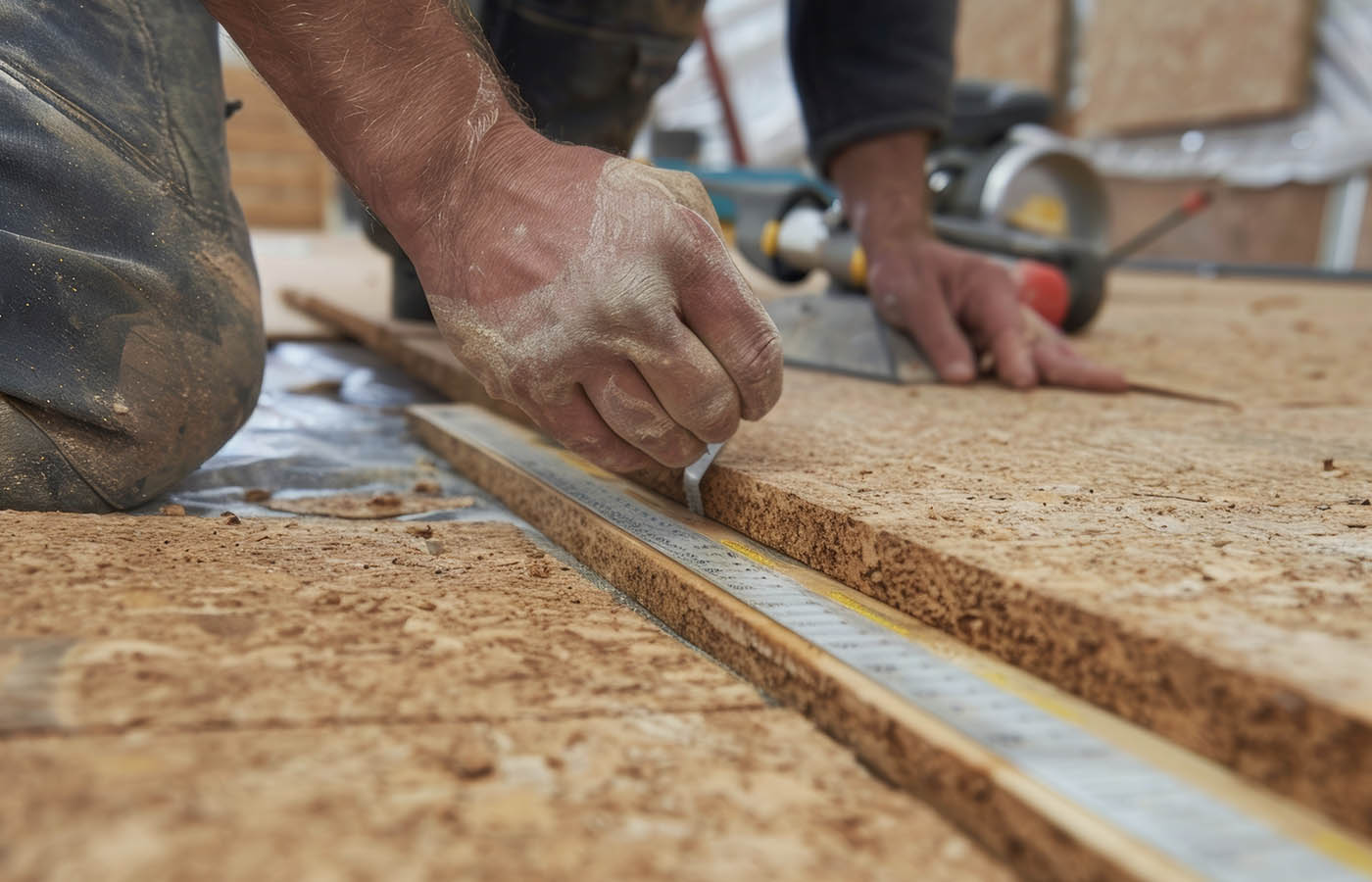
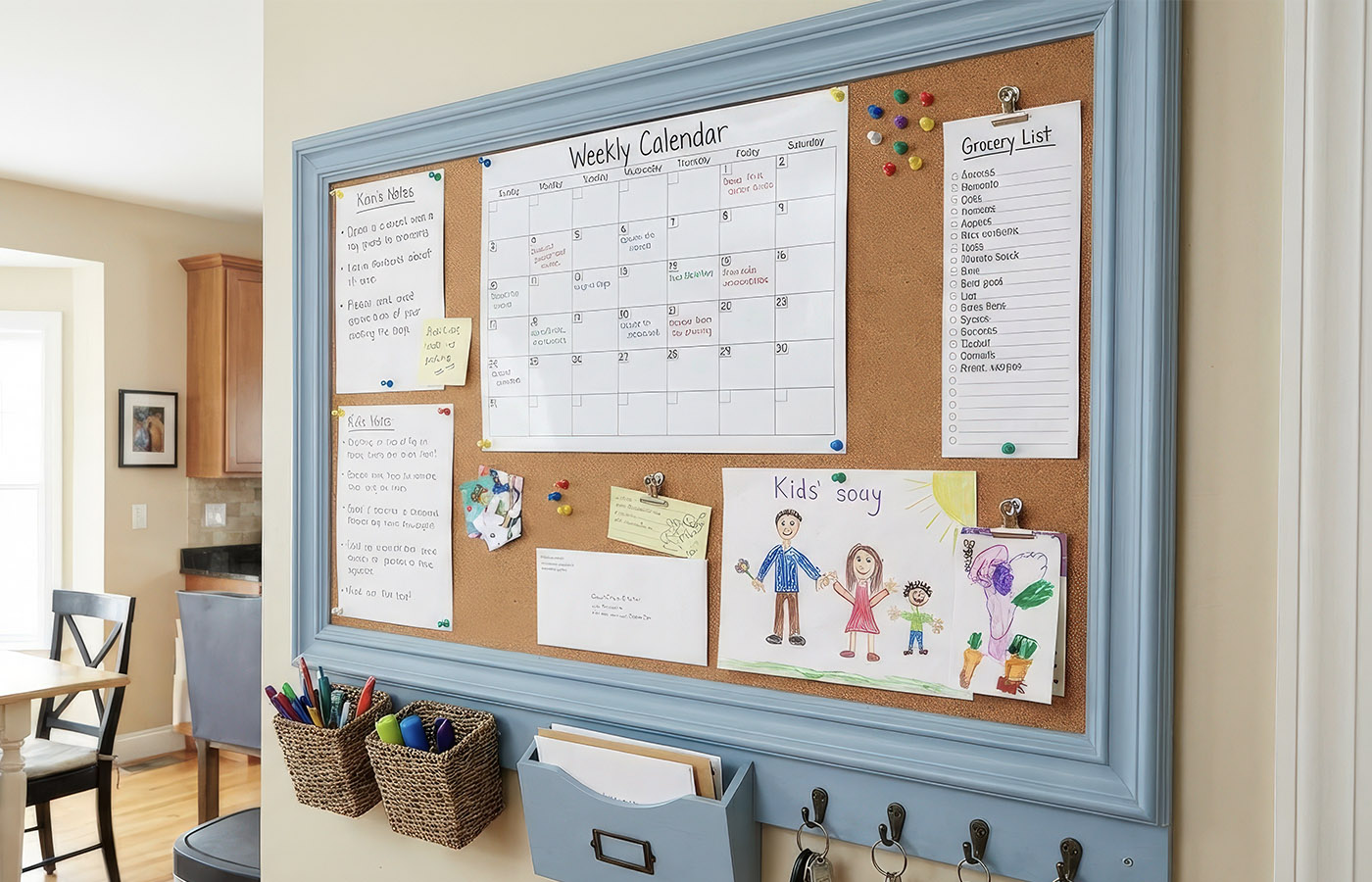
This guide explains how to cut, bond, shape, paint, fix together, die cut, smooth and maintain cork sheet materials in a way that is practical for workshops, clinics and home users.
March 29, 2026
In this guide, you will find 101 practical uses for cork sheets, along with advice on why the material works so well and how to choose the right thickness for the job.
March 29, 2026
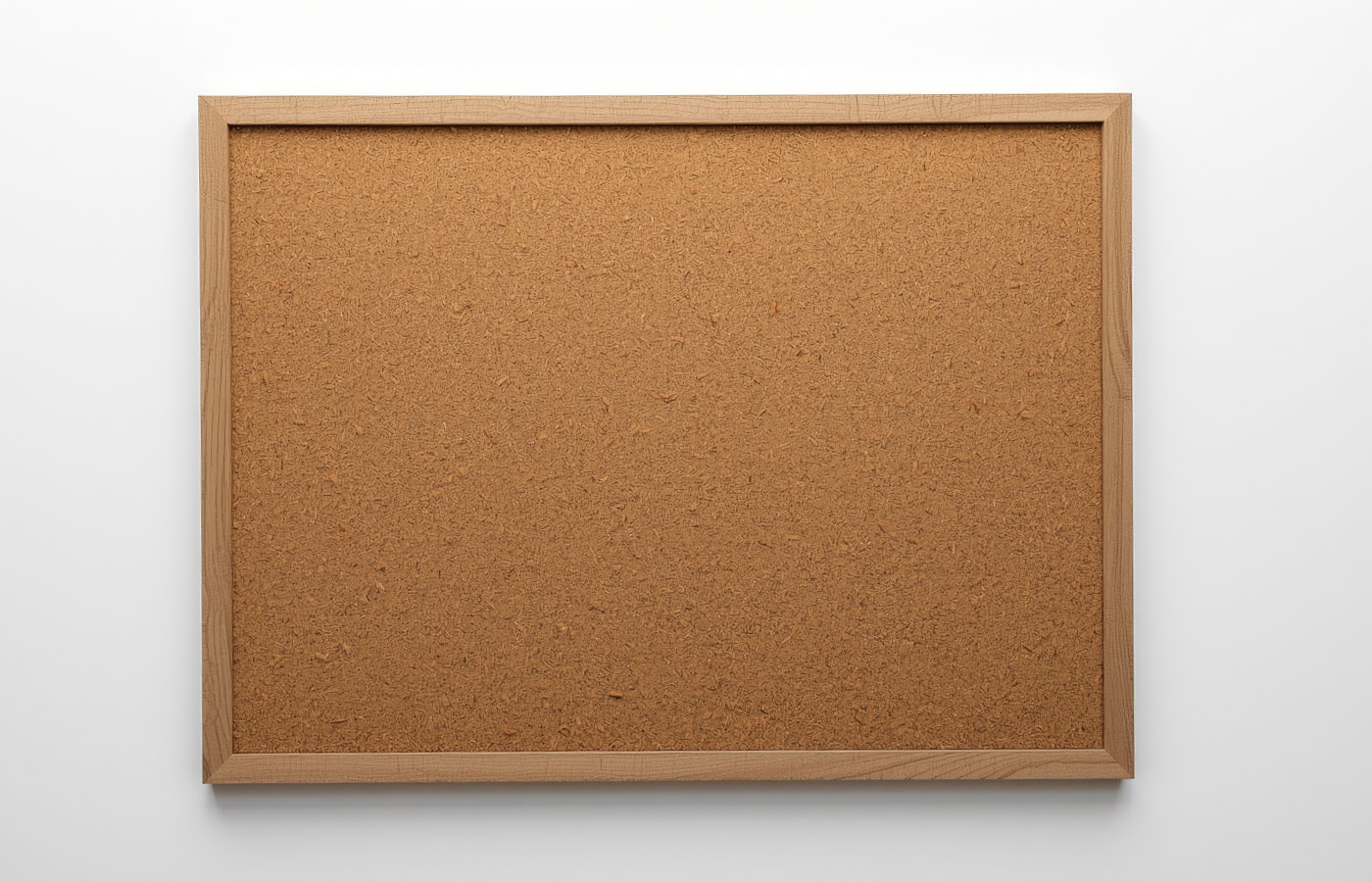
A notice pin board is one of the simplest and most useful ways to turn cork sheets into a practical everyday product. With the right backing board, adhesive and finish, you can make a board that works well in clinics, offices, schools, retail spaces and at home.
This guide explains how to choose materials, cut and bond cork, add a frame if needed and finish the board so it looks neat and lasts well in regular use.
April 06, 2025
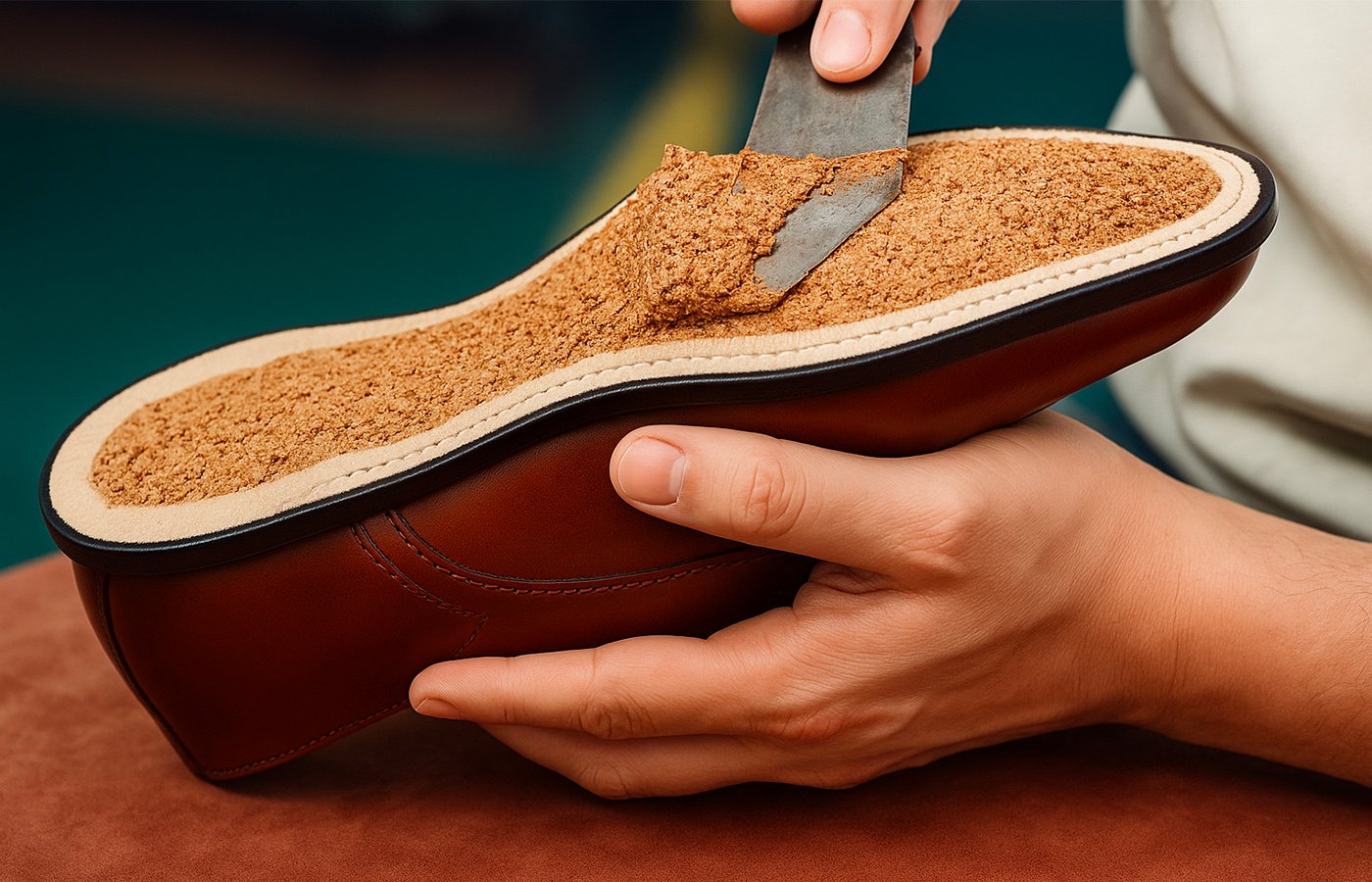
Cork filler paste is a go-to material in shoemaking, orthotics, and leatherwork. Known for its lightweight, flexible properties, it is designed to fill gaps, smooth surfaces and add cushioning in a variety of products. This guide explains both what cork filler is used for and how to apply it effectively.
January 07, 2025
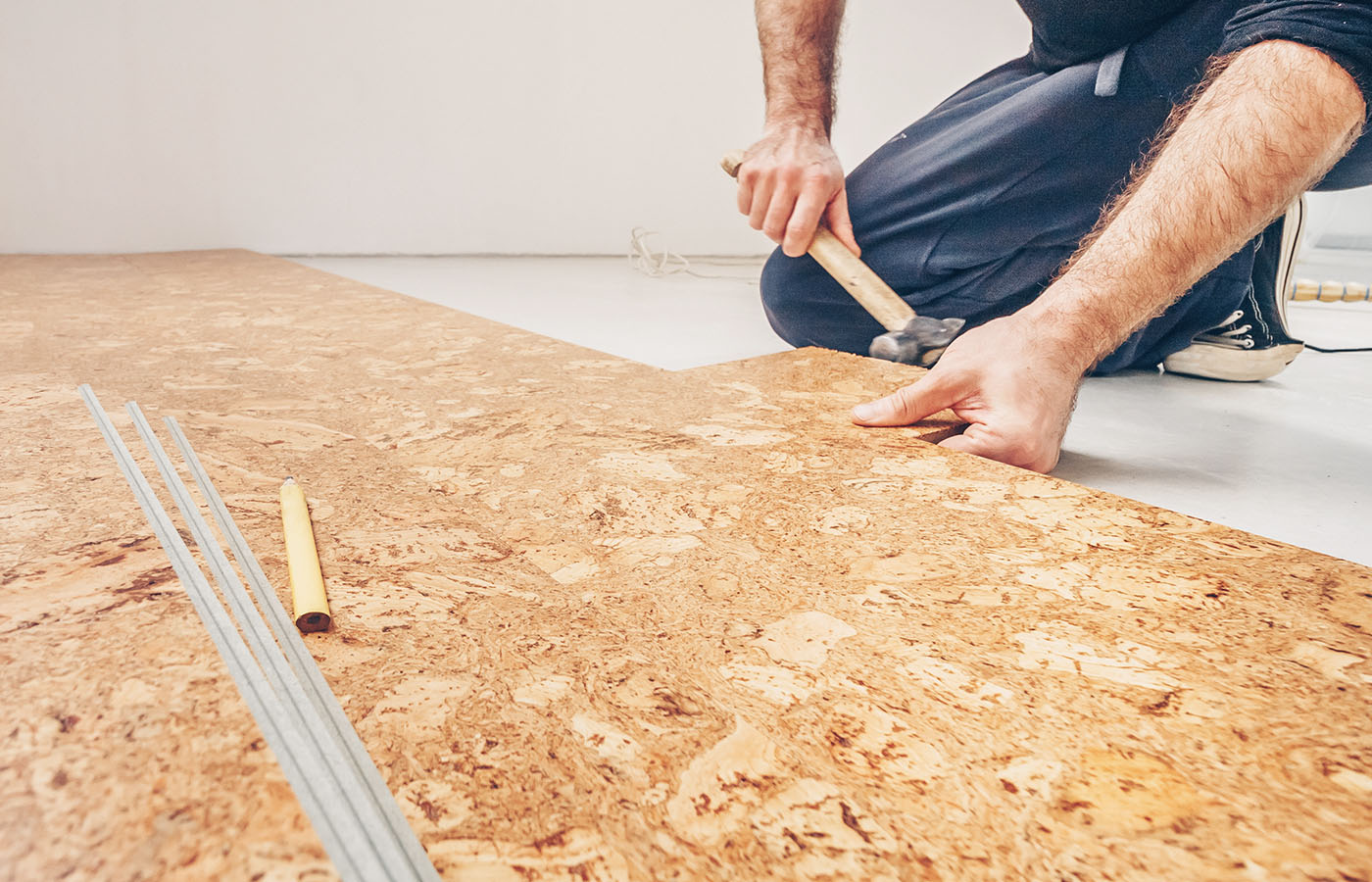
Cork sheets are a versatile and sustainable material. They are used in a wide range of applications, from crafts to construction. Harvested from the bark of the cork oak tree, cork is a renewable resource. Its unique properties make it suitable for many uses.
Sold: Each
Incl. VAT Exl. VAT