




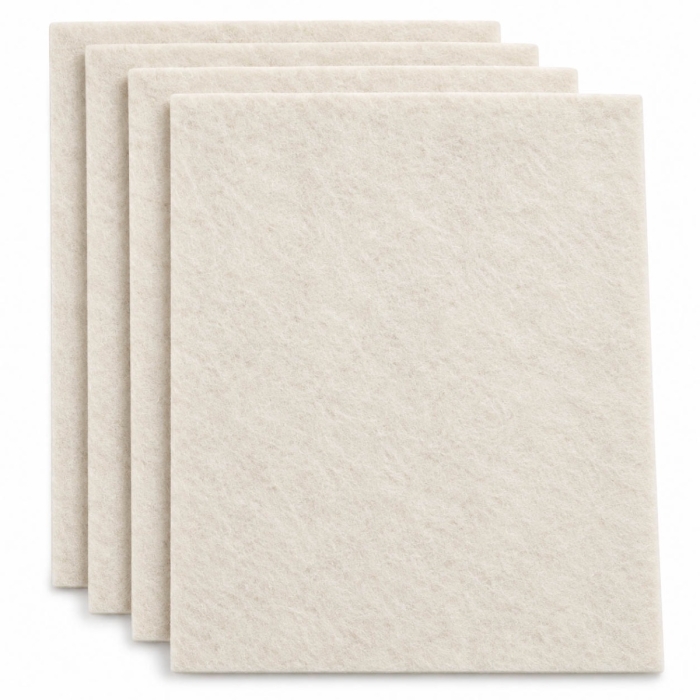
Hapla Plain Semi-Compressed Wool Felt
Pure 100% Wool Felts are used as a highly versatile padding which can be easily cut and shaped providing excellent pressure absorption.
Maintains its shape and cushioning properties over time.
Sold: Single Roll
Incl. VAT Exl. VAT
Product Description
Custom Podiatry Padding and Pressure Relief
Versatile 100% wool felt for creating customised foot padding, cushioning sensitive areas and supporting pressure redistribution.
Hapla Plain Semi-Compressed Wool Felt is a non-adhesive podiatry material designed for cutting and shaping into individual padding solutions. Its semi-compressed structure combines comfortable cushioning with the firmness needed for targeted padding and orthotic modifications.
Ideal for podiatrists, foot health practitioners and orthotic technicians, this felt can be used to create protective pads for pressure-sensitive areas, adapt footwear and add cushioning to orthotic devices.
Supplied as a single 90cm x 45cm roll, with thickness selected from the available product options.
Key Selling Points
Targeted Pressure Relief
Create shaped padding to help distribute pressure away from tender or overloaded areas of the foot.
Comfortable Wool Cushioning
Made from 100% wool, providing a cushioning layer for contact areas affected by footwear pressure or friction.
Easy to Cut and Shape
Trim the felt into custom pads, protective shapes and orthotic components to suit individual requirements.
Maintains Its Structure
The semi-compressed construction is designed to retain its shape and cushioning properties during use.
Non-Adhesive Flexibility
Choose an appropriate fixing method or incorporate the material into an orthotic or footwear modification.
Practical Roll Format
The 90cm x 45cm roll provides material for multiple individually sized padding and cushioning applications.
What Is Semi-Compressed Wool Felt and How Does It Work?
Semi-compressed wool felt is a cushioning material used in podiatry to help manage localised pressure and improve comfort. It is made from compressed wool fibres, giving the material more structure than loose or uncompressed wool while retaining useful cushioning properties.
When positioned and shaped correctly, felt padding can help spread contact forces over a larger area or reduce direct loading at a particular pressure point.
For example, a clinician may cut an aperture into a felt pad to create a relief area around a painful corn. Alternatively, felt can be incorporated into an orthotic device to cushion a particular part of the foot.
This felt provides cushioning and pressure redistribution rather than correcting an underlying structural problem. It can form part of a broader footcare or orthotic management plan.
Common Foot Problems It May Help With
Corns
Custom-shaped felt padding may help reduce pressure around a corn, particularly where contact with footwear contributes to discomfort.
Calluses and Hard Skin
Can be incorporated into a pressure management approach when repeated loading contributes to localised hard skin formation.
Forefoot Pressure
Suitable for creating tailored padding around sensitive metatarsal areas when professionally positioned.
Bunion Discomfort
Protective padding may help cushion areas exposed to repeated rubbing or pressure from footwear.
Footwear Friction
Provides a cushioning material for selected footwear modifications where rubbing or local contact pressure affects comfort.
Orthotic Pressure Points
Can be cut and incorporated into orthotic modifications where additional localised cushioning is required.
Applications and Suitability
Hapla Plain Semi-Compressed Wool Felt is particularly useful where a customisable material is required rather than a ready-made foot pad.
Podiatry and Foot Health Clinics
Used to prepare custom cushioning, protective pads and localised pressure-relief shapes as part of routine footcare.
Orthotic Fabrication
Suitable for incorporating cushioning elements and padding additions into individually adapted orthotic devices.
Footwear Modifications
Can provide additional cushioning in selected areas of footwear where sufficient space and suitable attachment are available.
Pressure Management
Useful for making individually designed offloading pads to support appropriate management of local pressure points.
Rehabilitation Support
May be used within a clinician-directed rehabilitation plan where additional padding is appropriate.
Informed Home Users
May be suitable for people who have received appropriate guidance on pad design, positioning and regular skin checks.
Who May Not Be Suitable for This Felt?
Although wool felt is widely used in podiatry, it is not appropriate for every foot condition or application.
- People with wool sensitivity: Avoid use where wool is known to cause an allergic or adverse skin reaction.
- People with diabetes, neuropathy or poor circulation: Seek professional guidance before applying pressure-relief padding, particularly where skin sensation or circulation is impaired.
- Open wounds or active ulcers: Do not position felt directly over an open wound without appropriate clinical assessment and supervision.
- Tight footwear: Avoid adding felt where it makes shoes restrictive or increases pressure on neighbouring areas.
- Users requiring an adhesive-backed product: This plain felt will not stick in place without a suitable separate fixing method.
Product Specifications
| Product name | Hapla Plain Semi-Compressed Wool Felt |
|---|---|
| Material | 100% wool felt |
| Construction | Semi-compressed |
| Backing | Plain, non-adhesive |
| Roll dimensions | 90cm x 45cm |
| Thickness | Dependent on selected product option |
| Supplied as | Single roll |
| Customisation | Can be cut and shaped to suit the intended application |
| Typical users | Podiatrists, foot health practitioners and orthotic technicians |
| Applications | Protective padding, cushioning, pressure redistribution and orthotic modifications |
How to Use Hapla Plain Semi-Compressed Wool Felt
- Identify the pressure area. Assess the part of the foot requiring cushioning or protection and determine whether felt padding is appropriate.
- Select the thickness. Choose a suitable felt thickness based on the intended padding design, required cushioning and available footwear space.
- Measure and mark. Mark the shape required for the pad or orthotic component, allowing for the surrounding contact area.
- Cut the felt. Use suitable cutting tools to create the required pad. A central aperture may be incorporated where clinically appropriate.
- Position and secure. Place the felt in the intended location. As the material is non-adhesive, use a suitable attachment method where necessary.
- Check the fit. Ensure the pad does not move, bunch up or create additional pressure. Check the fit of any associated footwear or orthotic device.
- Review regularly. Inspect the padding and surrounding skin, and replace or adjust the material when it becomes compressed, displaced, soiled or uncomfortable.
Benefits of Semi-Compressed Wool Felt
Individualised Padding
Cut pads to match different foot shapes, pressure areas and clinical requirements rather than relying on fixed pad sizes.
Pressure Distribution
Supports appropriately designed padding arrangements intended to reduce concentrated loading.
Comfort and Protection
Creates a cushioning interface between sensitive areas and surrounding surfaces.
Shape Retention
Semi-compressed wool maintains its structure and cushioning characteristics during normal use, although condition should be reviewed regularly.
Flexible Application
Non-adhesive construction allows the choice of fixing method to be tailored to the intended application.
Efficient Clinical Preparation
Roll format provides a practical material supply for making multiple different pads and orthotic additions.
Contraindications and Important Warnings
- Do not use where a known wool allergy or adverse reaction makes contact unsuitable.
- Do not apply directly to open wounds or ulcers without appropriate clinical direction.
- Patients with diabetes, neuropathy, reduced circulation or fragile skin should receive professional assessment before using pressure-relief padding.
- Incorrectly positioned padding can increase pressure or friction in surrounding areas.
- Do not use padding that makes footwear excessively tight.
- Where an adhesive is required, check that the chosen adhesive and application method are appropriate for the contact surface and intended use.
- Remove or reassess padding if pain, redness, irritation or skin changes develop.
- Felt padding is not a substitute for treating the underlying cause of persistent foot pain or tissue damage.
Frequently Asked Questions
What is Hapla Plain Semi-Compressed Wool Felt used for?
It is used to make customised cushioning and pressure-relief padding for the feet. Common applications include protective pads for corns and calluses, footwear padding and cushioning additions to orthotic devices. The material can be cut into different shapes to suit individual requirements.
What is the difference between semi-compressed and fully compressed felt?
Semi-compressed felt provides a balance of cushioning and structural firmness. More heavily compressed felt is generally denser and may be selected where a firmer material is needed. The most suitable option depends on the intended application, pressure management needs and individual comfort.
Is this wool felt self-adhesive?
No. Hapla Plain Semi-Compressed Wool Felt has a non-adhesive backing and will not stick to the skin or another surface by itself. This gives practitioners flexibility to select a suitable fixing method or incorporate the material into footwear or orthotic devices.
Can semi-compressed wool felt help with painful corns and calluses?
Yes, correctly designed felt padding may help reduce local pressure around painful corns or calluses. A clinician may create an aperture or protective pad to redistribute contact forces. Padding does not remove the underlying cause of the lesion, so further treatment or footwear changes may still be necessary.
Can this felt be used in orthotic insoles?
Yes. Semi-compressed wool felt is suitable for selected orthotic padding and modification applications. It can be cut and incorporated into an existing design to provide additional cushioning where required, provided the modification does not compromise fit or function.
Can the felt be worn inside everyday shoes?
It may be used within suitable footwear where the finished padding is correctly positioned and there is sufficient space. Shoes must not become tight or create additional pressure after the felt is fitted. Regular inspection is important, particularly with repeated daily use.
What size is the felt roll?
Each roll measures 90cm x 45cm and is supplied individually. This format allows multiple customised pads or orthotic components to be cut from one roll. The felt thickness depends on the product option selected when ordering.
How long does semi-compressed wool felt last?
The semi-compressed structure is designed to maintain its shape and cushioning properties during use. Actual service life depends on pad thickness, loading, footwear conditions and how the material is secured. Replace or adjust the felt when it becomes flattened, damaged, displaced or ineffective.
Is wool felt suitable for people with diabetes?
Felt padding can be used in professionally managed diabetic footcare, but its suitability must be assessed individually. Incorrect padding may create additional pressure that is difficult to detect when foot sensation is reduced. People with diabetes, neuropathy, poor circulation or a history of ulceration should seek appropriate clinical advice before use.
Can I use this felt to treat plantar fasciitis or heel pain?
Felt may provide cushioning in a selected footwear or orthotic modification, but it is not a specific treatment for plantar fasciitis. Heel pain has several possible causes and may require assessment, load management, exercises or other interventions. The padding should be chosen according to the diagnosed problem rather than heel pain alone.
Related Products and Helpful Links
Explore Related Podiatry Materials
- Hapla Felts – Explore other felt materials for cushioning and offloading applications.
- Hapla Semi-Compressed Wool Felt Sheets – An adhesive-backed sheet alternative for cut-to-shape padding.
- Hapla Semi-Compressed Self-Adhesive Felt – Explore an alternative felt with self-adhesive backing.
- Semi-Compressed Pure Wool Chiropody Felt – View further wool felt options for footcare applications.
- Orthotic Padding Materials – Browse materials used for orthotic cushioning and modifications.
Product Summary
Hapla Plain Semi-Compressed Wool Felt is a 100% wool, non-adhesive padding material supplied in a 90cm x 45cm roll. Designed for podiatry and orthotic applications, it can be cut and shaped into individual cushioning pads to help protect sensitive areas, manage local foot pressure and improve comfort.
Its semi-compressed construction provides a balance of softness and structural support, making it suitable for custom padding, orthotic modifications and selected footwear applications. Common uses include pressure management around corns, calluses and other localised pressure points.
Best suited to podiatrists, foot health practitioners and orthotic technicians, the felt provides a practical, versatile material for individually designed foot padding. Correct placement, adequate footwear space and regular skin checks remain important for safe and effective use.
Frequently bought together
Sold: Pack of 4
Incl. VAT Exl. VAT
Sold: Pack of 4
Incl. VAT Exl. VAT
Sold: Pack of 4
Incl. VAT Exl. VATSold: Pack of 4
Incl. VAT Exl. VAT
Sold: Pack of 2
Incl. VAT Exl. VAT
Sold: each
Incl. VAT Exl. VAT
Sold: Pack of 2
Incl. VAT Exl. VAT
Sold: Pack of 2
Incl. VAT Exl. VAT
Sold: Pack of 4
Incl. VAT Exl. VAT
Sold: Pack of 4
Incl. VAT Exl. VAT
Sold: Roll or Sheets
Incl. VAT Exl. VAT
Sold: Pack of 3
Incl. VAT Exl. VAT
Sold: Pack of 4
Incl. VAT Exl. VAT
Sold: Pack of 4
Incl. VAT Exl. VAT
Sold: Pack of 2 Sheets
Incl. VAT Exl. VATSold: Pack of 2 Sheets
Incl. VAT Exl. VAT
Sold: Pack of 36
Incl. VAT Exl. VAT
Sold: pack of 3
Incl. VAT Exl. VATSold: pack of 3
Incl. VAT Exl. VAT
Sold: Pack of 36
Incl. VAT Exl. VAT
Sold: Pack of 36
Incl. VAT Exl. VATSold: Pack of 36
Incl. VAT Exl. VAT
Sold: Pack of 36
Incl. VAT Exl. VAT
Sold: Single Roll
Incl. VAT Exl. VAT