



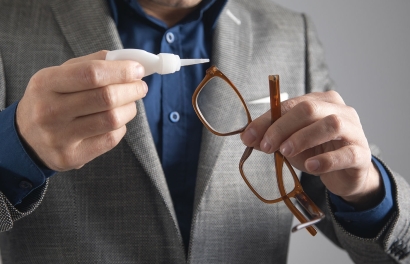
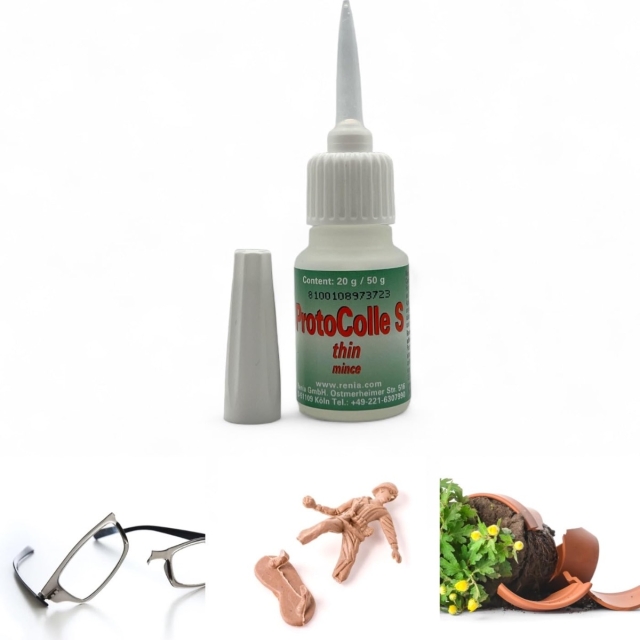
Super glue, a household staple, is known for its quick bonding ability. It's a powerful adhesive that can fix a variety of materials in seconds. But did you know that the magic behind super glue is a compound called cyanoacrylate? This ingredient is responsible for the strong adhesion that super glue is famous for.
From fixing broken eyeglasses to sealing leaking pipes, super glue has a multitude of uses. It's a versatile tool that's handy in both household and industrial applications.
In this guide, we'll delve into the world of super glue. We'll explore its various uses, where to buy it, and how to use it safely and effectively.
Whether you're a DIY enthusiast, a crafter, or just curious, this guide will provide you with everything you need to know about super glue.
What is Super Glue?
Super glue is a fast-drying adhesive known for its strength and durability. It’s perfect for bonding materials like metal, plastic, and wood.
The main component of super glue is cyanoacrylate. This compound reacts with moisture, forming a strong bond almost instantly.
Developed in the mid-20th century, super glue has become a household essential. Its ability to form a quick, durable bond makes it invaluable.
Whether you are fixing a broken vase or crafting, super glue offers a simple solution. It's small in size but mighty in function.
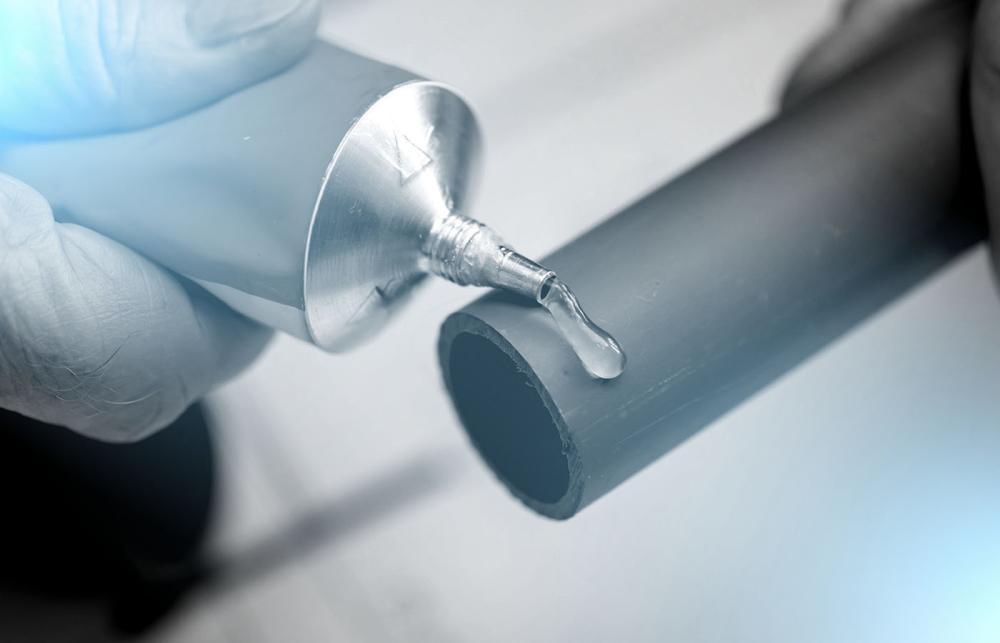
The Science Behind Super Glue with Cyanoacrylate
Super glue primarily relies on cyanoacrylate as its active ingredient. This unique compound is what sets it apart in the world of adhesives.
When exposed to moisture, cyanoacrylate bonds rapidly. This interaction causes it to cure and form a solid adhesive layer.
The molecular structure of cyanoacrylate allows for strong, long-lasting bonds. It can adhere to a variety of surfaces with minimal effort.
Here are a few fascinating facts about cyanoacrylate:
- Requires moisture to activate.
- Cures in mere seconds.
- Creates an incredibly strong bond.
- Versatile in application across different materials.
Common Uses for Super Glue in Everyday Life
Super glue is a household staple due to its versatility. It's often the go-to solution for quick repairs.
From fixing broken ceramics to mending torn fabric, its uses are diverse. This makes it an indispensable tool in many homes.
In crafting, super glue helps assemble models and miniatures. Its precision applicators enhance accuracy for detailed work.
Super glue is not limited to crafting and repairs. It's also useful in emergency situations, like sealing leaking pipes temporarily.
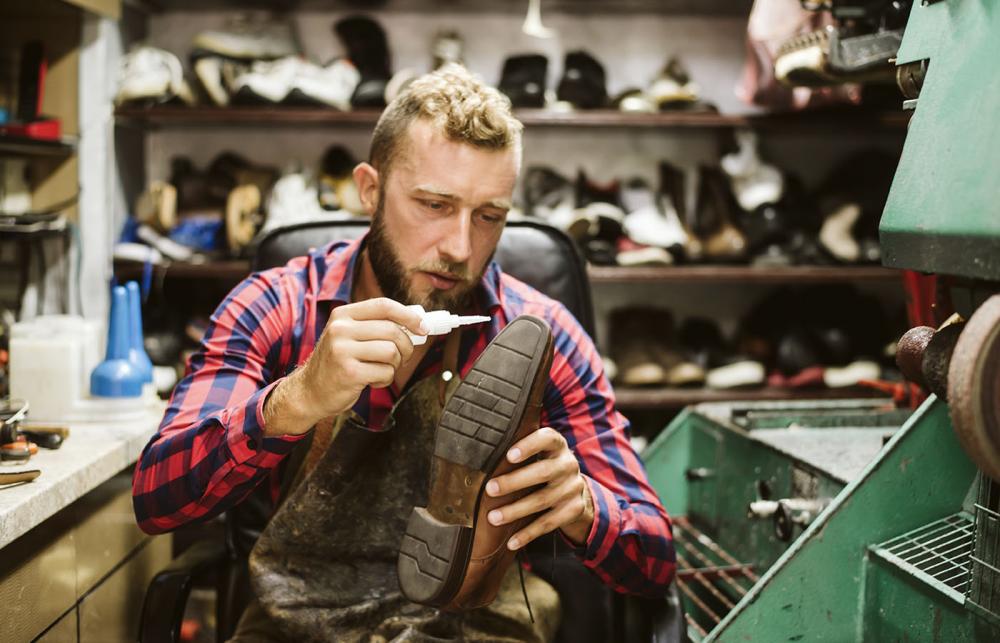
For the DIY enthusiast, it can mend shoe soles and repair broken eyeglasses. This showcases its incredible adhesion on different materials.
Here are everyday applications of super glue:
- Fixing broken ceramics and glass.
- Mending torn fabrics and textiles.
- Assembling models and miniatures.
- Sealing minor leaks, like pipes or hoses.
- Repairing worn shoe soles.
Each of these uses highlights super glue's effectiveness in diverse scenarios.
Industrial and Specialised Applications of Super Glue
Super glue isn’t just for home repairs. Industries find it equally useful for its strong bonds and quick setting times.
In electronics, it's used for wire tacking and securing components. This ensures durability in devices.
The medical field also benefits from its properties. Cyanoacrylate adhesives are used for wound closure, offering a suture alternative.
In manufacturing, super glue helps in assembling parts, enhancing production efficiency. Its reliability is crucial in high-demand settings.
Here are some industrial applications:
- Component bonding in electronics.
- Medical uses, such as wound closure.
- Assembling parts in manufacturing processes.
Super glue's diverse applications underscore its invaluable role across various sectors, ensuring durable and effective results.
Where to Buy Super Glue and Cyanoacrylate Glue in the UK
Finding super glue in the UK is simple. Most supermarkets stock it for convenience. This ensures quick fixes are always at hand.
Hardware stores offer a broader range. They provide specific types suited for different applications. This helps in choosing the right adhesive.
Online retailers like Amazon provide even more options. From bulk purchases to specialized formulas, there's something for every need.
Specialty craft stores are also worth considering. They often carry unique varieties ideal for creative projects. This is perfect for hobbyists and crafters looking for tailored solutions.
Tips for Using Super Glue Safely and Effectively
Using super glue effectively requires some care. Proper preparation ensures the strongest bond. Clean surfaces first to remove dirt and grease.
Work in a well-ventilated area. This reduces exposure to fumes. Ventilation also helps glue dry evenly and quickly.
Use appropriate safety gear. Gloves protect skin from accidental contact. Eye protection guards against splashes.
Consider these tips for optimal results:
- Apply glue sparingly to avoid overflow.
- Ensure a precise fit before bonding surfaces.
- Hold parts together until glue sets firmly.
Store the glue properly after use. Cap it tightly to prevent drying. Keeping it cool helps maintain consistency.
Always test on a small area. This checks compatibility. Some materials react unexpectedly with super glue.
Remember, less is more with super glue. Small amounts provide the best hold. Follow these tips for safe, effective use each time.
How to Remove Super Glue from Skin and Surfaces
Accidentally getting super glue on your skin can be alarming. However, removal is quite manageable. Start by soaking the affected area in warm, soapy water.
Gently rub the skin. This might help loosen the glue bond. Do not forcefully peel the glue to prevent skin damage.
For more stubborn cases, try acetone. Nail polish remover often contains acetone. Apply it carefully to dissolve the glue.
Surfaces can also get unintended glue spots. Use a similar method as with skin. Apply acetone with caution and test on a small, hidden area first to avoid damage.
Storing and Extending the Shelf Life of Super Glue
Proper storage can significantly extend the life of super glue. Keep it in a cool, dry place to maintain its quality.
Direct sunlight can degrade the glue, reducing its effectiveness. It's best to avoid placing it near heat sources.
Some users find refrigeration helpful. This can slow down the drying process, prolonging usability.
Always ensure the cap is tightly sealed after each use. This simple step prevents air from entering, which could cause the glue to harden prematurely.
FAQs: Everything You Need to Know About Super Glue
Super glue raises many questions for new users. Here, we address the most common queries.
- Can super glue be used on all materials? Not all; avoid using it on some plastics like polyethylene.
- How can you remove super glue? Acetone or nail polish remover usually works.
- Is super glue waterproof? Some formulas are waterproof, but not all. Always check the label.
- What is the shelf life of super glue? Generally, it's about 12 months if stored well.
- Does super glue expire? Yes, exposure to air can shorten its lifespan dramatically.
View all Algeos adhesives here.
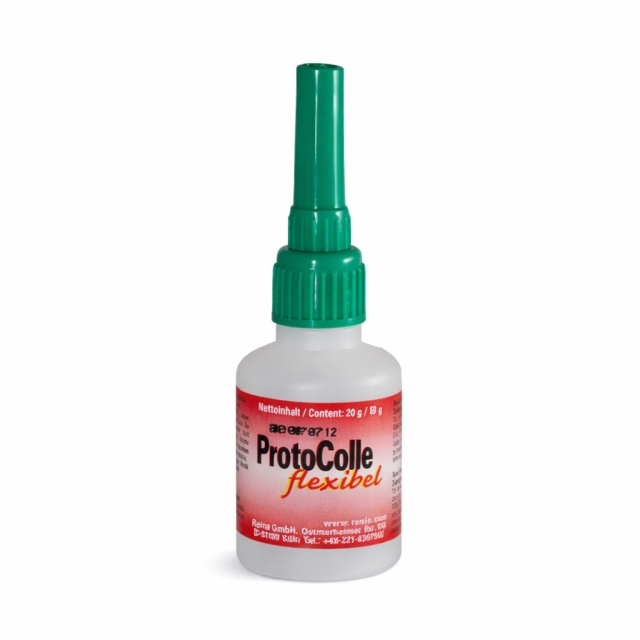
Sold: 20g
Incl. VAT Exl. VAT