



Updated:
Author: Marc Cameron (Algeos)
Key takeaways
- Short regular sessions on an exercise ball can reduce stiffness and improve posture.
- Upright pelvic movement may support comfort in late pregnancy and early labour.
- Choose the correct size and use a non-slip surface to reduce risk.
- Stop if you feel dizziness, pain or concerning symptoms and seek advice.
Definition
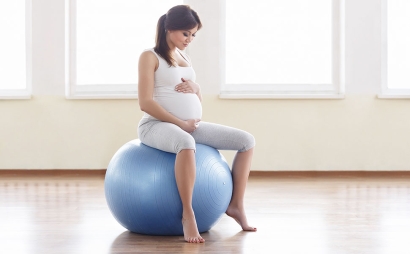
Exercise ball (stability ball or birthing ball): A large inflatable ball used for balance, posture and controlled movement. During pregnancy it is commonly used for seated mobility, gentle strengthening and comfort positions in late pregnancy and early labour.
How it works
Pregnancy hormones increase ligament laxity while the growing bump shifts the centre of gravity forward. These changes can increase load through the lumbar spine and pelvis. Sitting and moving on an exercise ball introduces gentle instability that encourages subtle activation of postural muscles and promotes pelvic mobility.
For most people this supports comfort by reducing prolonged static sitting and encouraging frequent small movements that keep the pelvis and lower back from stiffening.
Why it matters
Clinically, pregnancy exercise is about function, comfort and safety rather than intensity. An exercise ball is a low-barrier tool that supports day-to-day symptom management and helps people stay active with minimal equipment.
If you want broader guidance on safe activity levels, see NHS advice on exercising in pregnancy: https://www.nhs.uk/pregnancy/keeping-well/exercise/
Benefits of using an exercise ball during pregnancy
Posture and balance support
Ball sitting encourages a more neutral pelvis and reduces slumped sitting. This can be helpful as postural fatigue increases across the second and third trimester.
Lower back and pelvic comfort
Gentle pelvic movement can reduce stiffness and perceived pressure through the lower back. Many women find short bouts on the ball more comfortable than prolonged chair sitting.
Birth preparation and comfort positions
Upright positions can feel more comfortable late in pregnancy, and rhythmic movement can be useful in early labour. Many maternity teams recommend movement and position changes for comfort. For patient-facing guidance see RCOG: https://www.rcog.org.uk/for-the-public/browse-our-patient-information/exercise-during-pregnancy/
Gentle strengthening
Wall squats and controlled seated work can maintain leg and glute strength, supporting daily activities like climbing stairs, lifting and getting up from the floor.
In practice, many women describe the ball as a comfort tool rather than a workout tool. Common themes include easier sitting at a desk, reduced evening back ache and feeling more in control during early labour through movement and upright positions.
Clinicians also value the ball because it supports self-management and can be used safely with minimal instruction, particularly when paired with clear posture cues and a non-slip setup.
Pregnancy Ball Poses & Exercises to Try
Using a pregnancy (birthing) ball can be a gentle way to stay comfortable and mobile during pregnancy. The movements below are designed to support posture, pelvic mobility and relaxation - and can be adapted to suit how you feel on the day.
Safety notes (please read first)
- Check with your midwife or GP first if you have any pregnancy complications, pain that doesn’t settle, or you’ve been advised to limit activity.
- Stop immediately if you feel dizzy, faint, short of breath, develop chest pain, have a headache that comes on suddenly, feel unwell, or get vaginal bleeding or fluid loss.
- Stop and seek advice urgently if you notice reduced baby movements or have regular painful contractions earlier than expected.
- Avoid overheating: exercise in a cool room, wear light clothing, and drink water.
- Keep it comfortable: you should be able to talk while doing these movements. Avoid anything that causes sharp pain, pins and needles, or makes symptoms worse.
- Prevent falls: place the ball on a non-slip surface, keep it away from furniture edges, and have a stable chair or wall nearby for support.
- Choose the right ball size: when seated, your hips should be slightly higher than your knees (or at least level) and your feet flat on the floor.
- Inflate properly: the ball should feel firm, not squishy, so you’re stable and supported.
- Late pregnancy tip: avoid lying flat on your back for prolonged periods (these exercises are upright or forward-leaning, which is generally more comfortable).
- During labour: if you’re using strong pain relief, feel unsteady, or have monitoring attached, only use the ball with support and guidance from your maternity team.
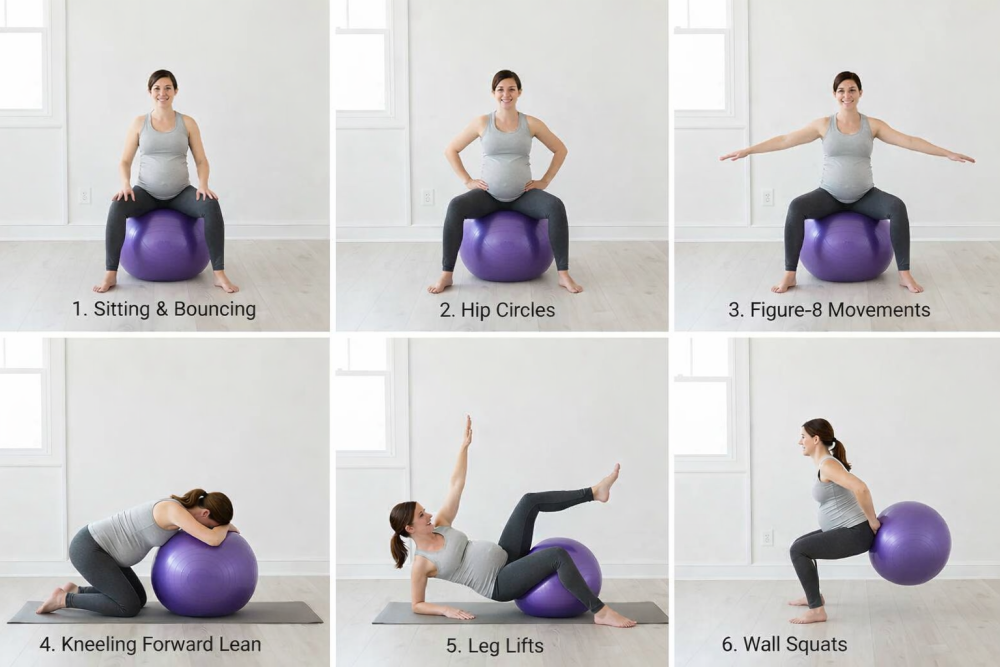
1) Sitting Easy
How to do it: Sit on the ball with your feet hip-width apart. Keep your spine tall and shoulders relaxed. Aim for knees slightly lower than hips and feet flat.
Benefits: Encourages good posture, gently activates the core, and may reduce lower back pressure.
Duration: Use as a comfortable alternative seat while working, watching TV or reading.
When: Any time during pregnancy (as comfort allows).
2) Swing (Side-to-Side Rocks)
How to do it: Sit on the ball and slowly move your hips side to side in a controlled, comfortable range.
Benefits: Stretches hip muscles, relieves tension, and supports pelvic mobility.
Duration: 2–3 minutes
Repetitions: 10–15 gentle rocks each direction
3) Infinity (Figure-of-Eight Movements)
How to do it: Sit on the ball and move your hips in a smooth infinity/figure-of-eight pattern. Keep the movement slow and steady.
Benefits: Improves pelvic flexibility, may support baby positioning, and can ease lower back discomfort.
Duration: 2–3 minutes
Repetitions: 10–15 figure-of-eights in each direction
4) Circle and Circle (Hip Circles)
How to do it: Sit on the ball and make slow hip circles. Switch direction halfway through.
Benefits: Opens the pelvis, relieves hip tension, and may encourage baby to descend (especially later in pregnancy).
Duration: 2–3 minutes
Repetitions: 10–15 circles in each direction
5) Bow to the Ball (Kneeling Forward Lean)
How to do it: Kneel on the floor with the ball in front of you. Keep knees apart, lean forward onto the ball and rest your arms and head. Gently rock your hips backwards and forwards.
Benefits: Relieves back pressure, encourages a comfortable forward-leaning position, and can help baby settle into a good position.
Duration: Hold for 1–3 minutes (or as comfortable)
When: Particularly helpful in late pregnancy and during labour.
Safety note: Use a folded towel or mat under your knees, and keep a chair nearby to help you stand safely.
6) Lifts (Seated Leg Lifts)
How to do it: Sit tall. Raise your arms up, then lower. Next, lift one foot slightly off the floor, hold briefly, then place it down. Alternate legs.
Benefits: Improves balance, strengthens legs and core gently, and supports coordination.
Duration: 5–10 minutes
Repetitions: 8–10 lifts per leg
Safety note: Keep movements small and controlled; hold onto a chair or table if you feel unsteady.
7) Squats with Ball Support
How to do it: Stand with feet slightly turned out. Hold the ball for balance, or place it between your back and a wall for wall-supported squats. Lower down slowly, keeping your back straight, then stand up.
Benefits: Strengthens legs and glutes, opens the pelvis, and prepares for upright labour positions.
Duration: Start with 5 squats and build to 10–15
Important: Don’t squat too deep if uncomfortable, and avoid holding your breath.
Safety note: Use a wall/chair for support and stop if you get pelvic pain, pressure that feels wrong, or feel unsteady.
Additional gentle exercises
- Pelvic tilts: Sit on the ball and gently rock your pelvis forwards and backwards.
- Gentle bouncing: Small, controlled bounces to encourage pelvic floor engagement and comfort (avoid vigorous bouncing).
- Arm circles: While seated, circle your arms to ease upper body tension and improve shoulder mobility.
- Seated marching: Lift feet alternately while seated for gentle movement and circulation.
Extra comfort tips
- Keep sessions short and regular (a few minutes at a time can be enough).
- Use support (chair, sofa or wall) if your balance feels different day to day.
- Listen to your body: mild muscle effort is fine; sharp pain or worsening symptoms is a sign to stop.
Choosing the right ball and set-up
| Height | Typical ball size | Seated position goal |
|---|---|---|
| Under 5’4” | 55 cm | Feet flat, hips slightly above knees |
| 5’4” to 5’10” | 65 cm | Feet flat, hips slightly above knees |
| Over 5’10” | 75 cm | Feet flat, hips slightly above knees |
Choose an anti-burst ball and inflate it firmly so it does not feel unstable under load. Use a non-slip mat and keep the ball away from sharp objects or edges.
Comparison: birthing ball vs chair vs exercise mat
| Option | Best for | Limitations | Clinical tip |
|---|---|---|---|
| Birthing ball | Pelvic mobility, posture cues, comfort sitting | Can fatigue posture muscles if used too long | Alternate with chair sitting and use a non-slip surface |
| Standard chair | Stability for longer sitting tasks | Encourages static posture and stiffness | Add lumbar support and stand up every 30 to 45 minutes |
| Exercise mat | Floor-based stretching and relaxation | Getting up and down may be harder late pregnancy | Use side-lying positions and take transitions slowly |
Safety and red flags
- Use the ball on a non-slip surface and consider a mat underneath.
- Move slowly because joints can be more mobile during pregnancy.
- Stop if you feel dizziness, chest pain, severe headache, vaginal bleeding, reduced fetal movements or sudden swelling and seek urgent clinical advice.
- If you have pelvic girdle pain, start with small ranges and consider a physiotherapy review.
FAQ
Is it safe to use an exercise ball in all trimesters?
For most pregnancies yes. Keep movements gentle and follow advice from your maternity team, especially if you have complications or pain.
What size ball should I choose?
Pick a size that allows feet flat and hips slightly above knees. Use the size guide above and inflate firmly.
Can it help with back pain?
It often helps by reducing static sitting and supporting pelvic movement. Persistent or worsening pain should be assessed clinically.
Can I use it as a desk chair?
Alternating is usually best. Use the ball in short blocks, then return to a supportive chair to avoid fatigue.
Is bouncing safe late in pregnancy?
Gentle controlled bouncing is commonly used for comfort. Avoid fast movement and stop if symptoms feel concerning.
When should I avoid using a birthing ball?
If you have been told to restrict activity, or you develop red flag symptoms, follow clinical advice. When in doubt speak to your midwife or GP.
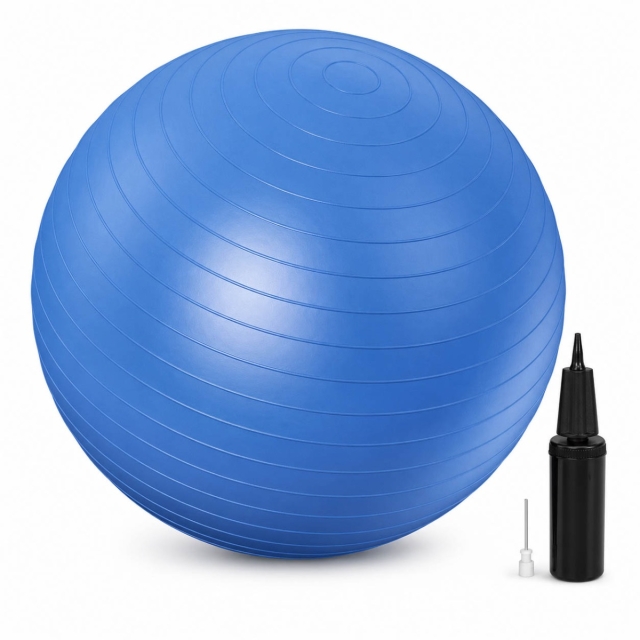
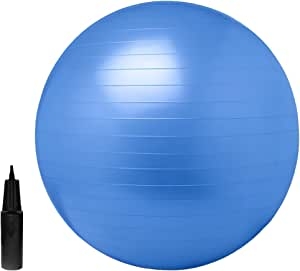
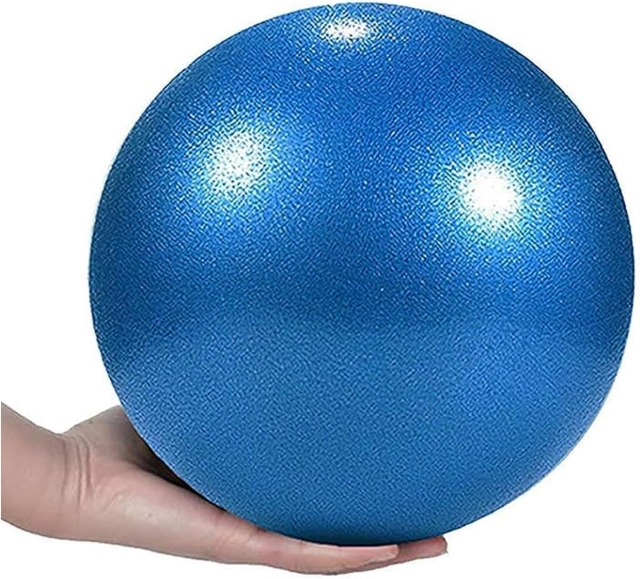
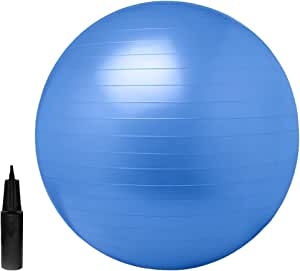
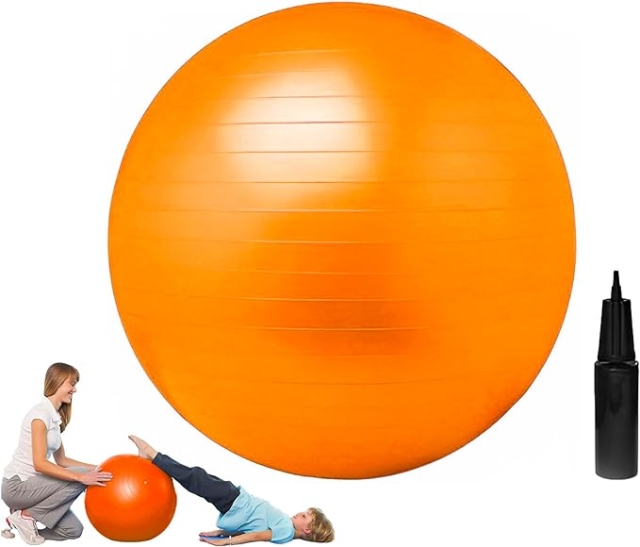
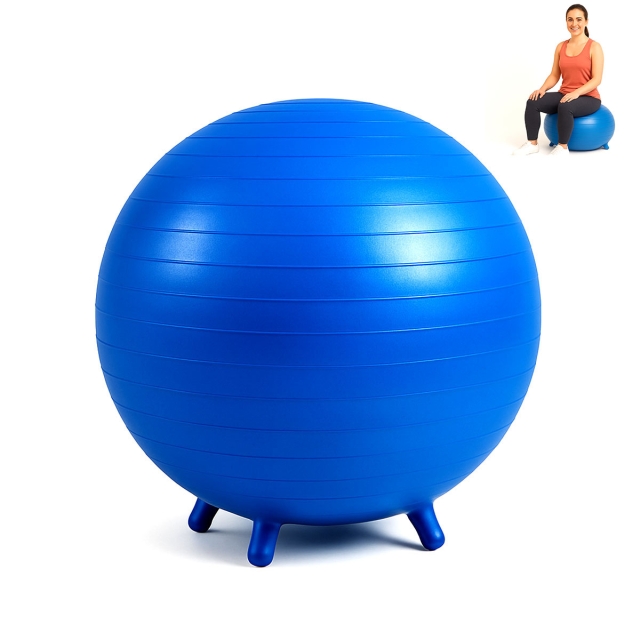
Sold: 75cm ball and pump
Incl. VAT Exl. VAT