




Hydrocolloid dressings are widely recognised in wound care for their ability to create a moist healing environment, which is crucial for tissue regeneration.
Read guide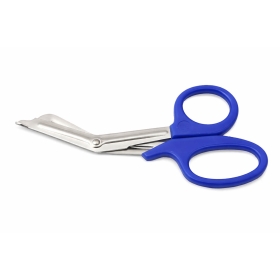 Utility Scissor with Angled Jaw - 18cm£6.06 £5.05
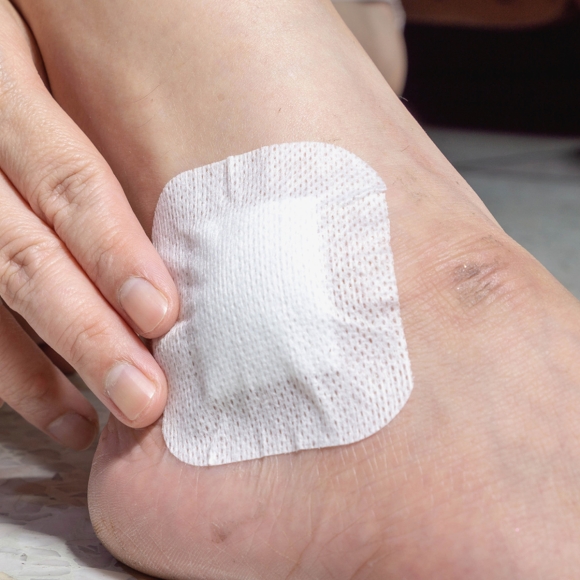
Adhesive dressings are designed to cover and protect wounds without the need for separate fixation in many routine situations. For clinicians, carers, and informed home users, they provide a simple way to manage minor wounds. They also help with post-procedure sites and light to moderate exudate. They support cleanliness, comfort, and secure placement.
Adhesive dressings combine a wound contact pad with a surrounding adhesive border or fixative layer. This makes them useful when you want a single product that can cover the wound, stay in place during everyday movement and help protect the area from friction and outside contamination. Algeos describes this category as suitable for larger wounds where additional tape or secondary dressings may not be needed, with sterile individual wrapping and a range of sizes for different clinical needs.
They are commonly chosen where convenience matters, where a neat all-in-one application is preferred, or where the wound is in a location that benefits from simple securement. Depending on the product, you may also want to compare them with non-adherent and silicone dressings, transparent dressings or dressing fixation tapes.
These are a popular starting point for routine wound cover. They are typically soft, breathable and easy to apply, making them useful for general clinical work, home care and minor post-treatment dressing changes.
These can help protect the site from splashes and everyday moisture exposure. They are often chosen when a little extra barrier protection is needed, while still keeping application simple and quick.
Some wounds need more than a basic pad-and-border format. In those cases, bordered hydrocolloid, foam or specialist dressings may be worth reviewing, including hydrocolloid dressings and foam dressings.
| Wound dressing need | How adhesive dressings may help | Useful route |
|---|---|---|
| Minor cuts, abrasions or routine covered wounds | Simple all-in-one protection with a secure border and absorbent pad. | Adhesive dressings or bandages and plasters |
| Post-procedure or post-op sites with light exudate | Neat sterile cover that can reduce the need for separate fixation products. | Melolin Adhesive Dressings and Advapore Adhesive Wound Dressing |
| Need for splash resistance or simple everyday moisture protection | Waterproof-backed formats can help shield the site during daily routines. | Waterproof Advapore dressing or transparent dressings |
| Fragile skin or painful dressing changes | A basic adhesive border may not always be the gentlest choice. | Non-adherent and silicone dressings |
| Moderate to heavier exudate | More absorbent dressing structures are often preferred. | Foam dressings or alginate dressings |
| Pressure-related or diabetic foot risk pathways | Dressing choice may form part of a wider offloading and skin protection plan. | Pressure care management and diabetic footcare products |
For clinics and care settings, it often helps to keep more than one dressing route available. A practical setup might include a core stock of adhesive dressings, a backup roll from dressing fixation tapes, absorbent options from gauze dressings and more specialist pathways from the Algeos wound dressing guide.
Where wound assessment is complex, infected, deteriorating or linked to diabetes, vascular compromise or pressure damage, dressing selection should sit within broader clinical management rather than product choice alone.
A practical overview of dressing families, use cases and selection points.
Read guideCompare common dressing categories for clinics, professionals and informed users.
Explore guideA broader article covering dressing formats and when each may be considered.
Read articleHydrocolloid dressings are widely recognised in wound care for their ability to create a moist healing environment, which is crucial for tissue regeneration.
Read guidePractical everyday non-woven adhesive wound dressings for routine use.
View productUseful when simple waterproof cover is part of the requirement.
View productA recognised adhesive dressing route for routine clinical and home-use needs.
View productHelpful when you want to compare bordered adhesive options with separate fixation approaches.
Compare optionPressure-related wounds need more than dressing choice alone. Offloading, positioning, skin checks and support surfaces may all matter. Review pressure ulcer care, plus related pages on pressure sores and bed sore prevention.
Where wounds involve neuropathy, reduced sensation or ulcer risk, the dressing is only one part of the pathway. Explore diabetic footcare products and the wider wound care content hub.
A well-prepared treatment room often combines dressings, fixation, gauze and cutting instruments. See podiatry supplies, podiatry instruments and multi-use scissors.
Designed for straightforward sterile wound cover in a practical boxed format.
View Advapore AdhesiveUseful where a simple adhesive dressing with waterproof properties is preferred.
View waterproof optionA familiar adhesive dressing route available in multiple sizes.
View MelolinCompare adhesive, non-adherent, hydrogel, foam and hydrocolloid pathways.
Browse all wound dressingsThey are commonly used to cover and protect wounds where a single dressing with its own adhesive border is suitable. This can include minor wounds, routine post-procedure sites and some lightly exuding wounds, depending on assessment and dressing specifications.
They can be, provided the dressing size and absorbent pad are appropriate and the wound presentation suits this style of cover. The Algeos category includes adhesive wound dressings described for larger wounds where extra tape or a secondary dressing may not be required.
An adhesive dressing usually combines the pad and fixation into one product. A non-adherent dressing focuses on minimising sticking to the wound bed and may still need separate fixation. For fragile skin or painful dressing changes, compare with non-adherent and silicone dressings.
They can be useful where splash resistance, washing or day-to-day moisture exposure is a concern. Product choice still depends on wound location, exudate level and the need for visual inspection or breathability.
Sometimes, but wound complexity matters. These wounds often require broader clinical management including pressure redistribution, offloading, vascular and skin assessment, and review of exudate and infection risk. Explore pressure care management and diabetic footcare pathways.
That depends on the wound, exudate, skin condition, product instructions and clinical judgment. If strike-through, leakage, edge lift, pain, odour or signs of deterioration appear, the dressing plan may need review.
For a practical wound care setup, many buyers also keep gauze dressings, fixation tapes, bandages and plasters and suitable dressing scissors or 18cm scissors.
Sold: Each
Incl. VAT Exl. VAT