






Foot Impression Box (25 units) - 2 Depths for Casting Feet
Our Foot Impression Foam Boxes come in a pack of 25 units with 2 different depths, allowing you to accurately cast feet for custom orthotics, shoes, or prosthetics with ease and convenience.
The boxes are sold in packs of 25, offering good value and ensuring that clinics always have a sufficient supply on hand.
Sold: 25 Boxes
Incl. VAT Exl. VAT
Product Description
Foot Impression Foam Boxes for Orthotic Casting
Algeos Foot Impression Foam Boxes provide a quick, simple and reliable method of capturing detailed foot impressions for the manufacture of custom-made foot orthotics and insoles.
Manufactured using high-quality phenolic impression foam, these casting boxes are designed to capture the contours of the foot, helping podiatrists, orthotists and other healthcare professionals obtain the information needed for accurate orthotic fabrication.
Available in two foam depths, 4cm Standard and 6cm Deep, the boxes are suitable for a wide range of foot shapes and clinical casting requirements. Supplied in convenient packs of 25, they are ideal for busy podiatry clinics, orthotic laboratories and healthcare practices.
Features and Benefits
- Detailed Foot Impressions: Phenolic foam captures the shape and contours of the foot, providing a negative impression for custom orthotic manufacture.
- Quick and Easy to Use: A straightforward impression-taking method that requires minimal equipment and preparation.
- Two Depth Options: Choose between 4cm standard-depth and 6cm deep foam boxes to accommodate different foot shapes and casting requirements.
- Clinical Versatility: Suitable for taking impressions using non-weight-bearing, semi-weight-bearing or weight-bearing techniques, as determined by the clinician.
- Consistent Impression Quality: The foam retains the negative impression of the foot for subsequent assessment, scanning or orthotic fabrication.
- Compatible with Digital Workflows: Impressions can be digitised using a suitable 3D foot impression box scanner.
- Convenient Bulk Supply: Supplied in packs of 25 for regular clinical use.
Available Foot Impression Box Depths
Choosing the appropriate foam depth helps accommodate the patient's foot shape and the casting technique being used.
Standard Depth - 4cm
The 4cm foot impression foam box is suitable for routine orthotic casting and general podiatry applications. It provides sufficient depth for many standard foot impressions and is a practical choice for everyday clinical use.
Deep Depth - 6cm
The 6cm deep impression foam box provides additional depth for patients with larger feet, more pronounced foot contours or cases where a deeper impression is required.
How to Use Foot Impression Foam Boxes
Foot impression boxes offer a convenient method of capturing the shape of a patient's foot without the need for traditional plaster casting. The technique used should be selected according to the patient's clinical assessment and orthotic prescription.
Step 1 - Prepare the Patient
Position the patient comfortably and ensure the foot is clean and dry. Explain the impression-taking procedure and determine whether a non-weight-bearing, semi-weight-bearing or weight-bearing impression is required.
Step 2 - Position the Foot
Place the impression box on a firm, level surface. Carefully align the patient's foot over the foam, ensuring sufficient space around the heel, forefoot and toes.
Step 3 - Capture the Impression
Guide the foot into the foam using the selected casting technique. Apply controlled pressure to capture the required foot contours while maintaining the intended foot and joint positioning.
For semi-weight-bearing techniques, the clinician may guide the foot and control the pressure applied to the foam. For fully weight-bearing impressions, the patient should be appropriately supported and instructed to apply weight as directed.
Step 4 - Remove and Inspect
Carefully lift the foot vertically out of the foam to avoid disturbing the impression. Examine the negative mould for clear anatomical detail and check that the heel, forefoot and other clinically relevant areas have been captured.
If the impression is incomplete, distorted or incorrectly positioned, a new impression may be required.
Step 5 - Identify and Prepare for Manufacture
Label the impression with the relevant patient identification, left or right foot designation and any information required by the orthotic laboratory. Follow the laboratory's prescription and packaging requirements.
Step 6 - Scan or Send to an Orthotic Laboratory
The completed impression can be sent to an orthotic manufacturer for processing or, where suitable equipment is available, digitised using a compatible 3D foot impression scanner.
A digital scan can be used within a CAD/CAM orthotic manufacturing workflow, allowing the impression to be assessed and incorporated into the design of a custom foot orthosis.
Professional Tips for Better Foot Impressions
- Choose the Right Depth: Select a foam depth that provides adequate clearance for the patient's foot and the intended impression technique.
- Maintain Foot Position: Avoid unwanted rotation, movement or changes in foot alignment during impression taking.
- Use Controlled Pressure: Excessive or uneven pressure can distort the impression and affect the accuracy of the resulting orthotic shape.
- Avoid Repositioning: Once the foot has entered the foam, unnecessary movement can create overlapping impressions or distort anatomical detail.
- Check Before Processing: Inspect the finished impression for missing contours, movement artefacts and other irregularities.
- Handle with Care: Protect completed impressions from crushing, moisture and accidental damage during storage and transport.
Applications
Foot impression foam boxes are widely used by healthcare professionals involved in foot assessment, orthotic prescription and custom insole manufacture.
- Custom-made foot orthotics and insoles
- Podiatry and orthotic clinics
- Biomechanical assessment and orthotic prescription
- Orthopaedic footwear and footbed manufacture
- Orthotic laboratories and CAD/CAM production workflows
- 3D digitisation of traditional foam foot impressions
Product Specifications
| Product | Foot Impression Foam Boxes |
|---|---|
| Material | Phenolic Impression Foam |
| Standard Depth | 4cm (40mm) |
| Deep Depth | 6cm (60mm) |
| Pack Quantity | 25 Boxes |
| Primary Application | Foot Impression Casting for Custom Orthotics |
| Digital Scanning | Suitable for use with compatible foam impression box scanning systems |
Frequently Asked Questions
What is a foot impression foam box used for?
A foot impression foam box is used to capture a negative mould of the foot. This impression provides anatomical information that can be used by an orthotic laboratory to manufacture custom-made foot orthotics and insoles.
What is the difference between 4cm and 6cm impression foam?
The main difference is the depth of the foam. Standard 4cm boxes are suitable for many routine casting procedures, while 6cm deep boxes provide additional space for deeper impressions and certain foot shapes.
Should the patient stand or sit when taking a foam impression?
Both seated and standing techniques may be used, depending on the clinical requirements. Non-weight-bearing, semi-weight-bearing and weight-bearing casting techniques produce different impressions. The clinician should select the appropriate method based on the orthotic prescription and the patient's needs.
Can foam foot impressions be 3D scanned?
Yes. A suitable 3D foot impression box scanner can digitise the negative foam impression, allowing the captured foot shape to be used within a compatible digital orthotic design and manufacturing workflow.
Can a foam impression box be reused?
Foot impression foam boxes are intended for single-impression use. Once the foam has been compressed, it retains the negative mould and cannot be restored to its original condition for another accurate impression.
Order Foot Impression Foam Boxes from Algeos
Whether you are producing custom orthotics in-house or sending impressions to a specialist orthotic laboratory, Algeos Foot Impression Foam Boxes provide a practical and efficient casting solution.
Choose from 4cm standard-depth or 6cm deep impression foam boxes, both available in packs of 25.
Related Downloads
Frequently bought together
Sold: Each
Incl. VAT Exl. VAT
Sold: 15kg Tub
Incl. VAT Exl. VATSold: 15kg Tub
Incl. VAT Exl. VAT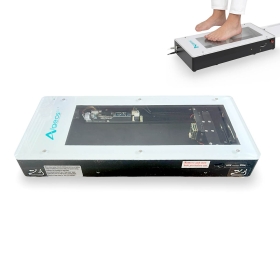
Sold: Each
Incl. VAT Exl. VAT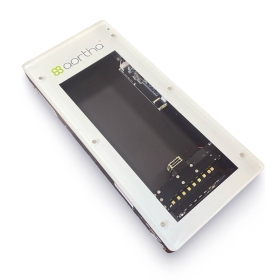
Sold: Each
Incl. VAT Exl. VAT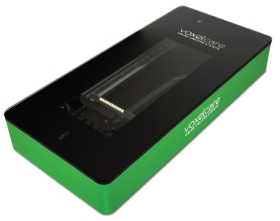
Sold: 25 Boxes
Incl. VAT Exl. VAT