



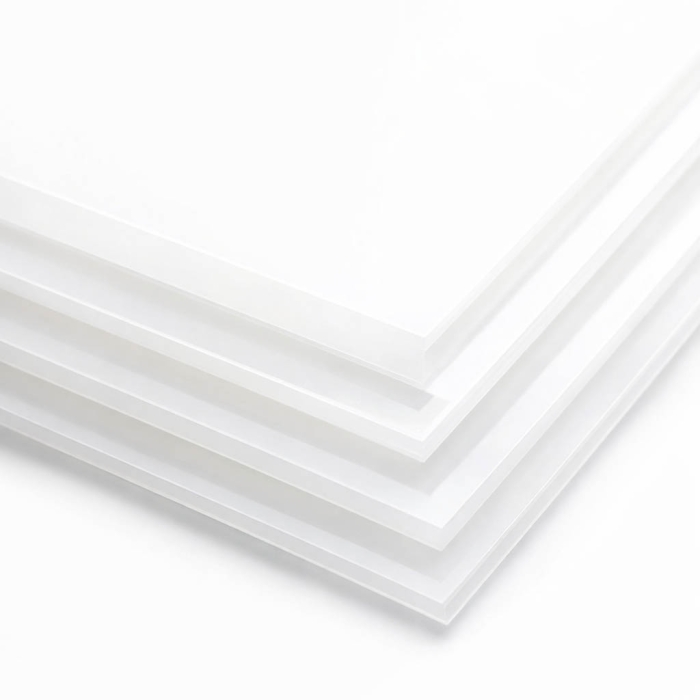
Aortha Copolymer Polypropylene Plastic Sheets - Natural
Aortha Copolymer Polypropylene Plastic Sheets are particularly suitable for applications where impact strength and heat resistance is important.
MOQs and Sale Increments
2440mm x 1220mm = 1 Sheet
1220mm x 1220mm = 2 Sheets
813mm x 406mm = 9 Sheets
Sold: Multiple sheet size options
Incl. VAT Exl. VAT
Product Description
Balance of Toughness, Resilience and Flexibility
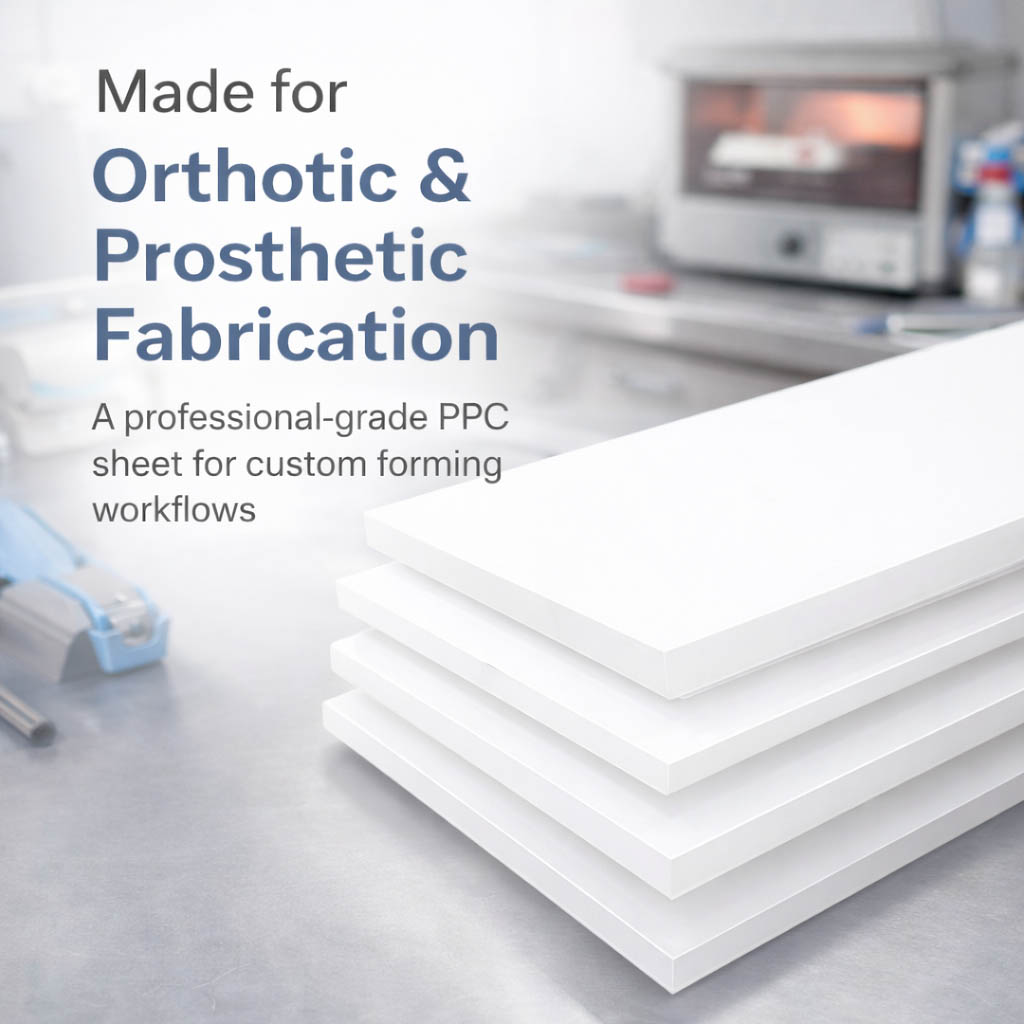
Aortha PPC Natural is a premium-grade copolymer polypropylene sheet developed for orthotic and prosthetic fabrication where impact strength, flexibility and reliable heat processing matter. It is a practical workshop material for making durable custom devices that need to hold shape well while still offering controlled yield under load.
Suitable for orthoses, prosthetic components and wider fabrication tasks, this material is designed for technicians and manufacturers who need a dependable sheet plastic for thermoforming, trimming and finishing.
Multiple sheet size options help support both large-scale production and more specific workshop requirements.
Key selling points
- Strong impact resistance for devices exposed to daily wear and repeated loading.
- Good flexibility helps support comfort, fit and functional performance in finished devices.
- Thermoformable for precise custom shaping in orthotic and prosthetic workflows.
- Natural finish suited to workshop fabrication where material performance comes first.
- Available in multiple large sheet sizes to suit different manufacturing needs.
What it does and how it works
This sheet material is used as a mouldable structural plastic in the manufacture of orthotic and prosthetic components.
When heated to the appropriate thermoforming range, it becomes workable enough to shape accurately over models, forms or positive casts, then cools into a durable finished part.
As a copolymer polypropylene, it is valued where a balance of toughness, resilience and flexibility is needed.
That makes it useful for practitioners and technicians producing patient-specific devices that must cope with repeated use while remaining comfortable and practical to wear.
Common problems it may help with
- Need for a sheet plastic that balances strength with workable flexibility.
- Fabrication of orthotic or prosthetic devices that must resist cracking under regular use.
- Need for efficient thermoforming in custom workshop production.
- Requirement for a reliable material for durable patient-specific device manufacture.
- Need for a versatile plastic that can also suit selected packaging, protective or industrial uses.
Applications and suitability
This material is suited to orthotic devices such as foot orthoses, knee braces and spinal supports, as well as prosthetic sockets and other durable prosthetic components.
It may also be used in medical packaging, protective equipment, industrial components, automotive interior parts, consumer goods and panel-based construction applications where a resilient plastic sheet is useful.
It is particularly suitable for workshops, orthotic labs, prosthetic fabrication teams and manufacturing environments that need consistent forming behaviour and dependable finished performance.
Who it may not suit
- Users looking for a ready-made orthosis or finished wearable support rather than a raw fabrication material.
- Projects that require a highly rigid sheet with minimal flex characteristics.
- Workflows without suitable thermoforming equipment or safe workshop handling procedures.
- Buyers who need a coloured sheet finish rather than natural polypropylene.
PPC
Product specifications
| Product type | Copolymer polypropylene plastic sheet |
|---|---|
| Brand | Aortha |
| Colour | Natural |
| Sold as | Multiple sheet size options |
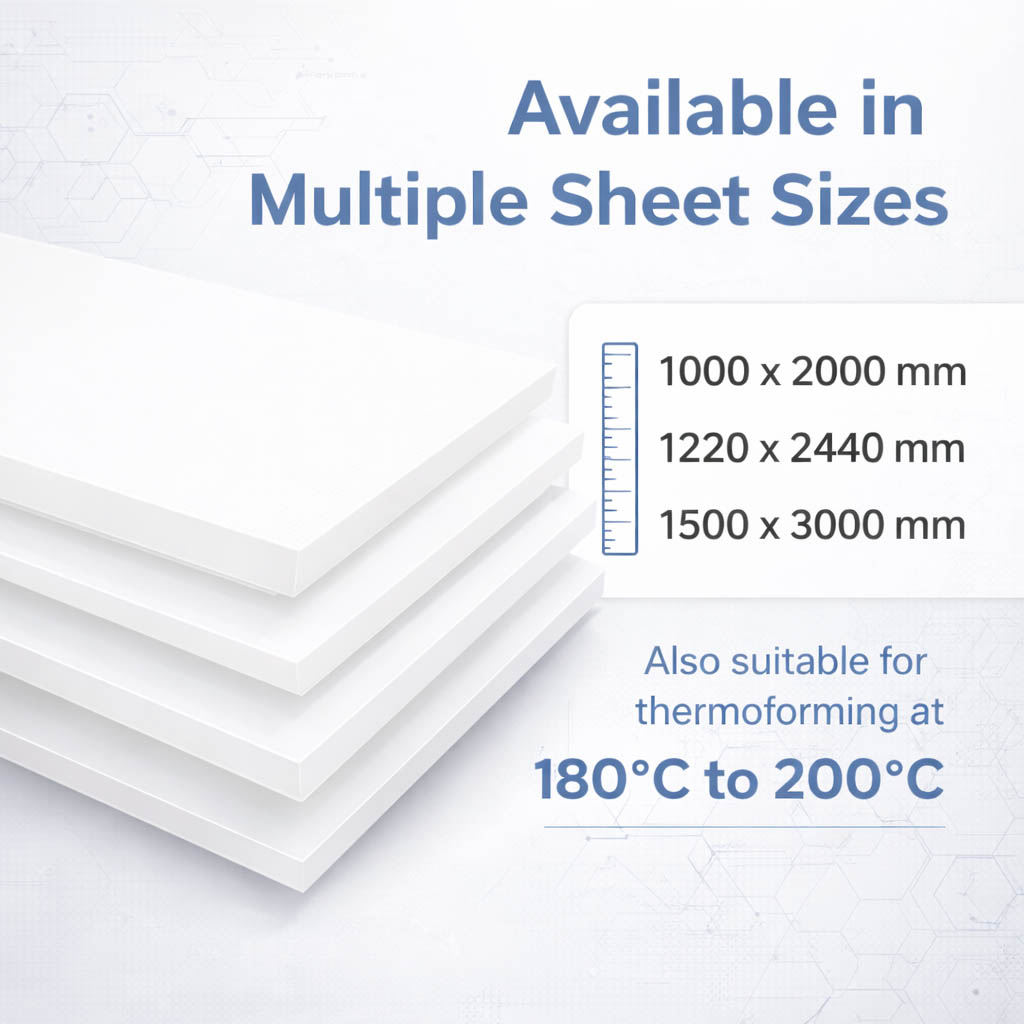
| Available sheet sizes | 1000mm x 2000mm, 1220mm x 2440mm, 1500mm x 3000mm |
| MOQ and sale increments | 2440mm x 1220mm = 1 sheet, 1220mm x 1220mm = 2 sheets, 813mm x 406mm = 9 sheets |
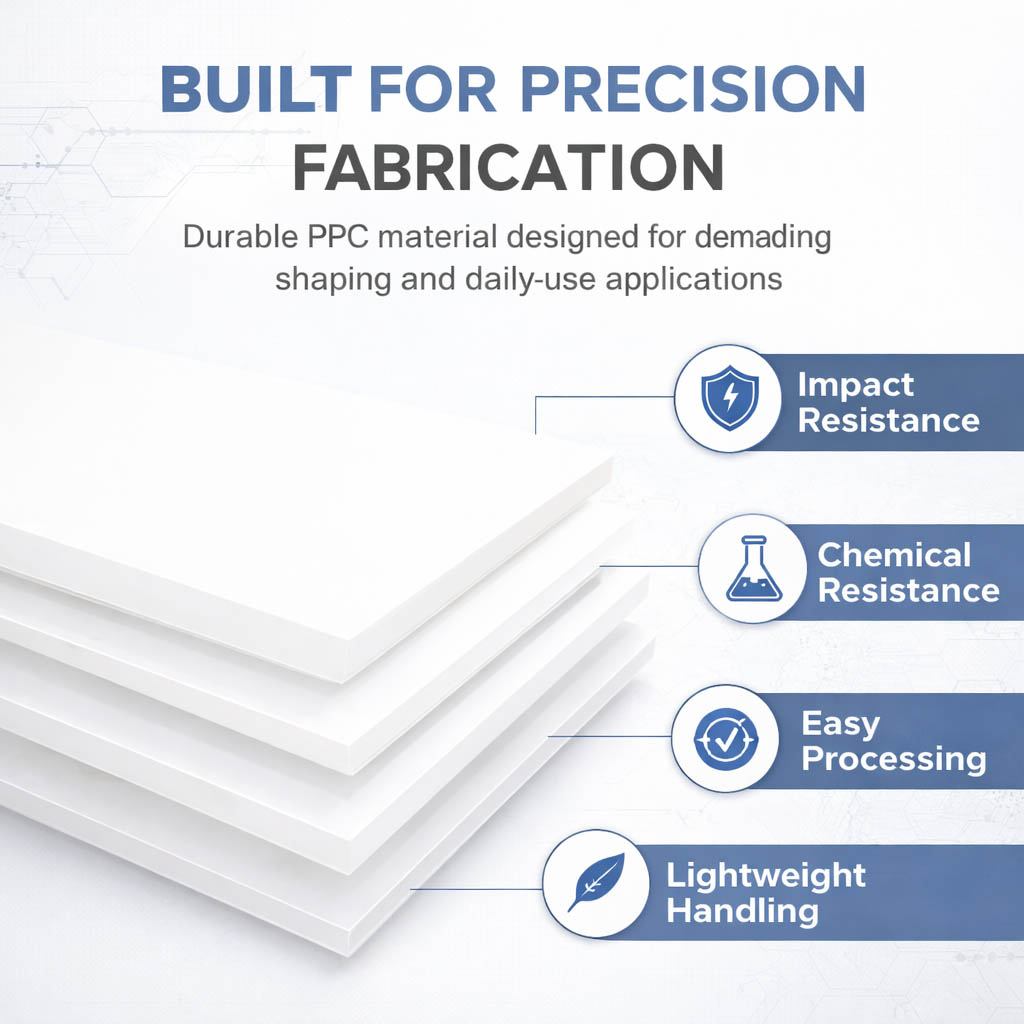
| Material benefits | Impact resistant, flexible, lightweight, chemically resistant, easy to process |
| Thermoforming temperature | 180°C to 200°C |
| Typical uses | Orthotic devices, prosthetic components, medical packaging, protective equipment and other fabricated parts |
Common Uses
Copolymer polypropylene sheet is widely used in applications where toughness, flexibility, chemical resistance and low weight are important.
Compared with standard polypropylene, it offers improved impact strength, making it especially suitable for fabricated parts, protective panels and environments where repeated handling is expected.
It is commonly selected for packaging, industrial, medical, display, automotive and construction uses because it is easy to cut, fold, weld and machine.
It also performs well in damp conditions and resists many chemicals, making it suitable for both indoor use and more demanding working environments.
| Application Area | Typical Uses |
|---|---|
| Packaging | Returnable packaging, box liners, dividers, protective inserts and reusable transit components |
| Industrial | Machine guards, chemical-resistant liners, tank fabrication, gaskets, templates and protective barriers |
| Medical & Healthcare | Medical packaging, tray components, hygiene-related applications and fabricated orthotic & prosthetic devices |
| Signage & Display | Display boards, POS panels, exhibition panels and temporary signs |
| Automotive & Transport | Interior trim backing, boot liners, separators and protective panels |
| Construction | Surface protection sheets, damp-resistant layers and temporary floor and wall protection |
| Consumer Products | Folders, storage inserts, organisers and cut-to-shape protective components |
Usage instructions
- Select the sheet size and quantity needed for the intended fabrication job.
- Heat the material within the recommended thermoforming range of 180°C to 200°C using suitable workshop equipment.
- Form the sheet carefully over the required cast, model or fabrication surface.
- Allow the material to cool fully before trimming, finishing or fitting into the final build process.
- Store flat and handle using normal safe workshop procedures to help maintain material condition and reduce damage.
Benefits
- Supports efficient custom fabrication for orthotic and prosthetic work.
- Combines toughness with workable flexibility for practical finished devices.
- Helps technicians produce durable components suited to repeated daily use.
- Large sheet availability supports both batch production and bespoke jobs.
- Versatile enough for medical, industrial and general fabrication tasks.
Contraindications & warnings
- For workshop and fabrication use rather than direct end-user application as supplied.
- Use appropriate heating, cutting and forming equipment with suitable safety precautions.
- Do not overheat beyond recommended processing requirements.
- Finished device suitability depends on correct material selection, fabrication method and professional assessment.
FAQs
What is Aortha PPC Natural used for?
Aortha PPC Natural is mainly used for orthotic and prosthetic fabrication where a strong, flexible thermoformable sheet is needed. It is suitable for products such as foot orthoses, knee braces, spinal supports and prosthetic components, as well as selected industrial and packaging applications.
What does PPC mean in this material?
PPC refers to polypropylene copolymer. This type of polypropylene is chosen where a balance of toughness, flexibility and ease of processing is important.
Why choose copolymer polypropylene instead of a more rigid plastic?
Copolymer polypropylene is often selected when a device needs resilience and some controlled flex rather than a very stiff finish. That can make it a practical choice for orthotic and prosthetic applications where comfort, durability and ease of forming all matter.
What temperature should it be thermoformed at?
The listed thermoforming range for this material is 180°C to 200°C. Working within this range helps achieve accurate moulding while maintaining the material’s useful performance characteristics.
What sheet sizes are available?
This material is available in 1000mm x 2000mm, 1220mm x 2440mm and 1500mm x 3000mm sheet sizes. These options support different workshop scales and fabrication needs.
Is this material suitable for orthotic devices?
Yes, it is specifically presented as suitable for orthotic applications. Common examples include foot orthoses, knee braces and spinal supports where impact resistance and flexibility are useful.
Can it be used for prosthetic fabrication?
Yes, it is also suitable for prosthetic work, including prosthetic sockets and other durable prosthetic components. Its mouldability and resilience make it practical for custom fabrication workflows.
Is the sheet lightweight?
Yes, lightweight handling is one of its stated advantages. That can be beneficial both during workshop processing and in the comfort of the finished device.
Does it resist chemicals?
Yes, chemical resistance is one of the listed properties of this material. That added resilience can be useful in both fabrication settings and finished products exposed to routine wear conditions.
Is this a finished medical device?
No, this product is a sheet material for fabrication rather than a finished wearable device. The final outcome depends on how the material is selected, formed and finished within a professional workflow.
Related Links
- Aortha Copolymer Polypropylene Plastic Sheets - Natural
- Aortha Copolymer Polypropylene Check Socket Plastic Sheets
- Aortha Copolymer Polypropylene Plastic Sheets - Colours
- Plastic Sheets | Range Plastics for P&O
- Aortha Technical Data
- Guide to Orthotic Plastics Offered by Algeos
- What is Copolymer Polypropylene?
Product Summary
Aortha PPC Natural is a thermoformable natural-colour copolymer polypropylene sheet for orthotic and prosthetic fabrication. It combines impact resistance, flexibility, lightweight handling and chemical resistance, making it a dependable workshop choice for durable custom devices and other formed plastic applications. Available in multiple large sheet sizes and processed at 180°C to 200°C, it is designed for professional fabrication environments that need consistent shaping and reliable finished performance.
Frequently bought together
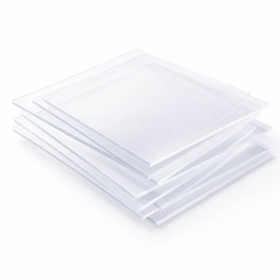
Sold: 2 Sizes
Incl. VAT Exl. VAT
Sold: Per sheet
Incl. VAT Exl. VAT
Sold: multiple sheet size options
Incl. VAT Exl. VAT
Sold: Multiple Sizes Available
Incl. VAT Exl. VAT
Sold: Multiple Sizes
Incl. VAT Exl. VAT
Sold: 1930 x 930mm
Incl. VAT Exl. VAT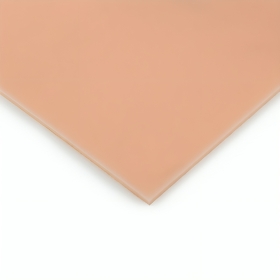
Sold: 1930 x 930mm
Incl. VAT Exl. VAT
Sold: Multiple sheet size options
Incl. VAT Exl. VAT
Sold: Multiple Sizes
Incl. VAT Exl. VAT
Sold: 2000 x 1000mm
Incl. VAT Exl. VAT
Sold: Multiple sheet size options
Incl. VAT Exl. VAT
Sold: 2000 x 1000mm
Incl. VAT Exl. VAT
Sold: 3 Sizes
Incl. VAT Exl. VAT
Sold: Each
Incl. VAT Exl. VAT
Sold: Multiple sheet size options
Incl. VAT Exl. VAT