




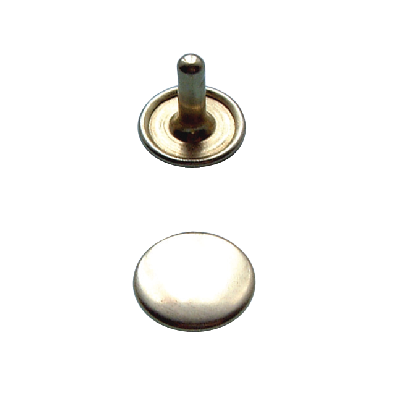
Tubular Rivets - Gilt Plated for Orthotics and Fabrics
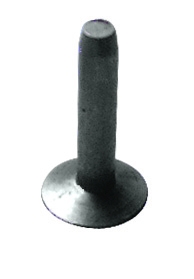
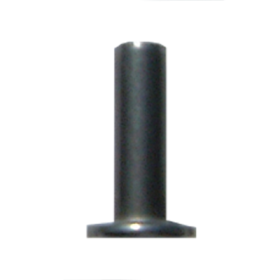
High-quality metal construction Tubular Rivets.
Gilt plated decorative caps.
Partially hollow (tubular) shank.
Designed for permanent fastening.
Bulk supply format for production environments.
Sold: Pack of 1000
Incl. VAT Exl. VAT
Product Description
Gilt Plated Tubular Rivet Fasteners for Orthotics and Fabric Work
Decorative gilt plated tubular rivets supplied in bulk, designed for secure fastening in orthotics, medical devices, leather goods and fabric applications.
Best for: Orthotic device assembly, brace fabrication, leatherwork, medical equipment components and decorative fastening where a metallic gold finish is required.
Not ideal for: Applications requiring removable fasteners or high-load structural metal joints.
- Gilt plated caps for decorative metallic finish
- Tubular shank design for efficient installation
- Supplied in packs of 1000 for workshop use
What is it?
Gilt plated tubular rivets are partially hollow metal fasteners designed to create a permanent mechanical connection between layers of material. Each rivet features a decorative gilt cap, providing a gold-toned finish that enhances the appearance of the final assembly.
Unlike solid rivets, tubular rivets have a hollow shank. This design reduces the amount of force required during installation and allows the end of the rivet to flare and secure materials together when set with appropriate tools.
These rivets combine function and finish. They provide reliable fastening performance while also contributing to the visual presentation of orthotic devices, braces, leather goods or textile-based components.
Who is it for?
These rivets are intended for professional fabrication environments and skilled makers who require dependable fastening with a refined finish.
- Orthotists and orthotic technicians assembling braces and appliances
- Medical device manufacturers requiring quality-assured components
- Bespoke footwear and leather goods manufacturers
- Specialist shoe repairers
- Fashion and accessory designers
- Craft and DIY professionals
Supplied by an ISO 13485 certified medical device supplier, these rivets are suitable for use in regulated fabrication environments where traceability and quality consistency are important.
What is it used for?
Applications
- Assembly of orthotic braces and supports
- Securing straps, hinges or reinforcement layers
- Attaching components in prosthetic or assistive devices
- Fastening leather panels in footwear and bags
- Decorative fastening in garments and accessories
- Craft and jewellery projects requiring metallic accents
Characteristics
- High-quality metal construction
- Gilt plated decorative caps
- Partially hollow (tubular) shank
- Designed for permanent fastening
- Bulk supply format for production environments
Typical Users
- Hospital orthotic workshops
- Private orthotic laboratories
- Footwear and leather manufacturing facilities
- Medical equipment assembly teams
- Professional craft workshops
How to work with it
Installation typically involves aligning the rivet through pre-punched holes in the materials to be joined. A suitable rivet setting tool or press is then used to flare the hollow shank, forming a secure mechanical lock.
Accurate hole sizing and correct tool selection are important to achieve consistent, secure fastening without deforming the cap or surrounding material.
Expected Use Timeline
First installation
Once set correctly, tubular rivets create a permanent fastening. Immediate structural stability is achieved when the shank is properly flared.
Ongoing use (months and beyond)
Due to their durable metal construction, gilt tubular rivets are suitable for high-wear applications such as braces, straps and leather goods. Periodic inspection is recommended in orthotic and medical settings to ensure ongoing device integrity.
The decorative gilt finish is designed to retain its metallic appearance under normal use conditions, though cosmetic wear may occur in abrasive environments.
Common Problems and How This Product Helps
| Common problem | How the product helps |
|---|---|
| Need for secure permanent fastening | Tubular shank design creates a reliable mechanical lock when set. |
| Time-consuming installation of solid rivets | Hollow design requires less force, simplifying installation. |
| Plain fasteners detracting from product appearance | Gilt plated caps add a refined decorative finish. |
| High-volume workshop demand | Supplied in packs of 1000 to support production efficiency. |
| Need for medical-grade supply assurance | Provided by an ISO 13485 certified supplier. |
Key Benefits
- Combines structural fastening with decorative gold finish
- Easier installation compared to solid rivets
- Cost-effective solution for bulk production
- Suitable for orthotic, medical and leather applications
- Durable metal construction for long-term performance
- Bulk pack size supports workshop efficiency
Common Mistakes to Avoid
- Using incorrect hole diameter, leading to weak fastening
- Applying excessive force during setting, deforming the cap
- Using in applications requiring future disassembly
- Failing to inspect high-stress joints in medical devices
How to Work With Gilt Tubular Rivets
- Mark and punch or drill correctly sized holes in the materials to be joined.
- Insert the rivet through aligned layers with the gilt cap positioned on the visible side.
- Place the assembly in a compatible rivet setting tool or press.
- Apply steady pressure to flare the tubular shank securely.
- Inspect the finished rivet to confirm even setting and secure hold.
- Check for sharp edges or distortion before final device assembly.
Appropriate tooling and training are recommended for consistent results in professional environments.
Technical specifications
| Specification | Details |
|---|---|
| Product type | Tubular rivet with gilt plated cap |
| Material | Metal construction |
| Finish | Gilt (gold-coloured) plated cap |
| Shank type | Partially hollow (tubular) |
| Pack quantity | Sold per 1000 |
| Quality assurance | Supplied by ISO 13485 certified medical device supplier |
| Application areas | Orthotics, prosthetics, fabrics, leather goods, medical devices |
Frequently Asked Questions
What is the advantage of tubular rivets over solid rivets?
Tubular rivets require less installation force due to their hollow shank, making them easier to set while still providing secure fastening.
Are these suitable for medical devices?
They are supplied by an ISO 13485 certified medical device supplier, supporting use in regulated environments where appropriate.
Can they be removed after installation?
They are designed as permanent fasteners. Removal typically requires drilling out the rivet.
Will the gilt finish wear over time?
The decorative finish is durable under normal conditions, though cosmetic wear may occur in high-abrasion settings.
What materials can they fasten?
They are commonly used with leather, textiles, plastics and layered orthotic materials, provided correct hole preparation and setting tools are used.
Why are they sold in packs of 1000?
Bulk packaging supports workshop efficiency and consistent supply for production environments.
Complementary and Pairing Suggestions
- Rivet setting tools and bench presses
- Hole punches and precision drilling equipment
- Orthotic strap materials and reinforcement tapes
- Leather panels and brace components
- Quality adhesives for combined mechanical and bonded fastening
Written by: Algeos Product & Clinical Content Team
Last reviewed: February 2026
This content is provided for buyer guidance and product understanding. It is not a substitute for professional fabrication training or compliance with medical device assembly standards.
Frequently bought together

Sold: Sold per Sheet
Incl. VAT Exl. VATSold: Sold per Sheet
Incl. VAT Exl. VAT
Sold: Per Sheet
Incl. VAT Exl. VAT
Sold: Box - 500g
Incl. VAT Exl. VAT


Sold: Sold per Sheet
Incl. VAT Exl. VAT
Sold: Per Sheet
Incl. VAT Exl. VAT
Sold: Per Sheet
Incl. VAT Exl. VAT
Sold: 1000
Incl. VAT Exl. VAT
Sold: Pack of 1000
Incl. VAT Exl. VAT