




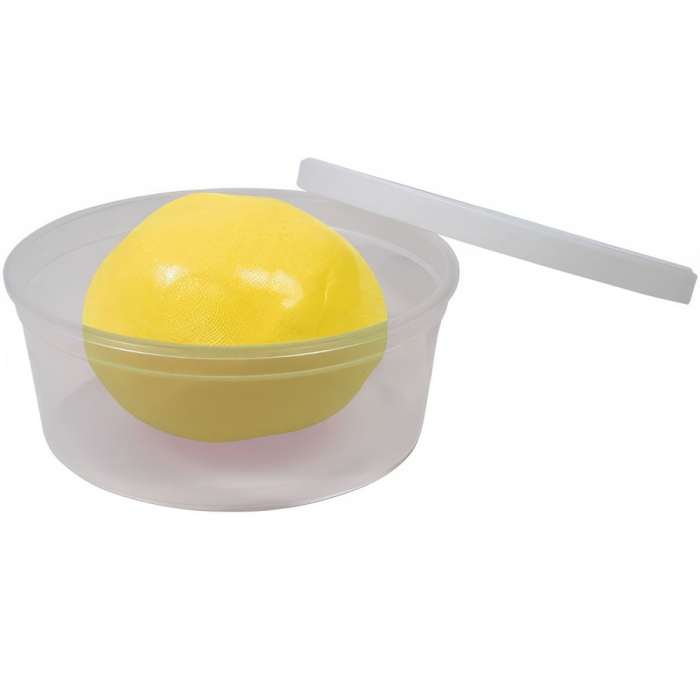
Physioworx Therapeutic Hand Therapy Putty - X Soft - Yellow x 56g
Physioworx colour coded resistive hand exercise putty is designed for hand therapy through strengthening exercise regimes.
Sold: 56g
Incl. VAT Exl. VAT
Product Description
Progressive Resistance Hand Therapy Putty - X-Soft
Colour-coded resistive hand therapy putty designed to support strengthening, rehabilitation, and sensory development across a wide range of users.
Best for: Hand therapy programmes, arthritis support, RSI and carpal tunnel rehabilitation, post-injury recovery, sensory use for children.
Not ideal for: Heavy strength training requiring high-load resistance beyond firm therapy levels.
- Five progressive colour-coded resistance levels
- Suitable for clinic or home rehabilitation
- Reusable, pliable and easy to manipulate
What is it?
Physioworx Therapeutic Putty is a soft, mouldable resistive exercise material used to strengthen the muscles, tendons and joints of the hands, fingers and lower forearm. Each 56g pot provides a compact and practical way to perform structured strengthening exercises in both clinical and home environments.
The putty is available in five colour-coded resistance levels, allowing users to gradually progress as strength and hand function improve:
- XX Soft – Tan
- X Soft – Yellow
- Soft – Red
- Medium – Green
- Firm – Blue
This graded system makes it suitable for early-stage rehabilitation through to more advanced strengthening work. Colours can also be combined to create customised resistance levels tailored to individual needs.
The tactile texture provides consistent resistance when squeezed, stretched, twisted or pinched, helping users perform repetitive strengthening exercises safely and effectively.
Who is it for?
This therapeutic putty is designed for a broad range of users who need to improve hand strength, mobility or coordination.
It is commonly used for:
- Hand therapy following injury or surgery
- Rehabilitation after fractures, dislocations, sprains or strains
- Arthritis affecting the hands and fingers
- Rheumatoid conditions impacting joint mobility
- Repetitive strain injury (RSI)
- Carpal tunnel rehabilitation programmes
- General grip strengthening
- Sensory and fine motor development in children
Because of its progressive resistance levels, it can be introduced gently in early rehabilitation and adjusted as function improves.
What does it help with?
Therapeutic putty is widely used in physiotherapy and occupational therapy to support gradual strengthening and mobility exercises.
- Arthritis: May help maintain finger mobility and functional grip strength.
- Carpal tunnel recovery: Supports strengthening of the hand and forearm muscles.
- RSI: Encourages controlled, repetitive strengthening movements.
- Post-surgery rehabilitation: Assists with rebuilding hand strength under professional guidance.
- Finger stiffness: Promotes repeated motion to support flexibility.
- Reduced dexterity: Helps improve coordination through targeted pinch and roll exercises.
- Sensory processing needs: Provides tactile stimulation that may assist focus and emotional regulation.
Strengthening the joints, tendons and muscles in the lower to mid-arm area may improve overall strength performance and support injury prevention when used appropriately.
How does it work?
The putty provides resistance when manipulated. As you squeeze, stretch or pinch it, the muscles in the fingers, hand and forearm are activated against controlled resistance.
This repeated activation supports muscle engagement and endurance. Over time, structured use may contribute to improved grip strength, coordination and functional control.
The progressive resistance levels allow gradual adaptation. Users typically begin with a softer resistance and increase as strength improves.
For children or individuals with sensory needs, the pliable texture also offers a calming tactile experience that can support concentration and self-regulation.
Expected Comfort & Use Timeline
First Use
Mild muscle fatigue may occur, particularly if strength has been reduced due to injury or inactivity. Exercises should feel manageable and controlled.
Short-Term (First 1–2 Weeks)
With regular sessions, grip tasks may begin to feel more stable. Movements such as holding objects, writing or buttoning may feel more coordinated.
Ongoing Use
Gradual improvements in strength and endurance may develop over several weeks. Progression to firmer resistance should be based on comfort and control rather than speed.
Results vary depending on the condition being addressed and consistency of use.
Problem → Solution
| Common problem | How the product helps |
|---|---|
| Weak grip following injury | Provides controlled resistance to rebuild hand strength gradually. |
| Stiff or painful fingers | Encourages gentle repeated movement to support flexibility. |
| Reduced hand coordination | Improves fine motor control through pinch and manipulation exercises. |
| Difficulty progressing rehabilitation | Five resistance levels allow step-by-step strength progression. |
| Sensory seeking behaviour | Offers safe tactile input for calming and focus. |
Key Benefits
- Five colour-coded resistance options
- Supports strengthening of fingers, hands and wrists
- Can be stretched, squeezed, twisted and pinched
- Suitable for rehabilitation and general strengthening
- Portable and easy to use anywhere
- Custom resistance achievable by combining colours
Fit & Comfort Check
Exercises should feel challenging but not painful. A snug muscular effort is expected, but sharp discomfort is not. If hands feel overly sore after use, reduce duration or switch to a softer resistance.
Start with the lowest level that feels manageable and progress gradually as control improves.
Common Mistakes to Avoid
- Choosing a resistance level that is too firm too soon
- Using for extended periods without rest in early rehabilitation
- Expecting rapid strength gains within days
- Using after surgery without professional guidance
How to Use
- Select the appropriate resistance level.
- Warm up fingers with gentle opening and closing movements.
- Squeeze the putty fully and hold for 3–5 seconds.
- Pinch between thumb and each finger individually.
- Roll into a cylinder and practise finger extension movements.
- Repeat for 5–10 minutes once or twice daily, depending on comfort.
- Store in its container after use to maintain texture.
Technical specifications
| Product name | Physioworx Therapeutic Putty |
|---|---|
| Weight | 56g per pot |
| Resistance levels | XX Soft (Tan), X Soft (Yellow), Soft (Red), Medium (Green), Firm (Blue) |
| Material | Non-toxic resistive therapy compound |
| Age suitability | Suitable for children and adults (supervision recommended for young children) |
| Use environment | Home or clinical rehabilitation settings |
| Care | Keep sealed when not in use; store clean and dry |
Frequently Asked Questions
Which resistance should I choose?
If you are beginning rehabilitation or have limited strength, start with XX Soft or X Soft. Progress only when exercises feel controlled and manageable.
Can I combine different colours?
Yes. Mixing putties allows you to create intermediate resistance levels tailored to your needs.
Is it suitable for arthritis?
It may help maintain mobility and strength in the hands, but it does not treat or cure arthritis.
Can children use this product?
Yes, particularly for sensory and fine motor development, with appropriate supervision.
How long does one pot last?
With proper storage and normal use, the putty maintains its consistency for extended periods.
Is it safe after hand surgery?
It may be used as part of a structured rehabilitation plan when advised by a healthcare professional.
Complementary Products
- Wrist supports for additional stability
- Finger extension exercisers
- Cold therapy packs for post-exercise comfort
- Hand therapy exercise guides
Content credibility
Written by: Algeos Product & Clinical Content Team
Last reviewed: March 2026
This content is intended for general buyer guidance and product understanding. It does not replace professional medical advice, diagnosis or treatment.
Frequently bought together
Sold: Complete Set
Incl. VAT Exl. VATSold: Complete Set
Incl. VAT Exl. VAT
Sold: Each
Incl. VAT Exl. VAT
Sold: Each
Incl. VAT Exl. VATSold: Each
Incl. VAT Exl. VAT
Sold: Each
Incl. VAT Exl. VAT
Sold: Each
Incl. VAT Exl. VAT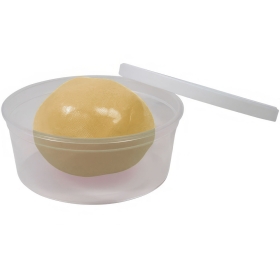
Sold: 56g
Incl. VAT Exl. VATSold: 56g
Incl. VAT Exl. VAT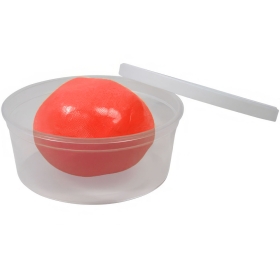
Sold: 56g
Incl. VAT Exl. VAT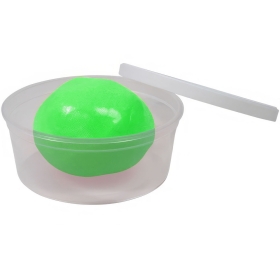
Sold: 56g Tub
Incl. VAT Exl. VATSold: 56g Tub
Incl. VAT Exl. VAT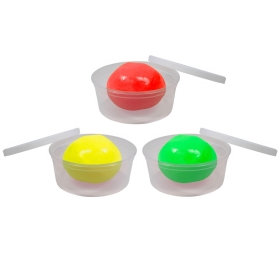
Sold: Kit of 3
Incl. VAT Exl. VAT
Sold: 56g
Incl. VAT Exl. VAT