

Physioworx Multifunction Aerobic Step for Home Workouts
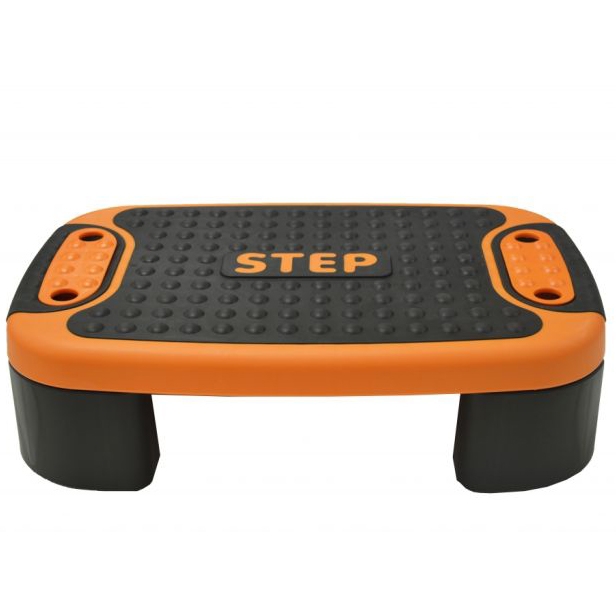
Physioworx Multifunction Aerobic Step combines four essential exercise products in one design: Exercise, Rehabilitation, Balance and Aerobic Stepper.
Sold: Each
Incl. VAT Exl. VAT
Product Description
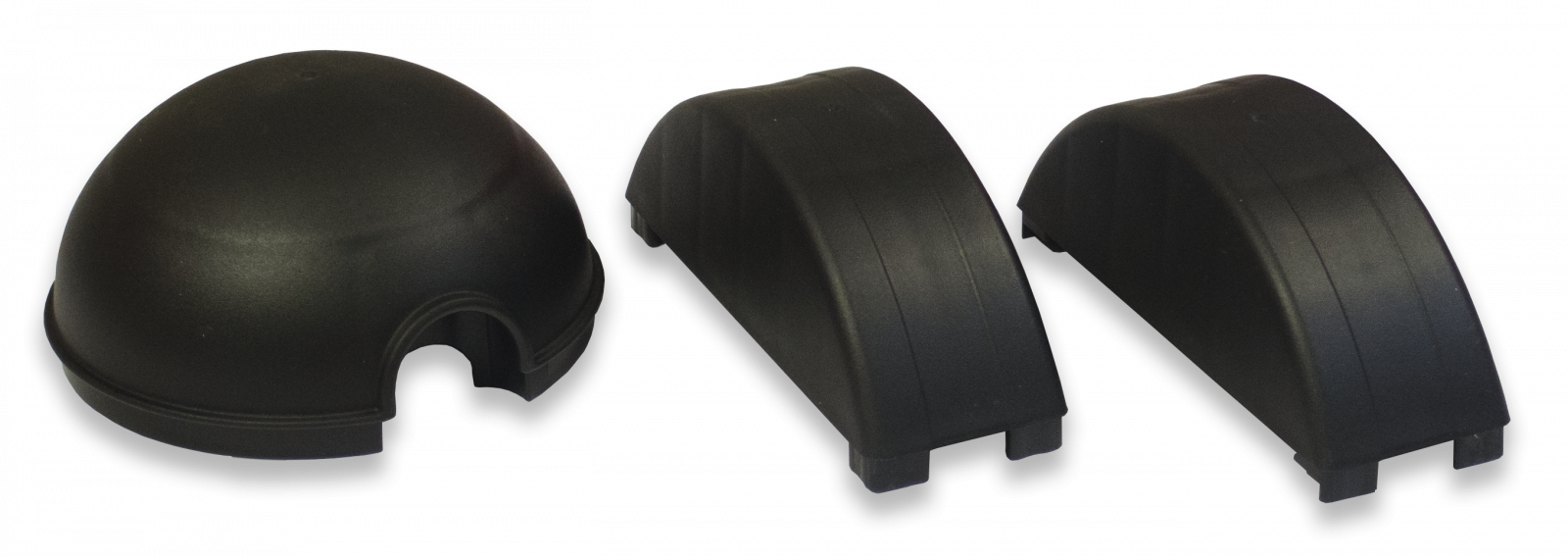

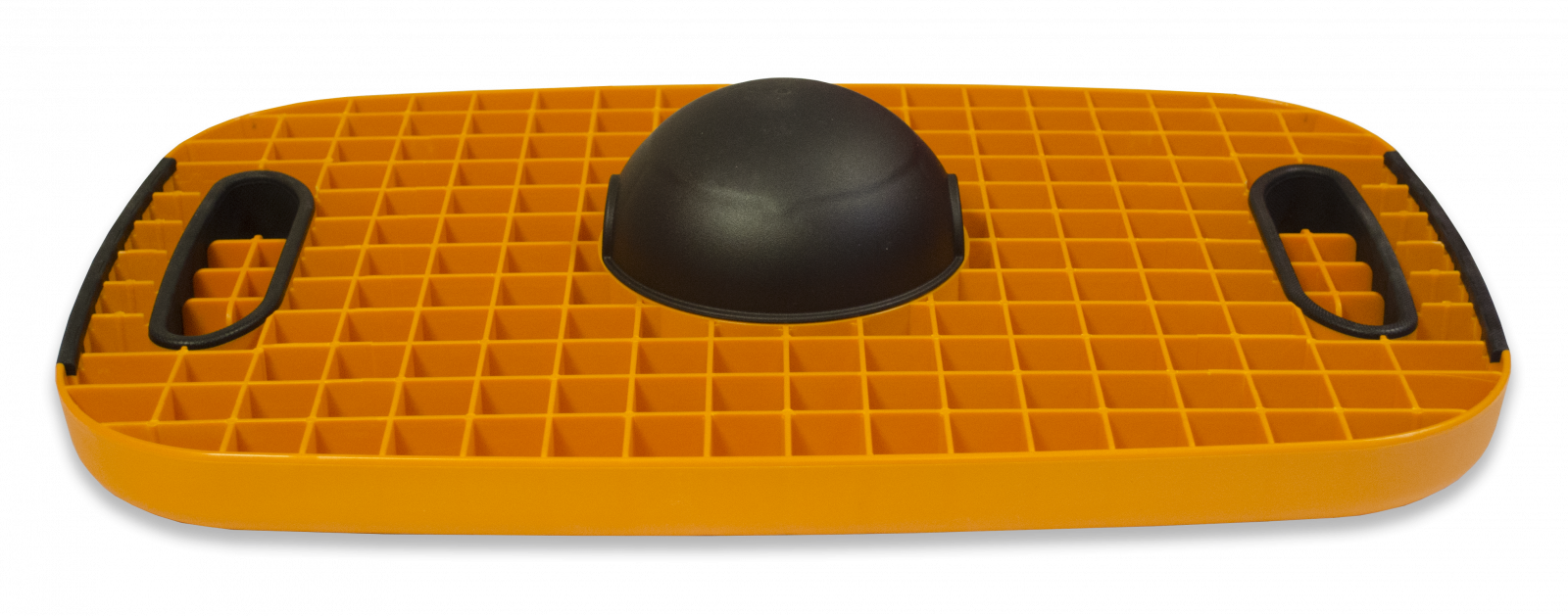
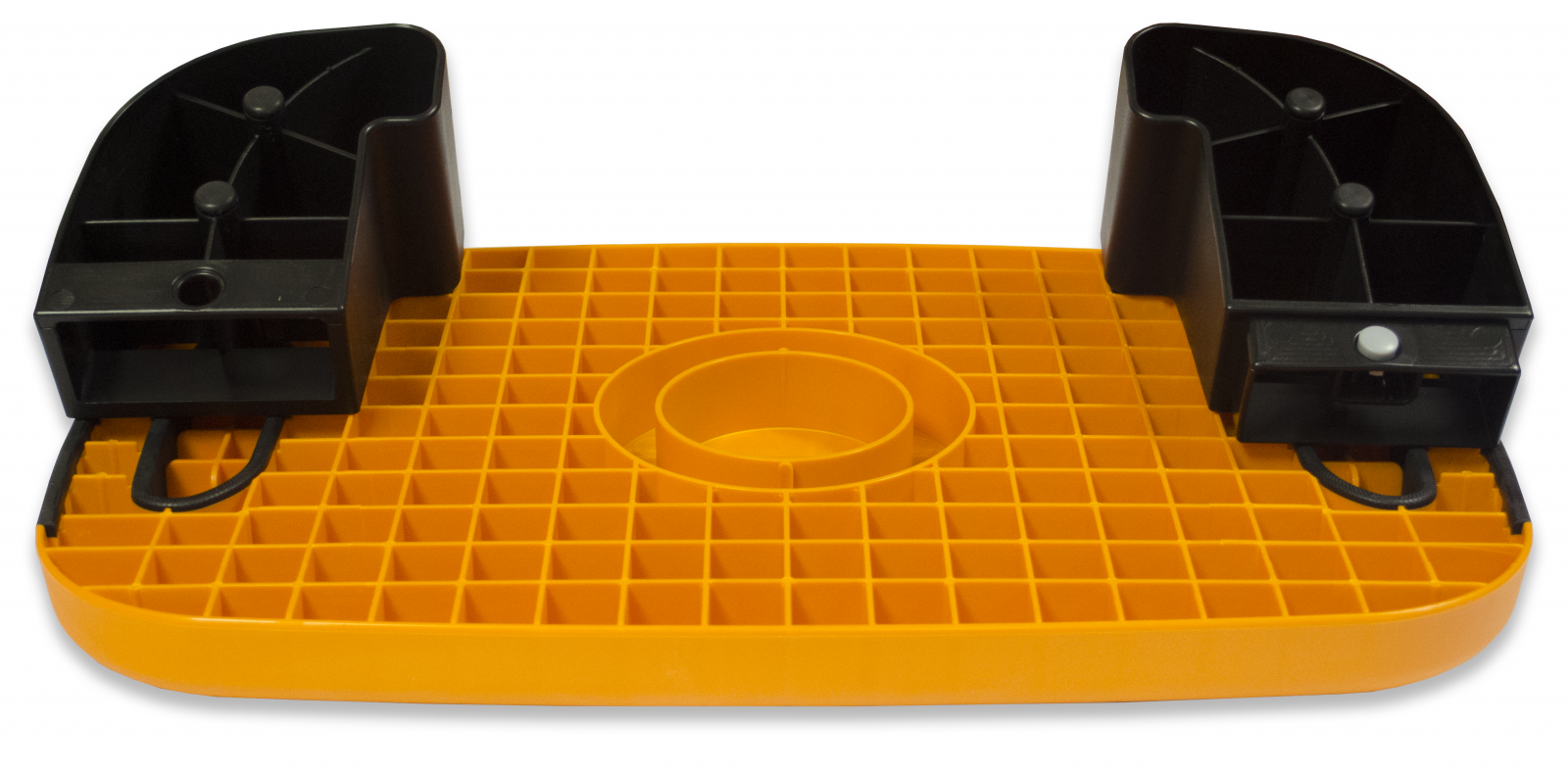
Multi-Function Exercise Aerobic Step Platform
The Physioworx Multifunction Aerobic Step combines four exercise tools in one compact platform, allowing users to switch between an aerobic step, stretch board, balance board and rocker board for versatile training and rehabilitation exercises.
- Best for: rehabilitation exercises, balance training, stretching routines and aerobic workouts.
- Not ideal for: high-impact plyometric training or heavy commercial gym lifting applications.
Four exercise modes in one portable unit
Quick-fit attachments for rapid configuration
Designed for both home and professional environments
What is it?
The Physioworx Multifunction Aerobic Step is a versatile exercise platform designed to support a wide range of movement, balance and rehabilitation activities. It combines four commonly used pieces of fitness and therapy equipment into a single modular design.
The platform features a sturdy non-slip step surface and a gridded base that accepts simple clip-on attachments. By adjusting these attachments, the board can quickly transform between different exercise modes, including a traditional aerobic step, an angled stretch board, a balance board or a rocker board.
This multifunction approach allows clinicians, therapists and fitness users to perform multiple exercises without needing separate pieces of equipment. The result is a practical tool for clinics, physiotherapy departments, training facilities and home exercise environments.
Its lightweight construction also makes it easy to move, store and transport. This is particularly useful in settings where equipment must be stored between sessions or transported between treatment rooms.
Who is it for?
The Physioworx Multifunction Aerobic Step is designed for a broad range of users including healthcare professionals, fitness instructors and individuals following exercise or rehabilitation programmes.
In clinical environments it may be incorporated into physiotherapy and rehabilitation sessions where balance, ankle mobility, lower limb strength or core stability are being addressed.
It is also suitable for home users who require a compact piece of equipment capable of supporting multiple exercise styles without taking up excessive storage space.
Because the difficulty level can be adjusted depending on how the platform is configured, the step can be used by beginners as well as more experienced exercisers.
What is it used for?
The platform supports a variety of exercise formats by altering the attachments on the underside of the board. Each configuration provides a different movement challenge, allowing the user to target specific muscle groups or movement patterns.
- Aerobic step workouts
- Ankle mobility and calf stretching
- Balance and proprioception training
- Core stability exercises
- Lower limb strengthening routines
- Rehabilitation programmes following injury
- Resistance band training integration
Characteristics
- Four-in-one modular exercise platform
- Sturdy non-slip stepping surface
- Clip-on attachments for quick configuration
- Lightweight construction for portability
- Compact design for easy storage
Typical Users
- Physiotherapists and rehabilitation specialists
- Sports medicine clinics
- Fitness trainers and instructors
- Home exercise users
- Rehabilitation centres and training facilities
- Universities and teaching environments
How to work with it
The board can be adapted by attaching or removing the supplied components beneath the platform. Each attachment changes the way the board moves or angles during use.
For example, a flat configuration creates a traditional aerobic step surface, while angled supports can transform the board into a stretch platform suitable for calf and ankle mobility work.
Rocker or wobble attachments introduce controlled instability that challenges balance, coordination and proprioception.
Expected use timeline
First use
Users typically begin with simple stepping or stretching exercises to become familiar with the platform and its stability. Healthcare professionals may introduce the device gradually within a rehabilitation programme.
Initial sessions often focus on controlled movements and shorter durations while the user adjusts to the equipment.
Ongoing use
Over time the step may be incorporated into more varied routines including balance exercises, strengthening movements and aerobic training. The modular design allows the platform to remain useful as exercise programmes progress.
Clinicians may adapt the configuration based on patient progress or rehabilitation goals.
Problem → Solution
| Common problem | How the product helps |
|---|---|
| Limited clinic space for multiple exercise tools | The four-in-one design combines several exercise devices into a single compact platform. |
| Need for balance and proprioception training | The rocker and balance board configurations introduce controlled instability for coordination exercises. |
| Patients requiring ankle or calf stretching | The angled stretch board configuration allows controlled stretching of the lower limb. |
| Difficulty transporting bulky equipment | The lightweight design makes the platform easier to move between treatment areas or store after use. |
| Home users wanting varied workouts without multiple devices | The modular attachments allow a range of exercises using one piece of equipment. |
Key benefits
- Combines four commonly used exercise platforms into one device
- Quick-fit attachments allow rapid changes between exercise modes
- Suitable for both rehabilitation and general fitness programmes
- Non-slip surface helps support safer stepping and balance work
- Portable and lightweight design for easy transport and storage
- Compatible with resistance band training and bodyweight exercises
Common mistakes to avoid
- Using the balance or rocker configuration without appropriate supervision when beginning training
- Placing the board on uneven or slippery surfaces
- Attempting advanced exercises before becoming comfortable with the equipment
- Ignoring footwear or stability requirements during stepping exercises
How to use
- Place the board on a stable, flat surface before use.
- Select the desired configuration by attaching the appropriate supports or rocker attachments.
- Ensure attachments are securely clipped into the base grid.
- Stand on the board carefully and begin with controlled movements.
- Start with basic exercises such as stepping or gentle stretching.
- Gradually introduce balance or rocker exercises as confidence improves.
Technical specifications
| Specification | Details |
|---|---|
| Product name | Physioworx Multifunction Aerobic Step |
| Product type | Multi-function exercise platform |
| Functions | Aerobic step, stretch board, balance board, rocker board |
| Surface | Non-slip stepping platform |
| Base design | Gridded base for attachment system |
| Attachments | Clip-on components for configuration changes |
| Weight | Lightweight construction |
| Cleaning | Wipe clean surface |
| Usage environment | Home, clinic, gym or rehabilitation setting |
| Pack contents | Exercise board with attachment components |
Frequently asked questions
What exercise modes does the board support?
The board can function as an aerobic step, an angled stretch board, a rocker board or a balance board depending on which attachments are fitted.
Can beginners use this equipment?
Yes. The flat step configuration is suitable for beginners, while balance and rocker settings can be introduced gradually as confidence improves.
Is the board suitable for rehabilitation programmes?
It may be used within rehabilitation programmes where clinicians wish to introduce controlled stepping, balance or stretching exercises.
Can resistance bands be used with the board?
Yes. Resistance bands can be incorporated into some exercises to increase training variety and provide additional muscle engagement.
Is the step easy to store?
The lightweight design and removable attachments make it relatively easy to store between uses.
How should the board be cleaned?
The surface can typically be wiped clean using a damp cloth and appropriate cleaning solution suitable for exercise equipment.
Complementary products
- Resistance bands for strength training
- Exercise mats for floor-based therapy work
- Balance training discs and wobble cushions
- Foam rollers for recovery and mobility
- Therapy putty or hand rehabilitation tools
These products can be incorporated alongside the step platform to build a broader exercise or rehabilitation routine.
Written by: Algeos Product & Clinical Content Team
Last reviewed: March 2026
This content is intended to support product understanding and buyer guidance. It does not replace professional clinical judgement, diagnosis, or medical advice.
Frequently bought together
Sold: Each
Incl. VAT Exl. VATSold: Each
Incl. VAT Exl. VAT
Sold: Each
Incl. VAT Exl. VAT
Sold: Each
Incl. VAT Exl. VAT
Sold: Each
Incl. VAT Exl. VAT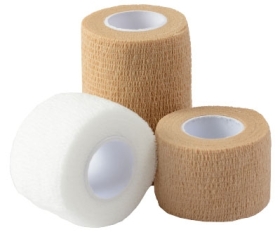
Sold: Rolls of 3.8cm x 4.5m
Incl. VAT Exl. VAT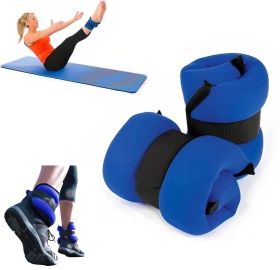
Sold: Pair
Incl. VAT Exl. VAT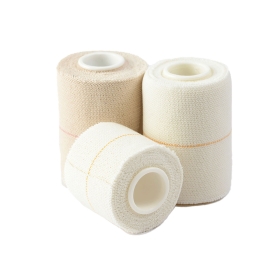
Sold: Singles or Packs
Incl. VAT Exl. VAT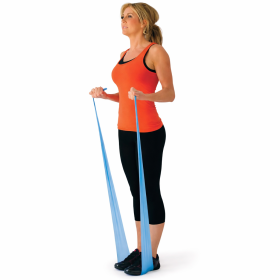
Sold: Each
Incl. VAT Exl. VAT
Sold: Singles or Packs
Incl. VAT Exl. VATSold: Singles or Packs
Incl. VAT Exl. VAT
Sold: Roll
Incl. VAT Exl. VAT Sold: Various
Incl. VAT Exl. VATSold: Various
Incl. VAT Exl. VAT
Sold: Each
Incl. VAT Exl. VATSold: Each
Incl. VAT Exl. VAT
Sold: 5.5m
Incl. VAT Exl. VAT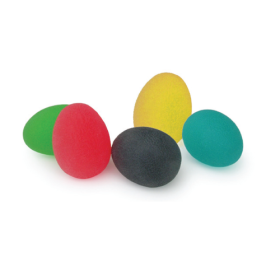
Sold: Each
Incl. VAT Exl. VATSold: Each
Incl. VAT Exl. VAT
Sold: Each
Incl. VAT Exl. VAT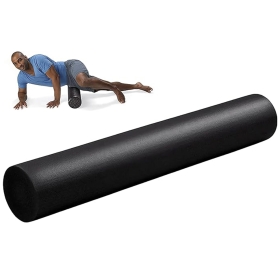
Sold: Each
Incl. VAT Exl. VAT
Sold: Each
Incl. VAT Exl. VAT
Sold: Each
Incl. VAT Exl. VAT