



The right choice depends on the level of support needed and the specific condition being treated. Here we offer an overview of the different supports and braces available through Algeos. What they do and when to select.
SHOW PRICES WITH OR WITHOUT VAT? MANY BUSINESS CUSTOMERS PREFER TO VIEW PRICES EXCLUDING VAT.
0151 448 1228 (UK)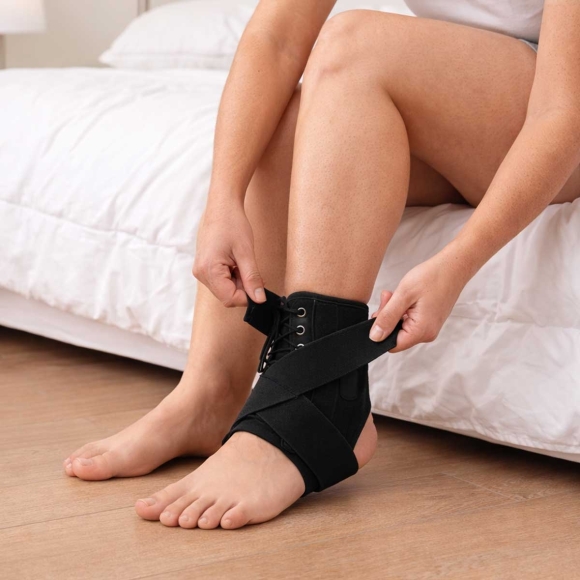
Ankle Support, Stability and Recovery
Braces for Improving Confidence, Comfort and Everyday Mobility

What are ankle braces used for?
Ankle braces and supports are wearable devices designed to provide compression, stability, movement control, or a combination of all three around the ankle joint. They are commonly used following an ankle sprain, during rehabilitation, for sport-related support, or to help manage ongoing concerns such as ankle weakness, tendon irritation or arthritis-related discomfort.
Some ankle supports are lightweight and flexible, making them suitable for everyday reassurance and mild support. Others are more structured, helping to restrict excessive movement and provide greater stability during recovery or higher-risk activity.
In some cases, ankle discomfort may also be linked to the wider lower limb, including the foot, heel, Achilles tendon or calf. For this reason, choosing the right support may involve considering how the whole area moves and loads during walking, work, sport or rehabilitation.
Why people choose them
Support after injury
- Helps support the ankle after mild to moderate sprains.
- Can provide reassurance during return to walking, work or sport.
- Often used alongside recovery plans for sprained ankles.
Compression and comfort
- Light compression may help with mild swelling and a feeling of instability.
- Soft materials can offer warmth and a close fit inside many shoes.
- Useful for people with arthritic stiffness or everyday ankle aches.
More control where needed
- Lace-up and rigid braces can provide more structured support.
- Suitable where movement control is more important than flexibility.
- Can sit alongside options such as knee braces and offloading footwear during rehab.
Common types
Ankle sleeves
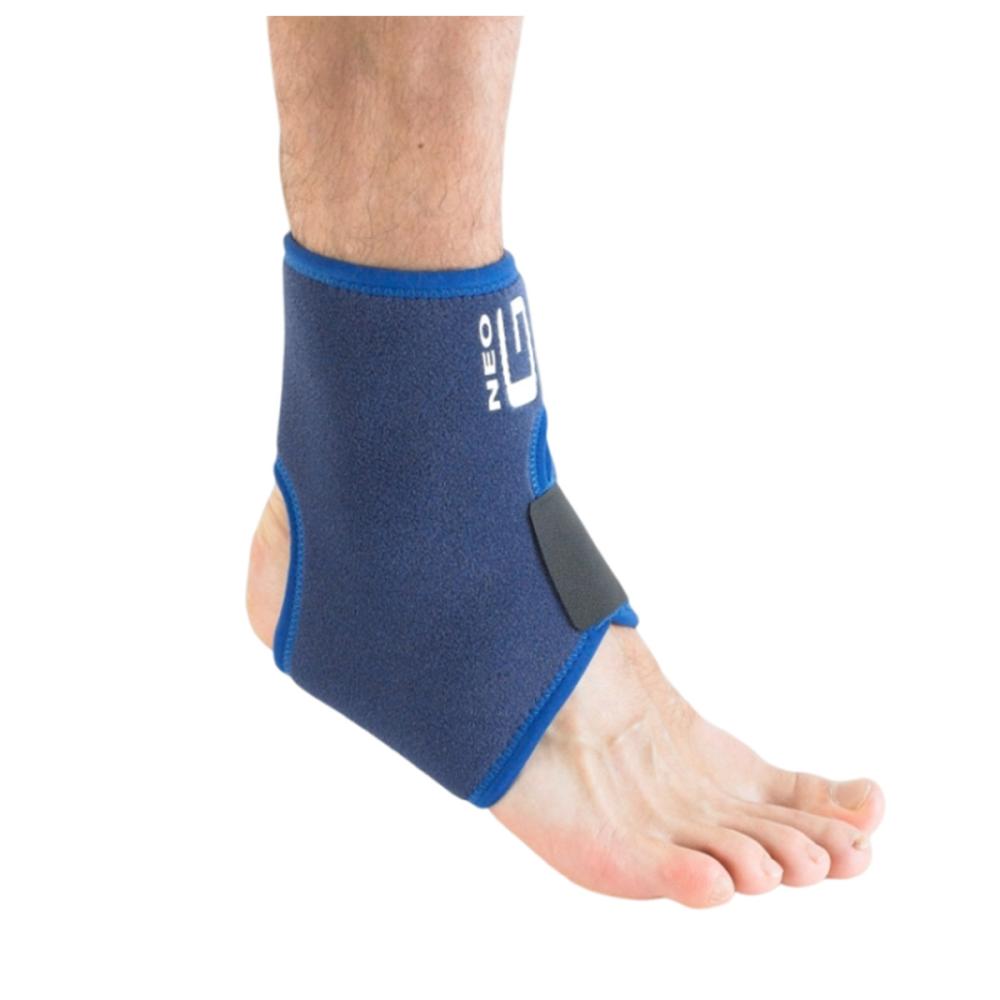
Usually soft, low-profile and easy to wear in everyday footwear. Best for mild support, warmth and light compression.
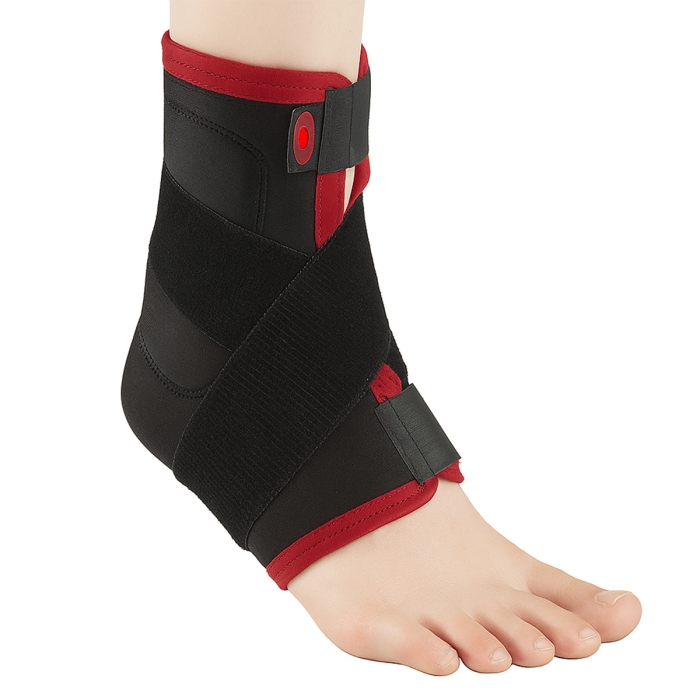
Figure-8 and strap supports
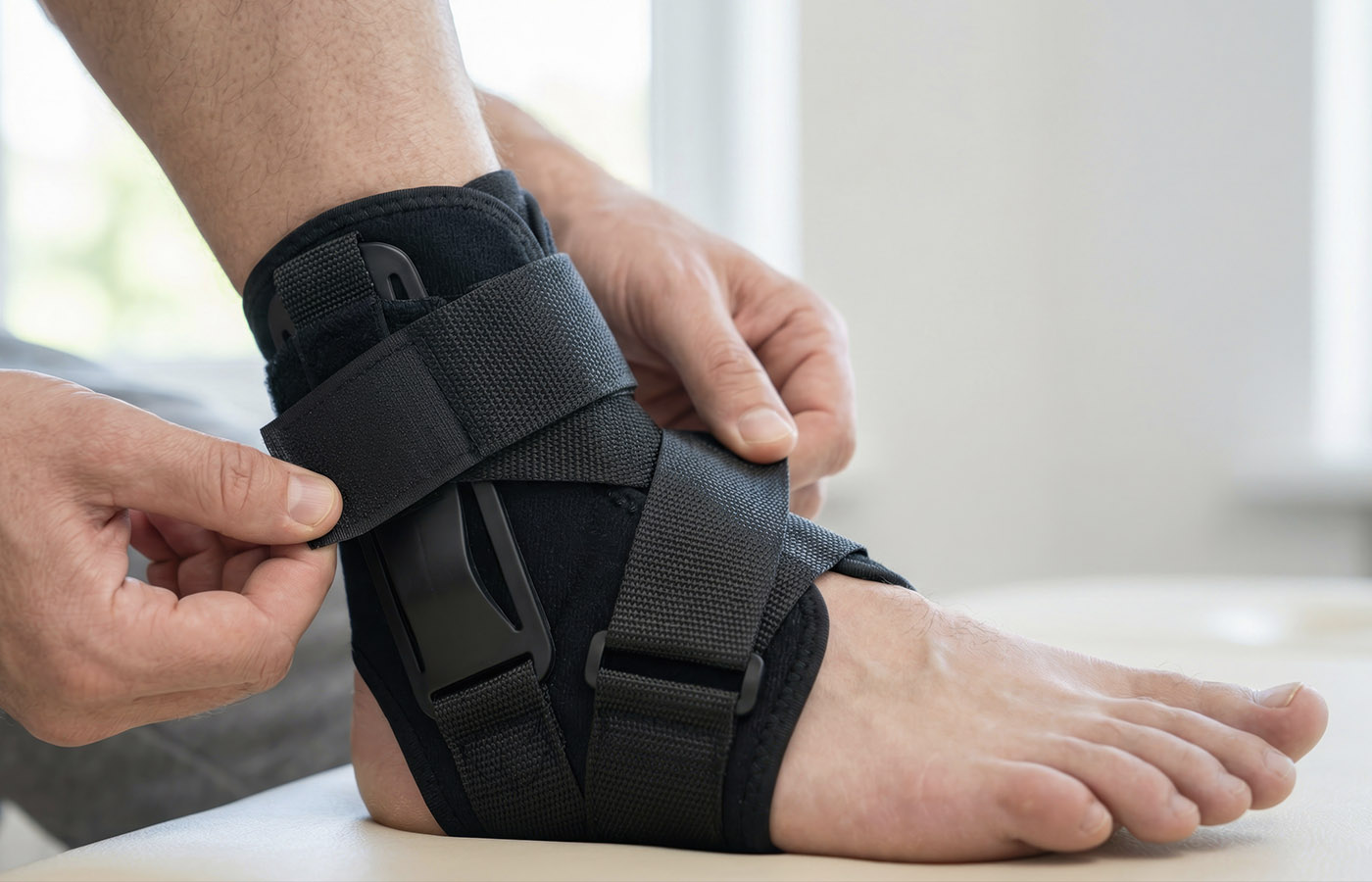
Designed to give a more secure fit and targeted support around the joint, often used for sport or recurrent instability.
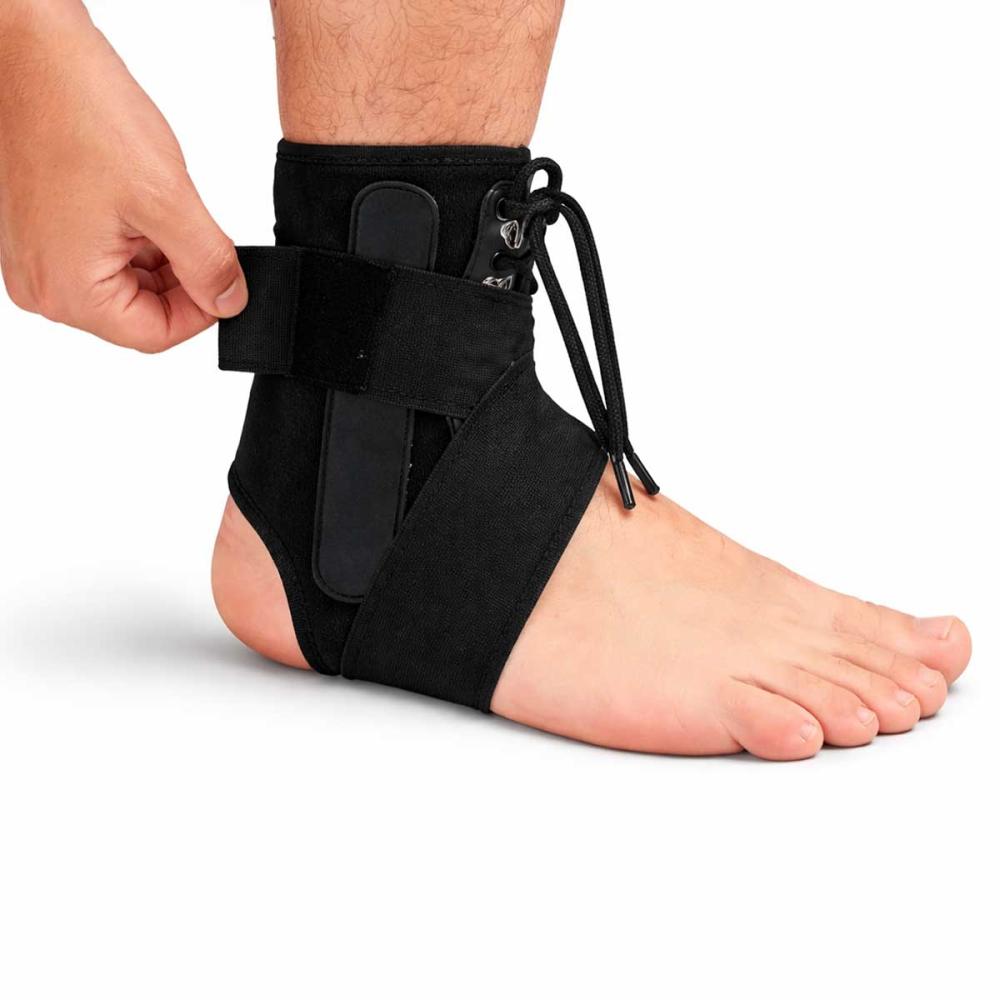
Lace-up braces
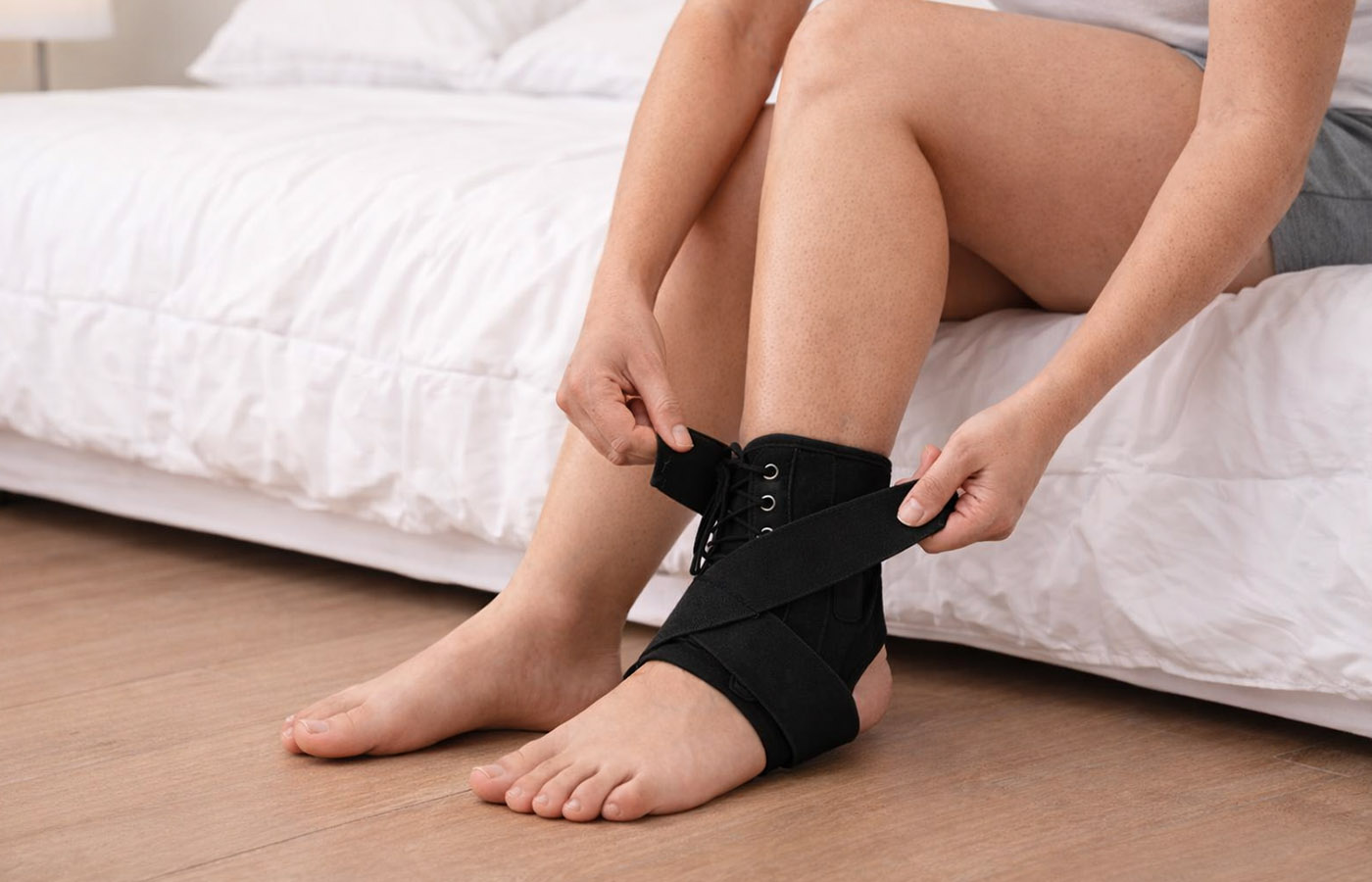
Offer a more adjustable fit and stronger hold than a sleeve, making them popular for moderate sprains and active users.
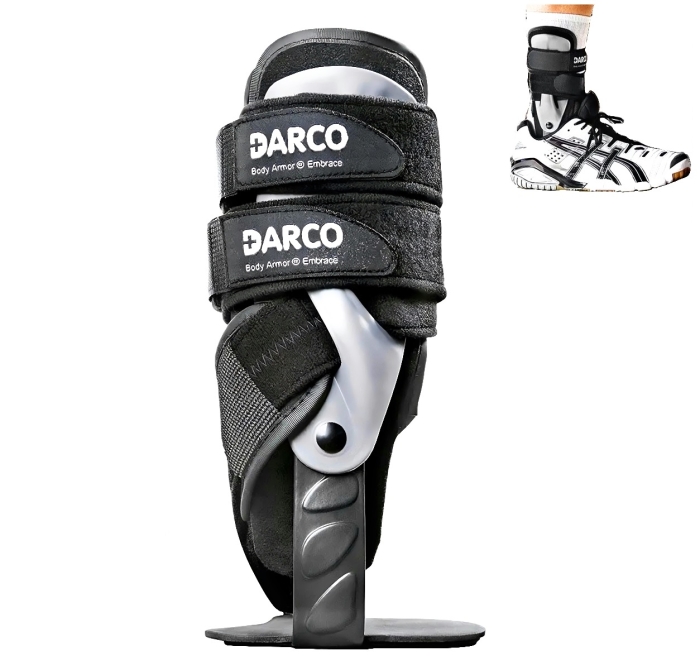
Rigid and protective braces
More structured designs for higher support needs, rehabilitation phases or where ankle motion needs to be better controlled.
Helpful distinction: over-the-counter ankle supports are suitable for many common support needs, but more complex instability, neurological issues or post-operative pathways may need clinician input. For gait-related concerns, see drop foot support options and related AFO-style devices.
Condition and use-case guide
| Concern or use case | How ankle support may help |
|---|---|
| Recent ankle sprain | Compression and external support can help provide confidence and stability during recovery. |
| Recurrent ankle rolling or weakness | Figure-8, lace-up or stabilising braces may help control excessive movement and improve confidence. |
| Achilles irritation or calf tension | Support choice may sit alongside heel lifts, stretching advice and activity management. |
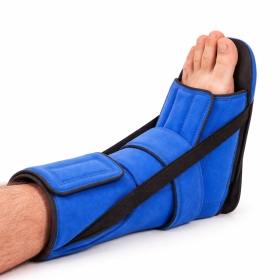
| Plantar fascia and overnight positioning needs | Night splints may be more appropriate than a standard ankle brace in some cases. |
| Drop foot or reduced foot clearance | AFO-style support can help hold the foot in a more functional position during gait. |
| Post-op or fracture recovery | A more protective device or walking boot may be required rather than a flexible ankle support. |
How to choose the right brace
1. Match the brace to the problem
A mild sprain, lingering weakness, arthritic discomfort and neurological foot drop all call for different levels of support.
2. Decide how much structure you need
For light support, a sleeve may be enough. For greater control, consider a lace-up or stabilising brace. For more protective recovery, look at rigid options or fracture boot pathways.
3. Think about footwear
Low-profile supports are easier to wear inside standard shoes. Bulkier braces may need roomier footwear or a different recovery solution.
4. Consider activity level
Walking around the house, returning to work and getting back to court or field sport all place different demands on the ankle.
5. Check fit and adjustability
Look for sizing guidance, strap systems and materials that will suit the amount of swelling, support and comfort you need.
6. Get advice when symptoms are more complex
If pain is severe, swelling is significant, weight-bearing is difficult or symptoms are ongoing, a clinician assessment is sensible before self-selecting a support.

Helpful guides and related advice
Medical Shoe FAQ
Useful when you need more protection and offloading than a standard ankle brace can offer.
What Is a Post-Op Shoe?
A practical guide to post-operative footwear and when it may be the better route.
What are Orthotics?
Helpful background reading if ankle symptoms sit alongside foot posture or biomechanical concerns.
Do Cast Covers Work?
Relevant for people moving through immobilisation, cast care or protective recovery.
Demystifying the Foot Fracture Boot
Explains when a fracture boot is more suitable than a flexible brace.
Understanding and Treating a Broken Metatarsal 5
A useful read where lateral foot pain, swelling or injury history may affect support choice.
Popular brands and solution routes
Bodytonix
Supports, braces and recovery-focused options for everyday use and structured support.
Darco
Known for post-op, offloading and protective lower limb recovery products.
Silipos
Useful when gel cushioning, pressure reduction and soft tissue protection are priorities.
Orthotic Therapy
Explore connected footwear, insoles, braces and condition-led support across the full category.
Popular products
Structured support
Ankle Brace for Arthritis & Sports
A more stabilising option for users who need firmer everyday support around the ankle joint.
Sport brace
Darco Body Armor Sport Ankle Support Brace
Designed for active support needs where secure fit and movement control matter.
General support
Malleo Ankle Brace
A straightforward route for users seeking targeted ankle support in a dedicated brace format.
Flexible compression
Neo G Universal Ankle Support
A versatile support choice for people who want a balance of compression, fit and everyday wearability.
Frequently asked questions
What type of ankle brace is usually best for a sprain?
That depends on severity. Mild sprains may only need a sleeve or wrap, while moderate injuries often suit a brace with straps or lace-up support. If the injury is severe or weight-bearing is difficult, more protective options and medical assessment are more appropriate. See sprained ankle support guidance.
Can I wear an ankle support inside normal shoes?
Many soft sleeves and low-profile braces will fit inside roomy everyday shoes. Bulkier designs may need more space or may be better paired with more suitable recovery footwear.
Are ankle sleeves enough for chronic instability?
Sometimes, but not always. If the ankle repeatedly rolls or feels unreliable, a more structured strap or lace-up design may be a better match than a simple compression sleeve.
What is the difference between an ankle brace and a fracture boot?
An ankle brace supports the joint while allowing some functional use. A fracture boot is more protective and is generally used where offloading or stronger immobilisation is needed. Compare options in medical shoes and fracture boots.
Do ankle braces help with arthritis?
They can help some people by providing warmth, compression and a greater sense of stability. Choice of material, ease of fitting and the level of support required all matter.
When is a night splint more appropriate than an ankle brace?
If symptoms are linked to plantar fascia or calf tension and overnight positioning is part of management, a night splint may be more suitable than a daytime ankle brace.
Can ankle supports be used for drop foot?
Standard ankle braces are not always the right answer for drop foot. Many users need an AFO-style support designed to assist foot clearance and gait. See drop foot braces and guidance.
When should I seek clinical advice?
References
- NHS: Sprains and strains
- AAOS OrthoInfo: Sprained Ankle
- NICE CKS: Sprains and strains assessment
- AAOS OrthoInfo: Foot and Ankle Conditioning Program
- Mayo Clinic: Foot drop symptoms and causes
Writer & Category Director
Marc Cameron
Product and digital lead with extensive experience in health-related product development and orthotic therapy education. 25 years. Writing for educated consumers who want clear, evidence-informed guidance without the marketing fluff.
Latest Articles
-
March 27, 2026
-
March 17, 2026
Ankle arthritis can significantly impact mobility, independence, and quality of life. The introduction of a targeted ankle brace designed specifically for arthritis and sport offers clinicians and patients a practical solution to improve stability, reduce pain, and support daily function.
This guide explores how an ankle brace works in arthritis management, who it benefits most, and how to use it effectively in both clinical and home settings.
-
March 03, 2026
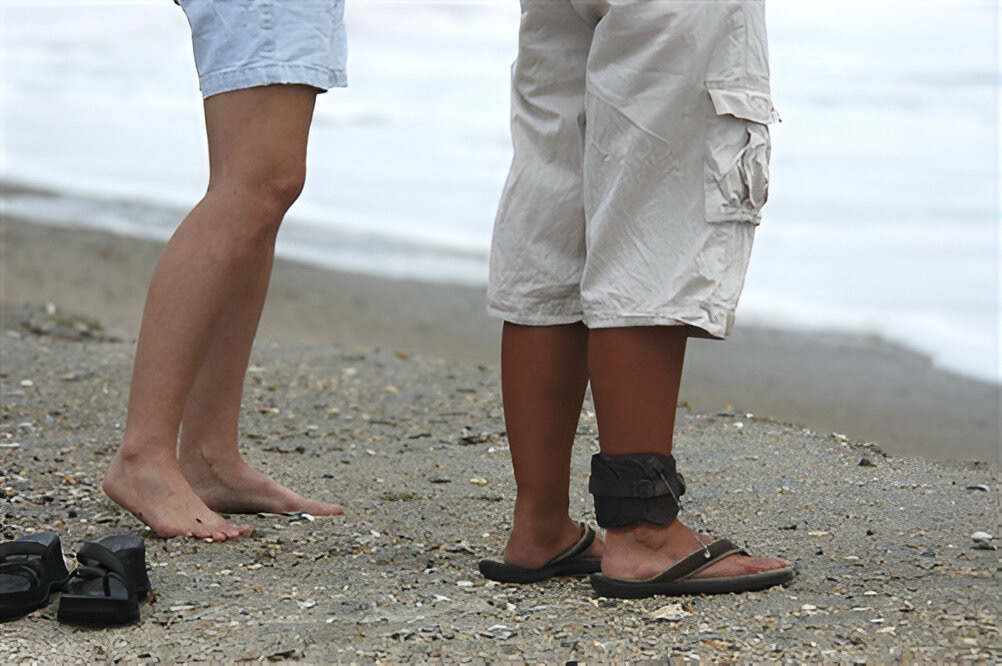
Foot drop, or drop foot, is a condition that makes it hard for a person to lift the front of their foot, causing problems when walking. It’s not a disease in itself but a sign of an underlying issue, often related to neurological, muscular, or anatomical problems. This article will look at the signs and symptoms of foot drop.
-
March 03, 2026
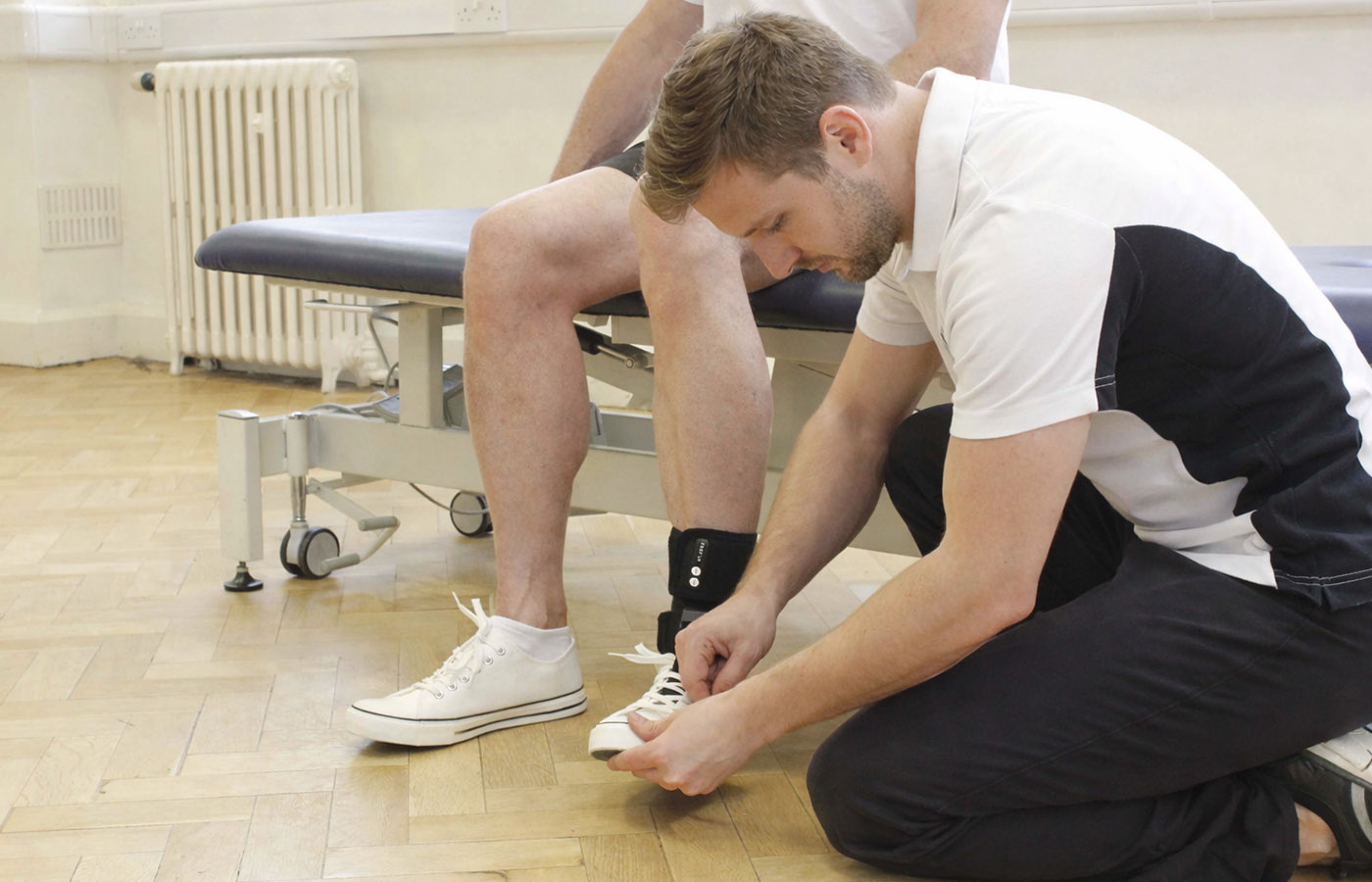
Foot drop can change how safely you walk, especially when toe clearance is reduced in swing phase. This guide reviews five top braces and AFOs available from Algeos and explains how to match device choice to gait goals, footwear and clinical risk.
-
January 04, 2026
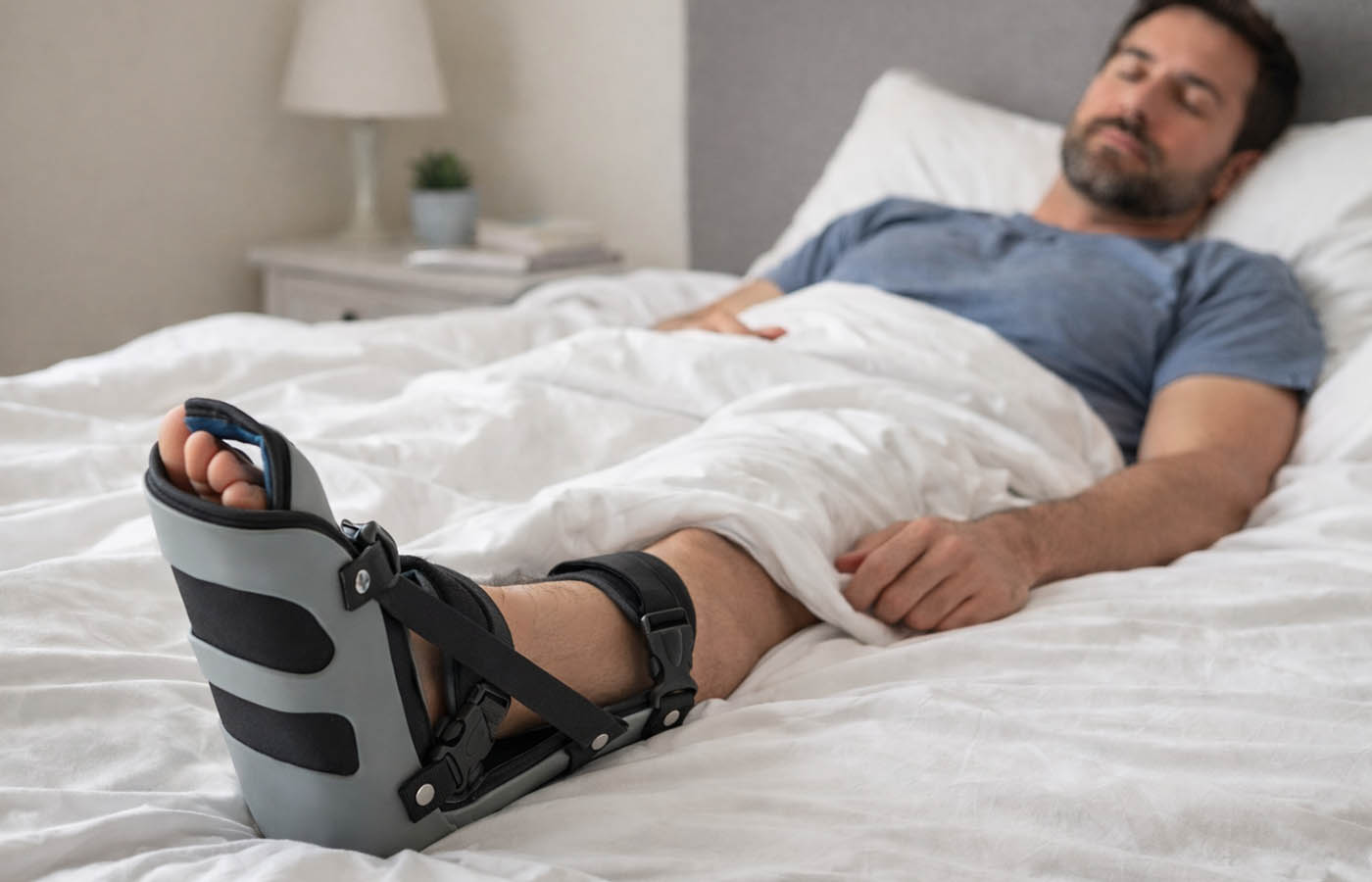
In this guide, we review the core Algeos night splint range, explain who each option is best for, and show how to build a complete home plan using related Algeos Plantar Fasciitis Treatments, Plantar Fasciitis Insoles, and Plantar Fasciitis Exercise Aids.
-
November 01, 2025
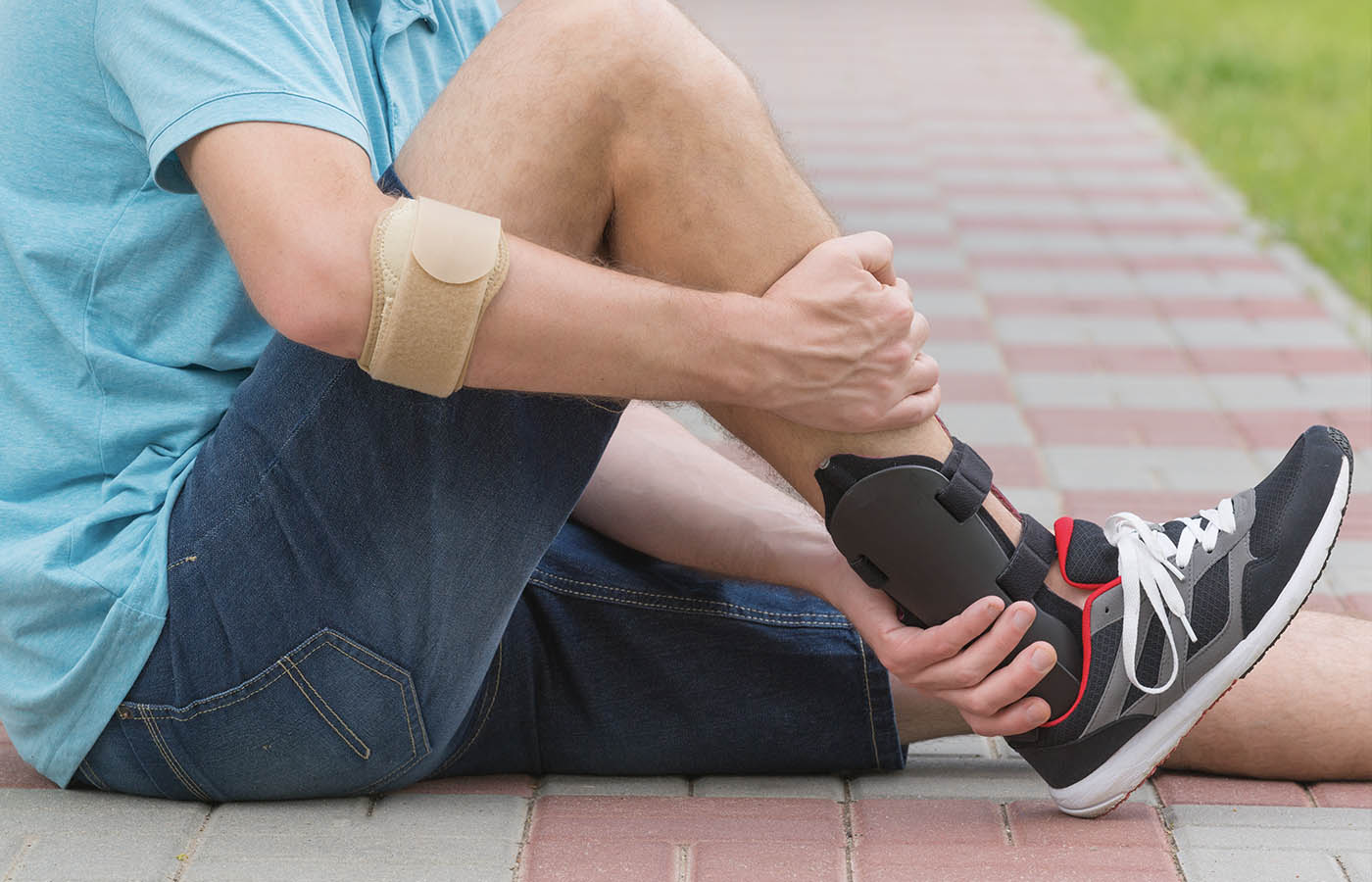
Ankle sprains are a stubborn part of sport. Bracing is one practical way to lower risk and steady confidence while you restore strength and control. This guide explains how ankle braces work, who benefits and how to choose and fit them well. -

May 29, 2025
Contracture management is all about treating and preventing the tightening or shortening of muscles, tendons, or other soft tissues that limit joint movement. These restrictions, known as contractures, can develop over time due to immobility, neurological conditions, or prolonged incorrect positioning - making everyday tasks like walking or dressing difficult or painful.
Sold: Each
Incl. VAT Exl. VAT