SHOW PRICES WITH OR WITHOUT VAT? MANY BUSINESS CUSTOMERS PREFER TO VIEW PRICES EXCLUDING VAT.
0151 448 1228 (UK)



Orthotic Therapy • Clinical assessment support
Biomechanical Assessment for podiatry, physiotherapy and orthotic practice
Accurate assessment sits at the heart of good lower-limb decision-making. The Algeos biomechanical assessment tools category is built for clinicians who want clearer observation, more consistent measurement and better-informed treatment planning across gait, pressure, alignment and range-of-motion work.
Whether you are comparing movement patterns, checking joint angles or selecting the right route into orthotic intervention, this category supports a more structured clinical workflow.
What are biomechanical assessment tools?
Biomechanical assessment tools are instruments used to observe, measure and record how the body moves and loads during standing, walking, exercise and clinical testing. In foot and lower-limb practice, they help clinicians turn visual impressions into more objective information that can support diagnosis, treatment planning and follow-up.
At Algeos, we offer tools for plantar pressure capture, gait timing, leg length comparison, foot posture observation and joint angle measurement. The category naturally connects with pressure analysis systems, gait analysis platforms, OptoGait solutions and practical clinic devices such as podoscopes and leg length discrepancy tools.
Quick summary
These tools are typically chosen to help clinicians:
- measure movement rather than rely on memory or visual estimation alone
- identify loading patterns and asymmetry more clearly
- support orthotic selection, modification and review
- communicate findings to patients in a practical, visual way
- track change over time during rehabilitation or orthotic therapy
Why clinicians carry out biomechanical assessments
- More structured assessment for foot, ankle and lower-limb presentations
- Useful baseline data before dispensing orthotic insoles or heel lifts
- Better visualisation of pressure concentration and gait timing
- Support for explaining findings to patients and referring professionals
- Helpful comparison between static posture and dynamic movement
- Suitable for podiatry, MSK, orthotics, sports rehabilitation and multidisciplinary clinics
- Useful alongside condition-led pathways such as plantar fasciitis, overpronation, high arches and heel pain
Assessment tools and when they are used
Pressure and load assessment
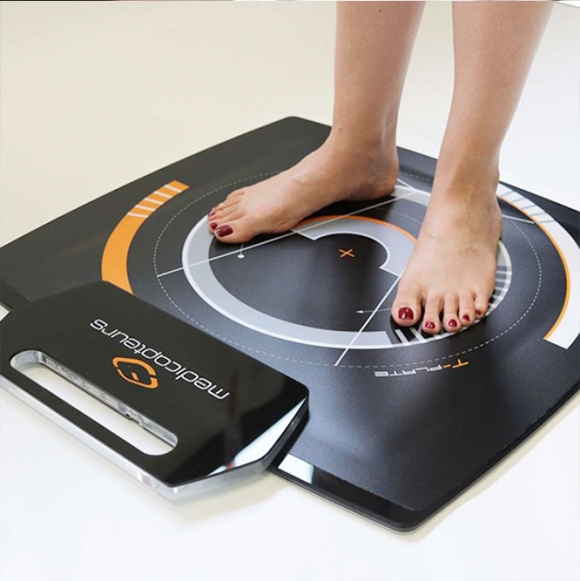
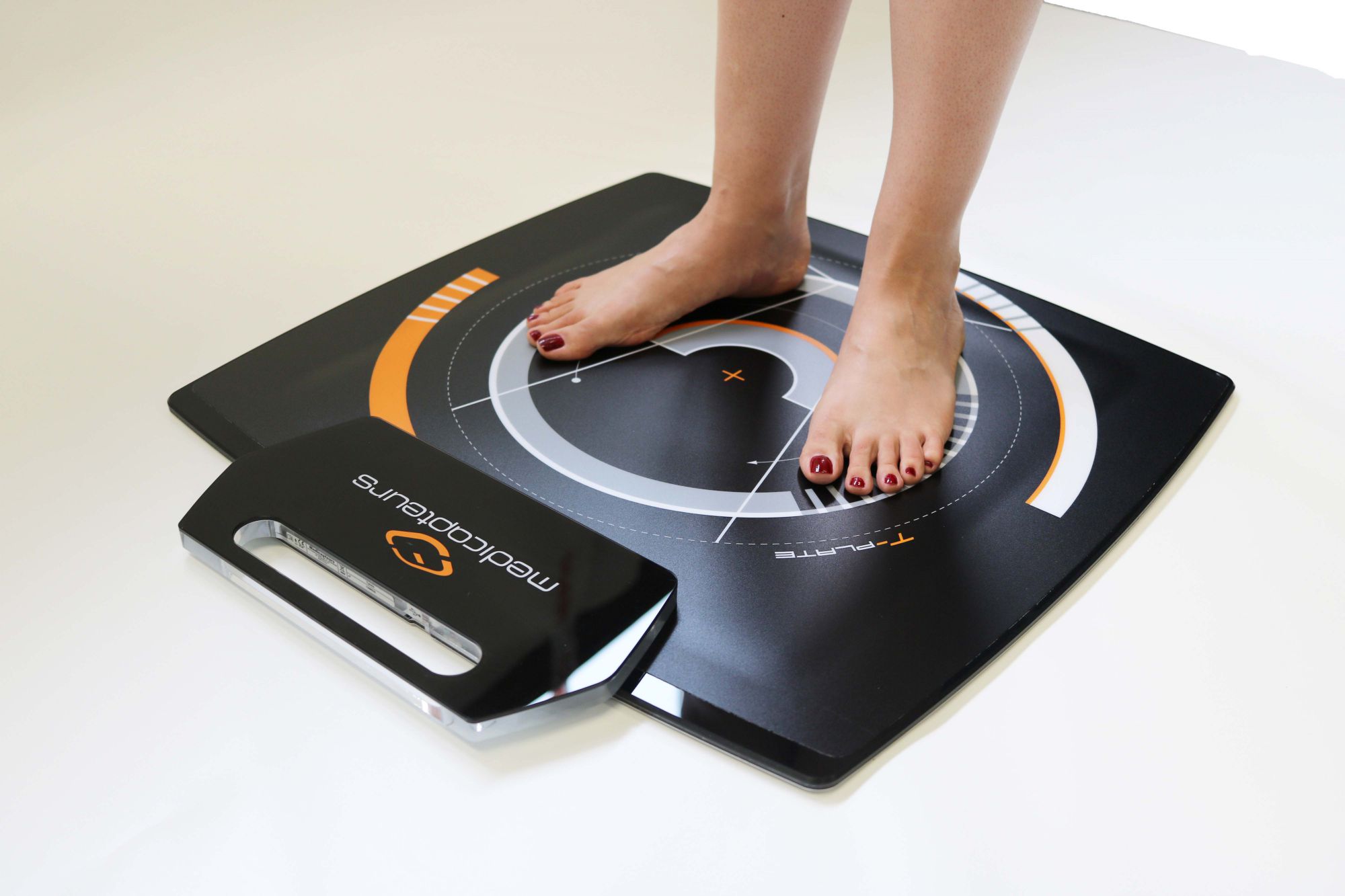
Pressure plates and footprint systems help identify high-load areas, asymmetry and loading patterns during stance and gait. They can be useful when considering pressure redistribution, footwear advice or the next step into orthotic management.
Relevant products include Foot Pressure Analysis, the T-Plate Foot Pressure Plate with Wi-Fi and Podoscope LED systems.
Gait and movement analysis
These tools focus on how the patient moves through walking or running. Clinics often use them to review step timing, cadence, contact phases and asymmetry, especially when symptoms appear during activity rather than in static standing.
Explore Gait Analysis, the OptoGait Gait Analysis System Kit and the broader OptoGait platform.
Manual measurement and alignment tools
Simpler clinic tools still play an important role. Goniometers, pelvic levelling tools and leg-length devices can help guide screening, comparison and repeatable examination in everyday practice.
Useful examples include the LIMP leg length discrepancy tool, Pelvic Level biomechanics tool and the Interpod Keystone Supination Resistance Tool.
Condition and use-case guide
| Concern or clinical question | How assessment tools can help |
|---|---|
| Plantar heel pain or plantar fasciitis | Pressure mapping and gait review can help identify loading patterns, asymmetry and footwear-related stress before choosing a support strategy. |
| Flat feet and overpronation | Static observation plus dynamic analysis can help identify arch collapse, rearfoot control needs and whether a neutral or more controlling orthosis may be appropriate. |
| High arches and poor shock absorption | Pressure tools can show focal forefoot and heel loading, while gait review can highlight compensatory strategies that affect comfort and footwear choice. |
| Heel pain, heel spurs or fat-pad irritation | Assessment helps separate general shock-related heel stress from broader biomechanical issues that may need arch support, cushioning or heel lift intervention. |
| Forefoot pressure and metatarsalgia | Pressure distribution tools can help identify focal overload and support decisions around cushioning, metatarsal offloading and footwear adaptation. |
| Leg length discrepancy and alignment review | Measured comparison helps clinicians decide whether heel lifts or full-foot lifts should be considered and how much correction may be practical in footwear. |
How to choose the right tools for your clinic
- Start with your core clinical questions. Are you mainly assessing pressure distribution, gait timing, leg length difference, or joint range of motion? Matching the tool to the question usually gives better value than buying the most complex system first.
- Decide whether you need static, dynamic or both. Static tools can support posture and alignment review, while dynamic systems are more helpful when symptoms appear during walking, running or repeated loading.
- Think about your patient mix. Clinics seeing frequent pronation-related complaints, plantar fasciitis, diabetic pressure concerns or sports gait issues may need different levels of visualisation and reporting.
- Plan the next step in the care pathway. If your assessment usually leads to dispensing from ranges such as Slimflex, Interpod or Podotech, choose tools that support that workflow clearly.
- Balance portability, setup time and reporting. Smaller clinics may prefer fast manual tools or compact systems, while larger MSK or performance settings may benefit from more advanced gait capture.
- Use assessment as part of a broader management approach. In many cases the tool is most useful when combined with footwear review, patient education, exercise advice and a suitable orthotic route.
Helpful guides and related routes
Lower limb biomechanics guide
A practical overview of common biomechanical presentations and treatment routes.
Read the guideOrthotic insoles user guide
Useful when assessment findings need to translate into everyday or clinical insole choice.
Explore the guideUnderstanding flat feet
A clear guide to pes planus, symptoms, causes and practical support options.
Read about flat feetFoot pressure analysis
Focused route for clinics prioritising plantar load, visualisation and pressure redistribution.
See pressure toolsGait analysis systems
For movement review, timing insight and more dynamic biomechanical assessment.
Browse gait analysisOptoGait setup support
Helpful if your clinic is implementing or expanding an OptoGait workflow.
View setup guidesPlantar fasciitis guide
Condition-led content for one of the most common orthotic therapy pathways.
Explore the routeCatalogue downloads
Useful for broader planning across diagnostics, assessment and clinical equipment.
Download cataloguesPopular brands, product families and solution types
OptoGait
Advanced gait analysis for clinics wanting a more detailed dynamic movement picture.
Explore OptoGaitInterpod
Well-known orthotic family often linked to assessment-led dispensing and chairside selection.
Discover InterpodPodotech
Orthotic technology and practical product routes for clinics working across biomechanics and comfort.
Learn about PodotechSlimflex
A leading insole family for common biomechanical complaints and ready-to-dispense support.
View SlimflexPopular product options
T-Plate Foot Pressure Plate with Wi-Fi
A strong fit for clinics that want plantar pressure visualisation and a clearer view of load distribution during assessment and review.
View product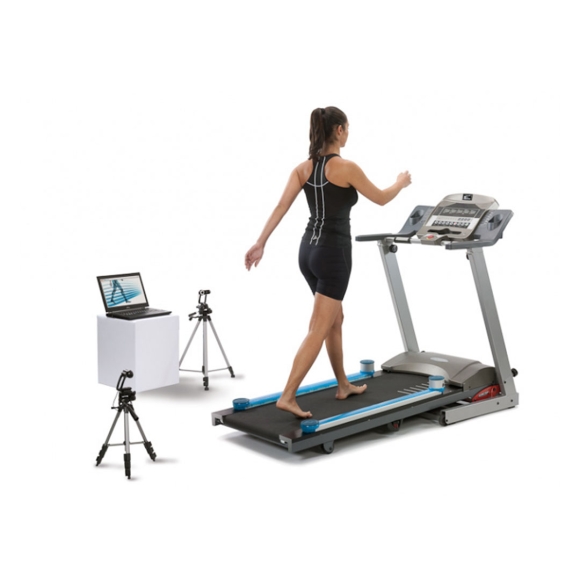
OptoGait Gait Analysis System Kit
Suitable for clinics wanting more detailed gait timing and movement insight, especially in rehabilitation or performance settings.
View product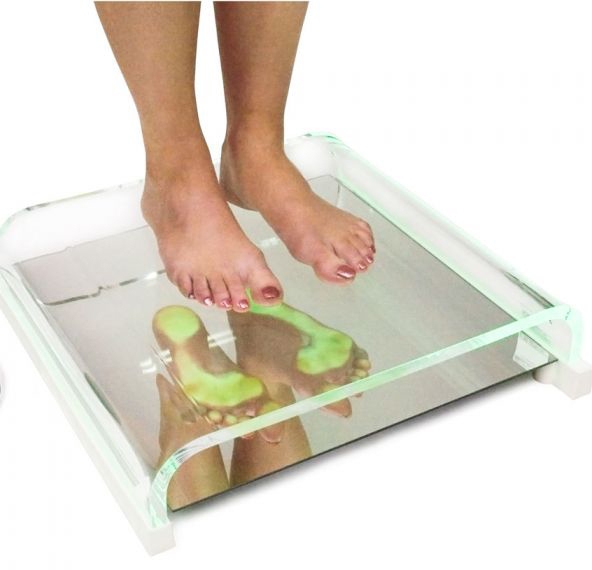
Podoscope LED Version
A practical clinic tool for visual foot assessment, plantar contact review and patient explanation during consultation.
View productFrequently asked questions
Who are biomechanical assessment tools for?
They are commonly used by podiatrists, orthotists, physiotherapists, MSK clinicians, sports practitioners and other healthcare professionals who assess gait, pressure, posture and lower-limb mechanics.
Do I need a gait analysis system or will simpler tools do the job?
That depends on your clinical workflow. Manual tools can be very useful for screening and everyday comparison. A more advanced system becomes worthwhile when you need clearer dynamic data, repeated reporting or a more visual explanation for patients and referrers.
What is the difference between foot pressure analysis and gait analysis?
Pressure analysis focuses on how force is distributed beneath the foot. Gait analysis looks more broadly at timing, movement pattern and walking or running mechanics. In many clinics the two approaches complement each other.
Can these tools help with orthotic selection?
Yes. Assessment findings can help guide the route into orthotic insoles, arch support insoles, diabetic insoles or heel lifts, depending on the patient presentation and footwear needs.
Are these tools only useful for complex cases?
No. They can be just as useful in routine cases where you want clearer baseline information, a more repeatable review process or a better way to explain findings to patients.
Which patient groups often benefit from this kind of assessment?
Common examples include people with heel pain, plantar fasciitis, pronation-related symptoms, metatarsalgia, high arches, sports-related overload, diabetic pressure concerns or suspected leg length discrepancy.
Sold: Sold Individually
Incl. VAT Exl. VAT