




Stethoscope - Dual Head
Dual-head stethoscope with bell and diaphragm for versatile acoustic listening.
Lightweight aluminium chest piece designed for routine clinical use.
Durable PVC “Y” tubing and comfortable eartips for consistent everyday performance.

Product Description
Dual-head Clinical Stethoscope
A practical, lightweight dual head stethoscope designed to support clear auscultation across a wide range of routine clinical assessments.
Best for: general clinical use, blood pressure measurement, routine cardiovascular and respiratory listening, training environments.
Not ideal for: highly specialised cardiology diagnostics requiring amplified or electronic stethoscope systems.
- Lightweight aluminium chest piece designed for regular daily use
- Dual-head design with bell and diaphragm for acoustic flexibility
- Durable PVC tubing and eartips for consistent comfort
What is it?
This dual head stethoscope is a traditional acoustic listening device used by healthcare professionals and informed users to hear internal body sounds. It features a robust yet lightweight aluminium chest piece with two listening surfaces: a bell on one side and a diaphragm on the other.
This configuration allows the user to listen to both low- and high-frequency sounds by simply rotating the chest piece.
The stethoscope is designed to be practical and reliable rather than complex. It focuses on consistent acoustic transmission, straightforward handling, and materials that can withstand repeated use in clinical or educational environments.
The “Y” shaped tubing helps deliver sound evenly to both earpieces, while the PVC construction balances flexibility with durability.
Who is it for?
This stethoscope is suitable for a broad range of users who require dependable acoustic listening without unnecessary complexity. It is commonly used in both professional and learning contexts.
- Healthcare professionals performing routine observations
- Podiatrists and foot health practitioners measuring arterial blood pressure
- Students and trainees developing auscultation skills
- Care settings where multiple assessments are carried out daily
- Home or community care environments requiring manual blood pressure checks
What does it help with?
The dual head stethoscope supports indirect assessment and monitoring tasks where listening to internal sounds provides useful information. It is commonly paired with other manual diagnostic tools.
- Blood pressure measurement: helps identify Korotkoff sounds when used with a sphygmomanometer and appropriately sized cuff
- Circulatory assessment: supports listening for arterial flow during routine vascular checks
- Respiratory listening: allows basic assessment of breath sounds in non-specialist settings
- Training and education: enables learners to practise recognising common body sounds
How does it work?
The stethoscope works by transmitting sound vibrations from the body through the chest piece and tubing to the user’s ears. The diaphragm side is typically used for higher-frequency sounds, such as normal breath or heart sounds, while the bell side is better suited to lower-frequency sounds.
When the chest piece is placed gently against the skin, sound vibrations travel through the aluminium housing and into the air-filled tubing. The “Y” tubing design ensures that sound is channelled evenly to both eartips, helping maintain clarity. The snug fit of the eartips helps reduce external noise, allowing the user to focus on the sounds being assessed.
Expected use timeline
First use: On initial use, the stethoscope should feel lightweight and balanced. Users may notice that correct eartip positioning makes a significant difference to sound clarity and comfort.
Short-term use (first few days): As users become familiar with switching between the bell and diaphragm and adjusting placement, auscultation typically becomes easier and more consistent. Minor adjustments to eartip angle can improve comfort.
Ongoing use (weeks and beyond): With regular use, the stethoscope becomes a familiar part of routine assessments. The materials are designed to maintain performance over time when used and stored appropriately. Comfort remains dependent on correct fit and avoiding excessive pressure during listening.
Problem and solution overview
| Common problem | How the product helps |
|---|---|
| Difficulty hearing subtle body sounds | The dual-head chest piece offers both bell and diaphragm options to support a wider frequency range. |
| Hand fatigue during repeated assessments | The lightweight aluminium construction reduces overall handling strain. |
| Discomfort from poorly fitting earpieces | PVC eartips are designed to sit comfortably and create a gentle acoustic seal. |
| Inconsistent sound transmission | “Y” shaped tubing helps deliver balanced sound to both ears. |
Key benefits
- Supports a wide range of routine clinical listening tasks
- Lightweight design suitable for repeated daily use
- Dual-head chest piece offers practical acoustic flexibility
- Durable materials suited to clinical and educational environments
- Comfort-focused eartips help reduce listening fatigue
- Simple, familiar design that requires minimal adjustment
For effective and comfortable use, the eartips should feel snug but not painful. They should sit securely in the ears without requiring force. If discomfort occurs, adjust the angle of the eartubes rather than pushing the eartips further in. When placing the chest piece on the body, apply light, steady pressure rather than pressing firmly.
Common mistakes to avoid
- Expecting amplified or electronic-level sound from a traditional acoustic stethoscope
- Using excessive pressure with the chest piece, which can distort sound
- Incorrect eartip orientation, reducing acoustic clarity
- Using an inappropriately sized blood pressure cuff alongside the stethoscope
How to use
- Ensure the eartips are clean and correctly angled forward to match the ear canal.
- Select the appropriate side of the chest piece (bell or diaphragm) for the sound you wish to hear.
- Place the chest piece gently against bare skin where possible.
- Listen carefully, minimising external noise and movement.
- After use, wipe the chest piece and eartips according to local hygiene practices.
Technical specifications
| Product type | Dual head acoustic stethoscope |
|---|---|
| Chest piece material | Aluminium |
| Chest piece design | Bell and diaphragm |
| Tubing | “Y” shaped PVC tubing |
| Eartips | PVC, non-invasive fit |
| Weight | Varies by production batch |
| Colour | Varies by option |
| Left/right orientation | Universal |
| Care and cleaning | Wipe clean with suitable non-abrasive disinfectant |
| Pack contents | 1 x dual head stethoscope |
Frequently asked questions
Is this stethoscope suitable for blood pressure measurement?
Yes. It is designed to support indirect blood pressure measurement when used with a manual sphygmomanometer and an appropriately sized cuff.
Can it be used by students or trainees?
Yes. Its straightforward, traditional design makes it suitable for learning environments and skills development.
Does it work with vascular assessment tools?
It can be used alongside manual assessment tools where acoustic listening is required, provided it is used within its intended scope.
Is the stethoscope comfortable for extended use?
When fitted correctly, the lightweight design and PVC eartips are intended to remain comfortable during routine use.
Does it require calibration or maintenance?
No calibration is required. Regular cleaning and visual checks for wear are recommended.
Can the eartips be replaced?
Eartips are designed for durability, and replacement may be possible depending on availability and compatibility.
Complementary and pairing suggestions
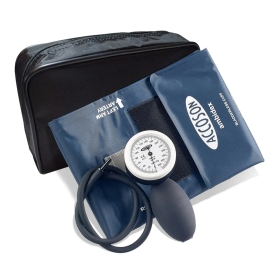
- Manual sphygmomanometers for routine blood pressure checks
- Appropriately sized blood pressure cuffs for adult or paediatric use
- Basic clinical observation tools used in general assessments
Content credibility
Written by: Algeos Product & Clinical Content Team
Last reviewed: February 2026
Purpose: This content is intended to support informed purchasing decisions and general product understanding. It does not replace professional training, diagnosis, or medical advice.
Frequently bought together
Sold: Each
Incl. VAT Exl. VAT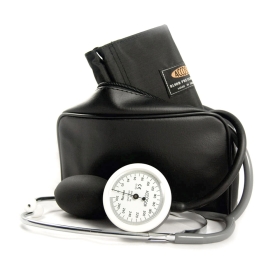
Sold: Each
Incl. VAT Exl. VAT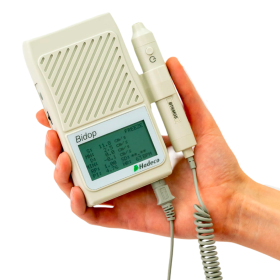
Sold: Each
Incl. VAT Exl. VAT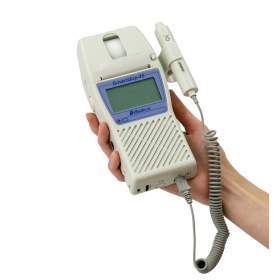
Sold: Each
Incl. VAT Exl. VAT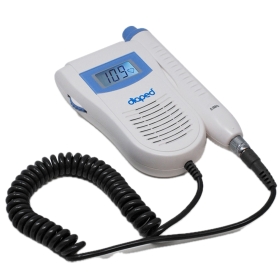
Sold: Doppler and 8MHz Probe
Incl. VAT Exl. VAT
Sold: Each
Incl. VAT Exl. VAT
Sold: 5 Rolls
Incl. VAT Exl. VAT
Sold: Each
Incl. VAT Exl. VAT
Sold: Each
Incl. VAT Exl. VAT
Sold: Each
Incl. VAT Exl. VAT
Sold: Each
Incl. VAT Exl. VAT
Sold: Each
Incl. VAT Exl. VAT
Sold: Kit
Incl. VAT Exl. VAT
Sold: Each
Incl. VAT Exl. VAT