




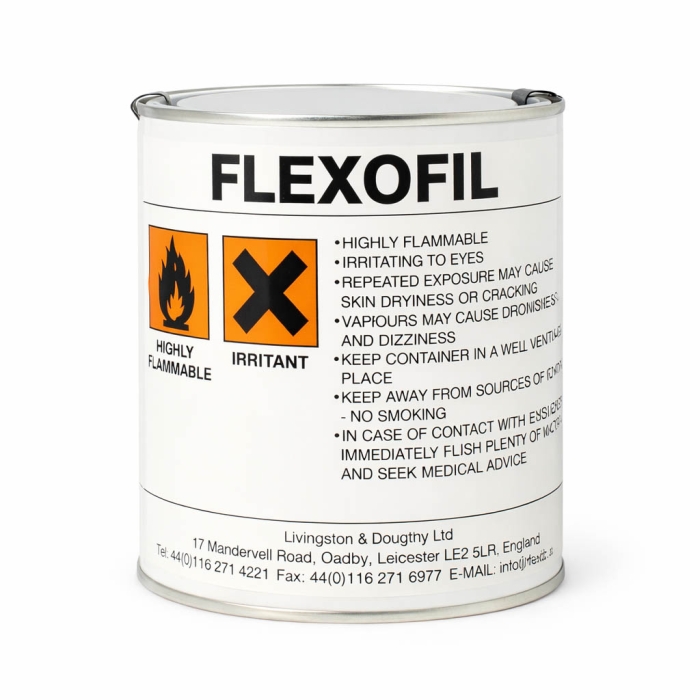
Cork Filler - Granulated Cork Paste for Shoe Making - 1 Litre
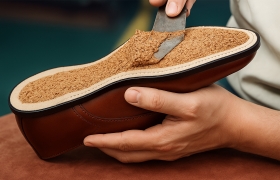
Cork Filler - Granulated Cork is commonly used to fill the bottom cavity of shoes in a fast and easy application.

Product Description
Cork Filler - Granulated Cork Paste for Shoe Making - 1 Litre
A flexible, ready-to-use cork-based filler developed for professional shoe making, footwear repair and internal shoe adaptation where controlled filling, levelling, and cushioning are required.
Best for: Shoe build-ups, cavity filling, internal levelling, and surface smoothing within footwear.
Not ideal for: Structural or load-bearing shoe components, or applications requiring rapid curing.
- Consistent paste formulation for workshop use
- Designed for precision filling and surface refinement
- Compatible with common footwear materials
What is it?
This cork filler is a granulated cork paste supplied ready-mixed in a 1-litre container. It blends fine cork particles with a flexible binder to create a material that can be applied directly inside footwear or onto shoe components without on-site mixing.
Once applied and allowed to dry naturally, the filler forms a lightweight, resilient surface that can be sanded, shaped, or bonded as part of a shoe making or repair workflow. Its paste consistency supports accurate placement, making it suitable for tasks where surface quality and smooth transitions are important.
The natural cork composition provides a balance of firmness and flexibility, allowing the cured material to accommodate normal shoe flexion while contributing to internal comfort and surface uniformity.
Who is it for?
This product is intended for professional and specialist users involved in footwear construction, repair, and modification, as well as experienced makers working with shoes and insoles.
- Shoe makers and bespoke footwear manufacturers
- Footwear repairers and specialist cobblers
- Podiatry and clinical footwear workshops carrying out shoe adaptations
- Sports footwear technicians
- Footwear product developers and prototyping teams
- Teaching workshops and training institutions
- Advanced DIY users with footwear fabrication experience
What is it used for?
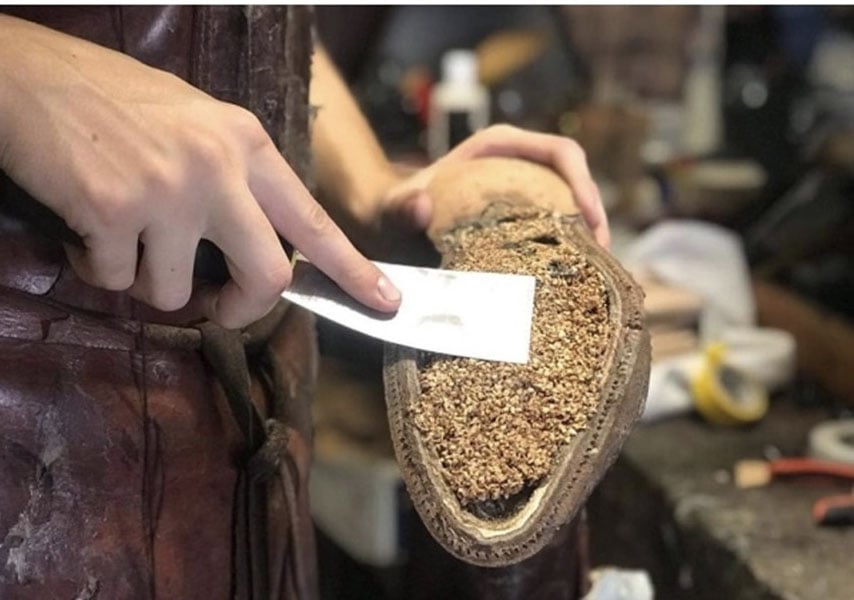
Cork filler is used wherever internal gaps, surface irregularities, or uneven contours exist within footwear. It provides a practical method for refining internal shoe surfaces prior to finishing, lining, or covering.
Typical applications
- Filling voids or gaps inside shoes
- Levelling footbeds before applying covers or linings
- Smoothing internal transitions between different materials
- Creating cushioned underlayers to help distribute pressure
- Minor internal shoe repairs and adjustments
Characteristics
- Ready-mixed paste consistency
- Dries to a flexible, lightweight finish
- Can be sanded, trimmed, or shaped after curing
- Adheres well to leather, EVA, and similar shoe materials
- Accepts most standard footwear adhesives
How to work with it
The filler is supplied ready for immediate use. It can be applied in thin or moderate layers depending on the depth required, with drying time influenced by layer thickness and environmental conditions. Once cured, it integrates smoothly into standard shoe making and repair processes.
Expected use timeline
First use
When first applied, the cork filler remains workable, allowing it to be spread, levelled, and adjusted to the desired contour. Care should be taken to apply evenly, particularly in confined areas inside footwear.
Ongoing use
After full drying, the material can be sanded or bonded and will remain stable during normal footwear use. Over time, it supports internal surface integrity as part of routine wear, repair, or further modification.
Problem and solution overview
| Common problem | How the cork filler helps |
|---|---|
| Uneven internal shoe surfaces | Allows controlled levelling before final finishing |
| Internal voids or gaps | Fills spaces to create a continuous surface |
| Abrupt transitions between materials | Smooths joins for improved comfort and finish |
| Need for lightweight build-up | Adds volume without significantly increasing shoe weight |
Key benefits
- Ready-to-use formulation saves preparation time
- Fine cork granules support smooth surface finishing
- Flexible cured surface accommodates normal shoe movement
- Lightweight composition helps avoid unnecessary bulk
- Adaptable for a wide range of shoe making and repair tasks
- Suitable for regular professional workshop use
Common mistakes to avoid
- Applying very thick layers in one application, which may extend drying time
- Sanding or bonding before the filler has fully dried
- Using the filler as a structural or load-bearing material
- Leaving the container unsealed between uses
How to work with cork filler
- Ensure the application area inside the shoe is clean and dry.
- Apply the cork filler using a spatula or spreader.
- Build up depth gradually if required.
- Allow to air dry fully before sanding or bonding.
- Clean tools with water immediately after use.
Technical specifications
| Volume | 1 litre |
|---|---|
| Colour | Natural cork |
| Consistency | Paste |
| Material composition | Granulated cork with flexible binder |
| Compatible substrates | Leather, EVA, and common footwear materials |
| Drying time | Varies by layer thickness and environmental conditions |
| Storage | Keep sealed in a cool, dry place |
| Pack contents | Single 1-litre container |
Frequently asked questions
Is the cork filler ready to use?
Yes. The filler is supplied pre-mixed and can be applied directly from the container.
Can it be sanded after drying?
Once fully dried, the material can be sanded or shaped using standard shoe making tools.
Is it suitable for structural shoe repairs?
The filler is intended for surface filling and levelling rather than structural reinforcement.
How long does it take to dry?
Drying time varies depending on application thickness, temperature, and ventilation.
Can adhesives be applied over it?
Most common footwear adhesives can be used once the filler has completely dried.
Does it significantly increase shoe weight?
The cork-based formulation is lightweight and adds minimal weight when used appropriately.
Complementary and pairing suggestions
- Footbed covers and linings
- EVA or cork sheet materials
- Footwear contact adhesives
- Sanding and finishing abrasives
Written by: Algeos Product & Clinical Content Team
Last reviewed: January 2026
This content is provided for buyer guidance and product understanding only. It is not intended as diagnostic or medical advice.
Sold: 500ml
Incl. VAT Exl. VATSold: 500ml
Incl. VAT Exl. VAT
Sold: Sheet size: 1000 x 1000mm
Incl. VAT Exl. VAT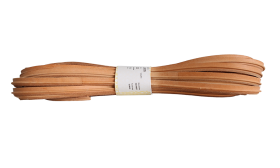
Sold: Sold per Metre - Cut form 50m Roll
Incl. VAT Exl. VAT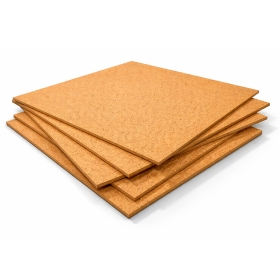
Sold: Sold per Sheet
Incl. VAT Exl. VAT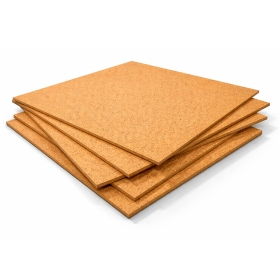
Sold: Sold per Sheet
Incl. VAT Exl. VAT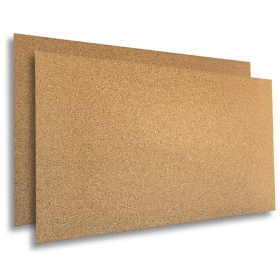
Sold: Sold per Sheet
Incl. VAT Exl. VAT
Sold: Each
Incl. VAT Exl. VAT
Sold: Pair
Incl. VAT Exl. VAT

Sold: 1 Litre
Incl. VAT Exl. VAT