



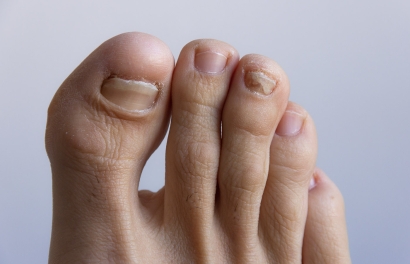
Hammertoe is one of the most common forefoot deformities seen in podiatry clinics and it raises many questions about splints, exercises, footwear and surgery. While early-stage hammertoes can often be managed conservatively advanced deformities may require operative correction. This guide explains what works, what does not and when professional treatment is needed.
What Is a Hammertoe?
Definition: A hammertoe is a toe deformity where the middle joint (proximal interphalangeal joint) bends abnormally causing the toe to resemble a hammer shape. It most commonly affects the second toe but can involve others.
How Hammertoes Develop and Why They Matter
Hammertoes develop due to an imbalance between the muscles and tendons that stabilise the toe. Over time this imbalance pulls the toe into a fixed bent position. Contributing factors include poorly fitting footwear prolonged use of narrow shoes neurological conditions arthritis and biomechanical overload of the forefoot.
Why this matters is simple - untreated hammertoes can progress from flexible to rigid deformities leading to pain corns callus ulceration and secondary conditions such as Morton's neuroma. Early management reduces long-term disability and the likelihood of surgery.
Do Hammer Toe Splints and Toe Straighteners Work?
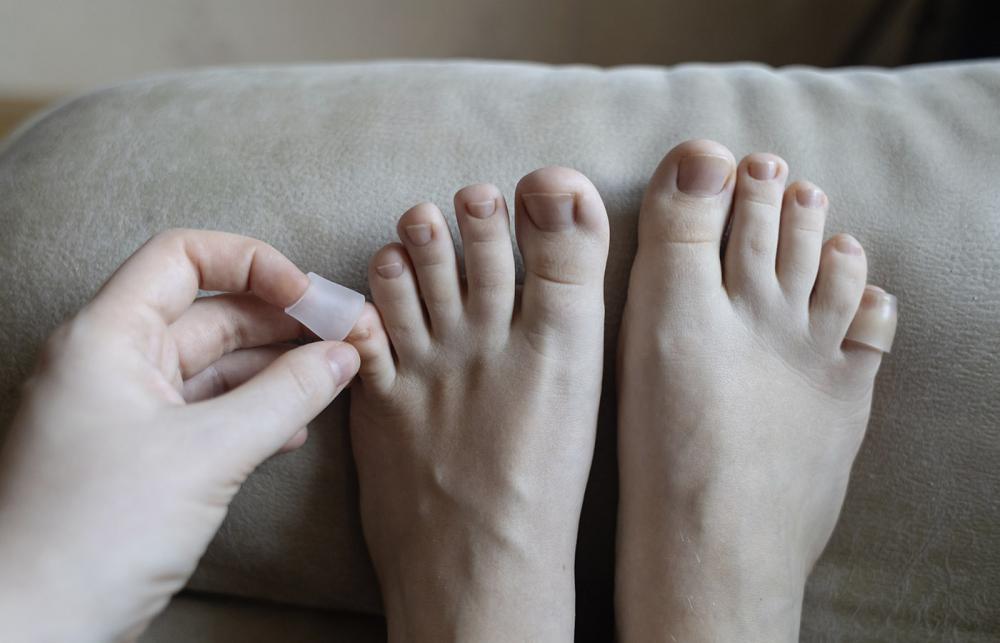
Toe splints and straighteners can be effective in the early flexible stages of hammertoe. They do not permanently straighten a rigid deformity but they can reduce pain improve alignment temporarily and slow progression.
Most podiatrists recommend splints for:
- Early or flexible hammertoes
- Post-surgical support
- Symptom relief in shoes
Rigid hammertoes do not respond to splints alone. In these cases splints act as protection rather than correction.
Splints typically take several weeks of consistent use to provide noticeable symptom relief. Structural change is limited and should not be expected without addressing footwear and biomechanics.
What Podiatrists Recommend for Hammertoes
Podiatrists use a staged approach based on severity. Conservative care is always first-line unless the deformity is fixed and painful.
- Footwear modification with a wide toe box
- Custom or prefabricated orthoses
- Toe splints or taping
- Metatarsal pads to reduce forefoot pressure
- Targeted exercises
- Corticosteroid injections if inflammation is severe
Surgery is considered only when conservative treatment fails and pain affects daily function.
Can You Straighten a Hammertoe Without Surgery?
A flexible hammertoe can often be improved without surgery. Stretching splinting strengthening exercises and footwear changes may restore partial alignment and function. Once the joint becomes rigid surgical correction is the only way to fully straighten the toe.
Early diagnosis is key. The longer the deformity is left untreated the less reversible it becomes.
How to Splint or Tape at Home
Home splinting can be effective when done correctly:
- Clean and dry the foot thoroughly
- Gently straighten the toe to a comfortable position
- Apply a soft toe splint or kinesiology tape to hold alignment
- Avoid excessive tension that restricts circulation
- Wear with wide supportive footwear
Taping offers short-term relief and is useful for activity but does not replace proper splints or orthoses.
Exercises That Help
The most effective exercises focus on intrinsic foot muscle strength and flexibility:
- Towel scrunches
- Marble pickups
- Toe extension stretches
- Plantar fascia stretching
Exercises are most beneficial in early stages and as part of a broader treatment plan.
Do Shoes Socks and Pads Make a Difference?
Footwear is one of the most important factors in managing hammertoes. Shoes should have:
- Wide deep toe boxes
- Low heels
- Soft uppers
- Rocker soles if forefoot pain is present
Specialist socks with toe separators can reduce friction and pressure. Metatarsal pads can help by redistributing load away from overloaded toe joints and may reduce symptoms associated with hammertoes and neuromas.
Walking Barefoot and Cultural Perspectives
Walking barefoot may improve intrinsic foot strength on safe natural surfaces but it can worsen symptoms on hard floors. In some cultures such as Korea barefoot walking is common for hygiene and tradition rather than foot health. It does not correct hammertoes and may increase discomfort if protective padding is absent.
What Happens If Left Untreated?
Untreated hammertoes can progress to:
- Chronic pain
- Corns and callus
- Skin breakdown and ulceration
- Joint stiffness
- Secondary nerve pain
In people with diabetes or vascular disease untreated hammertoes increase the risk of serious complications.
Surgical Options and Recovery
Surgery aims to realign the toe by releasing tendons removing part of the joint or fusing the joint. Recovery typically involves:
- Protected weight-bearing for 2-6 weeks
- Swelling for several months
- Return to normal footwear at 6-8 weeks
Downsides include stiffness swelling infection risk and altered toe sensation. Outcomes are generally good when surgery is appropriately selected.
Solution Selector
How to use this selector: Match your main problem to the closest option below. For best results combine a toe device with wide toe-box footwear and a pressure-relieving insole or metatarsal pad if you have ball-of-foot pain.
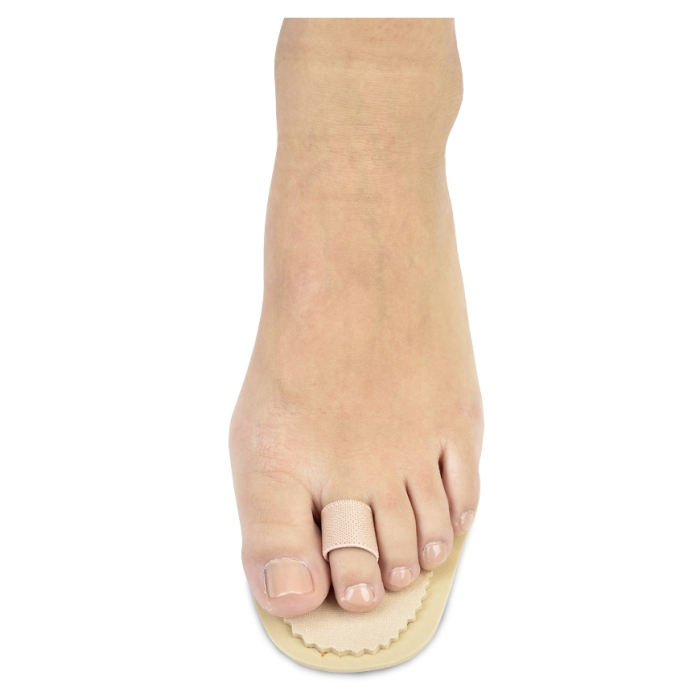
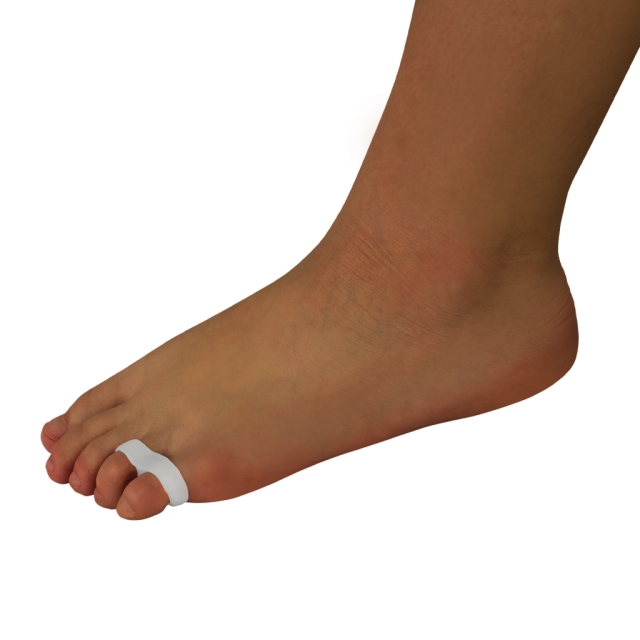
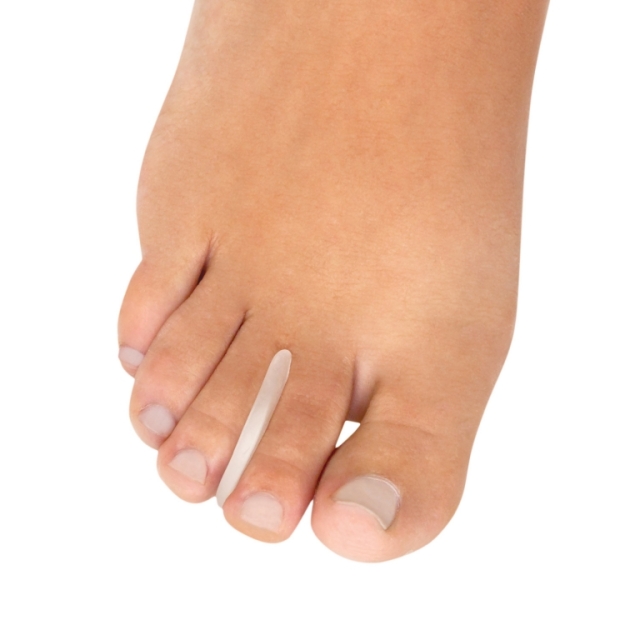
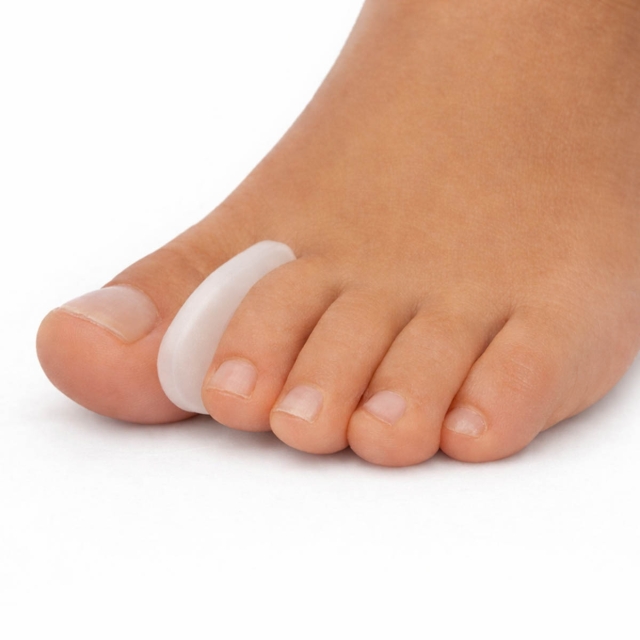
Hammer Toe Splint (single loop)
Best for early or flexible hammertoes where you want gentle alignment and reduced rubbing inside shoes.
- Helps guide the toe towards a straighter position
- Useful for day wear and short walks
- Often used as part of post-treatment support
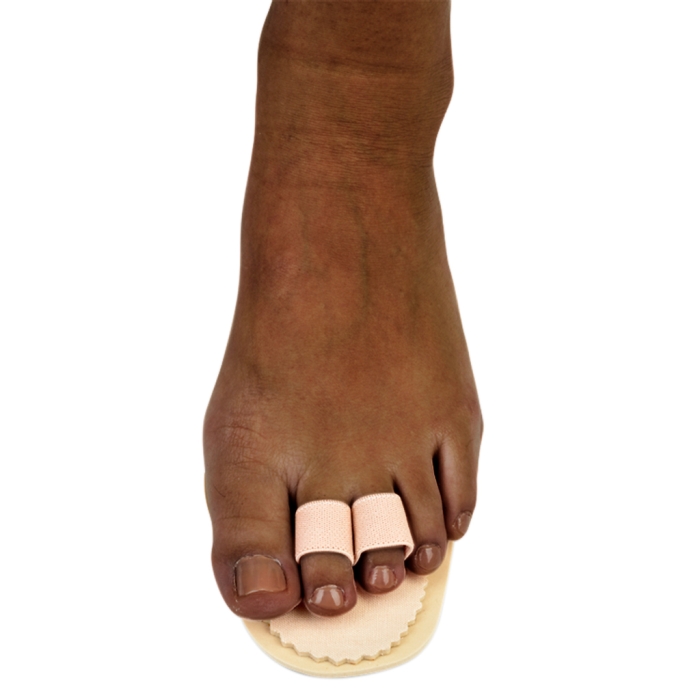
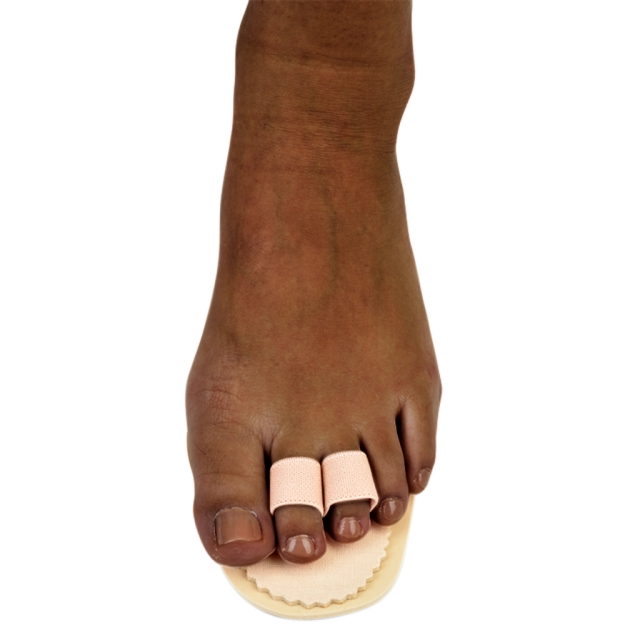
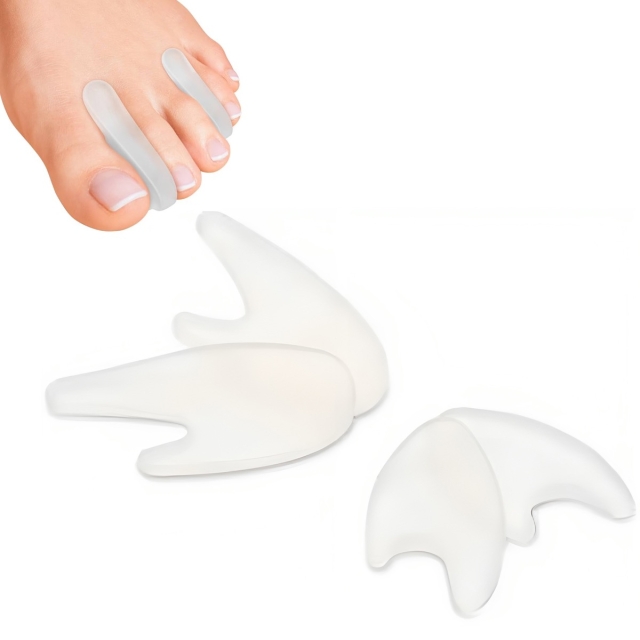
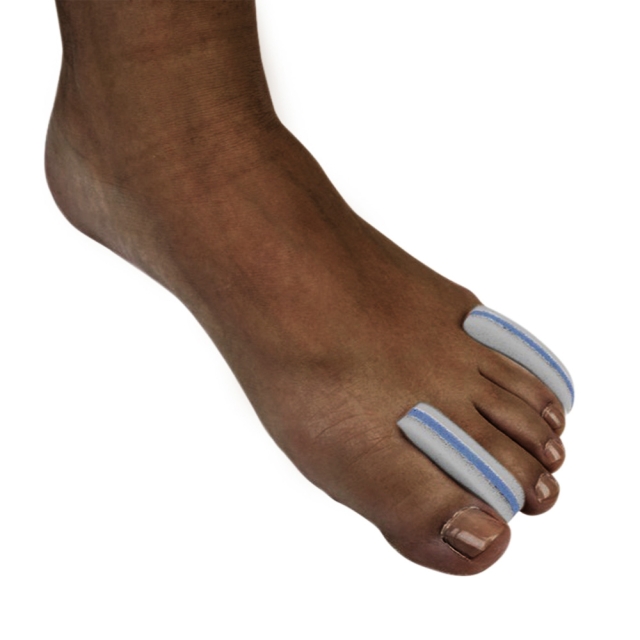
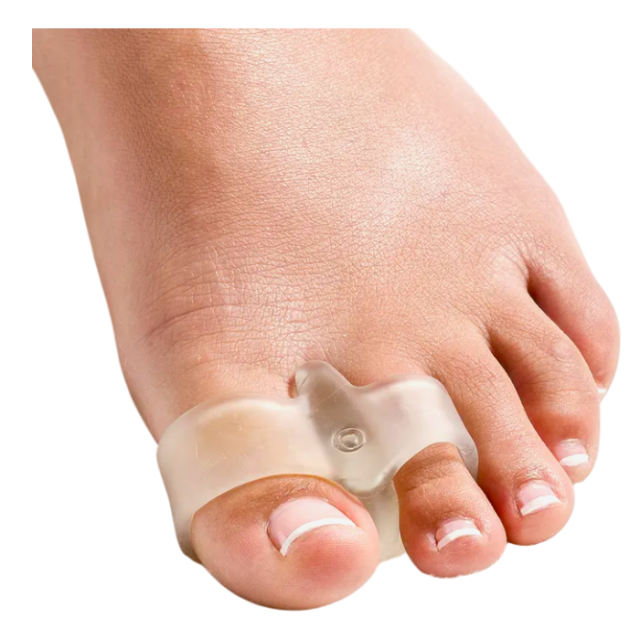
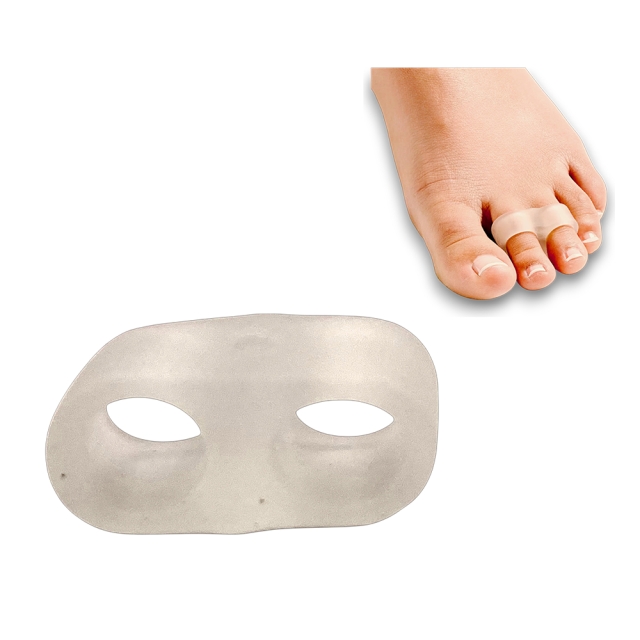
Hammer Toe Splint (double loop)
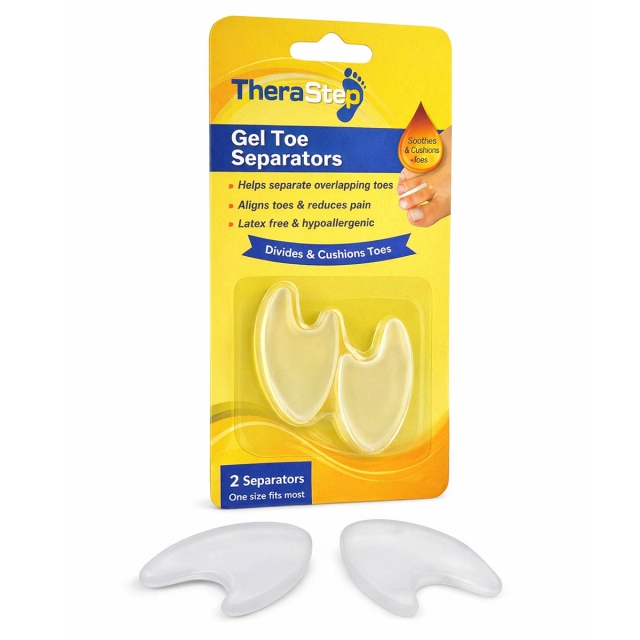
Best when two toes drift or overlap and friction between digits is your main driver of discomfort.
- Supports two adjacent toes for improved spacing
- Useful when footwear crowding is worsening symptoms
- Pairs well with wide toe-box shoes
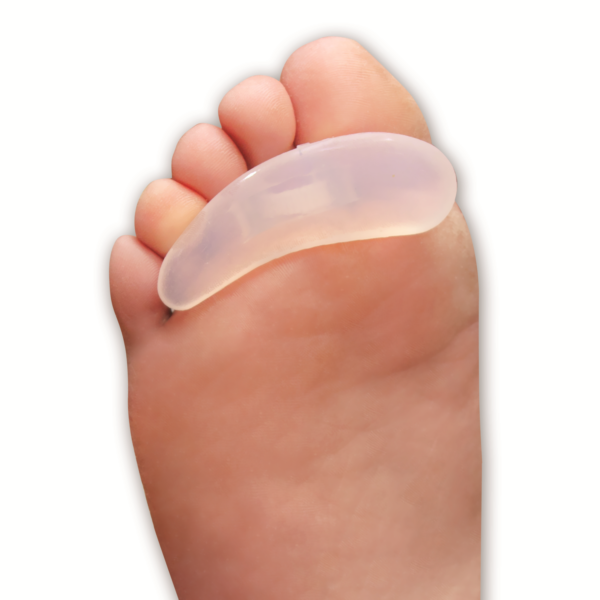
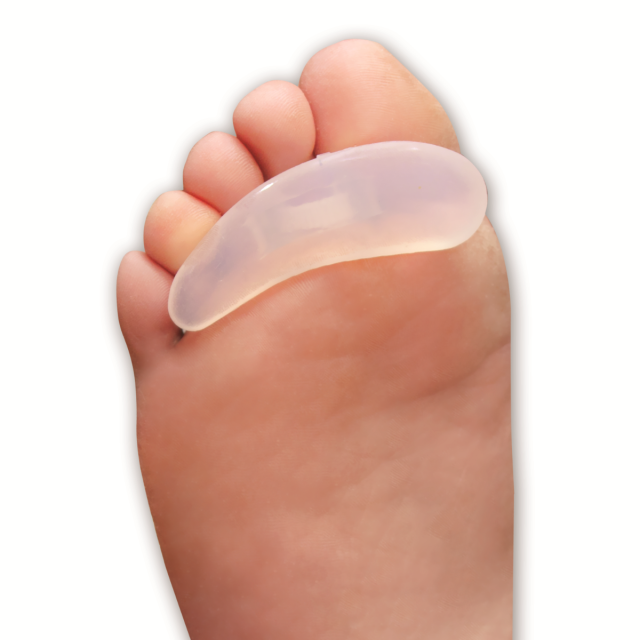
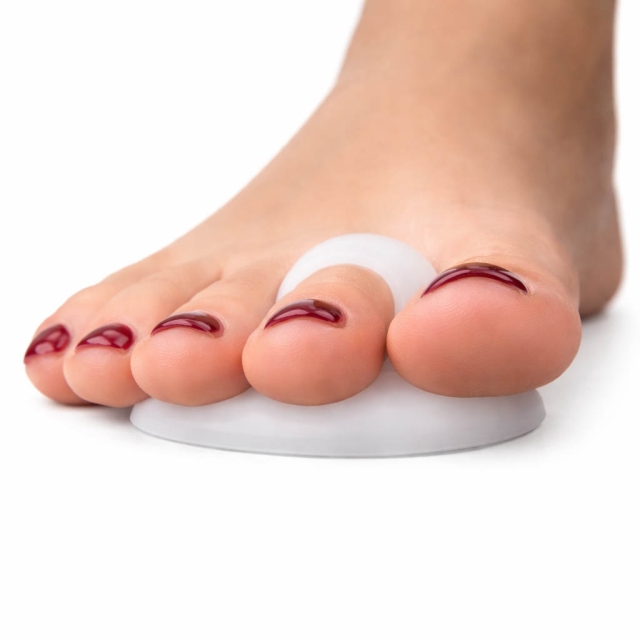
Therastep Gel Hammer Toe Cushion Crest
Best for toe-tip pressure and sore corns where cushioning is the priority more than straightening.
- Reduces pressure on the toe tips
- Comfort option for rigid toes that do not fully straighten
- Often helpful for shoe tolerance
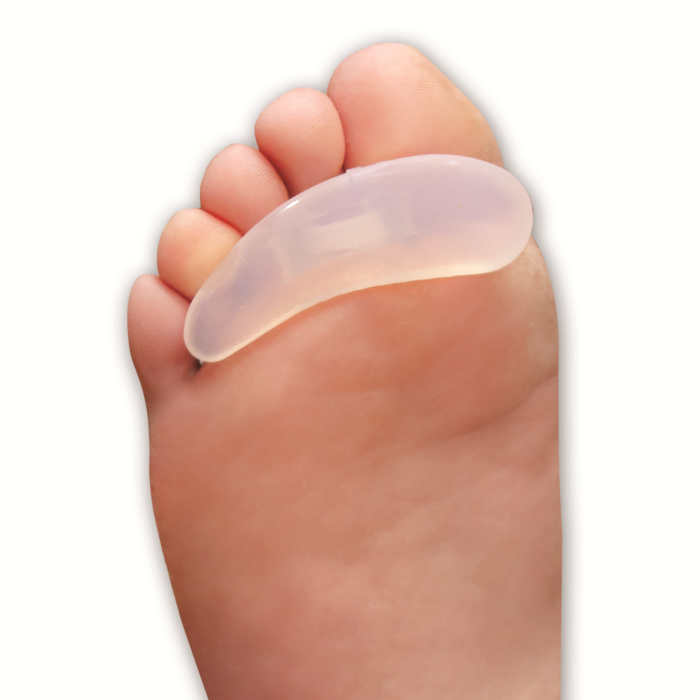
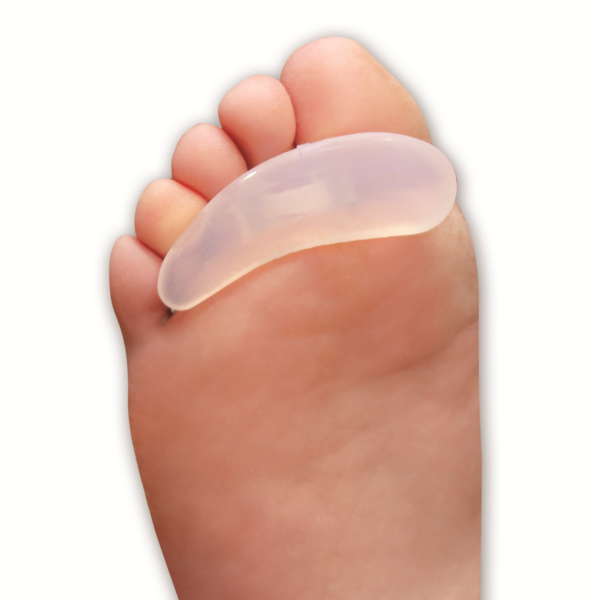
Gel Toe Crest for Hammer Toes
Best when you need a supportive crest under the toes to lift curled digits and reduce pressure hot-spots.
- Supports and elevates curled toes
- Helps reduce friction and pressure across toes and metatarsals
- Washable and reusable
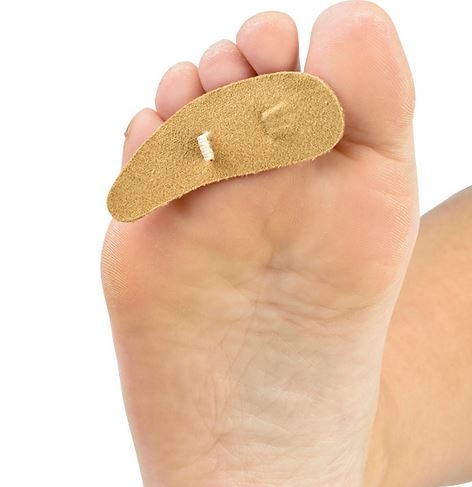
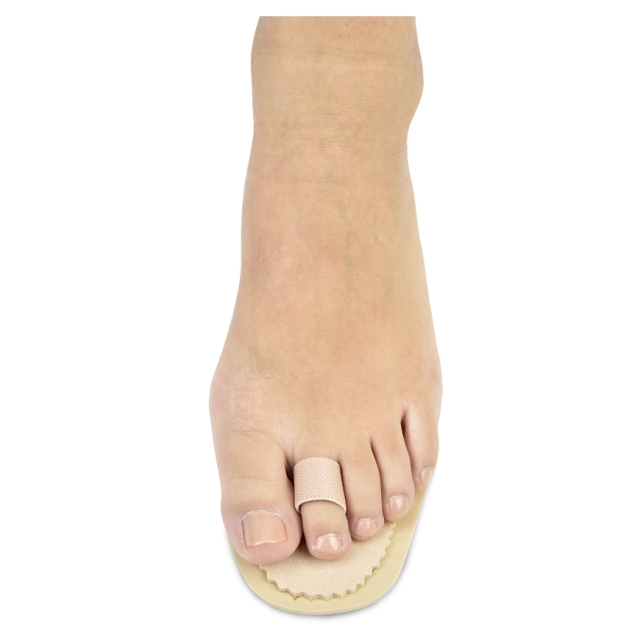
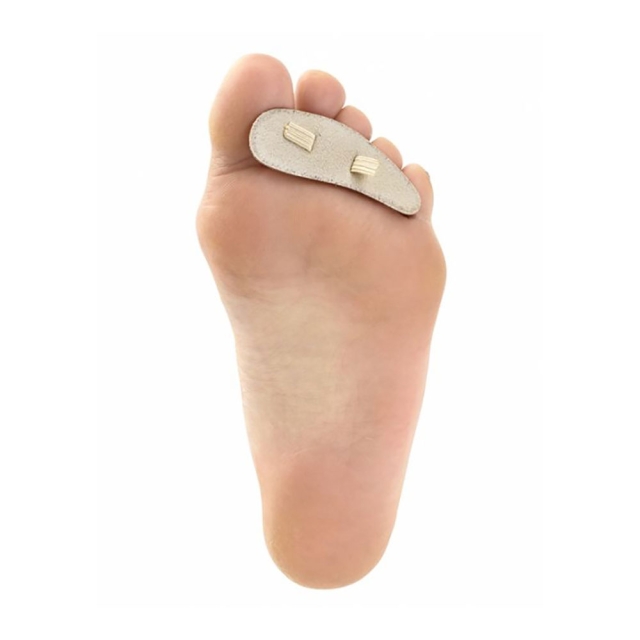
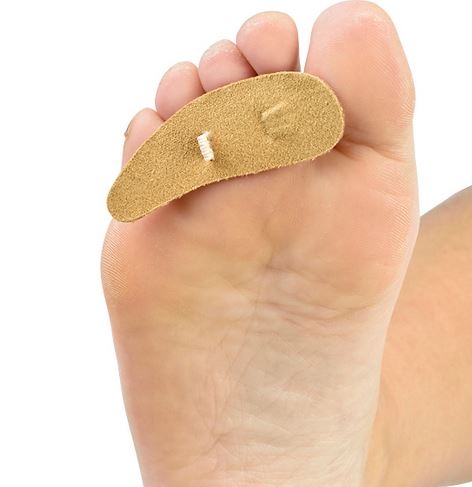
Felt Hammer Toe Crest for Toes and Metatarsals
Best for people who prefer a traditional felt crest and want under-toe support with a soft feel.
- Reduces pressure under curled toes and forefoot
- Elastic toe loops help keep position stable
- Useful in many shoe styles
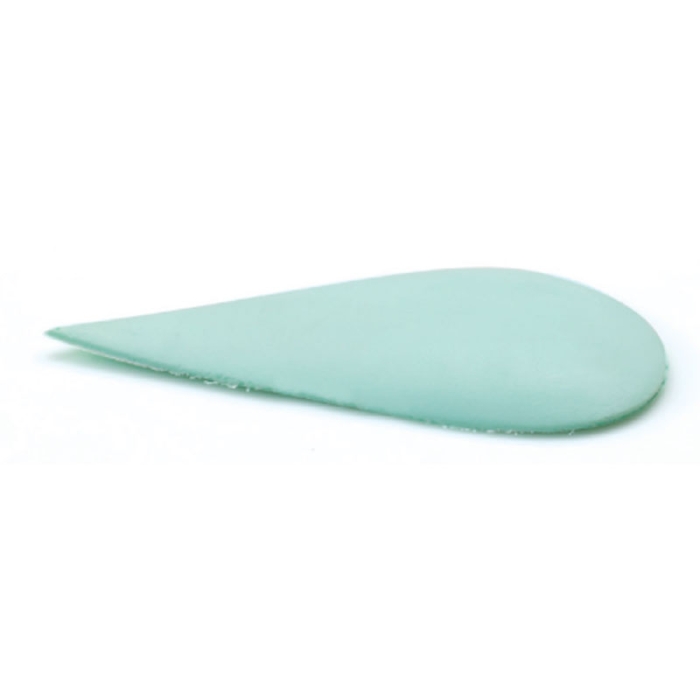
Metatarsal Pads - Central Position Pad (10 pairs)
Best for ball-of-foot overload that can drive hammertoe discomfort and can contribute to neuroma-type symptoms.
- Designed to redistribute pressure away from the metatarsal heads
- Commonly added to insoles or orthoses
- Useful when pain sits under the 2nd-4th met heads
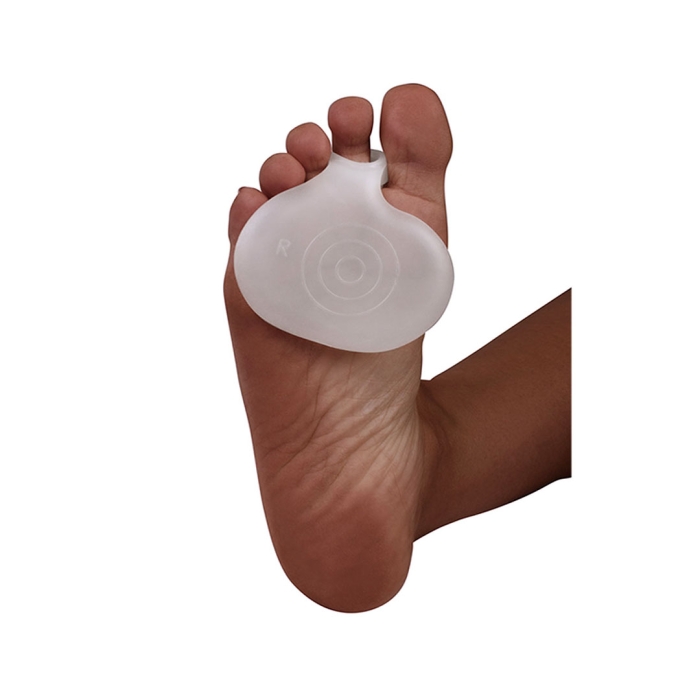
Gel Metatarsal Pads for Forefoot Pain Relief
Best if you want a ready-to-wear option that stays in place using a toe loop, ideal for day-to-day forefoot cushioning.
- Toe loop helps maintain position in the shoe
- Useful for metatarsalgia and neuroma-type discomfort
- Often complements hammertoe devices by improving load sharing
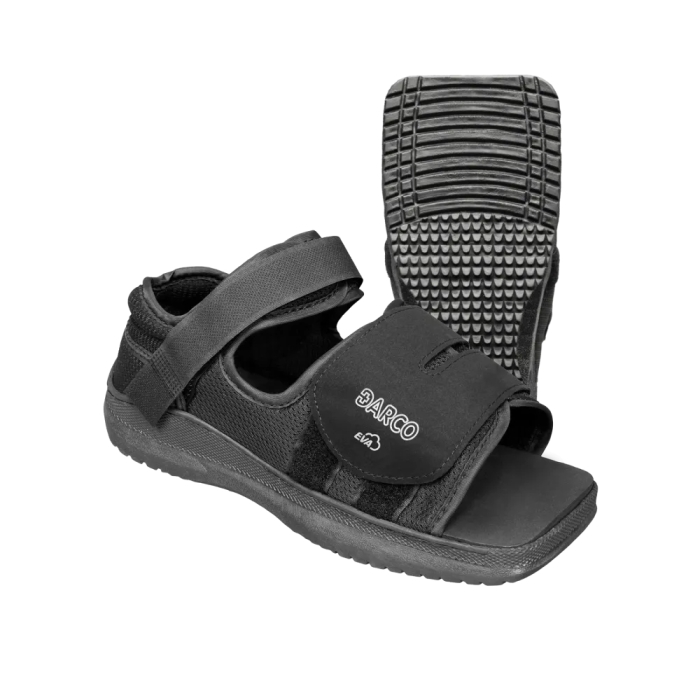
MedSurg Post-Op DARCO Shoe
Best for post-operative protection or when you need to reduce forefoot bending and pressure during healing.
- Designed to protect the forefoot and reduce harmful forces during recovery
- Useful after procedures involving toes or forefoot
- Often prescribed in clinical pathways
Clinical fit tip: If a device increases numbness, burning pain, colour change or swelling stop use and reassess fit. For diabetes, peripheral neuropathy, poor circulation or skin fragility seek podiatry advice before using toe devices and pads.
Frequently Asked Questions
Can hammertoes be reversed?
Only in early flexible stages. Rigid deformities cannot be reversed without surgery.
Do cortisone injections help?
They may reduce inflammation and pain but do not correct the deformity.
Do metatarsal pads help hammertoes?
Yes. They reduce pressure on the toe joints and improve comfort.
How long do toe splints take to work?
Symptom relief may occur within weeks but structural correction is limited.
What do podiatrists do for hammertoes?
They assess biomechanics recommend conservative care and refer for surgery if needed. No particular product!
References and Research
Sold: Pack of 2
Incl. VAT Exl. VAT