



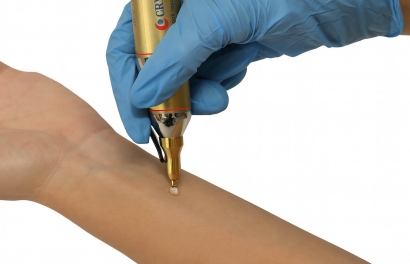
Whether you’re a podiatrist chasing stubborn plantar warts, a GP tidying up skin tags, or an aesthetician smoothing sun spots, CryoIQ’s handheld cryotherapy pens give you precise, millimetre-accurate freezing without the faff of theatre time.
Here you can read a plain-English guide to where these pens are used, what they treat, how they work - and what to watch out for. It’s written for both clinicians and the public, so you can share it directly with patients or add it to a clinic web page.
What is a CryoIQ pen?
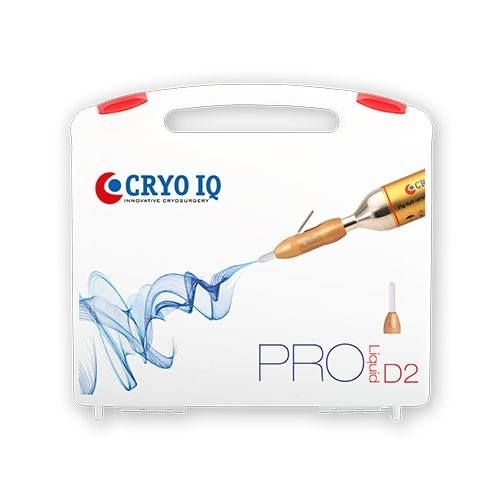
A CryoIQ pen is a compact cryosurgical device that destroys unwanted tissue by rapid freezing (cryonecrosis). Depending on the applicator, clinicians can deliver either a fine liquid spray for pinpoint lesions or contact freezing for controlled, surface-led treatments.
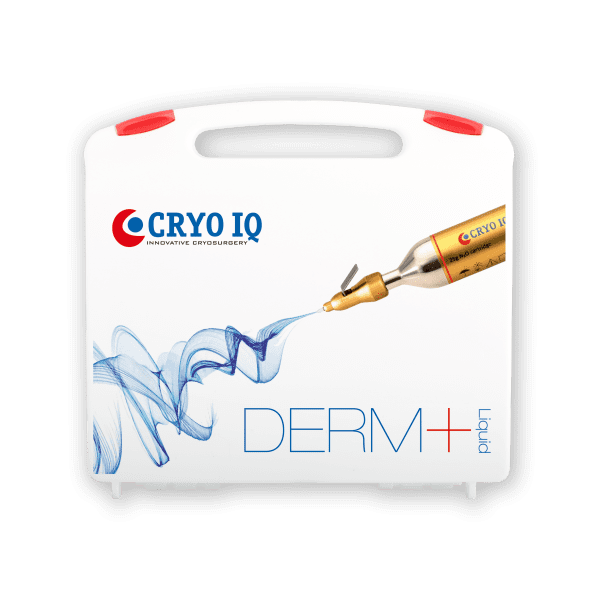
The range includes DERM Plus and PRO devices, and a PRO Aesthetic model for cosmetic work - coming soon to Algeos.
How it works (minus the jargon)
- Liquid spray freezing: Micro-capillaries deliver a focused cryogen spray to the lesion for deep, precise freeze zones on warts, keratoses and similar targets.
- Contact freezing: A closed-tip applicator is pre-cooled and then placed on the lesion for a controlled freeze without overspray - handy near sensitive structures.
- Why clinicians like it: Minimal bleeding, low infection risk, quick consult times and usually little or no anaesthetic. Many cases are “treat-and-go”.
Where CryoIQ is used (by specialty)
General Practice
Typical indications: common warts (verrucae on hands/feet), skin tags, solar lentigo (“sun spots”), seborrhoeic keratoses, actinic keratoses, molluscum contagiosum. Why it fits primary care: fast, clinic-room procedure; minimal after-care - good cosmetic outcomes.
Dermatology
Use cases: a broad sweep of benign lesions, pigmented spots, and keratoses, with flexibility to swap tips for lesion size and location. Why dermatologists choose it: safety, versatility (spray and contact), predictable results and a low cost per treatment.
Aesthetic / Cosmetic Practice
Use cases: age spots, sun spots, skin tags, seborrhoeic keratosis and selected cosmetic blemishes. Why clients like it: non-invasive, minimal scarring risk, and short downtime - ideal for “lunchtime procedures”.
Podiatry
Use cases: plantar warts (verruca plantaris), granulation tissue, nevi and keratoses on weight-bearing skin. Why it helps: targeted freezing suits thick plantar tissue; procedures are quick and usually well-tolerated without injections.
Paediatrics
Use cases: molluscum contagiosum, warts on hands, fingers and feet. Why it’s paediatric-friendly: minimally invasive, often “anaesthetic-free,” and efficient—so children (and parents) spend less time in clinic.
Gynaecology & Urology
Use cases: Condylomata acuminata (genital warts) and other benign or pre-malignant lesions, often treated via spray to avoid direct applicator contact with mucosal tissue. Why it’s chosen: precision, predictable outcomes, and practicality in busy clinics.
Ophthalmology (peri-ocular skin)
Use cases: peri-ocular skin lesions such as pigmented spots, tags, warts and keratoses around the lids and brows. Why it’s useful: fine-control applicators help protect delicate structures while achieving a clean freeze.
Veterinary Medicine
Use cases: papillomas/warts, eyelid masses, distichiasis, cysts, small tumours on skin, lips, tail base and pads. Why vets like it: portable for field work, often no general anaesthesia, and good tissue selectivity to spare healthy skin.
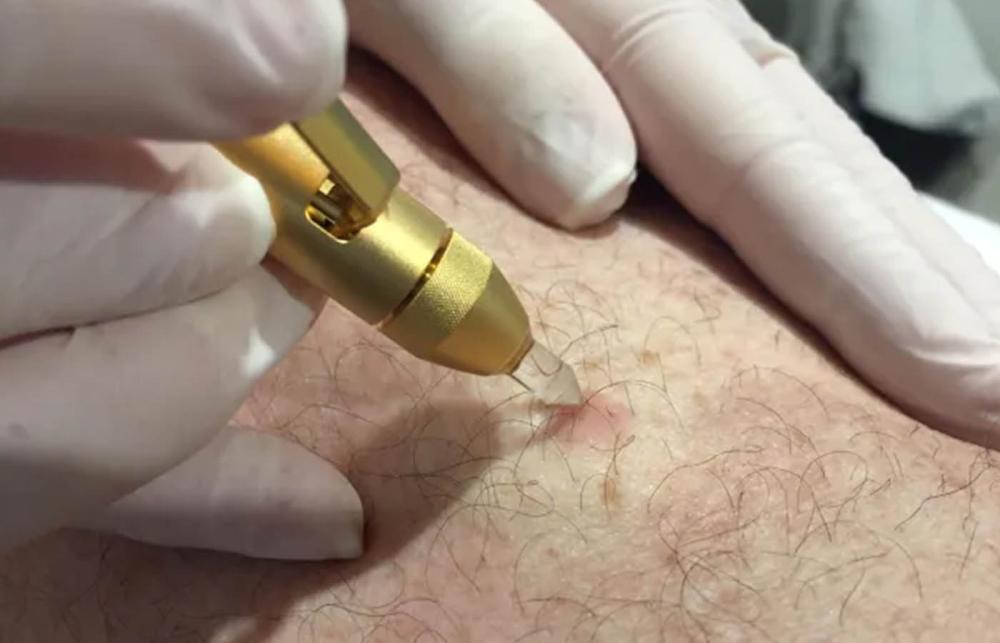
Treatment times at a glance (human medicine)
Freeze time depends on lesion type, skin thickness and hydration. CryoIQ publishes indicative ranges; clinicians should adapt to tissue response and use clinical judgement.
| Indication | Suggested freeze time (s) |
|---|---|
| Actinic keratosis | 4 - 8 |
| Solar lentigo (age spots) | 2 - 3 |
| Seborrhoeic keratosis | 5 - 10 |
| Common/plantar warts | 10 - 20 |
| Molluscum contagiosum | 3 - 10 |
| Skin tags | 5 - 10 |
Source: CryoIQ treatment-time guidance (human medicine).
Simple step-by-step (clinic workflow)
- Assess: Confirm diagnosis and suitability for cryotherapy (exclude suspicious or malignant lesions unless you’re following an appropriate oncology pathway).
- Choose the tip: Spray vs contact, and diameter matched to lesion and site sensitivity.
- Prepare skin: Clean, dry; debride hyperkeratosis (e.g. over plantar warts) if indicated to improve freeze penetration.
- Freeze cycle(s): Apply for the target time; allow thaw; repeat if clinically indicated. See indicative times above and adjust to tissue response.
- After-care: Keep clean and dry for 24-48 hours. Avoid friction. Review if blistering, infected or incomplete resolution.
Benefits
- Pros: fast appointments; minimal bleeding; low infection risk; no stitches; good cosmetic outcomes and often no local anaesthetic.
- Trade-offs: transient pain or stinging; potential blistering or crust; temporary pigment change (hypo/hyperpigmentation), especially on darker skin and recurrence if freeze is too shallow or diagnosis is off.
Who should not have cryotherapy?
Relative cautions include uncertain diagnosis, lesions needing histology before destruction, poor wound healing, and treatment sites where pigment change would be unacceptable. Genital and peri-ocular work should be performed by trained clinicians using appropriate applicators and infection-control protocols. (Summarised from the device application guidance and standard cryosurgery practice.)
FAQ
Does it hurt? Most patients feel an intense cold or brief sting; many cases don’t need local anaesthetic. Children generally tolerate short freezes well.
How many sessions will I need? Small skin tags and simple keratoses may resolve in one go; thicker warts can need repeat cycles or visits. Follow published time ranges and clinical response.
Can I go back to work/sport? Usually yes, the same day - another reason GPs and podiatrists like the modality.
Is it safe around the eyes or genitals? With proper training and the right applicator/tip, peri-ocular and genital lesions can be treated precisely in specialist settings.
References
- CryoIQ – Applications overview.
- CryoIQ – General Practice; Dermatology; Aesthetic Medicine; Podiatry; Pediatrics; Gynaecology & Urology; Ophthalmology.
- CryoIQ – Treatment times (Human Medicine).
Sold: Pack of 12
Incl. VAT Exl. VAT