



Cork material sheets are one of those quietly brilliant workshop and household materials that solve dozens of small problems at once. They are lightweight, easy to cut, naturally cushioned and useful anywhere you need grip, insulation, protection or a clean finish.
In this guide, you will find 101 practical uses for cork sheets, along with advice on why the material works so well and how to choose the right thickness for the job.
Definition
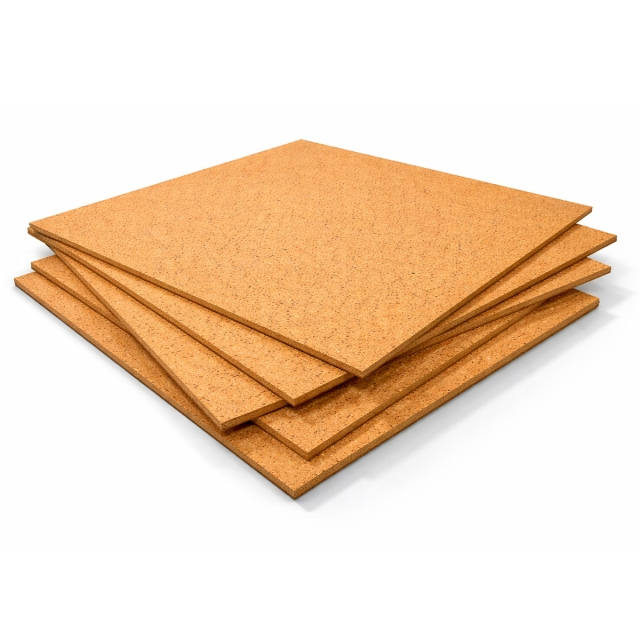
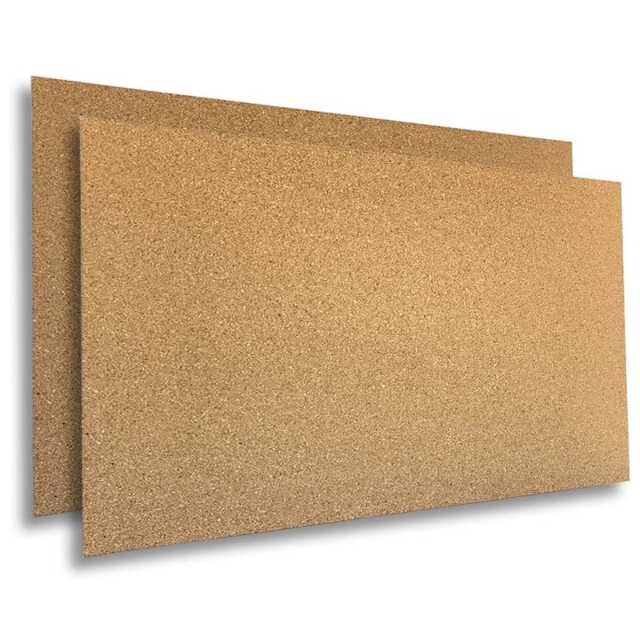
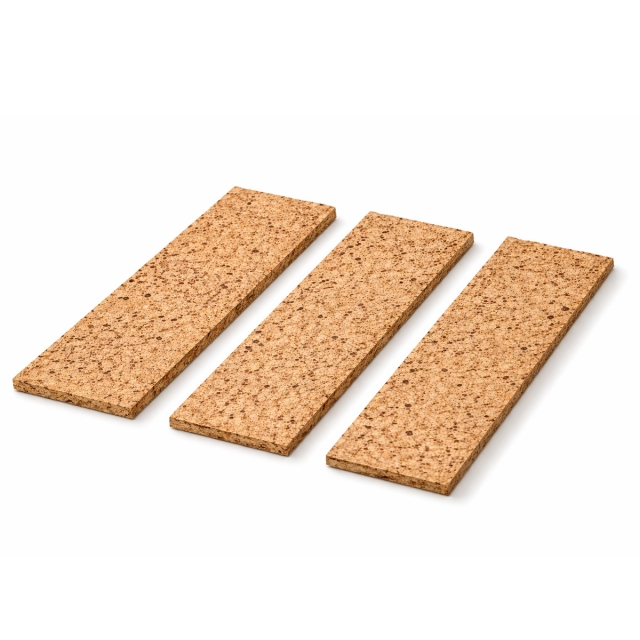
Cork material sheets are flat sheets made from natural cork or bonded cork granules. They are commonly used for lining, backing, sealing, padding, display work and light insulation. Because cork is flexible, compressible and moisture resistant, sheet form is especially useful when you need a material that can be cut to shape with minimal tools.
How it works and why it matters
Cork comes from the outer bark of the cork oak and is valued for a cellular structure that gives it resilience, lightness and natural thermal and acoustic performance. That combination explains why it appears in everything from notice boards and flooring underlay to gaskets, packaging and interior products. It is also widely recognised as a renewable material because the bark is harvested without felling the tree.
For buyers and makers, this matters because cork sheets offer a rare mix of usability and appearance. They can make surfaces quieter, protect delicate items, add grip under objects and create a warmer, more natural finish than plastic or foam. In many low-load applications, cork is the sort of material that feels simple but performs far better than expected.
At a glance - why cork sheets are so useful
Closed cellular structure -> cushioning and light insulation
Compressible surface -> helps absorb pressure and vibration
Natural friction -> improves grip and reduces slipping
Easy to cut -> ideal for custom shapes, pads and liners
Neat appearance -> suitable for display, interiors and craft work
101 uses for cork material sheets
Home and kitchen
- Drawer liners for cutlery trays
- Pan and plate protectors
- Heat mats for serving dishes
- Coasters for mugs and glasses
- Placemat backing
- Shelf liners in cupboards
- Anti-slip pads under small appliances
- Protection under plant pots
- Fridge magnet backing
- Jar opener grip circles
- Bases for candle holders
- Furniture leg pads
- Door stop pads
- Tabletop gaming mats for dice trays
- Backs for wall-mounted bottle openers
Office and study
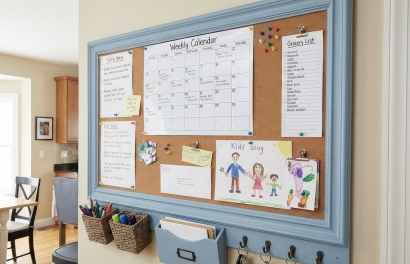
- Pin boards and memo boards
- Desk mats for keyboards or laptops
- Mouse mat bases
- Under-monitor vibration pads
- Bookend base protectors
- Label backing for filing systems
- Notice board tiles
- Cable management wraps
- Anti-scratch pads under printers
- Stamping and embossing work surfaces
- Document photo backdrops
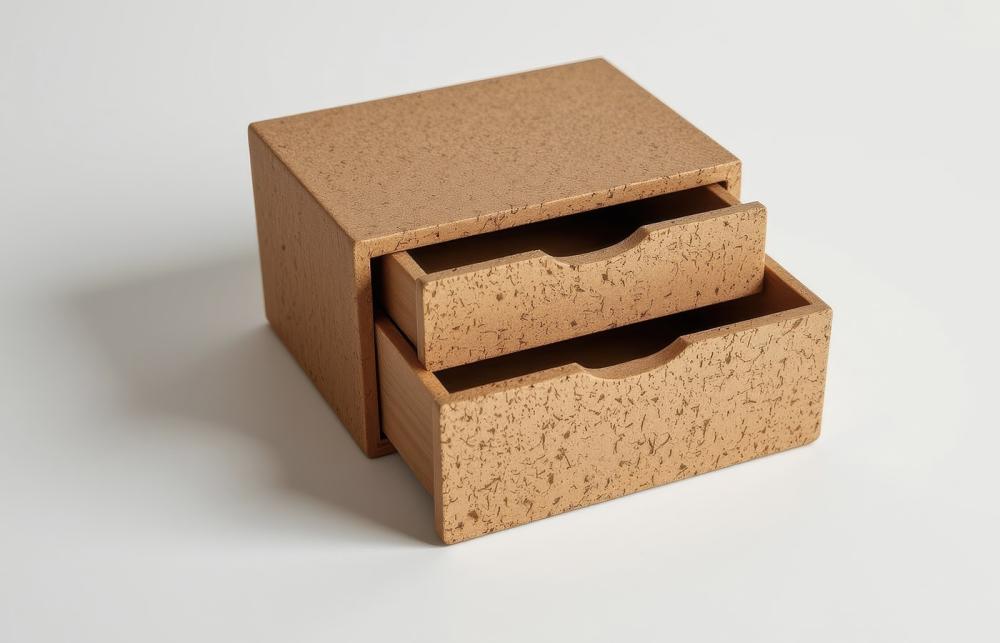
- Drawer dividers
- Book cover protection panels
- Whiteboard eraser replacements
- Protective pads under desk organisers
Craft, hobby and maker projects
- Model railway scenery bases
- Backing for handmade jewellery displays
- Cutting templates for repeated shapes
- Stamp carving blocks for light practice
- Backing sheets for mosaics
- Photo frame backing panels
- Backing for embroidery displays
- Needle and pin storage strips
- Mini mood boards for design work
- Decorative wall tiles
- Backing for clocks or signs
- Bookbinding support layers
- Leatherworking bench pads
- Spray painting masks and spacers
- Backing for resin art displays
Retail, display and events
- Jewellery counter liners
- Watch display pads
- Product riser top surfaces
- Protective base layers in gift boxes
- Menu board inserts
- Point-of-sale sign backing
- Temporary exhibition labels
- Display tray liners
- Sampling boards for interiors
- Trade show pin-up panels
- Backing for framed product information
- Retail shelf edge pads
- Bottle presentation inserts
- Luxury packaging accents
- Branded coasters for events
DIY, workshop and garage
- Tool drawer liners
- Vibration pads under small machines
- Bench protection sheets
- Backing for clamp jaws
- Pads under vice-mounted workpieces
- Wall protection behind door handles
- Storage box liners for fragile parts
- Underlay for small display shelves
- Protective pads for ladders against walls
- Backing strips for mounted hooks
- Shim material for light levelling jobs
- Protective inserts for tool cases
- Anti-rattle strips in cupboards
- Sound-softening pads in drawers
- Backing for workshop signs
Education and children’s activities
- Classroom pin boards
- Name boards and learning walls
- Letter and number matching boards
- Safe backing for craft knife-free projects
- Science fair display bases
- Counting boards with push pins
- Geography map pin boards
- Reusable planning boards
- Story sequencing panels
- Mini easel backing surfaces
- STEM challenge build mats
- Art display strips
- Reward chart boards
- Class timetable boards
- Quiet sensory wall panels
Light technical and specialist uses
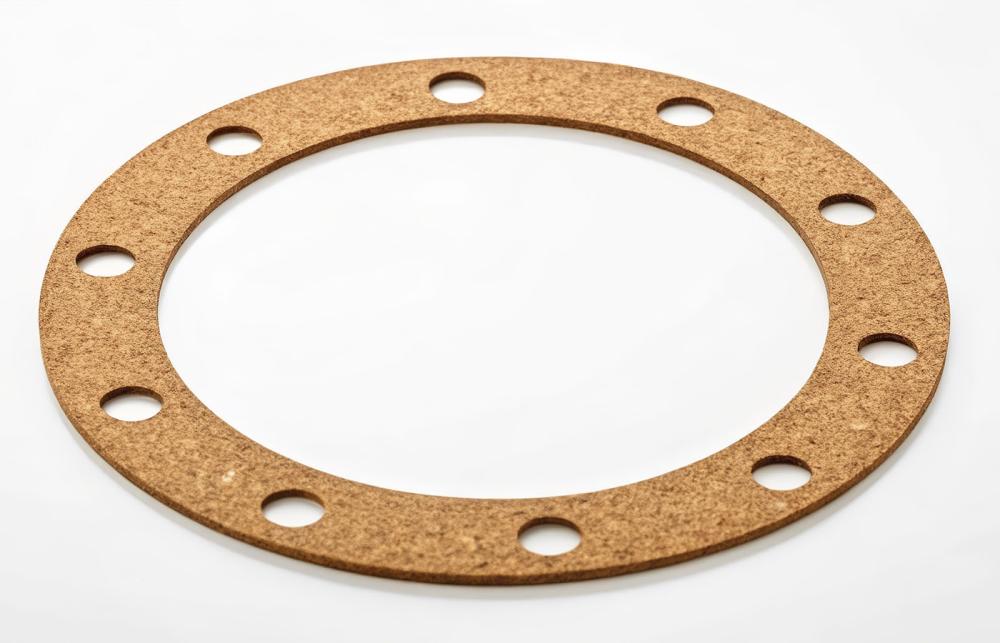
- Gasket material for low-pressure applications
- Protective packing layers in shipping cartons
- Acoustic backing behind panels
- Backing under turntables or speakers
- Grip pads in instrument cases
- Protective inserts for camera boxes
- Backing material in presentation cases
- Insulating layers under decorative panels
- Protective liners for laboratory trays
- Vibration-damping pads under pumps or small motors
- Custom seals for hobby engineering projects
What users say
People usually choose cork sheets for three reasons. First, they are easy to work with using ordinary scissors or a knife. Second, they solve practical issues such as slipping, rattling and surface damage without adding much thickness. Third, they give projects a more considered finish, especially in homes, retail environments and handmade products.
In other words, cork is often bought for one small task and then reused all over the place once people see how adaptable it is.
Step-by-step guide - choosing and using cork sheet
- Define the job. Decide whether you need cushioning, grip, display quality, acoustic softening or simple surface protection.
- Choose the right thickness. Thinner sheets suit crafts, labels and liners. Mid-range sheets work well for notice boards, pads and display use. Thicker sheets are better for cushioning, vibration control and workshop protection.
- Measure carefully. Mark the exact outline before cutting, especially for inserts, coasters or fitted drawer liners.
- Cut with a sharp blade. Use a steel rule for straight edges and make several light passes rather than one heavy cut.
- Test the fit dry. Check corners, edges and compression before applying adhesive.
- Select the right fixing method. Double-sided adhesive sheets are useful for clean display work. Contact adhesive may suit larger surfaces. Pins or screws may be better for notice board applications.
- Finish the edges. Light sanding or trimming can improve appearance where the cork remains visible.
Comparison table - common cork sheet applications
| Use type | Best feature of cork | Typical benefit | Thickness tendency |
|---|---|---|---|
| Notice boards | Pin-holding surface | Reusable display area | Medium |
| Drawer and shelf liners | Grip and cushioning | Less slipping and less noise | Thin to medium |
| Coasters and pads | Heat resistance and softness | Protects surfaces | Medium |
| Workshop protection | Compressibility | Reduces marking and vibration | Medium to thick |
| Display and packaging | Appearance and cutability | Better presentation and custom fit | Thin to medium |
| Light sealing jobs | Compressible structure | Helps create a neat low-load seal | Depends on application |
Frequently asked questions
1. Are cork material sheets easy to cut?
Yes. Most sheet grades can be cut with scissors or a sharp knife, which makes them suitable for both DIY and commercial use.
2. Are cork sheets waterproof?
Cork is naturally moisture resistant, but sheet performance depends on density, finish and adhesive. For wet environments, always check the product specification.
3. Can cork sheets be used for insulation?
They can help with thermal and acoustic softening in light applications. They are useful behind panels, under objects and in layered assemblies.
4. Do cork sheets work as anti-slip pads?
Yes. Their natural surface grip makes them useful under appliances, ornaments, desk items and furniture accessories.
5. Can cork be glued to wood, metal or plastic?
Usually yes. The best adhesive depends on the substrate, the size of the area and whether the item will flex in use.
6. What thickness should I choose?
Use thinner sheets for crafts and liners, medium sheets for boards and pads and thicker sheets when you need more cushioning or vibration control.
References and research sources
Author bio
Marc Cameron writes for Algeos on practical materials, clinical products and problem-solving ideas that help professionals and consumers make informed choices. His approach combines clear research, real-world usability and accessible language that supports confident decision-making.
Sold: 1 Litre
Incl. VAT Exl. VAT