SHOW PRICES WITH OR WITHOUT VAT? MANY BUSINESS CUSTOMERS PREFER TO VIEW PRICES EXCLUDING VAT.
0151 448 1228 (UK)






Chiropody Felt: Buyer's Guide to Foot Care Padding
Chiropody felt is an essential material for podiatrists, chiropodists and foot health pros who need to cushion sensitive areas, reduce rubbing and redistribute pressure around painful parts of the foot. It is commonly used when managing corns, calluses, footwear friction and localised pressure points.
This guide explains the main options, thicknesses and safe application methods. Compare the products on this page for professional and everyday foot care.
What Is Chiropody Felt?
Chiropody felt, also known as podiatry felt, is a cut-to-shape padding material used to protect the foot from concentrated pressure and friction. Traditional felt is made from compressed wool fibres, although the wider podiatry padding category includes cotton fleecy web, foam, moleskin and specialist cushioning sheets.
Many products have a self-adhesive backing for application to suitable intact skin. Other materials may be fitted within footwear, orthoses or protective appliances. Different densities and thicknesses allow tailored padding.
How Does Chiropody Felt Work?
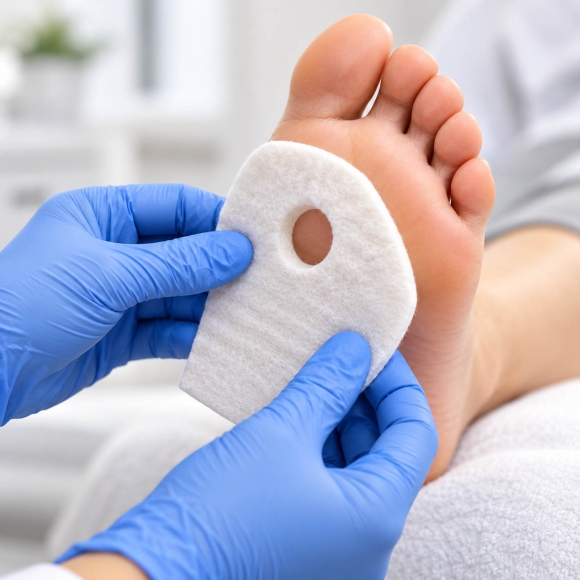
When pressure is concentrated on a small area of the foot, everyday walking can cause discomfort and repeated irritation. Chiropody felt can be shaped so that surrounding areas take more of the load. A carefully positioned aperture or horseshoe pad, for example, may help reduce direct contact over a corn without pressing on the painful centre.
Felt also creates a protective barrier between the skin and footwear. Effectiveness depends on material, placement and footwear fit. Felt complements, rather than replaces, professional treatment.
Which Type of Chiropody Felt Should You Buy?
Choose according to whether the priority is pressure redistribution, cushioning, friction reduction or footwear modification.
| Material | Main Advantage | Typical Application |
|---|---|---|
| Semi-compressed wool felt | Supportive padding that can be cut into offloading shapes | Corns, calluses and targeted pressure relief |
| Soft wool felt | Gentler cushioning against sensitive areas | General protective padding and comfort |
| Fleecy Web and moleskin | Thin, flexible surface protection | Rubbing, footwear friction and bony prominences |
| Foam-and-felt padding | Combination of cushioning and structural padding | Customised clinical padding |
| Poron cushioning sheets | Resilient impact absorption in a relatively slim profile | Orthotic and footwear cushioning |
| Pre-cut felt pads | Convenient, consistent shapes | Quick localised protection around pressure points |
Semi-Compressed Wool Felt
Semi-compressed felt has enough body for shaped padding. It can be cut into rings, horseshoes and other patient-specific offloading designs. See 100% wool semi-compressed chiropody felt or Hapla self-adhesive semi-compressed felt.
Soft Wool, Fleecy Web and Moleskin
For rubbing rather than concentrated pressure, choose softer or thinner padding. Hapla Soft Wool Felt provides soft protective cushioning, while Hapla Fleecy Web is useful when flexible, low-profile padding needs to follow the contours of the foot. Always check material composition: Fleecy Web is a cotton-based padding, not the same as compressed wool felt.
Foam Combinations and Ready-Cut Pads
Hapla Foam-O-Felt combines foam and felt layers for applications requiring additional cushioning. Pre-cut horseshoe felt pads save time in busy clinics. Hapla Poron sheets offer a different solution where impact absorption within footwear or an orthotic is the priority.
Should You Buy Chiropody Felt in Sheets or Rolls?
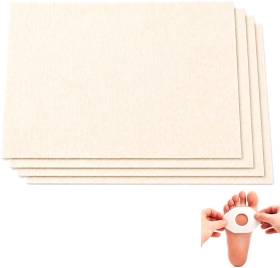
Sheets are convenient for occasional treatments and small clinics; rolls may suit practices that use padding regularly. Compare pack quantities and sheet dimensions, as well as price, when choosing supplies.
What Thickness of Chiropody Felt Do You Need?
Thickness should be chosen according to the pressure being managed, footwear space, patient comfort and clinical assessment. A thin material may be sufficient to protect against rubbing, while thicker felt can be shaped to create greater clearance around a pressure point. Greater thickness is not automatically better: excessive bulk can tighten footwear and create new areas of pressure.
Choose the lowest profile that provides protection. Check each listing: some sheets and pre-cut pads are thinner than 3mm.
Common Uses for Chiropody Felt
- Corns: A shaped aperture or horseshoe pad can reduce contact around a painful corn. Persistent corns should be assessed and treated by a podiatrist.
- Calluses: Felt may reduce repeated pressure over thickened skin while footwear and biomechanical causes are addressed.
- Blisters and friction: Thin protective padding can help limit rubbing on intact skin. Existing open blisters require suitable wound care.
- Metatarsalgia: Carefully positioned padding or an orthotic modification may redistribute load beneath the forefoot.
- Bunions and prominent joints: Low-profile padding can help protect areas that catch or rub against shoes.
- Post-treatment protection: Clinicians may use padding around sensitive areas as part of an individual aftercare plan.
How to Apply Chiropody Felt
These steps apply to simple padding on healthy, intact skin.
- Assess the area: Identify the source of pressure and check the skin for wounds, redness, swelling or signs of infection.
- Clean and dry: Gently clean the foot and dry it thoroughly so the adhesive can bond securely.
- Cut the felt: Trim the material using clean, sharp scissors. Round the corners and create an opening where pressure needs to be relieved.
- Check the position: Test the shape before removing the backing. Padding should surround or protect the problem area, not add direct pressure to it.
- Apply carefully: Remove the backing and smooth the felt onto suitable intact skin without stretching or wrinkling it.
- Check footwear: Put on the intended shoes and check for tightness, rubbing or discomfort. Remove the padding if it increases pressure.
- Review and replace: Inspect the skin regularly and replace felt when loose, flattened, wet, soiled or as advised by a clinician.
When Should Chiropody Felt Not Be Used at Home?
Do not apply ordinary adhesive felt directly over an open wound, ulcer or infected area. People with diabetes, reduced sensation, poor circulation, fragile skin or a history of foot ulcers should seek advice from a podiatrist before using adhesive padding. These conditions can make pressure damage difficult to detect and more serious.
In wound care, felt is only a possible adjunct to professionally managed offloading, not a substitute for dressings or specialist devices. NICE guidance recommends assessment and suitable offloading for diabetic foot ulcers. Seek prompt medical advice for new wounds, spreading redness, discharge or a hot, swollen foot.
Frequently Asked Questions
Is chiropody felt the same as moleskin?
No. Traditional chiropody felt is generally compressed wool, while moleskin and Fleecy Web are thinner, flexible surface padding materials. Both can improve comfort, but their cushioning and offloading properties differ.
Can I put chiropody felt inside my shoes?
Some materials can be used as footwear or orthotic additions. Check the product instructions and ensure the modification does not reduce space or cause pressure elsewhere.
Can chiropody felt help with corns?
Correctly shaped felt may reduce pressure around a corn and ease discomfort. It does not remove the corn or correct the underlying cause of repeated pressure.
How often should I change adhesive felt?
There is no universal replacement interval. Change it when the adhesive fails, the padding compresses or becomes wet or dirty, and follow any instructions from your podiatrist.
Sold: Pack of 4
Incl. VAT Exl. VAT