




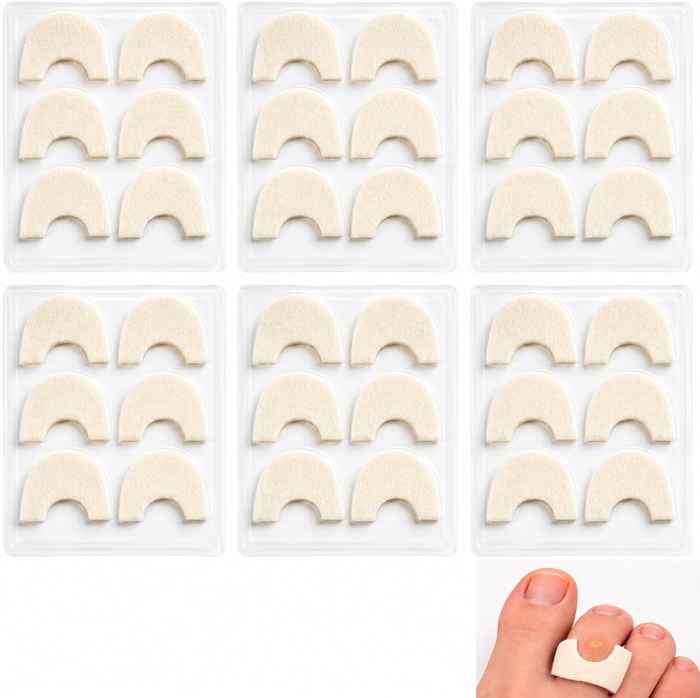
Semi-Hard Horseshoe Felt Pads - Adhesive Backed
Small adhesive-backed semi-hard felt pads for targeted foot cushioning and localised pressure relief. 2mm thick approx.
Pre-cut adhesive-backed foot pads designed to cushion localised pressure points and help reduce discomfort caused by footwear rubbing, corns and callus-prone areas.
Sold: Pack of 600 on 4 Sheets
Incl. VAT Exl. VAT
Product Description
Self-Adhesive Foot Pressure Relief
Ready-to-use horseshoe felt pads for targeted pressure relief, cushioning and protection around corns and sensitive areas of the foot.
These Semi-Hard Horseshoe Felt Pads are small, pre-cut adhesive-backed foot pads designed to cushion localised pressure points and help reduce discomfort caused by footwear rubbing, corns and callus-prone areas.
The horseshoe-shaped design allows padding to be positioned around a sensitive spot rather than directly over it. When correctly applied, the surrounding felt can help redistribute pressure away from the affected area, providing practical protection during everyday walking and footwear use.
Made from approximately 2mm thick semi-hard felt, each pad offers a low-profile combination of cushioning and structure. The self-adhesive backing makes application straightforward, while the pre-cut format removes the need to measure and cut individual pads from larger sheets.
Supplied in a convenient pack of 600 pads across 4 sheets, they are particularly useful for podiatrists, chiropodists and foot health practitioners who regularly provide customised foot padding.
Key Selling Points
Targeted Pressure Relief
The horseshoe shape allows the pad to sit around a localised pressure point, helping reduce direct loading on sensitive areas when correctly positioned.
Ready-Cut Horseshoe Design
Pre-shaped pads eliminate the need for routine cutting, saving preparation time during clinical appointments and everyday footcare applications.
Low-Profile 2mm Padding
Approximately 2mm thick semi-hard felt provides targeted cushioning without the bulk associated with thicker padding materials.
Self-Adhesive Backing
Adhesive backing helps secure each pad to suitable clean, dry skin or an appropriate footwear surface, making application quick and convenient.
Precise Small-Area Protection
The compact format is useful for positioning padding around small corns, localised pressure points and suitable areas of footwear friction.
Bulk Pack of 600 Pads
Four sheets containing 600 ready-to-use pads provide a practical supply for busy podiatry clinics, chiropody practices and professional footcare settings.
What Are Horseshoe Felt Pads and How Do They Work?
Horseshoe felt pads are protective foot padding designed to cushion areas affected by localised pressure and repeated rubbing. They are commonly used around small corns, calluses and other pressure-sensitive points that become uncomfortable during walking or when wearing footwear.
Unlike a solid pad placed directly over a sensitive area, a horseshoe pad has an open section that can be positioned around the area requiring protection.
The aim is to help reduce direct pressure on the affected point while distributing some of the contact load through the surrounding felt.
This can be particularly useful where a small, clearly defined area of the foot experiences discomfort because of repeated contact with footwear or weight-bearing surfaces.
The semi-hard felt construction provides a structured cushioning layer, while the approximately 2mm thickness helps keep the pad relatively discreet inside suitable footwear.
Each pad has an adhesive backing to help maintain its position during appropriate use. Correct placement is essential because an incorrectly positioned pad may increase pressure on the sensitive area or create a new contact point.
These pads provide temporary mechanical cushioning and pressure management. They do not remove a corn or callus, correct foot alignment or treat the underlying cause of recurrent foot discomfort.
Common Foot Problems Horseshoe Felt Pads May Help With
Painful Corns
Corns can become uncomfortable when footwear or walking pressure repeatedly loads a small area of thickened skin. Correctly positioned horseshoe padding may help reduce direct contact with the corn and improve comfort.
Localised Callus Pressure
Callus-prone areas can experience repeated mechanical stress. Small felt pads may provide cushioning around selected areas, helping reduce pressure and friction as part of an appropriate footcare routine.
Pressure-Sensitive Toes
Toe joints and other small prominent areas can rub against footwear. Horseshoe pads may help protect suitable areas where localised cushioning is required and sufficient space is available.
Forefoot Pressure Points
Small areas beneath or around the forefoot may become uncomfortable during weight-bearing activity. Appropriately positioned felt padding may help redistribute localised pressure around these points.
Footwear Rubbing
Repeated contact with shoes can aggravate sensitive areas of skin. A thin felt cushioning layer may help protect suitable contact points from further rubbing during everyday wear.
Small Bony Prominences
Prominent joints and other small anatomical areas may experience increased footwear pressure. Horseshoe padding can be used around selected areas where temporary protection is appropriate.
Applications and Suitability
Designed for professional podiatry, chiropody and suitable short-term foot padding applications.
- Podiatrists: Targeted cushioning around corns, calluses and other localised pressure-sensitive areas.
- Chiropodists: Ready-cut protective felt pads for routine clinical footcare and pressure management.
- Foot health practitioners: Convenient adhesive padding for suitable small-area protection and footwear-related discomfort.
- Clinical footcare settings: Bulk supplies for clinics requiring frequent, individually dispensed foot padding.
- Orthotic and footwear applications: Selected cushioning adjustments where small, low-profile adhesive pads are appropriate.
- Informed consumers: Straightforward temporary padding applications following suitable guidance on positioning and skin monitoring.
The pre-cut shape makes these pads particularly useful where small horseshoe-style padding is repeatedly required.
For larger pressure areas, irregularly shaped lesions or applications requiring thicker padding, a cut-to-shape felt sheet or alternative cushioning material may be more appropriate.
Who May Need a Different Padding Solution?
Although horseshoe felt pads can provide useful temporary cushioning, they are not suitable for every foot condition or individual.
- Open wounds or infected skin: Do not apply directly over open wounds, infected lesions or actively bleeding areas unless specifically directed by a healthcare professional.
- Diabetes or reduced sensation: People with diabetes, neuropathy, poor circulation or reduced protective sensation require professional advice before using adhesive foot padding.
- Fragile or easily damaged skin: Adhesive removal may cause irritation or damage, particularly where the skin is thin or vulnerable.
- Adhesive sensitivity: Avoid use if there is a known allergy or sensitivity to the adhesive or felt material.
- Very tight footwear: Even thin padding adds material inside shoes and may increase pressure if sufficient space is unavailable.
- Large or complex pressure areas: Small horseshoe pads may not provide sufficient support or coverage for extensive pressure problems.
- Persistent or unexplained foot pain: Recurrent symptoms may require clinical assessment rather than continued temporary padding.
Important: Incorrectly positioned padding can increase pressure instead of relieving it. If discomfort becomes worse after application, remove the pad and reassess the affected area.
Product Specifications
| Product Name | Semi-Hard Horseshoe Felt Pads – Adhesive Backed |
|---|---|
| Product Type | Pre-cut chiropody felt pressure relief pads |
| Pad Shape | Small horseshoe-style pads |
| Material | Semi-hard felt |
| Approximate Thickness | 2mm |
| Backing | Self-adhesive |
| Pack Quantity | 600 individual pads |
| Pack Format | 600 pads supplied on 4 backing sheets |
| Preparation | Pre-cut and ready to apply |
| Primary Function | Localised cushioning and pressure relief |
| Common Applications | Protection around corns, callus-prone areas, small pressure points and suitable footwear friction areas |
| Application Surfaces | Suitable clean, dry, intact skin or appropriate footwear and orthotic surfaces |
| Typical Users | Podiatrists, chiropodists, foot health practitioners and appropriately guided individuals |
| Intended Use | Temporary external protective padding |
How to Apply Horseshoe Felt Pads
- Identify the pressure-sensitive area. Locate the small corn, callus-prone area or contact point requiring protection. Make sure the area is suitable for adhesive padding.
- Assess the correct position. Plan where the horseshoe opening should sit so the most sensitive point is not subjected to additional direct pressure.
- Prepare the skin or application surface. Ensure the intended area is clean and completely dry. Avoid applying over creams, oils or moisture that may interfere with adhesion.
- Remove one felt pad. Carefully peel a pre-cut horseshoe pad from its backing sheet without unnecessarily handling the adhesive surface.
- Position around the affected area. Apply the pad so the surrounding felt provides cushioning while the open section is aligned appropriately with the pressure-sensitive point.
- Press gently to secure. Smooth the pad into position using light pressure, ensuring the adhesive makes suitable contact without creases or lifting edges.
- Check comfort inside footwear. Put on the intended shoes and confirm that the pad does not create additional tightness, rubbing or discomfort during standing and walking.
- Monitor and replace. Inspect the skin and padding regularly. Replace the pad if it becomes loose, compressed, dirty, displaced or uncomfortable.
Professional application guidance: Horseshoe padding should be positioned according to the location of the pressure point and the surrounding anatomy. The opening must be aligned appropriately, as placing a pad incorrectly can concentrate pressure on the affected area rather than relieving it.
Used pads should not be shared between patients or individuals. Remove adhesive padding carefully, particularly where the skin is fragile.
Benefits of Semi-Hard Horseshoe Felt Pads
Targeted Foot Comfort
- Helps reduce direct contact with small pressure-sensitive areas.
- Provides cushioning around suitable corns and calluses.
- May improve comfort during everyday footwear use.
Efficient Clinical Application
- Ready-cut horseshoe pads require no routine shaping.
- Adhesive backing allows straightforward application.
- Useful for quick, individually dispensed clinical padding.
Low-Profile Protection
- Approximately 2mm thickness limits unnecessary padding bulk.
- Semi-hard felt provides structured cushioning.
- Small format allows precise placement around selected areas.
Practical Bulk Supply
- 600 pads provide a convenient supply for busy clinics.
- Four backing sheets support organised storage and dispensing.
- Pre-cut format reduces repeated preparation of felt sheets.
Contraindications and Warnings
- External use only: These pads are intended for protective foot cushioning and appropriate external padding applications.
- Open wounds: Do not apply directly to open wounds, infected skin or actively bleeding areas unless specifically directed by a healthcare professional.
- Diabetes and neuropathy: People with diabetes, reduced sensation, neuropathy or compromised circulation should seek professional advice before use.
- Fragile skin: Adhesive application and removal may irritate or damage delicate skin. Remove carefully and seek guidance where necessary.
- Material or adhesive sensitivity: Discontinue use if redness, itching, rash or other signs of sensitivity develop.
- Incorrect positioning: Padding placed directly over a painful pressure point may increase discomfort. Ensure the horseshoe opening is aligned correctly.
- Footwear fit: Check that shoes remain comfortable after application. Avoid using pads where additional thickness causes pressure or constriction.
- Skin monitoring: Remove the pad if redness, soreness, blistering, excessive moisture or worsening irritation occurs.
- Hygiene: Pads intended for individual patient use should not be shared after application.
- Persistent symptoms: Recurrent corns, calluses and foot pain should be assessed by an appropriately qualified healthcare professional.
Important: Horseshoe felt pads provide temporary cushioning and localised pressure management. They do not treat the underlying cause of recurrent corns, calluses or other foot conditions.
Frequently Asked Questions
What are horseshoe felt pads used for?
Horseshoe felt pads are used to provide targeted cushioning and pressure relief around small sensitive areas of the foot. They are particularly useful around suitable corns, calluses and localised pressure points where direct footwear contact causes discomfort. The open horseshoe shape allows the pad to be positioned around the affected area rather than directly over it.
How do horseshoe felt pads help relieve pressure?
The horseshoe design allows cushioning material to surround a small pressure-sensitive point while leaving an open section around the area requiring protection. When correctly positioned, the surrounding felt may help redistribute localised pressure and reduce direct contact with the painful spot. The effectiveness depends on pad placement, the shape of the foot and available footwear space.
Can horseshoe felt pads be used for painful corns?
Yes, horseshoe felt padding is commonly used around suitable painful corns to help reduce direct pressure from footwear. The open section can be positioned around the corn while the surrounding felt provides protective cushioning. The pad does not remove the corn or address its underlying cause, so recurrent problems may require professional treatment.
Are these felt pads self-adhesive?
Yes, each pad has a self-adhesive backing for straightforward application to suitable clean, dry skin or an appropriate footwear surface. The adhesive helps maintain the intended position of the pad during use. Ensure the application area is free from excessive moisture, creams and oils before positioning the pad.
How thick are the Semi-Hard Horseshoe Felt Pads?
The pads are approximately 2mm thick and made from semi-hard felt. This provides a relatively low-profile cushioning layer suitable for selected small pressure points and footwear applications. Even thin padding adds material inside a shoe, so footwear fit and comfort should always be checked after application.
What is the difference between horseshoe pads and round corn pads?
Horseshoe pads have an open-sided design that can be positioned around a localised pressure point. Round corn pads generally have a circular format and may be preferred where a different shape provides more appropriate coverage. The best choice depends on the location of the corn, the surrounding anatomy and the intended pressure-relief technique.
Can these felt pads be worn inside shoes every day?
They may be used for appropriate short-term cushioning during everyday footwear use, provided the pad remains comfortable and securely positioned. Check the skin and padding regularly, particularly during prolonged walking or standing. Replace the pad if it becomes compressed, loose, dirty or uncomfortable, and seek advice if the same pressure problem repeatedly returns.
Can people with diabetes use horseshoe felt pads?
People with diabetes should obtain professional advice before using adhesive foot padding, particularly if they have reduced circulation, neuropathy or loss of protective sensation. Incorrectly positioned padding may create pressure that is not immediately noticed. A podiatrist can assess whether felt padding is appropriate and advise on suitable positioning and skin monitoring.
How many horseshoe felt pads are supplied in each pack?
Each pack contains 600 small, pre-cut horseshoe felt pads supplied across four backing sheets. This bulk format is particularly practical for podiatry clinics, chiropody practices and foot health practitioners who regularly require individual padding applications. The ready-cut design also reduces the time needed to prepare standard horseshoe pads.
Do horseshoe felt pads remove corns or calluses?
No, horseshoe felt pads are designed to provide temporary cushioning and help manage localised mechanical pressure. They do not remove thickened skin or correct the underlying cause of recurrent corns and calluses. Persistent or painful lesions may require professional assessment, appropriate footwear changes or podiatry treatment.
Related Foot Padding and Pressure Relief Products
Explore alternative ready-shaped felt pads and cut-to-size cushioning materials for different footcare and pressure-relief requirements.
- Chiropody Felts and Podiatry Padding – Browse protective foot padding materials, adhesive felts and alternative cushioning products.
- Felt Crescent Corn Pads – Pack of 36 – Explore another horseshoe-style protective pad option for localised pressure relief.
- Felt Round Corn Pads – Pack of 36 – Ready-shaped circular pads for cushioning and protecting suitable corns and pressure-sensitive areas.
- Felt Oval Corn Pads – Alternative oval-shaped protective padding for selected localised foot pressure points.
- Felt Oval Bunion Pads – Protective felt pads designed for cushioning around suitable prominent joint areas.
- Semi-Compressed Pure 100% Wool Chiropody Felt – A cut-to-shape wool felt alternative for customised foot padding and pressure management.
- Fleecy Web Chiropody Felt – Softer adhesive padding material for cushioning and protecting areas exposed to footwear friction.
Product Summary
Semi-Hard Horseshoe Felt Pads are small, pre-cut, self-adhesive foot padding pads designed to provide targeted cushioning and localised pressure relief. Made from approximately 2mm thick semi-hard felt, the horseshoe-shaped design allows padding to be positioned around suitable corns, calluses and small pressure-sensitive areas to help reduce direct contact and footwear rubbing.
Each pad has an adhesive backing for straightforward application to appropriate clean, dry, intact skin or suitable footwear surfaces. Supplied in packs of 600 pads across four sheets, they are particularly practical for podiatrists, chiropodists and foot health practitioners requiring ready-to-use clinical padding.
The pads provide temporary pressure management and protection but do not treat the underlying causes of recurrent corns, calluses or foot pain. Professional advice is recommended for people with diabetes, neuropathy, poor circulation or fragile skin.
Frequently bought together
Sold: Pack of 4 Sheets
Incl. VAT Exl. VATSold: Pack of 4 Sheets
Incl. VAT Exl. VAT
Sold: Pack of 36
Incl. VAT Exl. VAT
Sold: pack of 3
Incl. VAT Exl. VATSold: pack of 3
Incl. VAT Exl. VAT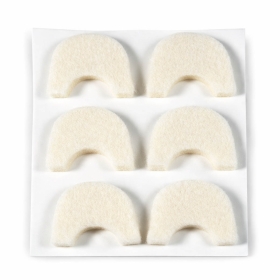
Sold: Pack of 36
Incl. VAT Exl. VAT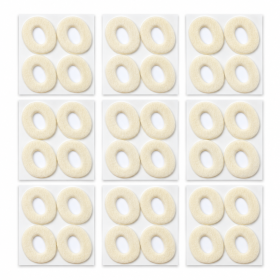
Sold: Pack of 36
Incl. VAT Exl. VATSold: Pack of 36
Incl. VAT Exl. VAT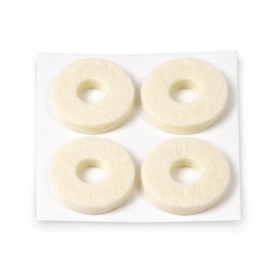
Sold: Pack of 36
Incl. VAT Exl. VAT
Sold: Pack of 600 on 4 Sheets
Incl. VAT Exl. VAT