




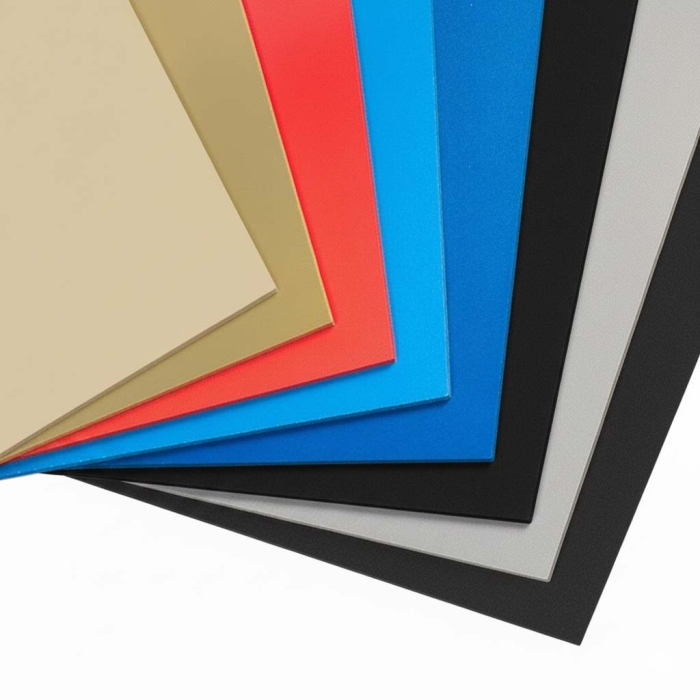
Aortha High Density EVA Foam - Density A65 - Very Firm - 1000 x 800mm
Our High-Density EVA Foam provides a durable and versatile solution for your projects. High density, hard material.
This foam sheet has a very firm density, making it suitable for specific applications.
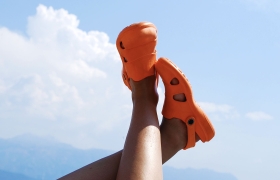
Commonly used for shoe repairs, flooring, marine applications, rigid orthoses and a variety of commercial uses.
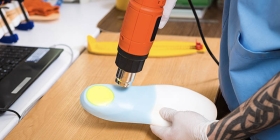
Mouldable between 120°C and 170°C depending on density with an average oven time of 2 minutes per mm.
Sold: Sheet
Incl. VAT Exl. VAT
Product Description
High-Density EVA Foam Sheet for Firm Orthotic Build-Ups and Structural Components
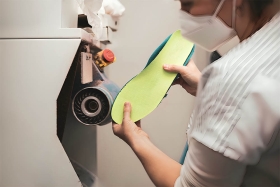
This very firm EVA foam sheet is designed for applications where shape retention, durability and dependable support matter. It is commonly chosen for orthotic fabrication, heel lifts, shoe raises, wedge bottoms and rigid support components where a softer foam would compress too easily.
For clinicians, technicians and workshop users, it offers a practical material for heat moulding, shaping and finishing. For buyers comparing foam densities, this option sits at the firmer end of the range and is better suited to structural use than soft cushioning.
Key selling points
- Very firm A65 density for more structural applications.
- Suitable for heel lifts, shoe lifts, rigid orthotic elements and wedge builds.
- Heat mouldable for custom shaping and contouring.
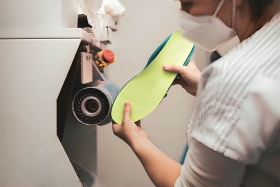
- Can be fine-sanded and finished for adjustment work.
- Washable, durable and made for repeated workshop handling.
- Useful for podiatry, orthopaedics and wider commercial fabrication tasks.
What it does and how it works
EVA foam works by combining low weight with controlled firmness, helping create components that can support, elevate or stabilise without the weight of harder solid materials. In practice, this makes it useful when you need more structure underfoot or within footwear.
This grade is heat mouldable, so it can be softened, shaped and then allowed to cool into the required form. That makes it suitable for custom fabrication where fit, height or angle need to be tailored to the individual device or footwear build.
Common problems it may help with
This material is not a finished treatment on its own, but it can be used in devices intended to help with pressure redistribution, leg length accommodation, heel elevation and structural support. It is often selected when building orthotic or footwear components for people who need more control than a soft or medium-density foam can provide.
- Creating heel lifts or shoe raises where extra height is required.
- Building rigid or semi-rigid orthotic components.
- Producing wedge bottoms and supportive underfoot structures.
- Fabricating workshop or commercial foam parts that need firmness and shape retention.
Applications and suitability
- Podiatry and orthotic workshops.
- Orthopaedic fabrication and shoe modification.
- Custom heel raising and lift work.
- Rigid orthosis construction and component layering.
- Commercial or technical uses where firm EVA sheet is needed.
- Also commonly used for flooring, marine applications and cosplay designs.
This is generally best suited to professionals, technicians or experienced users selecting material by density and intended function.
Who it may not suit
- Anyone looking for a soft cushioning layer for comfort-first applications.
- Users wanting a ready-to-wear insole or finished orthotic rather than raw material.
- Projects that require a highly compressible foam for pressure-softening rather than structural support.
- Buyers unsure about sheet size or density, where confirming the exact selected option before ordering would be sensible.
Product specifications
| Material type | High-density EVA / PE foam sheet |
|---|---|
| Density / hardness | A65 Shore hardness, described as very firm |
| Typical format | Sold per sheet |
| Primary use | Orthotic fabrication, heel lifts, shoe raises, rigid orthotic components, wedge bottoms and other structural applications |
| Heat mouldable | Yes |
| Heating guide | For A65 at 15mm thickness, 120–150°C for approximately 30–140 seconds, with staged testing advised according to thickness, sheet size and heat source |
| Upper processing caution | General EVA processing guidance states material should not be heated above 200°C due to risk of degradation |
| Reported sheet size information | The product title lists 1000 x 800mm, while the description text also refers to 1000 x 1000mm. Confirm the selected size before purchase where exact dimensions are critical. |
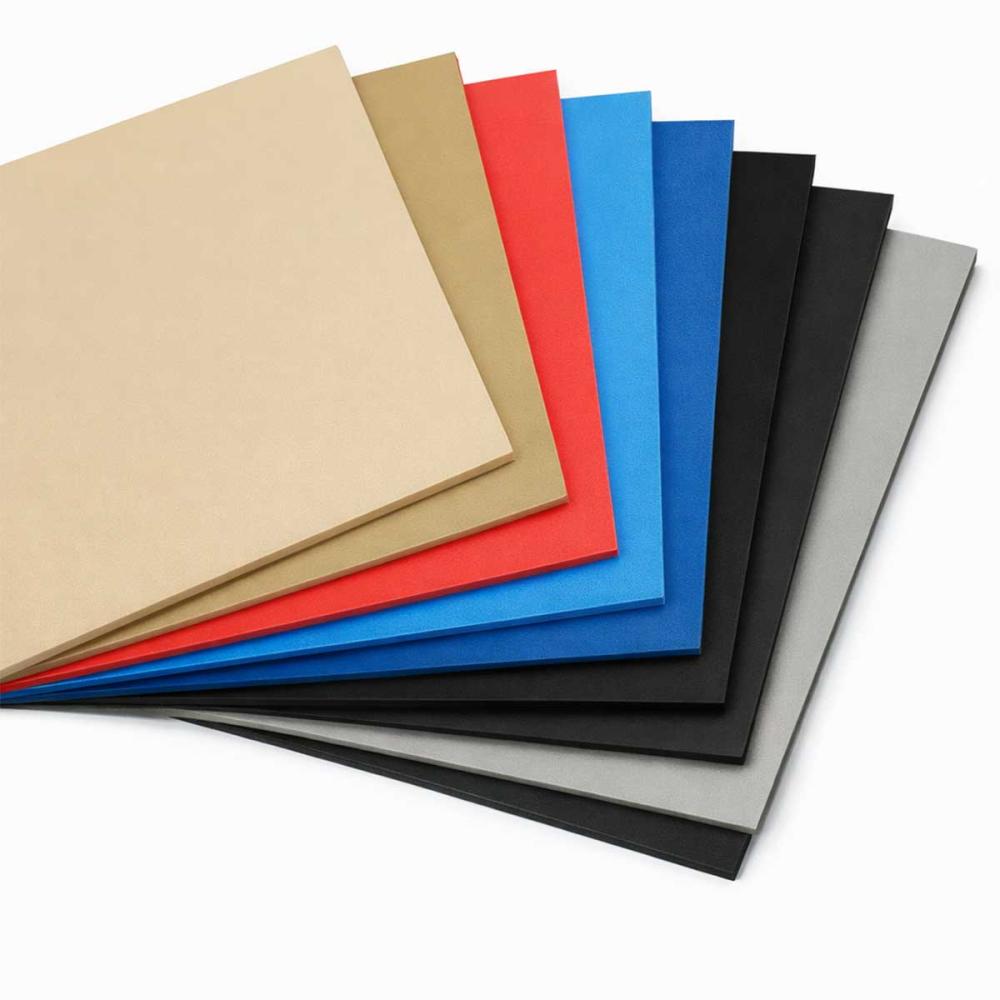
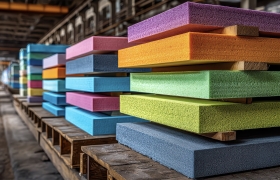
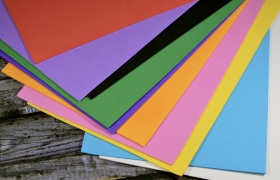
| Appearance | Sheets or roll form, assorted colours |
| Water solubility | Insoluble in water |
Usage instructions
Select this material when a firm, structural foam is needed rather than a soft top cover or cushioning layer. Cut the sheet to size, heat gradually within the recommended processing range, then mould and finish as required for the device or modification being produced.
Heating time should be adjusted for thickness, sheet size and the type of heat source used. A staged approach is recommended, especially when trialling a new thickness or workshop set-up, because direct infrared heat can act more aggressively than circulating air systems.
Benefits
- Helps create firmer orthotic builds with more control and less compression.
- Supports precise customisation through heat moulding and finishing.
- Useful where long-lasting shape retention is important.
- Lightweight compared with many more rigid alternative materials.
- Suitable for both clinical fabrication and broader workshop use.
Eco-friendly Foam Materials
Our trusted manufacturer has achieved both the Recycled Claim Standard (RCS) and Global Recycled Standard (GRS) certifications in 2024. These globally recognised certifications affirm their dedication to sustainable production, responsible sourcing, and reducing the environmental impact of plastics.
The RCS and GRS certifications enable companies to verify recycled content in their products (at least 20% recycled content with full traceability process), ensuring transparency for retailers and consumers, increased use of recycled materials and demonstrating leadership in ethical and eco-conscious manufacturing practices. Additionally, these certifications ensure the manufacturer promotes social responsibility, ethical labour practices and workplace conditions.
Contraindications & warnings
- This is a raw fabrication material, not a finished medical device for direct self-treatment.
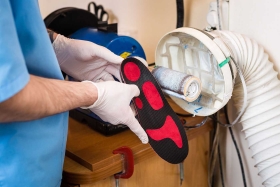
- During thermal processing, efficient ventilation in the working area is required.
- Local exhaust ventilation is recommended where dust or fumes may be generated.
- Use suitable eye, hand and respiratory protection where workshop conditions require it.
- Do not overheat. EVA may degrade at excessive temperatures and can produce fumes.
- Store in a cool, dry place and protect from fire.
FAQ: What is this high density EVA foam sheet used for?
It is typically used as a firm fabrication material for orthotic and footwear modification work. Common uses include heel lifts, shoe raises, rigid orthotic components, wedge bottoms and other applications where structure matters more than softness.
FAQ: Is this a cushioning foam?
Not in the comfort-first sense. This A65 grade is a very firm EVA, so it is better suited to support, build-up and structural work than to soft pressure-relief cushioning layers.
FAQ: Can it be heat moulded?
Yes, this sheet is intended to be heat mouldable. The published guidance recommends adjusting temperature and exposure time according to thickness, density, sheet size and the heat source being used, rather than relying on one fixed setting for every job.
FAQ: Who would usually buy this material?
This kind of EVA sheet is commonly used by podiatrists, orthotic technicians, footwear modification specialists and workshop users who need to fabricate or adjust custom components. It can also be used for wider commercial applications where a very firm foam sheet is needed.
FAQ: Is it suitable for making heel lifts or shoe raises?
Yes, those are among its common uses. Its firmer density makes it a practical option where a lift or raise needs to hold its shape well under load rather than flatten quickly over time.
FAQ: Can I use it for a finished insole on its own?
That depends on the design and the intended function, but this product is generally selected as a raw material rather than a finished insole. Many users would pair it with other layers or coverings depending on the level of comfort, support and finish required.
FAQ: Are there any safety points to be aware of when heating it?
Yes. Ventilation is important during thermal processing, and overheating should be avoided because EVA can degrade at excessive temperatures. Good workshop practice also includes using suitable eye, hand and respiratory protection where cutting, sanding or heating conditions justify it.
FAQ: Why should I check the size before ordering?
The available page information includes both 1000 x 800mm in the product title and 1000 x 1000mm in the description text. If sheet dimensions are important for your job, it is sensible to confirm the exact selected option before purchase.
Product Summary
This high-density A65 EVA foam sheet is a very firm, heat-moldable material for orthotic fabrication, heel lifts, shoe raises and other structural applications. It is best suited to users who need durability, shape retention and controlled support rather than soft cushioning.
Related Downloads
Frequently bought together
Sold: Each
Incl. VAT Exl. VAT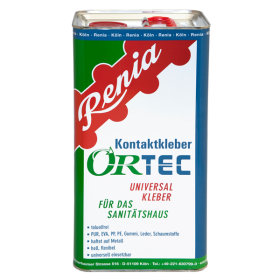
Sold: 3 Sizes
Incl. VAT Exl. VAT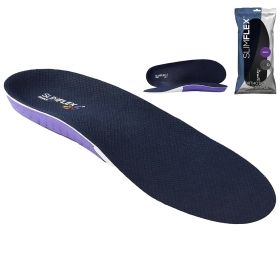
Sold: Sold per Pair
Incl. VAT Exl. VAT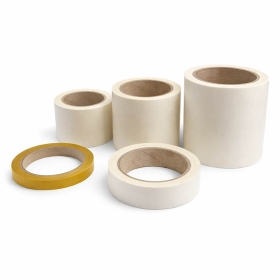
Sold: Sold per Roll
Incl. VAT Exl. VAT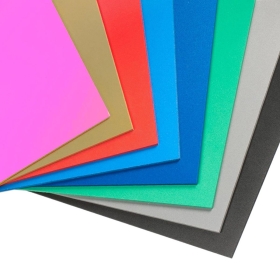
Sold: Sheet
Incl. VAT Exl. VAT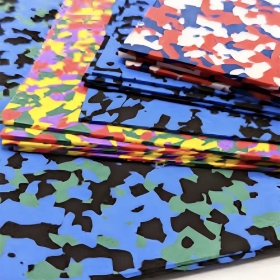
Sold: Sheet Size: 1000 x 1000mm
Incl. VAT Exl. VAT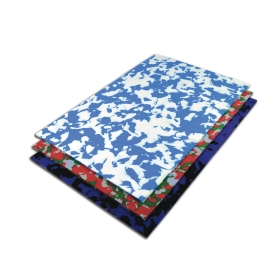
Sold: Sheet Size: 1000 x 1000mm
Incl. VAT Exl. VAT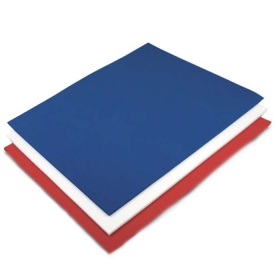
Sold: Sheet Size: 1000 x 1000mm
Incl. VAT Exl. VAT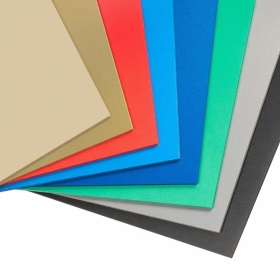
Sold: Sheet size: 1000 x 1000mm
Incl. VAT Exl. VAT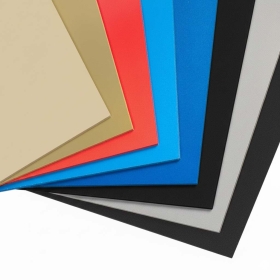
Sold: Sheet size: 1000 x 1000mm
Incl. VAT Exl. VAT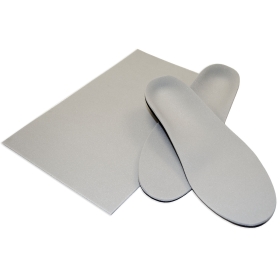
Sold: Sheet
Incl. VAT Exl. VAT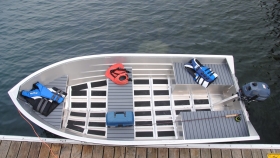


Sold: Sheet
Incl. VAT Exl. VAT