





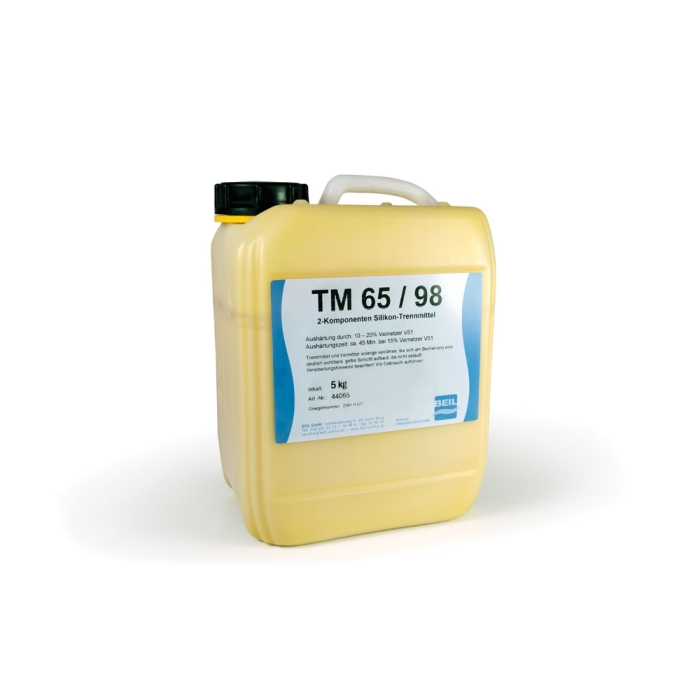
2 Part Gypsum Release Agent - 5kg
2 Part Gypsum Release Agent TM 65/98.
Used for working with polyurethane foam systems.

Product Description
Silicone-Based Workshop Release Agent
A professional two-component silicone rubber separating agent designed to form a thin, durable release skin for clean demoulding in polyurethane foam and model production work.
Best for: Orthotic and prosthetic workshops, footwear manufacturers, model makers and production environments using polyurethane foam systems.
Not ideal for: One-step, single-component release applications where mixing and curing control are not possible.
- Forms a 0.15–0.30 mm silicone skin
- Supports repeated use of plaster casts
- Suitable for sealing humid plaster models
What is it?
TM 65/98 is a yellow, two-component separating agent based on silicone rubber. It is designed to create a consistent and reliable release layer between mould components during production processes, particularly when working with polyurethane foam systems.
When mixed with its curing agent, the material forms a flexible silicone skin that bonds to the mould surface while allowing clean separation from foam or cast materials. This thin, controlled barrier layer helps protect mould surfaces and supports dependable demoulding without residue build-up.
The product is engineered for workshop environments where consistency, surface quality and repeat use of models are important factors in daily production.
Who is it for?
TM 65/98 is intended for professional use in technical and fabrication settings, including:
- Orthotic and prosthetic laboratories
- Footwear manufacturing and last production workshops
- Insole and footbed manufacturers using PU foam systems
- Model makers and casting technicians
- Educational institutions teaching casting and moulding techniques
- Industrial workshops requiring controlled mould separation
It is particularly suited to environments where plaster casts, shapes and workpieces are used repeatedly and need surface protection between production cycles.
What is it used for?
When working with polyurethane foam systems, safe and reliable separation is a basic requirement for consistent results. TM 65/98 supports separation:
- Between shape and model
- Between shape and workpiece
By forming a defined silicone skin, it reduces adhesion between surfaces, enabling clean demoulding and helping to maintain surface definition on both mould and finished component.
Applications
- Release layer for polyurethane foam moulding
- Separation between plaster casts and foam systems
- Sealing humid plaster casts prior to production
- Extending usable life of production models
- Workshop demoulding processes requiring residue-free separation
Characteristics
- Two-component silicone rubber formulation
- Forms a 0.15 to 0.30 mm thick silicone skin
- Supports clean lasts without residues
- Allows plaster casts to be reused multiple times
- Suitable for rinsing out humid plaster casts
- Acts as both separating agent and sealing layer
Typical Users
- Technicians producing PU foam footbeds
- Orthotic laboratories using plaster positive models
- Footwear last modification workshops
- Industrial casting environments
How to work with it
- Measure and mix with curing agent V51 at the recommended ratio
- Apply evenly to the mould or plaster surface
- Allow to cure fully before introducing foam or casting materials
- Inspect surface coverage before production use
Expected Use Timeline
First use
Once mixed with the correct proportion of curing agent and applied evenly, TM 65/98 begins curing to form a silicone skin. After full hardening, the mould surface is ready for production use.
Ongoing use
With correct application, the silicone layer supports multiple demoulding cycles. Over time, wear or mechanical abrasion may require reapplication depending on workshop intensity and handling methods.
Regular inspection of mould surfaces is recommended to maintain consistent separation quality.
Problem → Solution
| Common problem | How the product helps |
|---|---|
| Polyurethane foam adhering to plaster casts | Forms a silicone barrier layer that supports clean separation. |
| Damage to mould surfaces during demoulding | Reduces adhesion, helping protect surface detail and structure. |
| Limited reuse of plaster models | Seals and protects plaster, allowing multiple production cycles. |
| Difficulty working with humid plaster casts | Suitable for sealing and rinsing humid plaster surfaces before use. |
| Residue build-up on moulds | Designed to enable clean lasts without unwanted residues. |
Key Benefits
- Creates a controlled 0.15–0.30 mm silicone release skin
- Supports clean demoulding in polyurethane foam systems
- Helps extend lifespan of plaster casts and models
- Suitable for humid plaster conditions
- Acts as both separating agent and surface sealer
- Designed for dependable workshop production use
Common Mistakes to Avoid
- Incorrect mixing ratio of curing agent, which may affect hardening performance
- Applying uneven layers leading to inconsistent release properties
- Using before full curing is achieved
- Failing to inspect mould surfaces between cycles for wear
How to Work With TM 65/98
- Prepare the mould or plaster surface so it is clean and free from loose debris.
- Measure TM 65/98 base material accurately.
- Add 10–20% curing agent V51 as specified.
- Mix thoroughly until uniform in appearance.
- Apply an even layer to the required surface.
- Allow sufficient curing time before introducing polyurethane foam or casting material.
- After demoulding, inspect the silicone skin and reapply if necessary.
Technical specifications
| Specification | Details |
|---|---|
| Product name | TM 65/98 – Two-Component Separating Agent |
| Colour | Yellow |
| Type | Two-component silicone rubber separating agent |
| Skin thickness formed | Approximately 0.15–0.30 mm |
| Curing method | Add 10–20% curing agent V51 |
| Primary application | Polyurethane foam mould separation |
| Additional function | Sealing humid plaster casts |
| Reusability support | Helps enable multiple uses of plaster casts |
| Pack contents | Base component (curing agent V51 supplied separately unless specified) |
Frequently Asked Questions
Is TM 65/98 ready to use straight from the container?
No. It requires mixing with 10–20% curing agent V51 to achieve proper hardening and formation of the silicone skin.
How thick is the silicone layer it forms?
When applied correctly, it forms a silicone skin approximately 0.15 to 0.30 mm thick.
Can it be used on humid plaster casts?
Yes. It is suitable for sealing and preparing humid plaster casts for production use.
Does it leave residues on moulds?
It is designed to enable clean demoulding without unwanted residues when applied and cured correctly.
How many times can a plaster cast be reused?
Reuse depends on handling and workshop conditions, but the product is intended to support multiple casting cycles by protecting the surface.
Is it suitable for all foam systems?
It is described as fully suitable for polyurethane foam working techniques. Compatibility with other materials should be verified through workshop testing.
Complementary Products
- Polyurethane foam systems for footbed and insole production
- Mixing containers and graduated measuring tools
- Protective gloves and workshop PPE
- Plaster bandages and casting materials
- Surface preparation tools for mould cleaning
Written by: Algeos Product & Clinical Content Team
Last reviewed: February 2026
This content is provided for buyer guidance and product selection support. It is not a substitute for professional training, technical instruction or individual production advice.
Frequently bought together
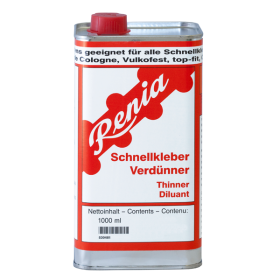
Sold: 1 and 5 Litre Options
Incl. VAT Exl. VAT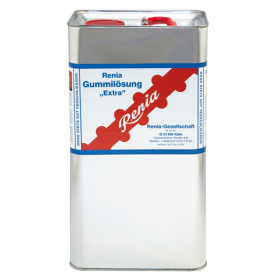
Sold: 2 Sizes
Incl. VAT Exl. VAT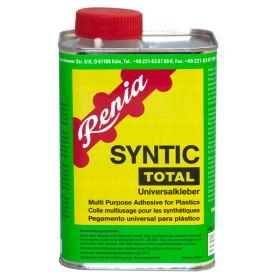
Sold: 2 Sizes
Incl. VAT Exl. VAT
Sold: 2 Sizes
Incl. VAT Exl. VAT
Sold: 3 Sizes
Incl. VAT Exl. VAT
Sold: 1 Litre
Incl. VAT Exl. VAT
Sold: Each
Incl. VAT Exl. VAT
Sold: Each
Incl. VAT Exl. VAT
Sold: Each
Incl. VAT Exl. VAT
Sold: Each
Incl. VAT Exl. VAT
Sold: 15kg Tub
Incl. VAT Exl. VATSold: 15kg Tub
Incl. VAT Exl. VAT
Sold: 5kg
Incl. VAT Exl. VAT