



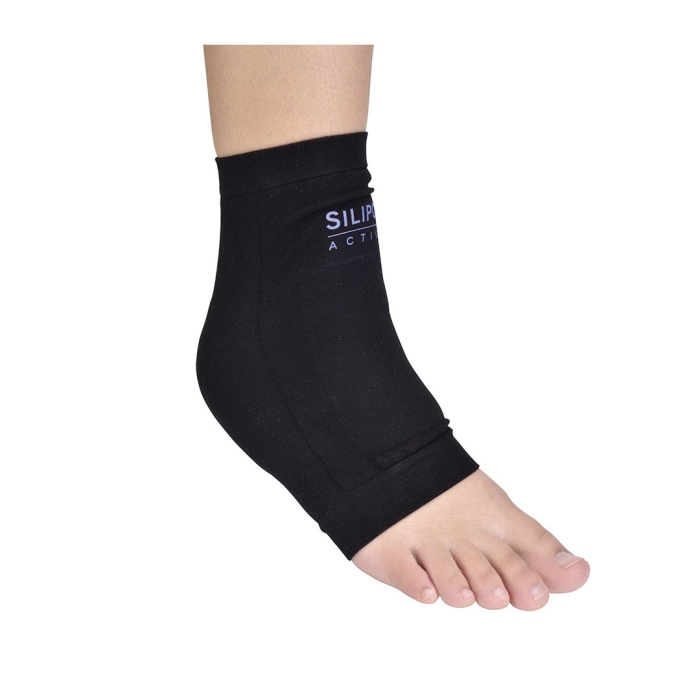
Silipos Active Boot Bumper Ankle Protector
Ankle Protector is designed with 2 gel pads, one to protect the ankle and one to protect the dorsal part of the foot.
Suitable for use with a wide range of footwear, including athletic shoes, ski boots, skates and cleats.
Reduces friction and discomfort during prolonged use.
Sold: Each
Incl. VAT Exl. VAT
Product Description
Cushioning Ankle Protection for Tight Sports Boots and Shoes
A discreet, lightweight ankle-and-foot bumper designed to reduce pressure, abrasion, and rubbing inside tight-fitting footwear such as ski boots, cleats, skates, and athletic shoes.
Best for: People who experience ankle rubbing, pressure points, or dorsal foot irritation in specialist or snug footwear during sport, work, or long days on your feet.
Not ideal for: Use on open wounds, broken skin, or where significant swelling or circulatory problems require clinical supervision.
- Dual gel pads protect the ankle and the top of the foot
- Light compression without noticeable bulk
- Washable, reusable, hypoallergenic and latex-free
What is it?
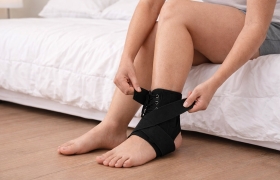
The Silipos Active Boot Bumper Ankle Protector is a wearable protective sleeve that sits around the foot and ankle to help reduce friction and pressure from tight footwear. It is specifically shaped to protect common hot spots around the ankle bones and the dorsal (top) area of the foot, where boots and sports shoes often create rubbing or localized discomfort.
Unlike simple padding that can shift during movement, this protector is designed to fit snugly and stay aligned during activity. The sleeve provides a light compressive feel to help keep it in place, while integrated gel pads create a soft interface between the skin and the footwear.
Silipos gel technology is designed to gradually release medical-grade mineral oil. This can help moisturise the skin surface, which may reduce dryness-related irritation and improve comfort during repeated wear in demanding footwear.
Who is it for?
This product is intended for adults and older teens who regularly wear footwear that is firm, narrow, or close-fitting around the ankle and instep. It is commonly used for high-impact or high-friction activities where boots and performance shoes are worn tightly for control and stability.
Typical users include skiers, skaters, hockey players, footballers and other athletes who wear cleats, as well as people using work boots or other structured footwear that can create pressure points around the ankle. It may also suit anyone who experiences recurring rubbing at the ankle collar of shoes, particularly during longer sessions or multi-day activities.
If you have sensitive skin, the hypoallergenic and latex-free construction may be a helpful feature. As with any wearable support or sleeve, it is important to ensure the fit is comfortable and does not feel restrictive.
What does it help with?
- Ankle rubbing in boots: Helps reduce contact friction where boot collars or stiff uppers rub the ankle.
- Dorsal foot pressure: Provides cushioning over the top of the foot under laces, straps, or boot shells.
- Abrasion and hotspots: Creates a protective barrier that can reduce skin irritation during prolonged wear.
- Dry, easily irritated skin: Mineral oil gel is designed to help keep skin moisturised, supporting comfort.
- Discomfort during high-impact activity: Helps make tight footwear more tolerable during sport and long sessions.
How does it work?
The Boot Bumper combines a soft sleeve with two strategically placed gel pads. When you put on tight-fitting footwear, pressure and movement can create friction between the shoe/boot and the skin. Over time, this can lead to hotspots, irritation, and abrasion—especially around the ankle bones and the top of the foot.
The gel pads act as a cushioning interface: they absorb and distribute localised pressure and reduce direct rubbing. At the same time, the sleeve provides light compression to help maintain positioning, reducing the chance of the pads migrating during movement.
The mineral oil gel is designed to release moisturising oil gradually. Keeping skin conditioned may help reduce the discomfort associated with dryness and repeated friction, particularly in environments where boots are worn for hours at a time.
Expected comfort and use timeline
First use: The sleeve should feel snug and supportive. The gel pads may feel noticeably soft at first, especially in areas that typically rub. If you feel pinching or throbbing, remove and reassess sizing or placement.
Short-term (first few days): As you find the best placement and adjust your footwear fit, many users notice fewer hotspots and less post-activity tenderness. Moisturising benefits are usually subtle and vary depending on skin type and activity level.
Ongoing use (weeks): With regular use and proper care, the protector is designed to provide consistent cushioning and help maintain a more comfortable interface between skin and footwear. As footwear liners pack down over time, you may want to revisit your positioning and sizing.
Problem and solution overview
| Common problem | How the product helps |
|---|---|
| Ankle bones rubbing against stiff boot collars | Gel pads cushion the ankle area and reduce direct friction. |
| Hotspots on the top of the foot under laces or straps | Second gel pad protects the dorsal foot and spreads pressure. |
| Abrasion during long sessions (ski days, training, matches) | Creates a protective barrier and helps reduce rubbing over time. |
| Dry or sensitive skin that becomes irritated in boots | Mineral oil gel is designed to moisturise and soften the skin surface. |
| Padding that shifts inside footwear | Light compression sleeve helps keep gel pads aligned where needed. |
Key benefits
- Dual gel pads protect both the ankle and the top of the foot
- Designed for tight, performance footwear such as ski boots, skates and cleats
- Lightweight feel with light compression and minimal added bulk
- Helps reduce friction, abrasion and pressure-related discomfort
- Mineral oil gel is designed to help moisturise and condition the skin
- Washable and reusable for repeated use
Fit and comfort check
Snug, not painful: The protector should feel close-fitting so it stays in place, but it should not cause numbness, tingling, throbbing, or a “tight band” sensation. If any of these occur, remove it and reassess size or placement.
Check footwear fit: Tight footwear plus added cushioning can change fit. If your boot or shoe becomes uncomfortably tight, consider adjusting lacing, buckles, or selecting a different size of protector.
Skin checks: For prolonged wear, remove periodically (when practical) and check for redness, blistering, or areas of excessive pressure.
Common mistakes to avoid
- Choosing a size that feels restrictive to “stop movement” (over-tight fit can increase pressure)
- Wearing for long periods without checking the skin, especially on the first few uses
- Assuming it will fix poor boot fit or a boot that is the wrong size
- Using on broken skin or continuing use despite worsening irritation
How to use
- Ensure the foot and ankle are clean and dry before application.
- Slide the protector over the foot and position it so the gel pads cover the areas that typically rub (ankle and top of foot).
- Put on your sock (if you prefer wearing it under the sock) or place it directly against the skin (if comfortable and appropriate for your footwear). Choose the option that feels most stable and comfortable for your activity.
- Put on footwear carefully, ensuring the protector remains in position and does not fold.
- After activity, remove the protector and check the skin. If irritation is present, reduce wear time and reassess fit.
- Wash according to the care guidance below and allow it to dry before reuse.
Practical tip: When using with very tight boots (for example, performance ski boots), put the protector on before stepping into the boot and keep it smooth as you slide in. Any folds can create new pressure points.
Technical specifications
| Product type | Ankle and dorsal foot protector sleeve with gel pads |
|---|---|
| Gel pad configuration | Dual gel pads (ankle and dorsal/top-of-foot protection) |
| Gel properties | Designed to release medical-grade mineral oil to soften and moisturise the skin |
| Fit | Light compression, low-bulk design |
| Sizes | Small/Medium: 19–23 cm (7.5–9 in) Large/X-Large: 23–27.5 cm (9–10.75 in) |
| Recommended use | Athletic shoes, ski boots, skates, cleats and other tight-fitting footwear |
| Latex content | Latex-free |
| Hypoallergenic | Yes |
| Care and cleaning | Washable and reusable (wash gently and allow to air dry) |
| Pack contents | 1 ankle protector (pack contents may vary by supplier packaging) |
Frequently asked questions
Where should the gel pads sit?
Position the protector so one gel pad covers the ankle area that rubs (often around the ankle bones) and the other covers the top of the foot where you feel pressure from laces, straps, or a boot shell. Small adjustments can make a big difference.
Can I wear it with ski boots?
Yes. It is designed for use with tight-fitting, specialist footwear such as ski boots and can help reduce rubbing during long wear. Ensure your boot fit remains comfortable once the protector is in place.
Should I wear it under or over my sock?
Many people wear it against the skin for direct cushioning, while others prefer it under a sock for easier layering and to reduce movement. Choose the option that feels most secure and comfortable in your footwear.
Will it stop blisters completely?
It is designed to reduce friction and abrasion, which can lower the chance of blistering, but results vary. Footwear fit, moisture, sock choice, and activity duration all influence blister risk.
Is it bulky?
It is designed to be lightweight and discreet. However, in very tight boots, any added layer can change fit. If your boot feels too tight, reassess sizing or adjust your boot setup.
How do I clean it?
Wash gently using mild soap and water, then allow it to air dry thoroughly before reuse. Avoid high heat sources that may affect the material.
Can I use it if I have sensitive skin?
The protector is hypoallergenic and latex-free. If you are prone to irritation, start with shorter wear periods and check the skin after use.
Complementary and pairing suggestions
- Moisture-wicking sports socks to help manage sweat and reduce rubbing
- Boot-fitting adjustments (liners, footbeds, or lacing/buckle setup) to improve overall comfort
- Protective skin care routines for high-friction areas (gentle cleansing and moisturising when not wearing the protector)
Content credibility
Written by: Algeos Product & Clinical Content Team
Last reviewed: January 2026
This content is intended to support informed purchasing decisions and general product understanding. It does not provide diagnosis or medical advice.
Frequently bought together
Sold: Sold Individually
Incl. VAT Exl. VAT
Sold: Each
Incl. VAT Exl. VAT
Sold: pair
Incl. VAT Exl. VATSold: pair
Incl. VAT Exl. VAT
Sold: Pack of 6
Incl. VAT Exl. VAT
Sold: Pack of 4
Incl. VAT Exl. VAT
Sold: each
Incl. VAT Exl. VAT
Sold: Each
Incl. VAT Exl. VAT
Sold: Each
Incl. VAT Exl. VAT
Sold: Each
Incl. VAT Exl. VAT
Sold: Sold Individually
Incl. VAT Exl. VAT
Sold: Each
Incl. VAT Exl. VAT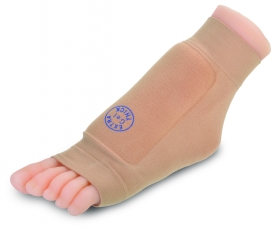
Sold: Sold Individually
Incl. VAT Exl. VAT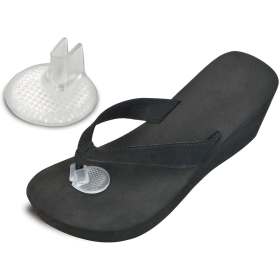
Sold: Pack of 2
Incl. VAT Exl. VAT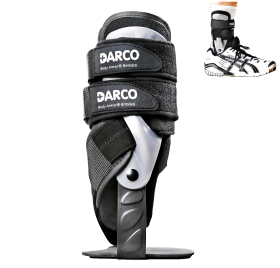
Sold: Each
Incl. VAT Exl. VAT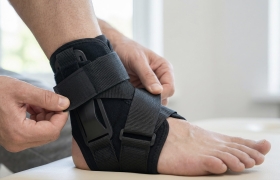
Sold: Each
Incl. VAT Exl. VAT