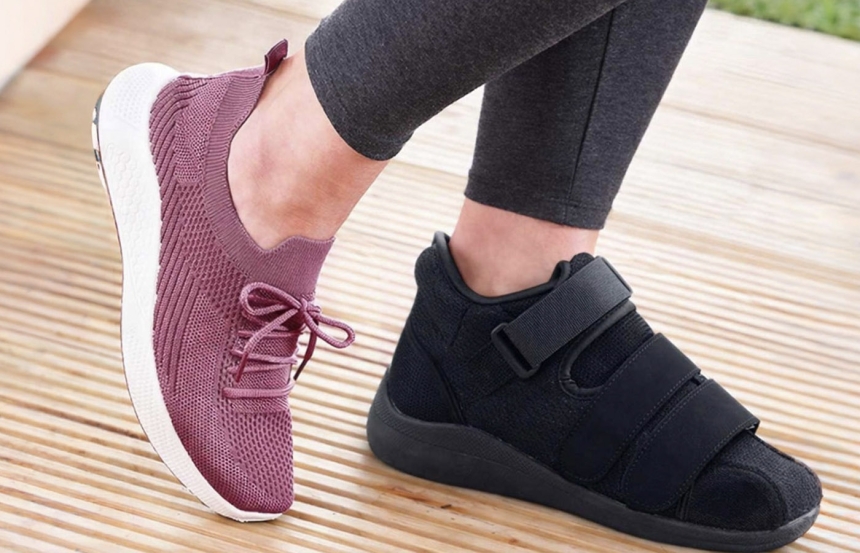




A post-op shoe (post-operative shoe) is a medical footwear device used after foot surgery, fractures, ulcer care or soft-tissue procedures to protect the foot and reduce stress during walking.Â
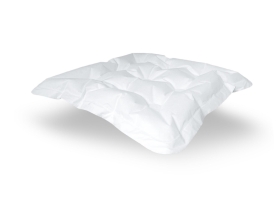
Seat All - Back and Seat CushionÂŁ17.58 ÂŁ14.65
Our Pressure Sore Cushions range offers practical, effective solutions for anyone at risk of pressure ulcers or experiencing discomfort from prolonged sitting.
Designed to redistribute body weight and reduce high-pressure areas, these specialised cushions support skin integrity and enhance comfort in everyday use, whether at home, in care settings or on the move.
From inflatable donut and air-cell cushions to gel-enhanced and tailored sacral designs, each product targets pressure relief across vulnerable areas such as the buttocks and coccyx.

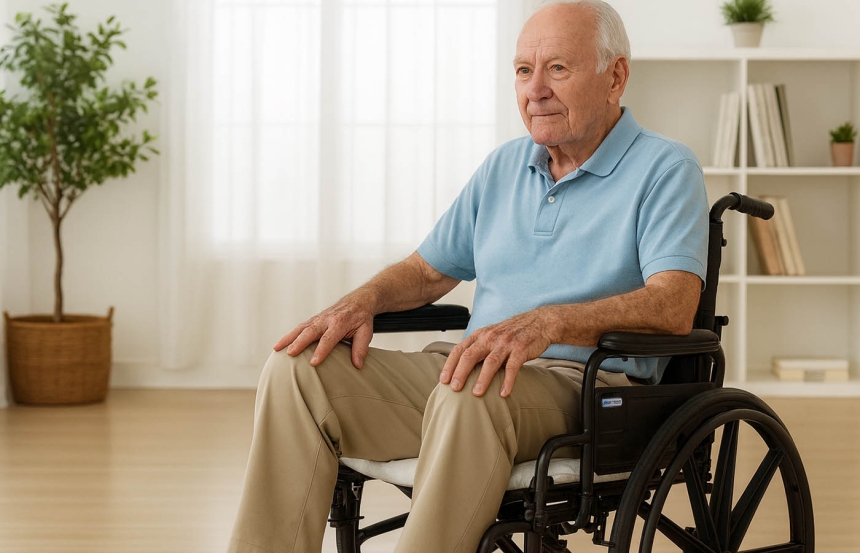
Pressure sore cushions for the bottom are an essential part of pressure ulcer prevention and management for anyone who spends prolonged periods sitting. Whether used in the home, workplace, wheelchair or care environment, the right cushion can significantly reduce discomfort, protect vulnerable skin and support long-term tissue health.
Pressure sore cushions are specially designed seating supports that redistribute body weight away from high-risk areas such as the buttocks, sacrum and coccyx. By reducing sustained pressure and shear forces, they help lower the risk of pressure ulcers (also known as pressure sores or bedsores) forming on the skin.
These cushions are commonly used by people with reduced mobility, neurological conditions, post-surgical recovery needs, or existing pressure damage. They are also widely recommended by healthcare professionals as part of a broader pressure care strategy.
When sitting for long periods, blood flow to compressed tissues can become restricted. Over time, this lack of circulation can lead to skin breakdown, pain and ulcer formation. The buttocks and tailbone are particularly vulnerable due to limited natural padding and direct contact with seating surfaces.
A well-designed pressure sore cushion helps:
There is no single “best” cushion for everyone. The most suitable option depends on mobility level, risk category, and daily use environment.
High-density foam cushions provide basic pressure redistribution and postural support. They are lightweight, affordable and suitable for low-risk users or short-term sitting.
Gel cushions mould to the body’s shape, offering enhanced pressure relief and improved comfort. They are particularly useful for managing heat build-up and reducing friction.
Inflatable or air-cell cushions provide dynamic pressure redistribution by allowing air to move between chambers. These are often recommended for individuals at higher risk of pressure ulcers or with existing skin damage.
These cushions are designed to offload pressure from specific areas, such as the tailbone or a sore site. They are commonly used for post-surgical recovery, haemorrhoids or coccyx pain but should be selected carefully for pressure ulcer management.
When selecting a pressure sore cushion for the bottom, consider the following factors:
Healthcare professionals may use tools such as the Waterlow or Braden Scale to assess pressure risk and recommend an appropriate cushion type.
Even the best cushion should be used as part of a wider pressure care plan. Regular repositioning, skin inspection, good nutrition and appropriate hygiene all play a role in preventing pressure sores.
Ensure the cushion is correctly positioned, securely fitted to the chair, and checked regularly for wear, air loss or compression. Covers should be breathable, removable and easy to clean to support infection control.
Pressure sore cushions for the bottom are suitable for:
At Algeos, our range of pressure sore cushions for the bottom includes clinically trusted solutions designed to improve comfort, protect skin integrity and support everyday sitting. Whether you’re looking for preventative care or targeted pressure relief, you’ll find reliable options suitable for home and professional use.
Explore the range to find the right cushion to support comfort, safety and long-term pressure care.
February 12, 2026
A post-op shoe (post-operative shoe) is a medical footwear device used after foot surgery, fractures, ulcer care or soft-tissue procedures to protect the foot and reduce stress during walking.Â
November 04, 2025
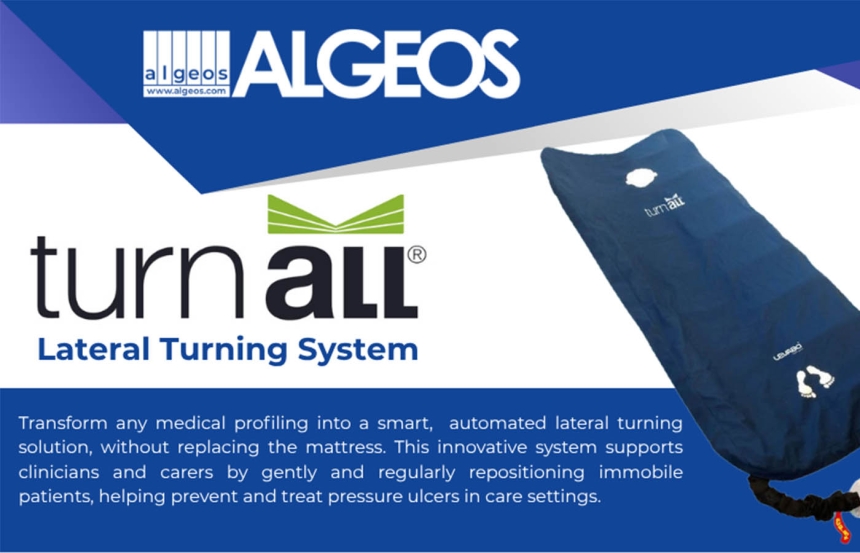
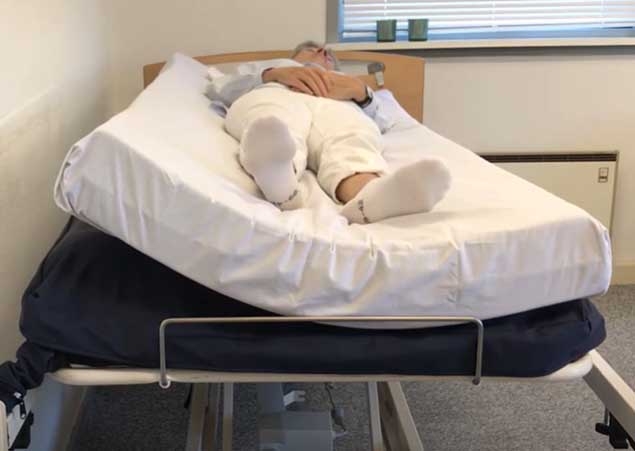
In the challenging world of pressure care, ensuring immobile or high-risk patients receive consistent repositioning is one of the most effective ways to prevent and treat pressure ulcers. In this blog post we explore how an automated lateral turning system.
August 13, 2025
Demand for single-use pressure care cushions - especially disposable pressure-relief cushions - exists across UK hospitals, care homes and community services. The drivers are simple:Â infection prevention and control (IPC), speed and simplicity in high-turnover pathways, and the ongoing need to prevent pressure ulcers.Â
July 31, 2025
Pressure sores (also called pressure ulcers or pressure injuries) are largely preventable. The buttocks - especially the sacrum and ischial tuberosities - are high-risk areas for anyone who sits or lies for prolonged periods, has reduced mobility or experiences incontinence.
June 30, 2025
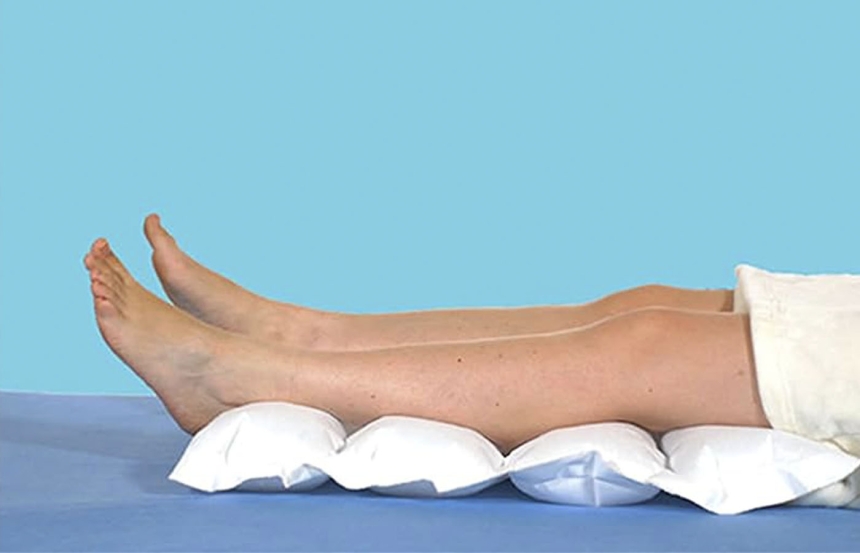
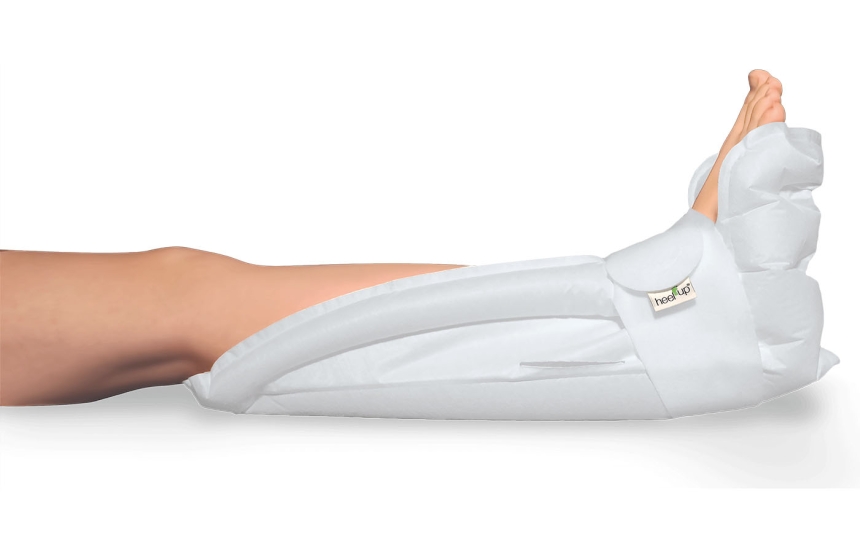
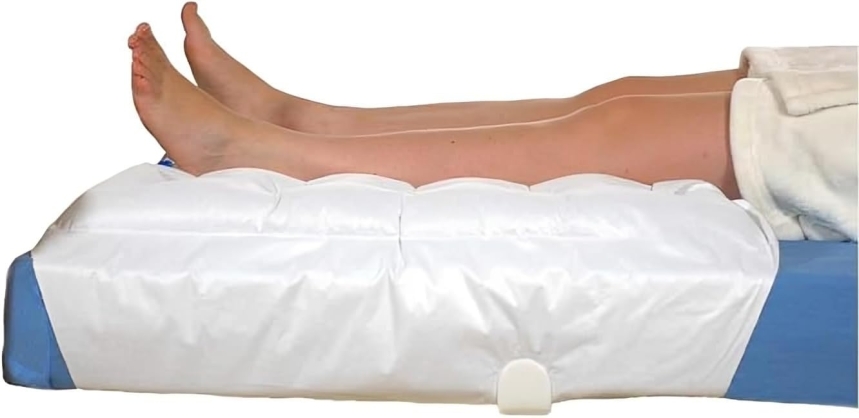
Pressure ulcers, also known as pressure sores, are a significant concern in hospitals and care homes, particularly among immobile or vulnerable patients. The heel is especially prone to ulceration due to its minimal soft tissue padding and frequent contact with bed surfaces. Heel Up pressure relief cushions offer a targeted solution by completely offloading the heel, redistributing pressure, and protecting the skin from injury.
April 06, 2025
In this article, we explore how Levabo products support the effective management of pressure ulcers, examine the best cushions for pressure sores on buttocks, highlight the importance of heel cushions for pressure sores, and provide actionable insights into preventing pressure sores before they begin.
November 21, 2024
Across the UK, over 700,000 people are affected by pressure ulcers each year, at a cost of £3.8 million every day to the NHS1. With an ageing population – as well as increasing prevalence of conditions such as diabetes, heart and kidney diseases, peripheral vascular disease, Alzheimer’s and lower limb oedema – prevention has been more important than ever to reduce waiting lists and improve the lives of those affected.
October 29, 2024
September 10, 2024
Diabetic patients face a higher risk of sepsis due to slow-healing wounds and infections. Early detection through neuropathy testing and using off-loading cushions or advanced insoles like Levabo Heel Up can prevent ulcers from turning into severe infections. Proper foot care, daily inspections, and hygiene are crucial.
On World Sepsis Day, let’s focus on protecting diabetic patients through proactive care and education to reduce the risk of life-threatening sepsis.

Sold: Each
Incl. VAT Exl. VAT