




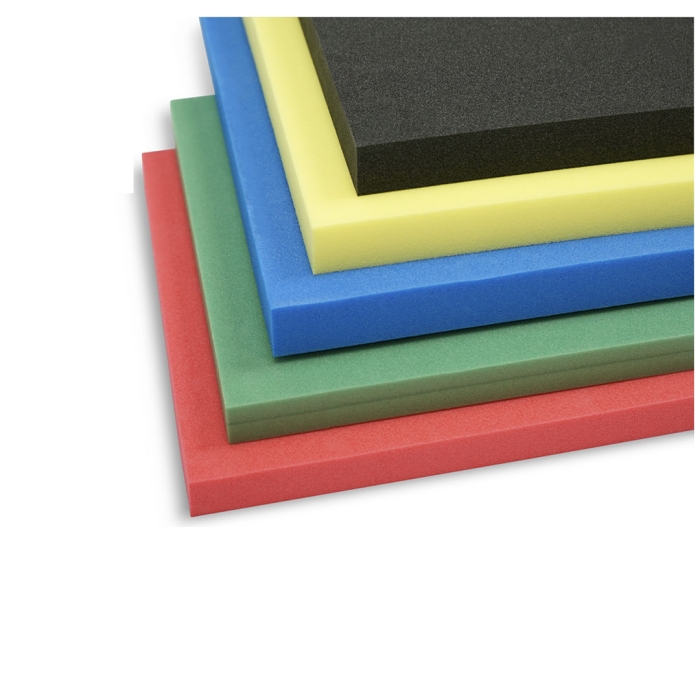

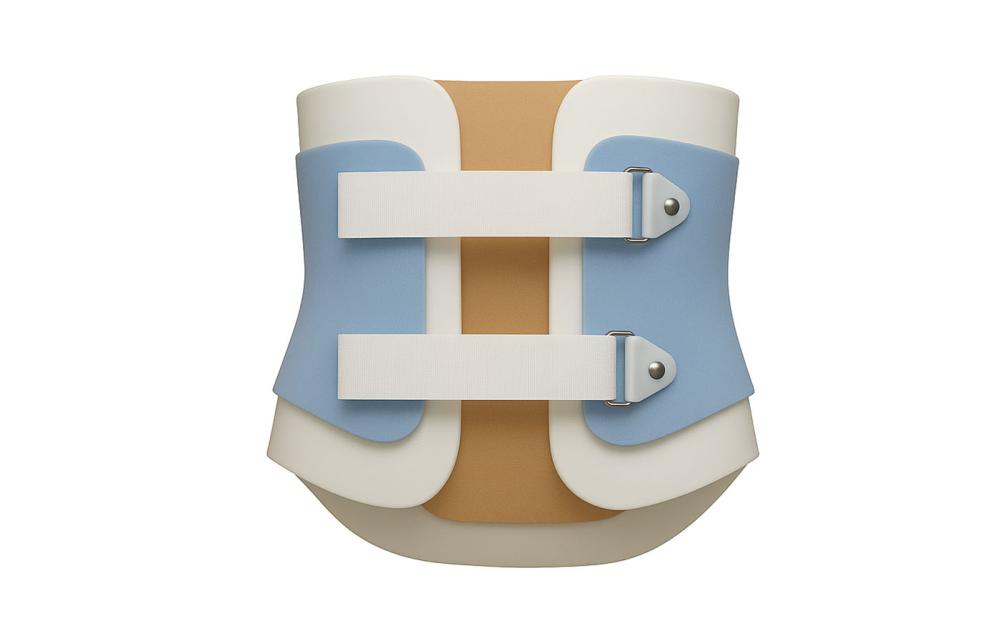
This guide answers 50 of the most common questions people ask about Plastazote, from what it is made from to how it is used in insoles, medical devices, packaging, and specialist technical applications. It is written in a clear, practical style so both professionals and curious buyers can get the gist without needing a chemistry degree and a strong cup of tea.
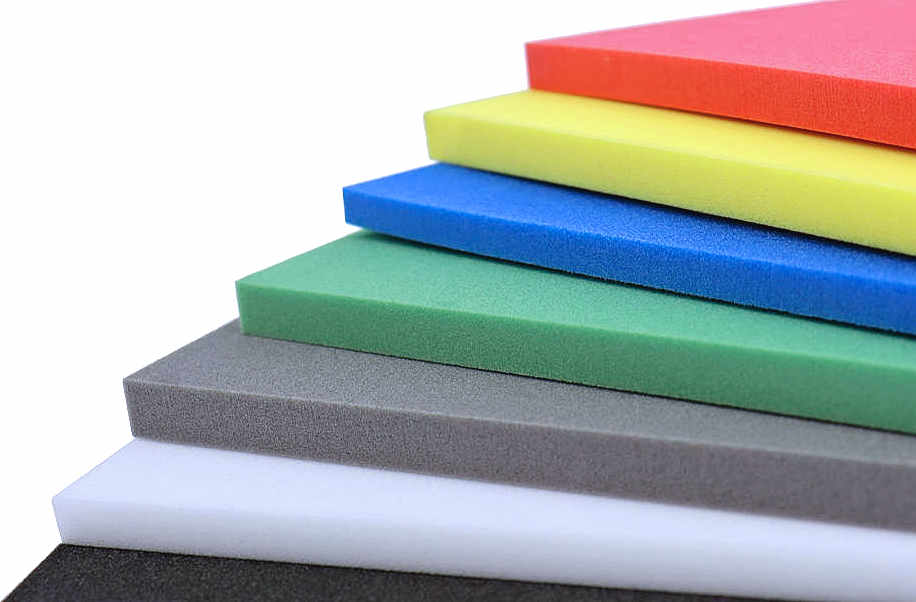
1. What is Plastazote?
Plastazote is a branded closed-cell, cross-linked polyethylene foam. It is used in a wide range of industries where cushioning, cleanliness, durability, and low weight are important.
2. What is Plastazote made from?
It is primarily made from polyethylene that has been cross-linked to improve its consistency and performance. Some variants are engineered for extra properties such as flame retardance or electrostatic control.
3. Is Plastazote a foam or a plastic?
Technically, it is both. It is a plastic material that has been expanded into a foam structure, which is why it combines the benefits of polymer performance with lightweight cushioning.
4. What does closed-cell foam mean?
Closed-cell means the foam contains sealed cells rather than open, interconnected ones. This helps it resist moisture, stay cleaner, and hold its structure better than many open-cell foams.
5. How is Plastazote different from EVA foam?
Plastazote is polyethylene-based, while EVA has different chemistry and performance characteristics. In general, Plastazote is often selected for purity, thermoforming, and medical or orthotic applications.
6. How is Plastazote different from memory foam?
Memory foam is usually slow-recovery polyurethane foam with a softer, sink-in feel. Plastazote is firmer, closed-cell, more water-resistant, and better suited to structured support and fabrication.
7. What are the main uses of Plastazote?
Common uses include orthotics, prosthetics, medical padding, footwear components, packaging inserts, sports protection, and industrial cushioning. It is one of those materials that quietly gets on with the job in a lot of places.
8. Why is Plastazote used in orthotics?
It is used in orthotics because it offers cushioning, pressure redistribution, and comfort against the foot. It can also be heat-formed and shaped to suit custom devices.
9. Why is Plastazote used in prosthetics?
In prosthetic applications, Plastazote is useful where cushioning, skin comfort, and lightweight performance matter. It can be fabricated into custom shapes for liners, padding, and related components.
10. Is Plastazote suitable for insoles?
Yes, Plastazote is widely used in insoles, particularly where pressure relief and cushioning are important. It is especially common in custom, therapeutic, and medical-style insoles.
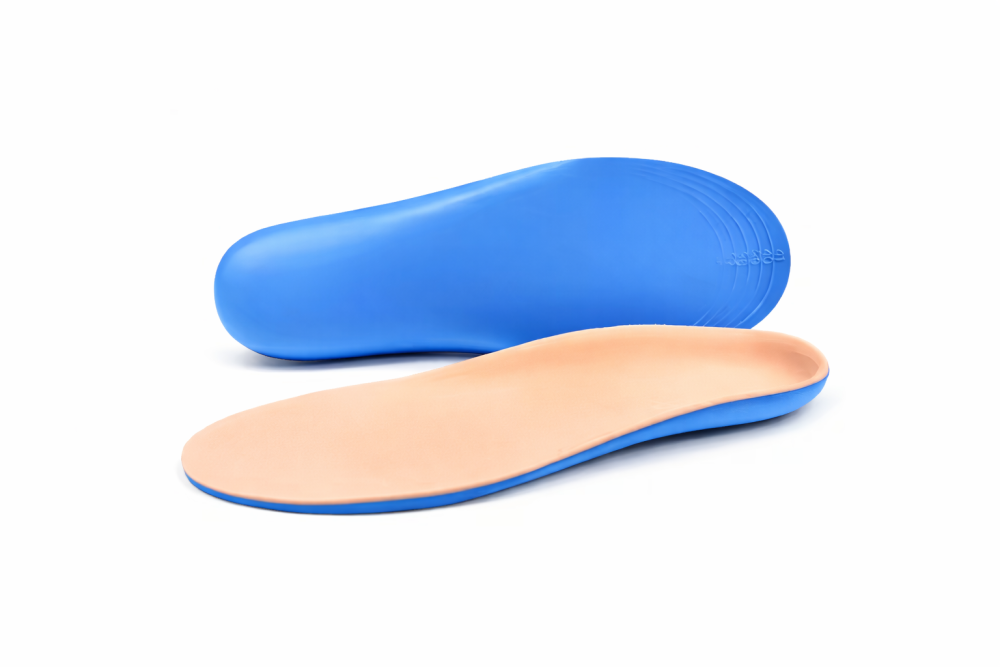
Medical, Footcare and Comfort Applications
11. Is Plastazote good for diabetic footcare products?
It is often used in diabetic footcare because it can help reduce pressure and friction. The exact outcome still depends on the chosen grade and the overall product design.
12. Is Plastazote safe for skin contact?
Plastazote is commonly used in products that come into contact with skin because it is clean, lightweight, and well suited to medical-style applications. Final product safety also depends on adhesives, coverings, and manufacturing methods.
13. Is Plastazote used in medical devices?
Yes, it is widely used in medical and healthcare-related products. This includes orthotic, prosthetic, and patient-support applications where comfort and hygiene are important.
14. Can Plastazote be heat moulded?
Yes, Plastazote is a thermoplastic foam, which means it can be heated and formed. That is one of the big reasons it is so popular in custom fabrication.
15. How do you shape Plastazote?
It can be cut, sanded, ground, and heat-formed depending on the application. Many fabricators cut it roughly first and then refine the shape for a cleaner finish.
16. Can Plastazote be thermoformed more than once?
In many cases, yes, it can be reheated and adjusted. Repeated heating should still be done carefully because too much reworking can affect the finish and performance.
17. What temperatures can Plastazote handle?
The safe temperature range depends on the specific grade and how the material is being used. It is best to check grade-specific technical data rather than assume one number works for everything.
18. Is Plastazote waterproof?
It is best described as highly water-resistant rather than magically invincible to all water, forever, under every condition. Its closed-cell structure helps it resist water absorption much better than open-cell foams.
19. Does Plastazote absorb moisture?
It absorbs very little compared with absorbent foams. That low uptake helps make it practical for footwear, medical, and protective applications.
20. Is Plastazote breathable?
Not especially, because closed-cell foams are not naturally breathable in the same way that fabrics or open-cell foams are. Breathability usually comes from the overall product design rather than the foam itself.
Density, Support and Performance
One of the most important things to understand about Plastazote is that not all grades behave the same. Density has a big effect on softness, cushioning, support, and durability, so choosing the right grade matters quite a lot if you want the result to be useful rather than annoyingly squishy or absurdly firm.
| Performance Factor | What It Usually Means | Why It Matters |
|---|---|---|
| Lower density | Softer feel and more cushioning | Useful for comfort and pressure relief |
| Higher density | Firmer feel and greater support | Better for structure and durability |
| Closed-cell structure | Low moisture uptake | Helps with hygiene and longevity |
| Thermoplastic behaviour | Can be heat formed | Ideal for custom fabrication |
21. How soft is Plastazote?
That depends on the grade. Lower-density options feel softer and more cushioning, while higher-density grades feel firmer and more supportive.
22. What do grades like LD18, LD24, LD33, and LD45 mean?
These labels usually relate to the nominal density of the foam. Higher numbers generally mean denser, firmer material.
23. Which Plastazote density is best for insoles?
There is no single best density for every insole. Softer grades are often used for cushioning, while denser grades may be chosen for more support and longer wear.
24. Which grade is best for cushioning?
Lower-density grades are generally better for cushioning. The trade-off is that they may compress faster under heavy repeated load.
25. Which grade is best for support?
Support usually means moving toward a denser, firmer grade. The right choice depends on bodyweight, activity level, footwear, and whether the foam is being used as a top cover or a structural layer.
26. Is Plastazote durable enough for daily wear?
Yes, many grades are durable enough for repeated everyday use. Durability still varies depending on density, thickness, and how much stress the product takes.
27. How long does Plastazote last?
There is no single lifespan because use conditions vary so much. Softer grades under heavy daily pressure will generally wear faster than firmer, thicker constructions.
28. Does Plastazote compress over time?
Yes, like all cushioning materials, it can compress with repeated use. The rate depends on density, thickness, and loading conditions.
29. Does Plastazote spring back after pressure?
Yes, it has good recovery properties and resists permanent set better than many softer foams. Still, no foam enjoys being sat on, stood on, and generally bullied forever without showing some wear.
30. Is Plastazote easy to clean?
Yes, its closed-cell surface makes it easier to wipe clean than absorbent materials. That is one reason it is useful in medical and footwear applications.
Fabrication, Cleaning and Workshop Use
31. Can Plastazote be washed?
It can usually be wiped down or gently cleaned because it resists water absorption. With finished products, cleaning methods should also suit any coverings or adhesives used.
32. Does Plastazote resist bacteria or odours?
Its closed-cell structure helps because it does not absorb moisture easily. That does not make it automatically antimicrobial, but it can be a cleaner-feeling option than absorbent foams.
33. Can Plastazote be glued?
Yes, Plastazote can be bonded to itself or other materials. The best results depend on surface preparation, adhesive choice, and the exact materials involved.
34. What adhesive works best with Plastazote?
There is no universal answer because workshops use different adhesives depending on flexibility, speed, and the second material being bonded. Testing the adhesive on the exact grade is the sensible move.
35. Can Plastazote be cut with standard tools?
Yes, it can usually be cut with knives, saws, and other common workshop tools. Tool choice depends on the thickness and the accuracy required.
36. Can Plastazote be sanded or ground?
Yes, it can be sanded, ground, and finished as part of the shaping process. This makes it particularly useful in custom orthotic and prosthetic work.
37. Is Plastazote recyclable?
That depends on the local recycling system and the exact product form. In real life, recyclability is often more about local waste infrastructure than marketing optimism.
38. Is Plastazote environmentally friendly?
That is a broad question and depends on how you measure environmental impact. Its durability and low weight may be positives in use, but a fair answer needs a full life-cycle view.
39. What colours does Plastazote come in?
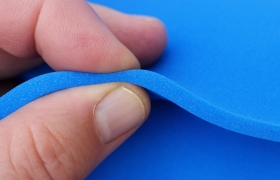
Plastazote is available in a variety of colours depending on the grade and supplier. Availability can vary, so the colour you want may depend on what is actually in stock rather than your deepest emotional preference for blue foam.
40. Is Plastazote available in sheets or blocks?
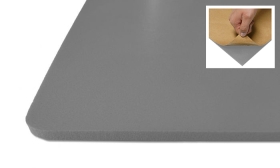
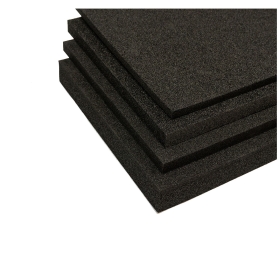
Yes, it is supplied in both sheet and block formats. Sheet form is especially common in footwear, orthotic, and fabrication settings.
Packaging, Technical Grades and Specialist Uses
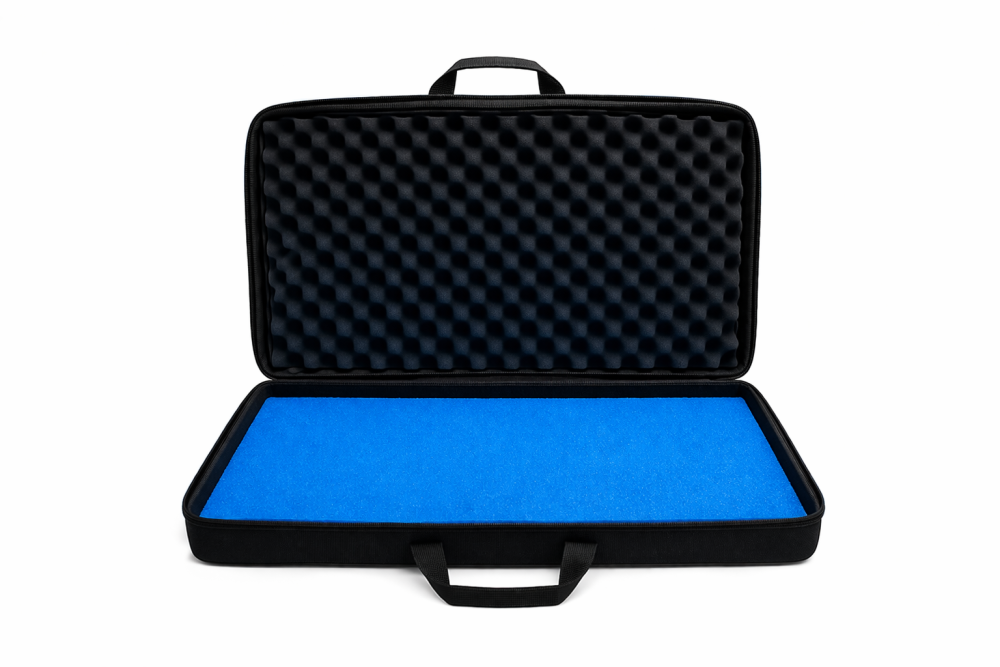
Plastazote is not just a footcare material. It is also widely used in packaging and technical sectors because it can be converted into shaped inserts, used where moisture resistance matters, and supplied in specialist grades for fire retardance or electrostatic protection.
41. What thicknesses are available?
Thickness depends on the supplier and product format. Many distributors offer several sheet thicknesses as well as other converted options. Algeos supply: 3mm, 6mm, 9mm, 12mm and 25mm. Others available on request.
42. Can Plastazote be laminated to other materials?
Yes, it is often laminated or bonded in multi-layer constructions. This is common in orthotic builds, packaging inserts, and protective pads.
43. Is Plastazote suitable for packaging delicate products?
Yes, it is a good option for protective packaging because it is lightweight, cushioning, and easy to fabricate into inserts. It can hold sensitive items securely without adding too much extra weight.
44. Why is Plastazote used in protective packaging?
It combines shock resistance, low weight, and moisture resistance. It also looks neat when converted into custom inserts, which never hurts when presentation matters.
45. Is Plastazote available in flame-retardant grades?
Yes, some grades are produced with flame-retardant properties. These are aimed at applications where safety standards or technical requirements demand them.
46. Is there an anti-static version of Plastazote?
Yes, static-dissipative versions are available for applications where electrostatic control is needed. These are especially useful in electronics-related environments.
47. Is there a conductive grade of Plastazote?
Yes, conductive grades are available for specialist technical uses. These are designed for applications where protection against electrostatic discharge matters.
48. How does Plastazote compare with Poron or polyurethane foams?
Plastazote is generally lighter, less absorbent, and more water-resistant because it is closed-cell. Poron and polyurethane foams may offer different cushioning or rebound characteristics depending on the application.
49. What industries use Plastazote most?
Major sectors include medical, orthotic, prosthetic, packaging, sports protection, industrial fabrication, and electronics packaging. It is one of those behind-the-scenes materials doing far more than most people realise.
50. How do I choose the right Plastazote grade?
Start with the basics: softness, firmness, load, durability, fabrication method, and whether you need extra properties such as flame retardance or electrostatic control. Then match those needs to the relevant grade rather than choosing blindly and hoping for the best.
Summary
Plastazote is a genuinely useful material because it covers a lot of ground without making a fuss about it. Whether you are building orthotics, protecting delicate equipment, or looking for a foam that is clean, durable, and easy to shape, Plastazote is often worth a serious look.
Its performance depends heavily on grade selection, so the smart approach is always to match density, thickness, and specialist properties to the end use. In other words, the foam is clever, but it still needs a clever choice behind it.
Content writer bio
Marc Cameron, Algeos - Marc Cameron is Product Director at Algeos and writes practical guides for clinicians, technicians and informed consumers. His work focuses on turning product knowledge and evidence-informed foot-care principles into clear, usable advice for real-world settings. Profile | Author page


Sold: Sheet
Incl. VAT Exl. VAT