



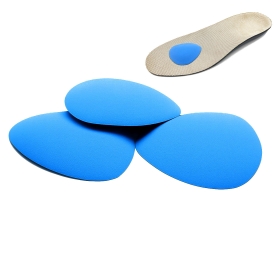
 Podotech Self-Adhesive PU Metatarsal Pads for Insoles£29.14 £24.28
SHOW PRICES WITH OR WITHOUT VAT? MANY BUSINESS CUSTOMERS PREFER TO VIEW PRICES EXCLUDING VAT.
0151 448 1228 (UK)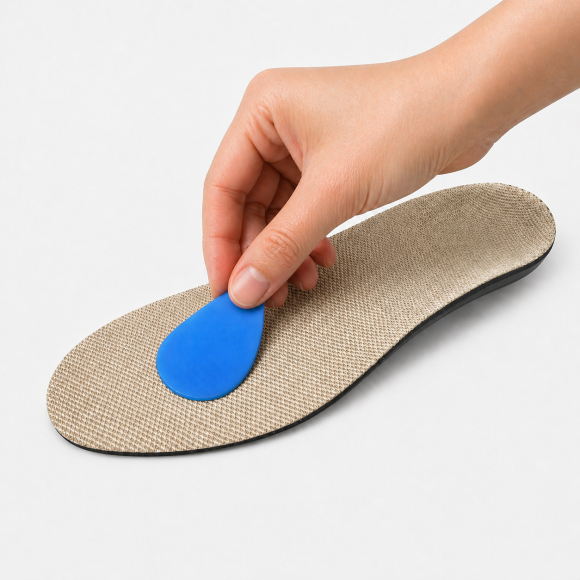
Orthotic Therapy · Forefoot Support
Metatarsal Forefoot Pads for Metatarsalgia and Forefoot Pain
Metatarsal pads are small insole additions designed to sit just behind the ball of the foot, helping to spread load more evenly across the forefoot.
They are commonly used where people need more targeted pressure redistribution for metatarsalgia, Morton’s neuroma symptoms, sesamoid discomfort, forefoot soreness or insole modification work.
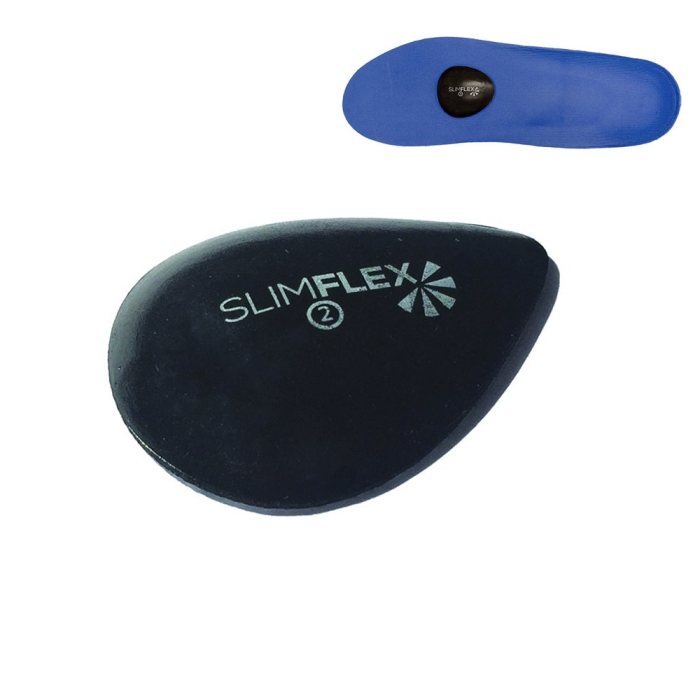
What are metatarsal pads?
Metatarsal pads are shaped additions placed just proximal to the metatarsal heads rather than directly under the painful point.
That positioning can help encourage better load sharing across the forefoot and reduce concentrated pressure in the ball-of-foot area.
They are often used as a simple, practical route within footwear, especially when a full orthotic change is not needed.
In clinic settings they are commonly paired with top covers, wedging and posting, or other functional insole additions.
For some users, they also work well alongside structured arch support insoles.
Who typically looks for them?
Customers looking for a quick self-selection route for forefoot pain relief.
Others users are clinicians (private and NHS) or technicians choosing stock for insole adaptation.
Quick summary: metatarsal pads are usually chosen when the goal is targeted forefoot offloading without replacing the whole insole system.
Why people choose metatarsal pads
Targeted pressure redistribution
Useful when pain is focused at the ball of the foot and a localised offloading approach is preferred.
Simple insole adaptation
Helpful for modifying an existing device rather than replacing a whole pair of insoles.
Different shapes and profiles
Drop, dome, bar, kidney and sulcus styles allow a more tailored forefoot setup.
Clinical and home use
Suitable for podiatry, orthotics and informed self-selection where placement is understood.
Works with broader orthotic systems
Often paired with Slimflex orthotic insoles or Interpod foot orthotics for a more complete biomechanical setup.
Useful across several forefoot presentations
Often considered where symptoms relate to loading, footwear pressure, walking tolerance or standing comfort.
Common types
Different pads do slightly different jobs. Selection usually comes down to profile height, contact area, density and whether you need a self-adhesive insole addition or a wearable gel option.
- Drop and dome shapes: often chosen for general metatarsal lift and focused forefoot offloading.
- Bars and contours: useful when broader support across the forefoot is preferred.
- Kidney or central styles: often selected when placement needs to bias pressure away from a more localised hotspot.
- Sulcus and PMP styles: useful when the desired support extends further into the forefoot.
- Gel sleeves and reusable pads: suitable for people who want cushioning worn directly on or around the foot rather than fixed into an insole.
- OTC versus orthotic adaptation: some products are designed for direct consumer use, while others work best as part of a more structured orthotic setup.
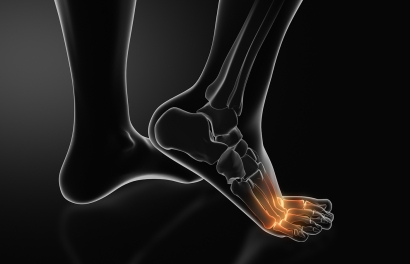
Condition and use-case guide
| Concern or presentation | How a metatarsal pad may help |
|---|---|
| General ball-of-foot soreness or pressure sensitivity | May help spread load away from concentrated forefoot hotspots. |
| Morton’s neuroma symptoms | Can be used to reduce local nerve irritation by changing forefoot pressure patterns. |
| Sesamoid region discomfort | May help reduce stress beneath the forefoot when positioned as part of a wider offloading plan. |
| Existing insole feels too flat under the forefoot | Adds a targeted modification without replacing the whole device. |
| Need for a more complete support setup | A pad alone may not be enough if heel, arch or overall alignment also need addressing. |
How to choose the right pad
- Start with the problem, not the product. Decide whether the issue is general forefoot soreness, pressure beneath specific metatarsal heads, neuroma-like symptoms, or a need to adapt an existing orthosis.
- Check whether you need a pad or a full insole. If heel control, arch support or whole-foot comfort are also missing, compare with full orthotic insoles.
- Choose the shape. Dome and drop styles are often selected for focused lift, while bar or contour styles may suit broader forefoot support.
- Choose the profile and density. Softer pads may feel more forgiving, while firmer or higher-profile options may give a more noticeable mechanical effect.
- Match the pad to the footwear. Tight, shallow or narrow shoes can limit what works well inside the shoe.
- Think about placement. Metatarsal pads generally sit behind the painful point, not directly on it. Correct positioning matters as much as pad choice.
- If self-selecting, begin with shorter wear periods and review comfort. If symptoms are persistent, worsening, or linked with numbness, swelling or suspected injury, seek clinical assessment.
When is a pad enough, and when do you need more?
A metatarsal pad is often enough when the main problem is localised forefoot loading and the rest of the insole or shoe setup is broadly working. If the foot also needs arch support, heel stability, pronation control, or condition-specific structure, a broader solution may be more suitable such as orthotic insoles.
Product Selection
Metatarsal pads are small orthotic devices designed to alleviate pain in the forefoot region, making them essential for treating conditions like metatarsalgia, Morton’s neuroma and sesamoiditis.
This guide will cover the benefits, applications, types and best practices for using metatarsal pads.
Types
Gel / Silicone
- Benefits: Superior cushioning and shock absorption, conforming to the foot's shape for a custom fit.
- Applications: Ideal for sensitive feet or high-impact activities.
- Features: Made from medical-grade silicone or polyurethane gel, durable and shape-retaining.
Foam or PU
- Benefits: Lightweight with excellent support and cushioning.
- Applications: Suitable for moderate cushioning and support needs.
- Features: High-density foam construction, offering consistent support.
Conditions Treated
- Metatarsalgia: Pain in the ball of the foot due to excessive pressure or overuse.
- Morton’s Neuroma: Nerve pain between the metatarsal bones caused by compression.
- Sesamoiditis: Inflammation of the sesamoid bones near the big toe.
- Fat Pad Atrophy: Thinning of the natural cushioning under the metatarsal heads.
Correct Use
Placement
Position the pad just behind the ball of the foot, centered under the metatarsal heads for optimal pressure relief.
Adhesion
Ensure the shoe interior is clean and dry before applying the adhesive-backed pad. Press firmly to secure. If non-adhesive, a spray adhesive or contact adhesive should be used.
Top Cover Application
After the metatarsal pad is glued in place, apply a thin top cover over it.
This not only secures the pad further but also provides an additional layer of comfort and reduces friction.
Compatibility
Ensure the pads fit well with the footwear, avoiding crowding or discomfort.
Choosing the Right Pads
Material
- Gel: Provides maximum cushioning, ideal for sensitive feet or high-impact activities.
- Foam: Lightweight and versatile, suitable for moderate support and cushioning.
- Felt: Breathable and soft, ideal for low-volume footwear and mild to moderate pain relief.
Size and Shape
Select pads that match the patient’s foot size and shoe shape.
Thickness
Consider the pad's thickness based on the patient's needs and the available space in their footwear.
Benefits
Pain Relief
Immediate relief by redistributing pressure away from the metatarsal heads.
Improved Foot Function
Supports the metatarsal arch, promoting proper foot alignment and function.
Enhanced Comfort
Added cushioning improves overall comfort and reduces impact.
Clinical Application
Assessment
Evaluate the patient’s foot anatomy, gait, and specific pain points.
Implementation
Ensure proper fitting and monitor the patient’s response, making adjustments as needed.
Education
Educate patients on the proper use, care, and maintenance of metatarsal pads.
In a Nutshell
Metatarsal pads are a versatile solution for managing forefoot pain and improving foot function.
For optimal results, select the appropriate pad type and apply a thin top cover once the pad is in place. This ensures secure positioning, enhances comfort, and prolongs the pad's effectiveness.
At Algeos, we offer a range of metatarsal pads designed to meet the specific needs of podiatrists, physiotherapists, and orthotists, ensuring the best possible patient outcomes.
For more information on our products and to place an order, please visit our website or contact our customer service team.
Further helpful guides and advice
Metatarsalgia guide
Useful if you want a broader overview of forefoot pain, insoles and padding routes.
Orthotics vs insoles
Helpful when deciding between a local pad addition and a more structured device.
101 facts about insoles
A useful reference page for clinicians and informed consumers.
Arch support comfort guide
Helpful if your forefoot symptoms sit alongside tired arches or whole-foot fatigue.
Slimflex selection guide
Good for comparing different prefabricated orthotic pathways.
Morton’s extension guide
Useful where first-ray or forefoot mechanics are part of the picture.
Interpod Orthotic Library
A structured reference point for clinicians comparing device properties.
NHS Practitioner?Browse our pads on NHS Supply Chain
Browse and buy supplies for your NHS service.
Frequently asked questions
What do metatarsal pads actually do?
They are designed to sit just behind the metatarsal heads to help redistribute load across the forefoot. The aim is usually to reduce localised pressure rather than simply add more cushioning directly under the sore point.
Are metatarsal pads the same as full insoles?
No. They are localised additions rather than full-length devices. If you also need heel stability, arch support or wider biomechanical control, compare with orthotic insoles.
Can metatarsal pads help Morton’s neuroma symptoms?
They are commonly used as part of a conservative support approach where reducing forefoot pressure and irritation is the aim. They are often paired with wider footwear and supportive insoles. See Morton’s neuroma solutions.
Where should a metatarsal pad sit?
Usually just behind the ball of the foot rather than directly on the painful area. Precise placement is important, especially if symptoms are localised or you are modifying an existing orthosis.
Which shape should I choose?
Drop and dome styles are often chosen for focused lift, while bar, contour or wider formats may suit broader support needs. The right choice depends on symptom location, footwear depth, insole type and personal tolerance.
Can I add these to prefabricated insoles?
Yes, many are specifically designed for insole adaptation. This is common with products used alongside systems such as Slimflex or more structured Interpod orthotics.
When should I seek clinical advice?
If pain is persistent, worsening, associated with numbness, swelling, redness, suspected injury or reduced sensation, assessment is sensible. A clinician can also help with correct pad placement and whether a fuller orthotic route would be more appropriate.
References
- NHS: Morton’s neuroma
- Cleveland Clinic: Metatarsalgia
- AAOS OrthoInfo: Morton’s Neuroma
- Mayo Clinic: Morton’s neuroma
- Journal of Foot and Ankle Research: foot orthoses and plantar pressure research
Sold: Pack of 10 Pairs
Incl. VAT Exl. VAT