



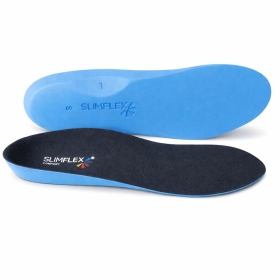

Forefoot guide
Metatarsalgia Insoles & Forefoot Pads
A useful comparison page if you are dealing with general ball-of-foot pain or need a broader offloading route.

Sold: Pack of 10 Pairs
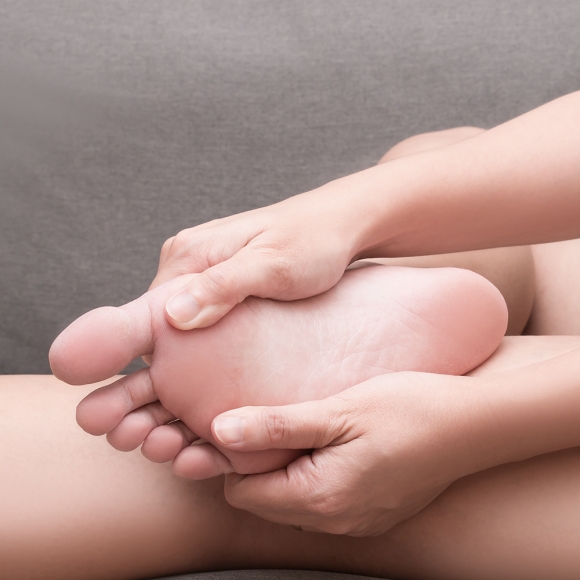
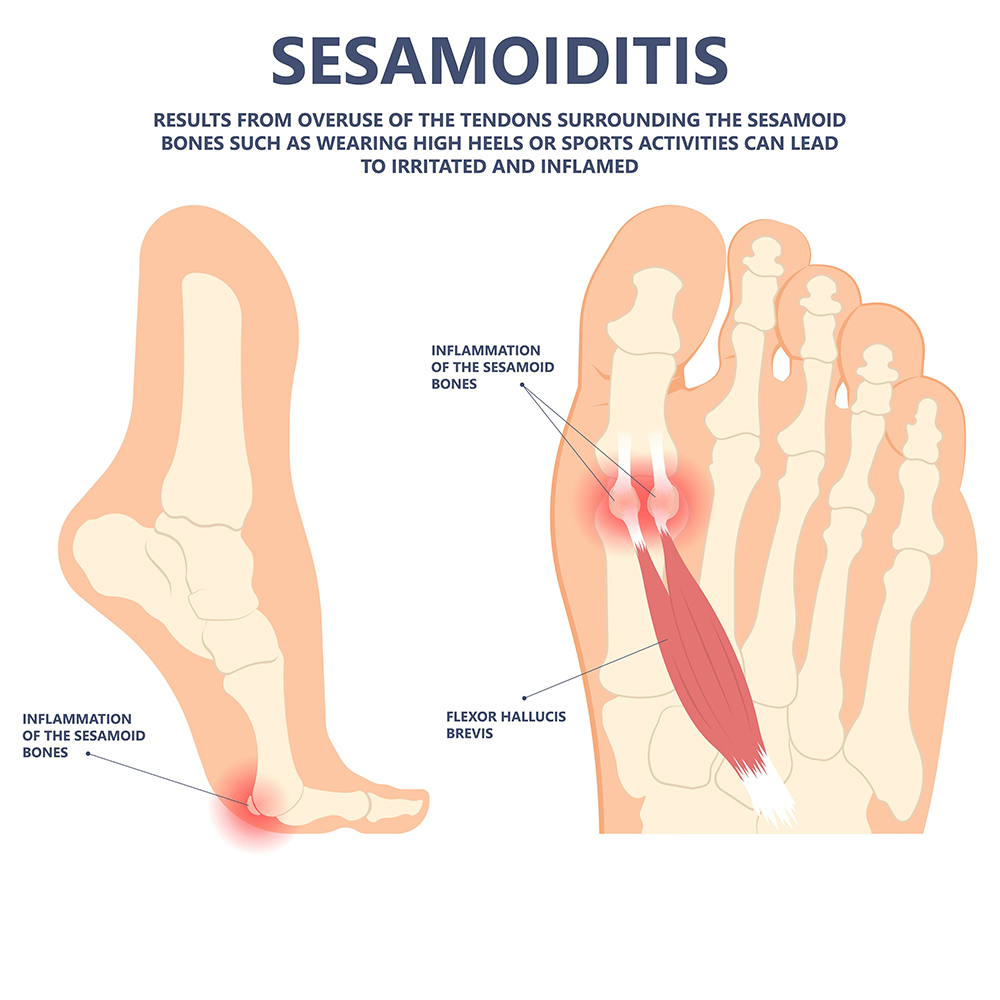
Incl. VAT Exl. VATSesamoiditis usually presents as pain beneath the big toe joint, where the small sesamoid bones sit under the first metatarsal head.
For many people, the aim is not simply more cushioning everywhere, but more targeted offloading under the ball of the foot so walking, work and sport feel more manageable.
Sesamoiditis is irritation or inflammation around the sesamoid bones and surrounding soft tissues beneath the big toe joint.
These small bones help the flexor tendons move efficiently and take load during push-off.
When pressure through the forefoot becomes too high or too repetitive, the area can become sore, especially during walking, running, dancing or prolonged standing.
Because the discomfort is so localised, people often do better with a structured in-shoe solution that reduces focal pressure rather than a very soft flat insert alone.
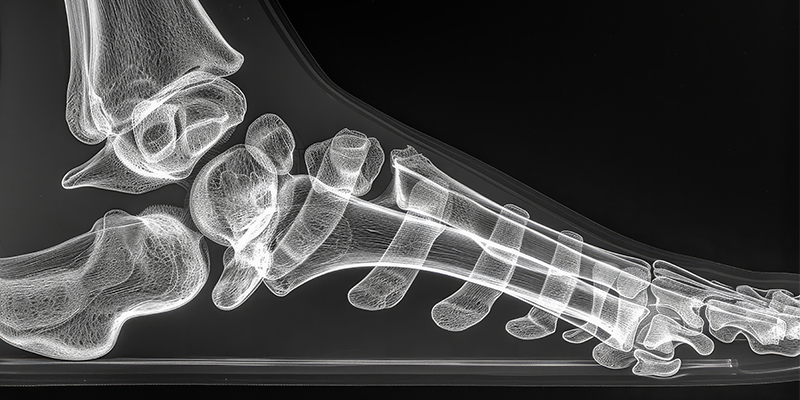
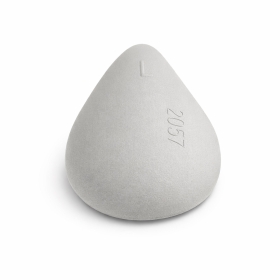
These are often the most direct route when pressure relief under the ball of the foot is the priority. Products in the metatarsal pads and forefoot cushions range are chosen to spread load more evenly across the forefoot and can be useful where localised soreness is the main issue.
A more structured insole can help when sesamoid discomfort sits alongside broader biomechanical issues such as pronation, poor forefoot loading or recurrent foot fatigue. Explore the main orthotic insoles collection if you need support as well as cushioning.
For people with sensitive skin, lower tolerance to firmer devices or at-risk feet, softer categories such as diabetic insoles and selected cushioning insoles may be the better starting point, particularly where comfort and surface pressure distribution matter most.
| Concern or presentation | How an in-shoe solution may help |
|---|---|
| Localised pain under the big toe joint | Redistributes pressure away from the most irritated forefoot area |
| Forefoot soreness with longer periods on your feet | Adds cushioning and helps spread load across the forefoot |
| Sesamoid pain with wider biomechanical support needs | Supports foot alignment and can reduce repeated loading patterns |
| Sensitive feet, skin risk or pressure concern | Prioritises softer contact surfaces and pressure redistribution |
| Symptoms overlapping with other ball-of-foot conditions | Helps compare likely product routes and related forefoot problems |
| Clinical assessment or repeated recurrence | Supports better product selection and monitoring of pressure points |
A useful comparison page if you are dealing with general ball-of-foot pain or need a broader offloading route.
Helpful when symptoms include burning, tingling, numbness or discomfort between the toes.
A broader starting point for people comparing support levels, materials and clinical use cases.
Relevant for clinics and practitioners assessing forefoot loading and pressure hotspots.
Useful for professional users who need a more structured approach to patient evaluation.
Helpful for understanding how different Slimflex models suit different foot types and presentations.
Context for how off-the-shelf orthotics are used as a practical first-line route in many settings.
A practical article for comparing commonly chosen insoles across everyday and clinical use.
Low-profile orthotic options for users who want structured support with everyday practicality.
Supportive foot orthotics often chosen where biomechanical control is part of the picture.
Useful for clinicians and practices working with felt padding and in-shoe pressure relief.
Purpose-led components for localised forefoot offloading and insole adaptation work.
Useful where you want a straightforward metatarsal pad for forefoot pressure redistribution.
Designed for insole adaptation and practical offloading work in a more structured setup.
A wearable gel-based option for users who prefer a softer feel around the forefoot.
A softer pressure-relieving route for people prioritising comfort and reduced surface stress.
Not always. Many people benefit more from targeted pressure redistribution than from softness alone. A softer surface can help comfort, but structured offloading from metatarsal pads or selected orthotic insoles is often more relevant.
A metatarsal pad is usually a more localised addition placed to alter forefoot loading. A sesamoiditis insole may combine cushioning, shape and structural support across the whole foot. Many people use both approaches together.
There is overlap. Both conditions may respond to forefoot offloading, but symptom location and biomechanics matter. Comparing the metatarsalgia page can help if you are unsure whether your pain is broader across the ball of the foot.
Usually yes, but shoe depth matters. Lower-profile insoles or pads are often easier to fit into everyday footwear, while more supportive devices may suit trainers, work shoes or footwear with removable liners.
If sesamoid discomfort keeps returning, appears linked to walking mechanics, or sits alongside pronation, arch collapse or wider foot fatigue, a more structured device from Slimflex or Interpod may be worth considering.
Pressure relief, skin protection and fit become even more important. Start with softer pressure-redistributing options such as diabetic insoles and seek clinical guidance if you have neuropathy, ulcer risk or reduced sensation.
Sold: Sold per Pair
Incl. VAT Exl. VAT