



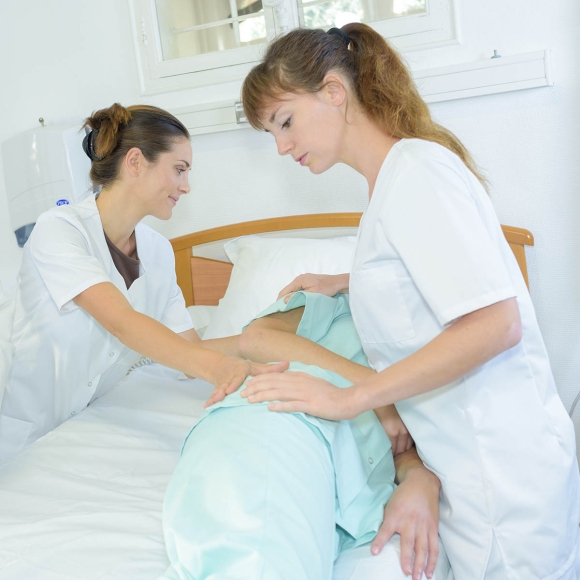
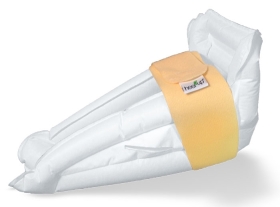

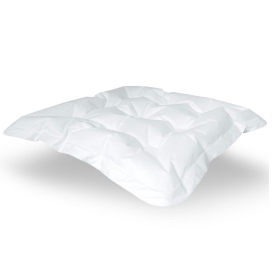



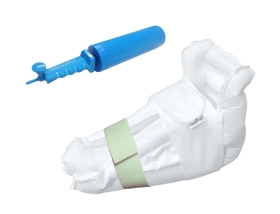
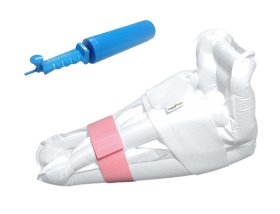
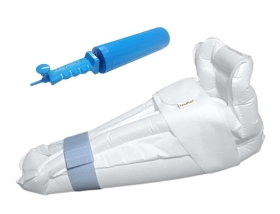
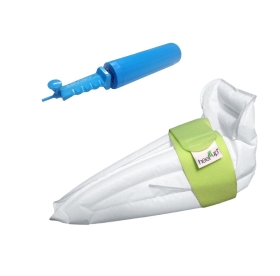
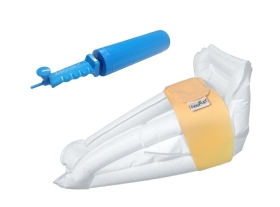
Pressure injuries are largely preventable with the right mix of risk assessment support surfaces and routine skin care. Air filled cushions and mattresses spread load manage microclimate and reduce harmful peaks of pressure that drive tissue damage.
This guide explains how these devices work why they matter and how to use them well in everyday care. It is written for clinicians carers and people who want evidence based options they can trust.
Definition box
Pressure ulcer - A localised injury to skin and underlying soft tissue typically over a bony prominence caused by sustained pressure or by pressure with shear and friction. See NICE prevention and management guidance for definitions staging and care pathways. NICE CG179
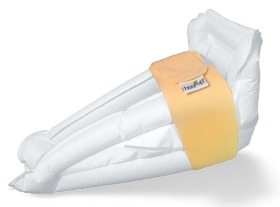
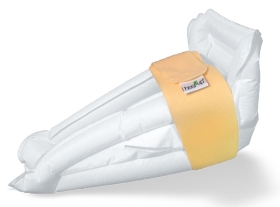
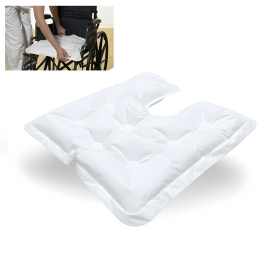
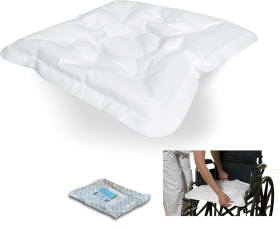
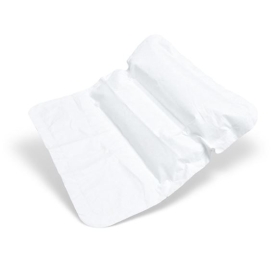
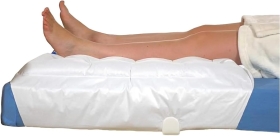
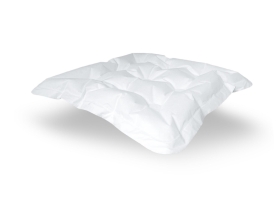
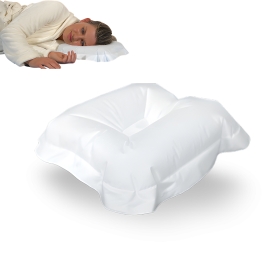
Air filled cushion or support surface - A bed or seating device that contains interconnected cells or chambers of air. Designs include reactive static air that redistributes load without active pumping and active alternating air that cycles inflation to offload tissues sequentially. Some models add low air loss features to help heat and moisture control. For evidence syntheses see Cochrane reviews and international guidelines. Cochrane - Reactive air surfaces | EPUAP NPIAP PPPIA guideline
How it works - why it matters
1. Pressure redistribution reduces peak interface pressure
Air cells let the body immerse into the surface so weight spreads over a wider area. Lower peaks mean capillary flow is less likely to be occluded over bony points such as the sacrum heels and greater trochanters. Reduced occlusion slows the cascade toward ischaemia inflammation and tissue death. The principle is well established in international guidelines and underpins modern pressure care. Guideline
2. Alternation gives time relief
Active systems gently inflate and deflate zones in a cycle that periodically unloads each region. Time away from pressure matters because damage relates to both the intensity and the duration of load. Large UK research comparing alternating mattresses with high specification foam found broadly similar outcomes overall yet alternating systems may be preferred for people with very limited mobility or high sacral risk. PRESSURE 2 RCT
3. Microclimate and shear management
Warm damp skin breaks down more quickly and is vulnerable to shear. Air surfaces that allow airflow and immersion help reduce moisture and friction at the interface which improves skin tolerance to load. UK guidance emphasises managing moisture friction and shear alongside support surface selection. NICE CG179
4. Complements repositioning and mobility
No surface replaces turning schedules and independent weight shifts. NICE quality standards call for frequent advice on repositioning for anyone at risk. Support surfaces reduce baseline risk while repositioning removes sustained load from vulnerable sites. NICE QS89 - Statement 5
Why it matters
Pressure injuries prolong hospital stay increase infection risk and reduce quality of life. Prevention is more cost effective than treatment and protects dignity. International guidelines recommend early risk assessment and appropriate support surface selection as part of a multicomponent plan that also includes nutrition continence care repositioning and staff training. Guideline
What users say
Frontline clinicians report fewer sacral and heel hot spots when switching high risk patients from basic foam to static air overlays and to alternating air when immobility is profound. This mirrors systematic reviews that suggest fewer new ulcers on reactive air than on standard foam in several small trials although certainty is low and context matters. Cochrane
Patients and carers often describe improved comfort and cooler skin on air surfaces particularly with low air loss designs. Comfort outcomes in trials are mixed so choices should balance tolerance training needs and clinical risk. EClinicalMedicine review
Step-by-step guide
- Assess risk
Use a structured assessment and clinical judgement to identify mobility sensory nutrition and moisture issues. Document high risk sites including sacrum trochanters and heels. Follow NICE to classify any existing ulcer and to guide prevention and escalation. NICE CG179 | Full guideline PDF - Choose the right surface
For moderate to high risk patients consider a reactive static air overlay or cushion for bed and seating. Cochrane suggests fewer new ulcers on reactive air versus foam in several trials. For very high risk or where spontaneous repositioning is limited consider alternating air and add low air loss when moisture is a problem. Cochrane - Reactive air | Cochrane overview - Set up carefully
Inflate per instructions. Perform a hand slide test under bony points to check for bottoming out. Ensure no kinks folds or gaps that interrupt air flow. Confirm safe weight limits and bed compatibility. Recheck after transfers and daily. - Combine with repositioning
Air surfaces reduce baseline risk but do not remove the need for regular turning and seated weight shifts. Provide clear intervals tailored to tolerance and care setting in line with local policy and NICE quality statements. NICE QS89 - Protect the microclimate
Keep skin clean and dry. Use breathable covers and consider low air loss when sweating incontinence or fever increases moisture burden. NICE CG179 - Monitor and review
Inspect skin at least daily for non blanching erythema and device related pressure points. Review comfort pump function alarms and inflation. Escalate to tissue viability services when deterioration occurs. Record outcomes to support procurement decisions. NICE CG179 - Train and maintain
Build a maintenance plan for pumps valves filters and covers. Include quick start guides and competency checks. Device effectiveness depends on correct consistent use. Cochrane overview
Comparison tables
Support surface comparison - focus on prevention
| Feature | Basic foam | Reactive static air | Active alternating air |
|---|---|---|---|
| Primary action | Distributes load modestly with limited immersion | Higher immersion with multi cell air redistribution | Cyclic offloading across zones |
| Evidence for preventing new ulcers | Standard reference surface | Fewer new ulcers than foam in small trials - low certainty Cochrane | Useful in high risk immobility - mixed versus high specification foam overall PRESSURE 2 |
| Microclimate support | Variable - heat and moisture may accumulate | Improved ventilation through air cells | Often includes low air loss to move moisture away |
| Shear management | Minimal inherent effect | Immersion reduces shear at prominences | Cycling reduces time under shear at a single point |
| Set up considerations | Simple - minimal maintenance | Inflation check and bottoming out test required | Pump settings cycle timing and alarm checks required |
| Best fit | Low risk or short stay | Moderate to high risk where comfort and quiet operation matter | High to very high risk with limited mobility and need for active offloading |
When to consider an air filled seat cushion
| Patient scenario | Why an air cushion helps | Key checks |
|---|---|---|
| Wheelchair user sitting more than 2 hours at a time | Immersion lowers ischial pressure peaks | Height and stability - ensure safe transfers and posture |
| Moisture problems or heat intolerance | Air movement reduces dampness at the interface | Breathable cover hygiene and daily skin checks |
| Asymmetry or pelvic obliquity | Air cells can be tuned for contouring and alignment | Postural assessment by a seating specialist |
FAQ
Can an air filled cushion replace regular repositioning
No. Repositioning remains essential. NICE quality statements call for frequent advice on repositioning for anyone at risk. NICE QS89
Who should get an air filled cushion or mattress
People at moderate to high risk based on mobility sensation nutrition and moisture factors in line with international guidance. EPUAP NPIAP PPPIA | NICE CG179
Static or alternating - which is better
Reactive static air may reduce new ulcers compared with foam. Alternating air may also reduce risk compared with foam in some settings. Trials show mixed differences between alternating air and high specification foam so choose based on risk tolerance microclimate needs and care goals. Cochrane reactive air | PRESSURE 2
How do air surfaces help with microclimate
They allow airflow across the interface and enable immersion which reduces heat and moisture that weaken skin. Combine with continence care breathable covers and routine hygiene. NICE CG179
Any downsides
Cost and maintenance plus the risk of bottoming out if set up poorly. Establish simple daily checks and a maintenance plan and provide staff training. Cochrane overview
How soon should benefits appear
Prevention benefit accrues as soon as sustained pressure is reduced. Monitor skin from day one and escalate early if you see persistent non blanching erythema. NICE CG179
References and research sources
- NICE. Pressure ulcers: prevention and management - Recommendations. https://www.nice.org.uk/guidance/cg179/chapter/recommendations
- Cochrane Review. Reactive air surfaces for preventing pressure ulcers. https://www.cochranelibrary.com/cdsr/doi/10.1002/14651858.CD013622.pub2/full
- EPUAP NPIAP PPPIA. Prevention and Treatment of Pressure Ulcers/Injuries - International Guideline 2019. https://internationalguideline.com/2019
- NIHR HTA. PRESSURE 2 RCT - Alternating pressure mattresses versus high specification foam. https://www.journalslibrary.nihr.ac.uk/hta/HTA23520
- NICE Quality Standard QS89 - Advice on repositioning. https://www.nice.org.uk/guidance/qs89/chapter/quality-statement-5-advice-on-repositioning
- NICE. Pressure ulcers: prevention and management - Full guideline PDF. https://www.nice.org.uk/guidance/cg179/resources/pressure-ulcers-prevention-and-management-pdf-35109760631749
- NPIAP. International Guidelines overview. https://npiap.com/page/InternationalGuidelines
- EClinicalMedicine - The Lancet. Pressure relieving support surfaces for pressure ulcer prevention. https://www.thelancet.com/journals/eclinm/article/PIIS2589-5370(19)30138-5/fulltext
- Monash Health Evidence Report. Cushions and prevention of pressure injuries. https://repository.monashhealth.org/monashhealthjspui/handle/1/51607
- NICE. Public information: Pressure ulcer prevention treatment and care. https://www.nice.org.uk/guidance/cg179/resources/pressure-ulcer-prevention-treatment-and-care-pdf-322345138885
Sold: Box of 12
Incl. VAT Exl. VAT