




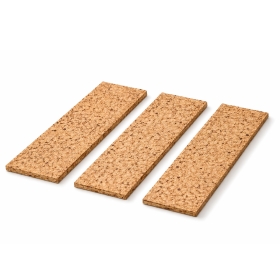
 Natural Cork Material Slabs | Multiple Uses£2.70 £2.25
SHOW PRICES WITH OR WITHOUT VAT? MANY BUSINESS CUSTOMERS PREFER TO VIEW PRICES EXCLUDING VAT.
0151 448 1228 (UK)Cork Sheets & Materials
Discover our range of cork sheets, cork EVA sheets, high-density cork, cork slabs and specialist cork materials, suitable for a wide variety of commercial, industrial and manufacturing applications.
At Algeos, we supply high-quality cork sheets for footwear manufacturing, orthotic production, prosthetics, insulation, cushioning, repairs and general fabrication.
Our cork materials offer excellent workability, durability and versatility, making them a practical choice for professionals working with natural cork and composite materials.
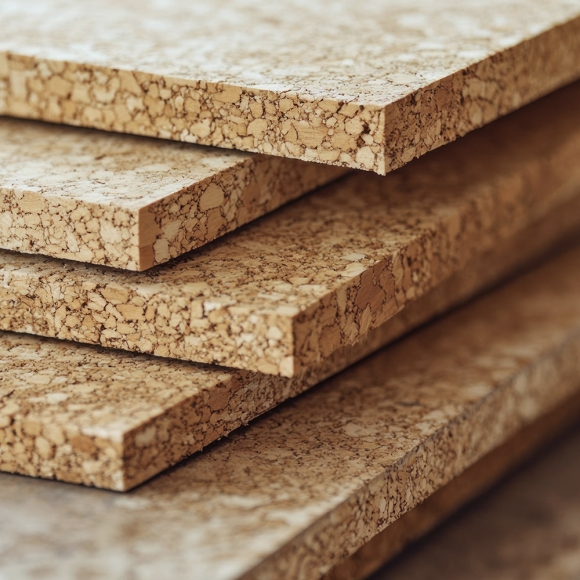

Buying Cork Sheets: Choosing the Right Material for Your Application
Whether you're buying cork sheets for orthotic fabrication, footwear manufacturing, industrial applications or general workshop use, selecting the right material is essential for achieving the required performance.
Algeos supplies a range of composition cork sheets, cork EVA sheets, high-density cork, neoprene cork and natural cork slabs. Each material offers different characteristics in terms of firmness, flexibility, compression resistance and workability.
Our cork materials are available in practical sheet sizes and thicknesses, making them suitable for everything from one-off repairs and prototyping to repeat production and specialist fabrication.
Multiple Material Options
Natural cork, composition cork
and cork composite sheets.
Professional Applications
Footwear, orthotics, industrial
fabrication and workshop use.
Commercial Supply
Standard stock options with
bulk and bespoke enquiries.
Which Type of Cork Sheet Should You Buy?
The best cork sheet depends on how the finished component will be used. Composition cork is often suitable for general fabrication, while cork EVA composites offer a different balance of resilience and support.
General Purpose
Composition Cork Sheets
A versatile option for buyers needing a workable, lightweight cork material for cutting, shaping and layering.
Best suited to: Orthotic build-ups, footwear components, repairs, linings, insulation and general fabrication.
Firm Support
High Density Cork EVA Sheets
A firmer cork and EVA composite suitable for applications requiring more structured support and resistance to compression.
Best suited to: Orthotic posting, heel lifts, supportive footwear components and firm build-ups.
Balanced Properties
Medium Density Cork EVA Sheets
Combines cork with EVA to provide a balance of firmness, resilience and workability.
Best suited to: Footwear modifications, orthotic construction, adaptable supports and general workshop applications.
Flexible Composite
Neoprene Cork Sheets
A cork and rubber composite with greater flexibility than conventional composition cork.
Best suited to: Selected gasket applications, seals, compression components, vibration dampening and industrial fabrication.
Natural Material
Natural Cork Slabs
Natural cork supplied in slab form for shaping, cutting and manufacturing custom components.
Best suited to: Specialist footwear work, repairs, shaped components and smaller fabrication projects.
Filling & Levelling
Cork Filler
A cork-based filling material used where a paste is more suitable than a solid sheet.
Best suited to: Shoemaking, cavity filling, levelling and selected footwear repair applications.
Cork Sheet Material Comparison
Comparing cork sheet materials by firmness, flexibility and intended use can help narrow your selection before placing an order.
| Material | Material Characteristics | Common Buying Requirement |
|---|---|---|
| Composition Cork | Workable, compressible, lightweight cork material | General fabrication, shaping and layering |
| High Density Cork EVA | Firmer composite, structured support | Firm posting, lifts and supportive builds |
| Medium Density Cork EVA | Balanced firmness, resilience and workability | Footwear components, orthotic modifications |
| Neoprene Cork | Flexible rubber-cork blend, compressible | Sealing, vibration reduction, flexible components |
| Natural Cork Slabs | Natural cork, workable slab format | Custom-cut components, repairs and shaping |
Characteristics vary by product grade and thickness. Always check the material specifications for your intended application.
What to Consider Before Ordering Cork Sheets
When sourcing cork sheet materials for commercial or professional use, consider the following factors to ensure you select a suitable product.
1. Thickness
Cork sheet thickness affects the amount of material available for shaping, building up or cushioning. Thinner sheets are useful for layering and adjustments, while thicker options can be used for more substantial components.
2. Density & Firmness
Higher-density cork composites are generally selected when firmer support is required. Softer or more flexible materials may be preferable where resilience and controlled compression matter.
3. Sheet Size
Consider how many finished components can be cut from each sheet. Choosing a suitable sheet format can reduce waste, improve material yield and support production efficiency.
4. Cutting & Workability
Check whether the cork needs to be cut, sanded, shaped, machined or laminated. Material composition and thickness can influence the most suitable working method.
5. Bonding Requirements
If cork sheets will be bonded to EVA, rubber, leather or other substrates, select an appropriate adhesive and test material compatibility before production.
6. Quantity & Repeat Supply
For regular manufacturing or larger projects, consider consistency of specification, repeat availability, sheet yield and the possibility of bulk or bespoke supply.
Buying Cork Sheets for Production?
For repeat manufacturing, consider the total material yield rather than sheet price alone. Sheet dimensions, cutting waste, processing time and consistency can all affect the finished component cost.
If you require a particular thickness, density, format or larger order quantity, contact Algeos to discuss your material requirements.
Cork Sheets for Commercial & Professional Use
Cork materials are used across a variety of industries. Different grades and composite constructions are available to suit the performance requirements of each application.
Orthotics & Prosthetics
Cork and cork EVA sheets are used for selected foot orthotic components, heel lifts, wedges, posting and supportive build-ups.
Footwear Manufacturing & Repair
Suitable cork materials can be used for footwear components, footbeds, levelling, adaptations, fillers and repair work.
Industrial & Engineering
Selected cork composites are suitable for gaskets, sealing, packing, vibration dampening and fabricated components.
Insulation & Interiors
Cork's natural insulating properties make suitable grades useful for thermal, acoustic, lining and interior applications.
Buying Cork Sheets: Frequently Asked Questions
What thickness of cork sheet should I buy?
This depends on the finished application. Thinner sheets are useful for layering, lining and smaller adjustments, while thicker sheets provide more material for shaping or supportive build-ups. Check the thickness options displayed with each product above.
What is the difference between high density and medium density cork EVA?
High density cork EVA is generally selected where firmer support and resistance to compression are priorities. Medium density cork EVA provides a more balanced combination of support, resilience and flexibility.
Are cork sheets suitable for orthotic insoles and footwear?
Yes. Cork and cork EVA materials are commonly used for selected orthotic fabrication and footwear manufacturing applications. The appropriate material depends on the intended construction, required support and end use.
Can cork sheets be cut to size?
Yes. Cork sheets can generally be cut and shaped using suitable workshop equipment. The most appropriate method depends on thickness, density and material composition. Bespoke cutting requirements can be discussed with Algeos.
Can cork sheets be bonded to EVA, rubber or leather?
Cork can be bonded to a range of compatible substrates using appropriate adhesives. Always confirm compatibility and test the bond before starting a production run.
Do you supply cork sheets in bulk?
Algeos welcomes enquiries for larger-volume orders and repeat commercial supply. Provide the required material, sheet dimensions, thickness and approximate quantity when requesting a quotation.
Can I order bespoke cork materials?
Custom sizes, specialist specifications and bespoke cork material requirements can be discussed on enquiry. Availability depends on the requested material and quantity.
How quickly are cork sheets delivered?
In-stock cork sheets and materials are normally delivered within 2–3 working days. Delivery times for bespoke or larger-volume orders are confirmed separately.
Professional Materials Supplier
Order Cork Sheets from Algeos
Algeos supplies cork sheets, cork EVA materials, neoprene cork, natural cork slabs and cork fillers to professional, commercial and industrial customers across the UK.
Select from the cork products listed above, with practical thicknesses, densities and formats available for a wide range of applications.
Stock & Delivery: In-stock materials are normally delivered within 2–3 working days. For bulk orders, custom sizes or bespoke material specifications, please contact the Algeos team to discuss your requirements.
Professional UK Supplier
Multiple Densities & Thicknesses
Bulk Supply Enquiries
Bespoke Material Options
Material guidance by Marc Cameron — Materials and product development specialist with over 25 years of experience in orthotic therapy, healthcare materials, polymers, foams and composite materials.
Sold: Each
Incl. VAT Exl. VAT