




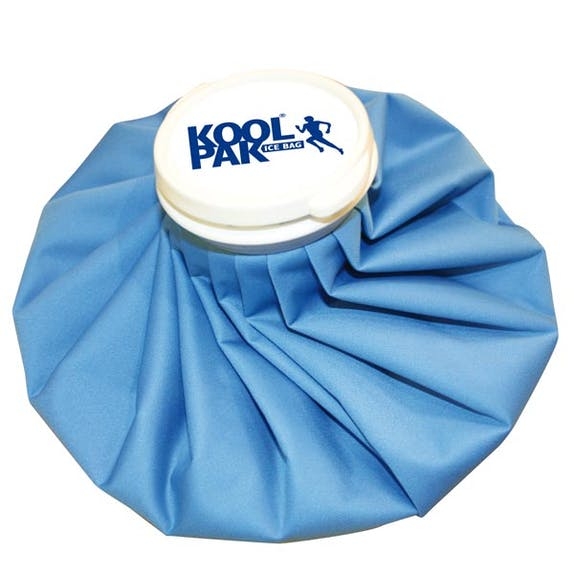
KoolPak Reusable Ice Pack for Injuries | with Screw Cap
Fill this durable and reusable pack with ice cubes or ice-cold water and place the bag onto the affected area to improve recovery.
The reusable ice pack is eco-friendly, economical and easy to use for all body parts.
Traditional and proven ice pack for injuries and reducing swelling.
Sold: Each
Incl. VAT Exl. VAT
Product Description
Reusable ice pack for injuries
KoolPak Reusable Ice Pack with Screw Cap - The Eco Option
A durable, reusable ice pack designed to apply cold compression using ice cubes or ice-cold water, with a pleated fabric body that conforms comfortably to different areas of the body.
Best for
- Everyday bumps, knocks, and strains where cold application is commonly used
- Localised swelling or soreness after activity
- People who prefer a reusable, economical option for home or clinic use
Not ideal for
- Anyone with known cold sensitivity or conditions where cold should be avoided
- Situations where a rigid or shaped cold pack is required
- Users who cannot monitor skin comfort during application
- Screw cap closure designed to help reduce leaks during use
- Pleated design helps the bag conform to body contours for comfort
- Reusable and economical for repeated cold applications across many body areas
Expected comfort and use timeline
Cold therapy products can feel very effective for some people, while others find the sensation intense at first. The goal is typically a cool, controlled feeling rather than numbness or pain. The guidance below is a realistic, conservative way to approach use.
First use: Expect a strong cooling sensation. The pleated fabric is designed to sit more comfortably against curved areas, but you should still monitor the skin and overall comfort. If the cold feels sharp, burning, or unpleasant, stop and reassess your setup (for example, check whether the bag is too cold or if you need a barrier layer between the bag and skin).
Short-term (first few days): Many users settle into a routine of short applications after activity or following minor injury. Comfort often improves as you learn where the bag fits best and how much ice or water gives you the right level of cooling for the area you’re treating.
Ongoing use (over weeks): This type of reusable ice bag is designed for repeated use. Over time, it can become a staple in a home first-aid kit, sports bag, or clinic setting for quick, targeted cold compression as needed. As with any cold therapy approach, ongoing comfort depends on sensible use and careful skin checks.
What is it?
The KoolPak Reusable Ice Pack with Screw Cap is a refillable cold-compression bag intended for applying ice cubes or ice-cold water to a specific area of the body. Unlike many flat gel packs, the bag’s pleated design helps the fabric conform to curves and contours, which can make it easier to position around joints and rounded areas.
The screw cap is designed for straightforward filling and secure closure. Because the bag is reusable, it can be an economical option for people who use cold application regularly, whether for everyday mishaps, sports recovery, or routine self-care.
Who is it for?
This product is suited to people who want a simple, reusable cold-application option that can be used on many areas of the body. It can fit well into a range of settings, including:
- Active lifestyles: for cooling an area after exercise or training where cold application is commonly used for comfort
- Everyday home use: for minor knocks, bumps, or flare-ups of localised soreness
- Supportive care routines: as part of a broader approach that may include rest, gentle movement, and sensible load management
- Clinical environments: where a refillable ice bag is preferred for quick setup and targeted placement
If you are unsure whether cold therapy is appropriate for you, or you have reduced sensation in the area, seek personalised advice before use.
What does it help with?
Cold compression is commonly used to support comfort and manage the immediate symptoms that can occur after minor injury or physical stress. This ice pack is designed to provide localised cooling and gentle compression (depending on how it is filled and positioned), which may help you feel more comfortable during recovery.
Condition → practical benefit
- Minor sprains and strains → may help calm discomfort and provide a focused cooling sensation
- Post-activity soreness → can support a cooling routine after exertion in a targeted area
- Localised swelling → cold application is commonly used to help manage the feeling of swelling after a knock or twist
- Bruising or tenderness → may help provide soothing cold where the area feels sensitive
- General “hot” or irritated feeling in a spot → can provide short, controlled cooling for comfort
This product is not a treatment for underlying medical conditions. It is intended as a practical cold-application aid.
How does it work?
The bag is filled with ice cubes or ice-cold water, then placed on the affected area. The cold temperature draws heat away from the skin surface, creating a cooling sensation that may reduce the feeling of soreness. Because the bag is flexible and pleated, it is designed to drape and conform to body contours rather than sitting rigidly on top of them.
Cold compression is often used immediately after a minor injury as part of common self-care routines. However, “more” is not always better with cold: overly long or overly intense cooling can irritate the skin. Sensible application, frequent checks, and comfortable positioning matter more than pushing for maximum cold.
Problem and solution
| Common problem | How the product helps |
|---|---|
| Ice packs don’t sit comfortably on curved areas | The pleated fabric is designed to conform to body contours, improving contact and comfort. |
| You need a targeted cold option for different body parts | The bag can be positioned on many areas and filled to suit the location and your comfort. |
| Single-use cold solutions are inconvenient or wasteful | Reusable design allows repeated use by refilling with ice cubes or ice-cold water. |
| You want quick setup after a knock or strain | Screw cap design supports straightforward filling and closure for fast application. |
Key benefits
- Reusable and economical: refill as needed using ice cubes or ice-cold water.
- Comfort-focused shape: pleated design supports better contouring around rounded areas.
- Easy to use: screw cap closure is designed for simple filling and secure closure.
- Versatile placement: suitable for many body parts, depending on where you need cooling.
- Adjustable feel: you can influence the cooling intensity by the amount and type of fill (ice cubes versus cold water).
- Practical recovery support: designed to support everyday self-care routines after minor injury or activity.
Ice Pack Usage
Snug, not painful. The bag should rest securely on the area without creating discomfort. If you use a wrap or bandage to hold it in place, it should feel supportive rather than tight.
- Check skin comfort often: especially during the first few uses.
- Aim for controlled cooling: intense cold is not required for the bag to be useful.
- Use a barrier if needed: a thin cloth between the bag and skin can improve comfort for sensitive users.
- Stop if it feels wrong: numbness, burning, or pain are signs to stop and reassess.
Common mistakes to avoid
- Expecting 'instant fixes': cold application may help comfort, but it does not replace a sensible recovery plan.
- Over-wearing: long, continuous cold exposure can irritate skin. Short, monitored applications are a safer approach.
- Using it directly on very sensitive skin: if you are sensitive to cold, consider a thin barrier and keep sessions conservative.
- Poor positioning: if the bag slides or bunches, comfort drops. Reposition, adjust fill amount, or secure gently.
How to use
- Prepare the fill: choose ice cubes or ice-cold water depending on the cooling feel you want.
- Open the screw cap: ensure the opening is clear and stable before filling.
- Fill the bag: add ice cubes or cold water to a comfortable level (avoid overfilling so the bag can mould to the area).
- Secure the cap: close the screw cap firmly to help reduce the chance of leaks.
- Apply to the area: place the bag onto the affected area. If desired, use a thin cloth barrier for comfort.
- Monitor regularly: check skin comfort and sensation frequently. Keep use conservative, especially at the start.
- Finish and store: remove the bag when done, empty if needed, and store ready for next use.
If you have reduced sensation, circulatory concerns, or any condition where cold may be unsuitable, seek advice before using cold compression products.
Technical specifications
| Specification | Details |
|---|---|
| Product type | Reusable ice pack with screw cap |
| Available sizes (diameter) | Small: 15 cm (6") Large: 25 cm (9") |
| Fit | Universal placement; can be used on many body areas (position depends on location and comfort). |
| Design | Pleated body designed to conform to contours |
| Closure | Screw cap |
| Fill options | Ice cubes or ice-cold water |
| Materials | Nylon |
| Care and cleaning | Not specified; rinse and dry as appropriate after use (follow your local care guidance and inspect regularly). |
| Pack contents | Not specified (typically a single ice bag; varies by option) |
FAQ
Can I use ice cubes or cold water?
Yes. The bag is designed to be filled with ice cubes or ice-cold water. Many users choose based on what feels most comfortable and practical for the area they’re cooling.
How should it feel when applied?
You should feel a controlled cooling sensation. It should not feel sharp, burning, or painful. If it does, stop and adjust your setup (for example, reduce intensity, reposition, or use a thin barrier cloth).
Is it suitable for all body parts?
The ice bag is designed to be used across many areas of the body. The pleated design can help it conform to contours, but placement will depend on the location and your comfort. Take extra care around bony areas and where skin is sensitive.
Do I need to strap it on tightly?
No. If you choose to hold it in place with a wrap, it should be snug, not painful. Tight strapping can be uncomfortable and may not improve the experience. The priority is secure, comfortable contact.
Can this be used immediately after an injury?
Cold compression is commonly used soon after minor injuries in everyday self-care. If the injury is severe, symptoms are worsening, or you’re unsure what’s safe, seek appropriate clinical advice.
What if I have cold sensitivity?
If you know you’re sensitive to cold, use extra caution. Consider a thin barrier cloth, keep sessions conservative, and stop if you notice discomfort, numbness, or unusual skin changes. If you have a medical condition that affects sensation or circulation, seek advice before use.
Will it “fix” the problem permanently?
No. This product is designed to support comfort by providing cold application. It may help you feel better as part of a sensible recovery approach, but it is not a cure or a replacement for clinical assessment when needed.
Complementary and pairing suggestions
If you’re building a simple, practical comfort and recovery kit, this reusable ice bag can pair well with other supportive product types. Consider what best matches your situation and preferences:
- Compression wraps or support bandages: to help hold the bag in place gently (snug, not tight).
- Warm therapy options: for times when heat is preferred instead of cold, depending on your routine and guidance.
- Protective barrier layers: thin cloth sleeves or towels to improve comfort for sensitive skin.
- Basic first-aid essentials: items such as dressings and tape for general preparedness (used appropriately and safely).
Last reviewed: January 2026
This content is provided to help buyers understand product purpose, fit, and typical use. It is not intended to diagnose, treat, or replace personalised medical advice. If symptoms are severe, persistent, or you are unsure whether cold therapy is appropriate, seek professional guidance.
Frequently bought together
Sold: Each
Incl. VAT Exl. VATSold: Each
Incl. VAT Exl. VAT
Sold: Each
Incl. VAT Exl. VAT
Sold: Each
Incl. VAT Exl. VAT
Sold: Each
Incl. VAT Exl. VAT
Sold: Each
Incl. VAT Exl. VATSold: Each
Incl. VAT Exl. VAT
Sold: Each
Incl. VAT Exl. VAT
Sold: PX1525 PX1523 PX1521
Incl. VAT Exl. VAT
Sold: Each
Incl. VAT Exl. VAT
Sold: Each
Incl. VAT Exl. VAT
Sold: Each
Incl. VAT Exl. VATSold: Each
Incl. VAT Exl. VAT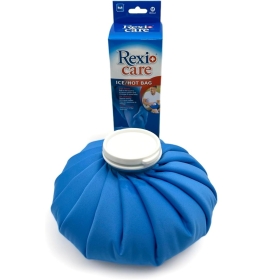
Sold: Each
Incl. VAT Exl. VATSold: Each
Incl. VAT Exl. VAT

Sold: Each
Incl. VAT Exl. VAT