




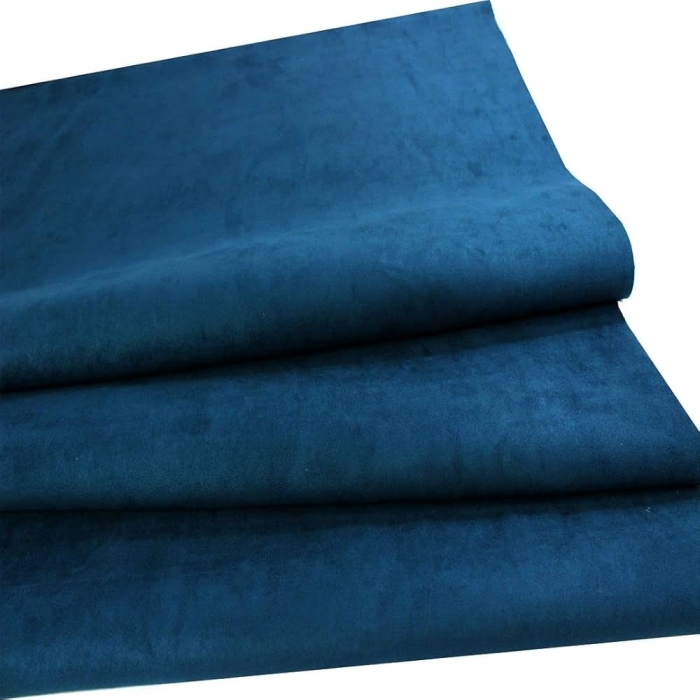
Juliana Insole Cover Lining Material
Juliana Insole Lining Material is a stretchy, lightweight orthotic covering that has a great finish.
Sold: Per Sheet
Incl. VAT Exl. VAT
Product Description
Stretch Orthotic Top Cover Material
A lightweight, breathable orthotic covering material designed for durable insole top covers and orthotic linings in both small and high-volume production environments.
Best for: Orthotic laboratories, podiatry clinics, and technicians producing high volumes of orthotic top covers.
Not ideal for: Applications requiring thick cushioning layers or structural reinforcement.
Stretchable material for smooth orthotic finishing
Consistent quality for repeatable manufacturing
Designed for efficient large-scale orthotic production
What is it?
Juliana Micro is a flexible orthotic lining material designed to be used as a top cover for insoles and orthotic devices. It provides a clean, professional finish while maintaining the flexibility needed for comfortable everyday use in footwear.
The material is engineered to be lightweight and stretchable, allowing it to conform easily to the contours of custom orthotics. This makes it particularly useful for laboratories and clinicians producing multiple orthotic devices where consistency and efficiency are important.
Sold by the metre, the material comes in a wide format suitable for cutting and shaping into orthotic top covers. Its structure allows technicians to bond it smoothly to orthotic shells or cushioning layers, creating a breathable and abrasion-resistant surface that contacts the foot.
Compared with some premium microfibre alternatives, Juliana Micro provides a more economical option while still delivering reliable performance and a high-quality finish. This balance between durability and affordability makes it suitable for routine orthotic production.
Who is it for?
Juliana Micro is intended for professionals and manufacturers who produce orthotic insoles and require a dependable top cover material. It supports efficient workflows while maintaining the comfort and durability expected in modern orthotic devices.
Typical users include:
- Podiatry clinics producing custom orthotic insoles
- Orthotic laboratories manufacturing devices at scale
- Foot health professionals refurbishing existing orthotics
- Footwear technicians creating supportive insoles
- Manufacturers seeking a cost-effective orthotic covering solution
The material is particularly useful where large volumes of orthotics are produced and consistency across batches is important. Its predictable handling characteristics help streamline production processes.
What does it help with?
While the material itself is not a medical device, it plays an important role in the comfort and durability of orthotic insoles. A well-chosen top cover helps protect underlying materials while improving the feel of the orthotic inside footwear.
- Orthotic surface wear → Abrasion-resistant finish helps extend the usable life of insoles
- Foot comfort → Smooth lining provides a comfortable contact layer
- Moisture build-up → Breathable structure supports airflow around the foot
- Orthotic presentation → Clean finish improves the overall appearance of devices
- High production demand → Consistent material supports efficient manufacturing
How does it work?
Orthotic insoles often consist of multiple layers including a structural shell, cushioning materials, and a top cover. The top cover is the layer that sits directly beneath the foot, meaning it plays an important role in both comfort and durability.
Juliana Micro acts as this finishing layer. Its stretch properties allow it to be shaped around the curves and contours of the orthotic shell without wrinkling or lifting. This helps create a smooth and uniform surface.
The material is also designed to resist abrasion. As feet move within shoes throughout the day, repeated friction can gradually wear down surface materials. A more durable covering helps maintain the orthotic’s integrity over time.
Breathability is another important factor. Footwear environments can become warm and humid, especially during extended wear. A breathable lining material can help reduce the sensation of heat and improve overall comfort inside the shoe.
These combined characteristics make Juliana Micro a practical solution for orthotic manufacturers seeking a reliable, cost-effective covering material.
Expected comfort / use timeline
Because Juliana Micro is a manufacturing material rather than a finished orthotic product, its comfort experience depends on the final orthotic design. However, the material is intended to support a comfortable surface layer when used correctly.
First use
The finished orthotic should feel smooth and comfortable underfoot. The top cover should sit flat without wrinkles or loose edges.
Short-term use (first few days)
The material will naturally adapt to foot movement within the shoe while maintaining its surface integrity.
Ongoing use (weeks and months)
With normal wear, the abrasion-resistant surface is designed to maintain its finish and help protect the underlying orthotic layers.
Problem → Solution
| Common problem | How the product helps |
|---|---|
| Orthotic top covers wearing down quickly | Abrasion-resistant surface helps maintain durability over time. |
| Wrinkled or uneven orthotic coverings | Stretchable material adapts to curved orthotic surfaces for a smooth finish. |
| Heat and moisture inside footwear | Breathable material helps maintain airflow around the foot. |
| Inconsistent materials in large production runs | Manufactured for consistent quality and repeatable results. |
| High cost of premium top cover materials | Provides a more economical option while maintaining reliable performance. |
Key benefits
- Stretchable material adapts easily to orthotic contours
- Breathable structure supports comfort inside footwear
- High resistance to abrasion for improved durability
- Consistent quality suitable for repeat production
- Lightweight construction suitable for everyday orthotic use
- Cost-effective option for large orthotic manufacturing volumes
When used as an orthotic top cover, the finished material layer should feel smooth and secure across the surface of the insole. It should sit snugly without folds, bubbles, or tension points. A well-applied covering supports comfort and helps prevent premature wear.
Common mistakes to avoid
- Using the material as a structural orthotic layer rather than a finishing cover
- Applying excessive tension during bonding, which can distort the surface
- Using incompatible adhesives that may affect flexibility
- Expecting cushioning properties from a thin lining material
How to use
- Measure and cut the required amount of material based on the orthotic size and shape.
- Prepare the orthotic shell or cushioning base by ensuring the surface is clean and dry.
- Apply the appropriate adhesive to bond the covering material.
- Carefully stretch and smooth the material across the orthotic surface.
- Trim any excess material for a clean, professional finish.
- Allow the adhesive to set fully before fitting the orthotic into footwear.
Technical specifications
| Specification | Details |
|---|---|
| Product name | Juliana Micro Insole and Lining Material |
| Material type | Stretchable synthetic orthotic covering textile |
| Primary use | Orthotic top covers and insole linings |
| Width | 1600 mm |
| Supply format | Sold per metre |
| Key properties | Breathable, abrasion resistant, flexible |
| Application context | Orthotic laboratories and podiatry clinics |
| Care and cleaning | Varies depending on final orthotic construction |
| Pack contents | Single continuous length per ordered metre |
Frequently asked questions
Is Juliana Micro suitable for all orthotics?
It is suitable for many orthotic top cover applications, particularly where a lightweight and flexible lining is required. The final suitability depends on the design of the orthotic device.
Can it be used with cushioning layers?
Yes. The material is often used as a finishing layer over cushioning foams or orthotic shells to create a comfortable contact surface.
Does the material provide cushioning?
Juliana Micro is primarily a surface covering. Cushioning is typically provided by underlying orthotic materials rather than the top cover itself.
Is it suitable for high-volume orthotic production?
Yes. The material is designed with consistent quality and efficient handling characteristics that support larger manufacturing runs.
How is it supplied?
The material is sold per metre and supplied in a wide sheet format suitable for cutting multiple orthotic covers.
Can it be used for refurbishing orthotics?
Yes. It can be used to replace worn top covers on existing orthotic devices, depending on the condition of the underlying structure.
Complementary product types
This material is often used alongside other orthotic manufacturing components, including:
- Orthotic shell materials
- Cushioning foams for insoles
- Adhesives suitable for orthotic fabrication
- Grinding and finishing tools for orthotic shaping
- Protective top cover materials for specialised applications
Content credibility
Written by: Algeos Product & Clinical Content Team
Last reviewed: March 2026
This content is intended to support product understanding and buyer guidance. It is not a substitute for professional assessment, diagnosis, or medical advice.
Frequently bought together
Sold: Per Sheet
Incl. VAT Exl. VAT
Sold: 10m Roll
Incl. VAT Exl. VAT
Sold: 1.2m × 1.5m Sheet from roll
Incl. VAT Exl. VAT
Sold: Sold per Sheet
Incl. VAT Exl. VAT
Sold: Sold per Sheet
Incl. VAT Exl. VAT
Sold: 1.8m x 1m
Incl. VAT Exl. VAT
Sold: Sold per Sheet
Incl. VAT Exl. VAT
Sold: Sold per Sheet
Incl. VAT Exl. VAT
Sold: Per Sheet
Incl. VAT Exl. VAT
Sold: Per Sheet
Incl. VAT Exl. VAT
Sold: Sheet 1m x 1m
Incl. VAT Exl. VAT
Sold: Per Sheet
Incl. VAT Exl. VAT
Sold: Pair
Incl. VAT Exl. VAT
Sold: Per Sheet
Incl. VAT Exl. VAT